
Estimated read time: 11 min read
One Sentence Summary
A squad of young Iraq War veterans is paraded as heroes during a surreal Dallas Cowboys halftime show, exposing the disconnect between American society and the realities of war.
Table of Contents
Introduction
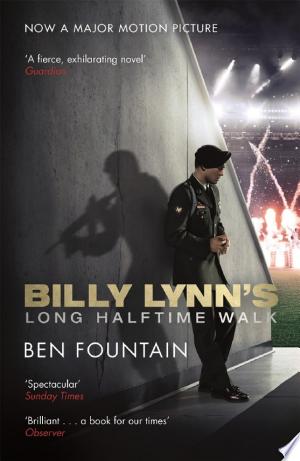
Imagine being thrust from the chaos of war into the blinding lights of an NFL halftime show—where Beyoncé's dancers, roaring crowds, and relentless media all want a piece of your story. That’s the surreal world of Billy Lynn’s Long Halftime Walk by Ben Fountain, a novel as sharp as it is darkly funny, exploring the collision between American heroism and commercial spectacle. Published in 2012 and a National Book Award finalist, Fountain’s debut novel is a modern classic that slices through post-9/11 patriotism with both heart and wit, making it a must-read for college students, lecturers, and anyone curious about war, media, and the American dream.
Historical Context
Set against the backdrop of the Iraq War in the early 2000s, Billy Lynn’s Long Halftime Walk takes place during a time when the United States is reeling from the events of 9/11 and grappling with the realities of its military engagements abroad. The novel unfolds on Thanksgiving Day at the Dallas Cowboys’ Texas Stadium—an iconic slice of Americana. This was a period marked by fervent displays of patriotism, the rise of 24-hour news cycles, and a blurring of lines between entertainment, politics, and military heroism.
Notably, the story draws clear inspiration from real-life halftime shows and the media’s penchant for turning soldiers into instant celebrities. The characters are fictional, but their experiences mirror those of many young soldiers suddenly thrust into the limelight upon returning home, often to a society that both glorifies and misunderstands them.
Brief Synopsis
Plot Overview
At the heart of the novel is Billy Lynn, a 19-year-old private from Texas and member of Bravo Squad, who, along with seven surviving squadmates, has become a national hero after a firefight in Iraq is caught on camera and broadcast across America. The government, eager to boost public morale, whisks the Bravos on a two-week “Victory Tour,” culminating in an appearance at the Dallas Cowboys’ Thanksgiving Day game. As the squad navigates the absurdity of NFL luxury boxes, Hollywood producers, and patriotic pageantry, Billy faces his own internal battles—grappling with trauma, guilt, and the looming prospect of returning to war.
Setting
The novel takes place almost entirely over the course of a single day at Texas Stadium in Dallas, Texas, on Thanksgiving. The stadium is a character in itself: a sprawling, cacophonous temple to American sport and spectacle. The contrast between the stadium’s festive, consumer-driven atmosphere and Bravo Squad’s trauma-laden reality creates a haunting, surreal backdrop. Flashbacks to Billy’s home life in Stovall, Texas, and firefights in Iraq add emotional depth and context.
Main Characters
| Name | Role | Key Traits | Importance to Plot |
|---|---|---|---|
| Billy Lynn | Protagonist, Bravo Squad soldier | Naïve, sensitive, introspective, brave | Central character grappling with war trauma and hero status |
| Sergeant Dime | Bravo Squad leader | Tough, sarcastic, fiercely protective | Bravo’s anchor; drives squad interactions with civilians |
| Shroom (Sgt. Breem) | Fallen Bravo member | Philosophical, gentle, spiritual | His death haunts Billy and motivates much of the narrative |
| Albert | Hollywood agent | Slick, opportunistic, persistent | Tries to sell Bravo’s story for a movie deal |
| Norm Oglesby | Cowboys team owner | Wealthy, patriotic, performative | Embodies corporate America’s approach to war |
| Faison | Cheerleader, Billy’s love interest | Compassionate, empathetic, conflicted | Offers Billy a glimpse of normalcy and hope |
| Kathryn Lynn | Billy’s sister | Caring, protective, activist | Pushes Billy to consider not returning to Iraq |
| Sykes | Bravo Squad member | Loyal, humorous, down-to-earth | Represents camaraderie and the common soldier’s voice |
Plot Summary
The Arrival: Heroes for a Day
The story opens with Bravo Squad arriving at Texas Stadium, greeted by handlers and Cowboys staff. They’re paraded through luxury boxes, introduced to VIPs, and treated like celebrities, yet the soldiers are painfully aware of the superficiality beneath the surface: people want selfies and stories, not truth or understanding. Billy, still reeling from the violence and death he’s witnessed, feels both honored and alienated.
Behind the Curtain: Media, Money, and Movie Deals
As the day unfolds, the Bravos are shuffled from press conferences to meet-and-greets. Hollywood agent Albert hounds them, promising a movie deal that never quite materializes. The squad is surrounded by billionaires and businesspeople eager to “support the troops” with hollow gestures, not action. The soldiers’ discomfort grows as they realize their trauma is being packaged and sold.
Flashbacks: War and Home
Throughout the day, Billy’s memories flicker between Iraq and home. The firefight that made the Bravos famous—and claimed Shroom’s life—haunts him. Flashbacks reveal Billy’s relationship with his family, particularly his sister Kathryn, who urges him to seek a way out of the war. These glimpses offer insight into the emotional and psychological toll of combat, as well as Billy’s struggle to reconcile his duty with his desire for peace and love.
The Halftime Show: Chaos and Catharsis
The climax of the novel is the Cowboys’ halftime show, featuring Destiny’s Child (yes, Beyoncé herself). Bravo Squad is marched onto the field in front of a roaring crowd, lasers and fireworks exploding around them. The spectacle is both exhilarating and disorienting—a bizarre merging of war and entertainment. For Billy, the chaos triggers a flood of emotions: pride, fear, anger, and grief.
The Walk Back: Decisions and Dilemmas
After the halftime show, the Bravos are whisked away for more photo ops and empty promises. Billy shares a brief, intense connection with Faison, a Cowboys cheerleader, who represents the possibility of a different life. As the day ends, Billy faces a gut-wrenching decision: should he return to Iraq with Bravo Squad, or heed Kathryn’s plea to desert and start anew? The novel closes with Billy’s resolve tested, his fate left uncertain—a poignant reflection of the realities faced by many soldiers.
Themes and Motifs
War and Heroism
Fountain scrutinizes America’s concept of heroism, exposing its commercialization and disconnect from the true horrors of war. Billy and his squad are lauded as heroes, yet their pain is commodified, their real needs ignored.
Patriotism and Spectacle
The novel explores the intersection of patriotism, entertainment, and consumerism. The halftime show, luxury suites, and media circus all reduce the Bravos’ experiences to mere spectacle, raising questions about what America truly values.
Alienation and Disconnection
Billy’s journey is one of profound alienation—from civilians, from his own emotions, even from his fellow soldiers. The gulf between those who fight wars and those who watch them from afar is starkly drawn.
Family and Belonging
Family plays a critical role—Billy’s bond with Kathryn, and the surrogate family formed by the Bravos, is a source of strength and conflict. The longing for connection and understanding drives much of Billy’s internal struggle.
Trauma and Memory
Fountain deftly portrays the psychological scars of combat, using flashbacks and internal monologue to convey Billy’s fragmented state of mind. Memory is both a refuge and a source of torment.
Table: Key Themes and Motifs
| Theme/Motif | Description | Example in the Book |
|---|---|---|
| Heroism | Questioned, commodified, and misunderstood | Bravo Squad’s “Victory Tour” |
| Patriotism vs. Spectacle | National pride reduced to entertainment, empty gestures | Cowboys halftime show |
| Alienation | Soldiers’ disconnection from civilians and each other | Billy’s internal monologue |
| Family and Belonging | Biological and surrogate family ties tested by war | Kathryn’s plea, Bravo’s camaraderie |
| Trauma and Memory | Psychological scars, intrusive flashbacks | Billy’s memories of Shroom and the battle |
Literary Techniques and Style
Ben Fountain’s writing is a masterclass in style and technique. He employs close third-person narration, immersing readers in Billy’s consciousness—his hopes, fears, and confusion. The prose is sharp, vivid, and laced with satirical humor, exposing the absurdities of modern America without losing empathy for its characters.
Narrative Structure
The novel unfolds over a single day—an intense, almost real-time experience—punctuated by flashbacks that fill in Billy’s backstory and inner life. This structure heightens the sense of surreal dislocation, mirroring Billy’s emotional state.
Satire and Irony
Fountain uses biting satire to critique American culture, especially its tendency to turn tragedy into spectacle. The halftime show is a microcosm of this, blending war and entertainment in a way that is both hilarious and horrifying.
Realism and Symbolism
The novel’s realism is grounded in detailed, sensory descriptions—of stadium food, crowds, and the chaos of combat. Symbolism abounds: the stadium as America, the halftime walk as a journey through competing realities, Shroom’s death as the cost of glory.
Dialogue and Voice
The dialogue crackles with authenticity, capturing the banter and bravado of soldiers, the slick talk of agents and executives, and the awkward attempts of civilians to connect. Billy’s internal voice is searching, honest, and often poetic.
Author's Background
Ben Fountain, a former lawyer turned novelist, brings a keen outsider’s eye to American society and politics. Born in North Carolina and raised in Texas, Fountain spent years honing his craft before publishing his critically acclaimed short story collection, Brief Encounters with Che Guevara. Billy Lynn’s Long Halftime Walk is his first novel and drew on extensive research, including interviews with soldiers and veterans, to create an authentic, emotionally resonant portrait of the Iraq War generation.
Fountain’s writing is influenced by satirists like Joseph Heller (Catch-22) and Don DeLillo, and his work often explores the gap between America’s ideals and realities. His impact on contemporary literature is significant, with Billy Lynn widely regarded as one of the defining war novels of the 21st century.
Key Takeaways
- War is not a spectacle: The novel exposes how true heroism and trauma are often misunderstood and commercialized.
- Patriotism is complex: Displays of support for soldiers can be hollow if not matched by real understanding or action.
- Trauma endures: Soldiers return from war carrying invisible wounds that society often fails to see or address.
- Alienation is profound: The divide between those who experience war and those who watch from a distance is stark and painful.
- Family support matters: The love and concern of family can be both a lifeline and a source of tension for returning soldiers.
- Satire reveals truth: Humor and irony can be powerful tools for critiquing society’s blind spots and hypocrisies.
Reader's Takeaway
Billy Lynn’s Long Halftime Walk will make you laugh, wince, and maybe even shed a tear. It’s a novel that invites readers to question easy narratives about war and heroism, to look past the pageantry and see the real people beneath the uniforms. For college students, it’s a sharp lens on media, politics, and the cost of conflict. For lecturers, it’s a rich text for exploring satire, narrative structure, and contemporary history. Emotionally, it’s a reminder of the human cost behind headlines and halftime shows—a story that lingers long after the final page.
Conclusion
Ben Fountain’s Billy Lynn’s Long Halftime Walk is a razor-sharp, deeply moving exploration of what it means to be a hero in a world that prefers spectacle to substance. Through vivid characters, biting humor, and profound insights, Fountain challenges readers to confront the uncomfortable truths behind America’s rituals of war, patriotism, and entertainment. Whether you’re a student dissecting modern literature or a casual reader seeking a story with heart and bite, this novel deserves a place on your shelf—and in your conversations about what it means to be truly seen and understood. Dive in, and let Billy Lynn’s journey walk with you.
Billy Lynn's Long Halftime Walk FAQ
What is 'Billy Lynn's Long Halftime Walk' about?
'Billy Lynn's Long Halftime Walk' is a satirical novel that follows a group of Iraq War veterans, the Bravo Squad, during a victory tour in the United States. The story centers on Billy Lynn, a young soldier, as he spends a single day at a Dallas Cowboys football game, reflecting on the realities of war, fame, and American society.
Who is the author of 'Billy Lynn's Long Halftime Walk'?
The book was written by Ben Fountain, an American author known for his sharp social commentary and insightful storytelling.
What themes are explored in the novel?
The novel explores themes such as the disconnect between the realities of war and its portrayal in the media, heroism, patriotism, the commercialization of war, and the psychological impact of combat on soldiers.
Is 'Billy Lynn's Long Halftime Walk' based on a true story?
No, the novel is a work of fiction. However, it draws inspiration from real events and the general climate of American culture during the Iraq War.
Was 'Billy Lynn's Long Halftime Walk' adapted into a film?
Yes, the novel was adapted into a film in 2016, directed by Ang Lee and starring Joe Alwyn, Kristen Stewart, and Vin Diesel.
What makes the narrative style of the book unique?
The narrative unfolds over a single day and uses a close third-person perspective, immersing readers in Billy Lynn's thoughts and emotions. The writing combines satire, dark humor, and poignant observations.
What awards has the book won?
'Billy Lynn's Long Halftime Walk' received critical acclaim and won the National Book Critics Circle Award for Fiction, among other honors. It was also a finalist for the National Book Award.
Who would enjoy reading this book?
The novel is suitable for readers interested in contemporary fiction, war literature, social satire, and those looking for a thought-provoking commentary on modern American culture.
Does the book critique American society and media?
Yes, one of the central aspects of the novel is its sharp critique of how American society, politics, and media represent and exploit war and soldiers for entertainment and propaganda purposes.



