

Synopsis
Covers the whole plot, including the ending.
- Difficulty
- Medium
- Pacing
- Moderate
- Mood
- Introspective, Mysterious, Melancholy, Hopeful
- Read it if
- You enjoy intricate political mysteries, character-driven stories about trauma and healing, and a slow-burn romance within a rich fantasy world.
- Skip it if
- You prefer fast-paced action, simple plots, or stories without significant emotional exploration of past abuse.
Bitterblue Plot Summary
Covers the whole plot, including the ending.
The Burden of the Past
Eight years after King Leck's death, Queen Bitterblue, now twenty-one, struggles to rule Monsea. Her councilors, particularly Lord KIngfisher and Lord Tilst, advocate for 'forgetting' the horrors of Leck's reign, focusing on rebuilding and moving forward. Bitterblue feels uneasy about the gaps in the kingdom's memory and the lingering effects of Leck's mind-altering Grace. She discovers many random objects in the castle's storerooms, including a room full of broken swords, which she finds unsettling. Her attempts to understand the past are met with resistance and evasiveness from her advisors, making her suspect something significant is being hidden.
Nights in the City
Driven by her need for truth, Bitterblue begins sneaking out of the castle at night, disguised as 'Blue'. She observes the city's underbelly, the poverty, and the subtle signs of lingering psychological damage from Leck's rule. During one outing, she meets two thieves, Safi and Teddy, who are known for only stealing back what was originally stolen. They are wary of her but intrigued. Bitterblue is fascinated by their unique ethics and their knowledge of the city's hidden corners, believing they might hold keys to understanding Monsea's true history, unvarnished by official narratives.
The Grace of the Thieves
Bitterblue continues her nightly visits with Safi and Teddy, slowly earning their trust. She learns that Safi has an unusual Grace that allows him to discern the true history and ownership of objects, sensing who they originally belonged to and how they were acquired. This Grace is central to their thieving operation, as they only 'reclaim' items that were unjustly taken. Bitterblue realizes the implications of Safi's ability for uncovering the truth about Leck's reign, as many items were undoubtedly stolen or manipulated. She also develops a growing affection for Safi, drawn to his quiet strength and integrity.
The Books of Leck
Bitterblue, with help from Safi and Teddy, uncovers several hidden libraries within the castle and the city. These libraries contain books, journals, and records that were either suppressed or subtly altered during Leck's reign. She learns about Leck's manipulation of history, his use of his Grace to twist perceptions, and the systematic erasing of inconvenient truths. Bitterblue also finds evidence of his cruel experiments and the psychological torment he inflicted on his subjects. This discovery confirms her deepest fears about her father's depravity and the fragility of Monsea's collective memory, making her question everything she thought she knew.
Katsa and Po's Return
Katsa and Po, characters from the first Graced novel, arrive in Monsea. Katsa, a Graceling with a Grace for killing, and Po, a Graceling with a Grace for fighting and sensing others' Graces, are old friends of Bitterblue's and helped defeat Leck. Their presence brings both comfort and new challenges. They immediately notice the pervasive unease and the subtle signs of Leck's lingering psychological manipulation in the city. Po, with his Grace, is particularly attuned to the distortions in people's minds and memories, confirming Bitterblue's suspicions that the 'forgetting' policy is not as benign as her councilors claim.
The Council's Resistance
As Bitterblue explores Monsea's past, her councilors, particularly Lord KIngfisher, become increasingly resistant and obstructive. They argue that revisiting the past will only cause more pain and instability, advocating for their policy of 'moving forward' and 'forgetting'. Bitterblue suspects their motives are more complex than simple concern for the kingdom's well-being, perhaps involving their own complicity or fear of exposure. The tension between Bitterblue's quest for truth and her council's desire for suppression creates significant political friction, making her feel increasingly isolated in her mission.
The Truth of the Libraries
Bitterblue learns that the hidden libraries were maintained by a secret network of librarians and scholars who, defying Leck's regime, preserved true accounts of history. They risked their lives to document events as they actually happened, creating a counter-narrative to Leck's lies. She discovers that some of these individuals worked under the guise of being loyal to Leck, subtly undermining his control. This revelation highlights the quiet heroism and resilience of ordinary people in the face of tyranny and gives Bitterblue a new sense of hope and purpose in her quest to restore truth to Monsea.
The Ghost of Leck's Grace
Bitterblue comes to understand that Leck's Grace, which allowed him to manipulate minds and perceptions, had a far more lasting effect than she initially imagined. Even after his death, the distortions he created in people's memories and the collective consciousness of Monsea persist. People genuinely remember things incorrectly, or have entire blocks of memory missing. This realization underscores the immense challenge of her task: not just to uncover the truth, but to help an entire kingdom collectively remember what was stolen from them, requiring a delicate and empathetic approach to healing.
Safi's Secret
Safi eventually reveals a painful secret: he is the son of a man who was deeply entangled with Leck's regime, possibly even one of his collaborators or victims. This revelation complicates Bitterblue's feelings for him and her understanding of the past. It highlights the blurred lines between victim and perpetrator during Leck's reign, and how many individuals were forced into impossible choices. Safi's personal connection to the darkness Bitterblue is trying to expose adds emotional complexity to their relationship and to the broader narrative of Monsea's healing.
The Rebellion of the Librarians
Bitterblue fully embraces the cause of the secret librarians, recognizing them as the true guardians of Monsea's history. She works with them to organize the vast amount of information they have collected, preparing to systematically reveal the truth to her people. This alliance marks a turning point in her reign, as she actively defies her council's suppression tactics. The librarians, in turn, find in Bitterblue a queen willing to confront the painful past, providing them with the official backing they need to finally bring their hidden knowledge into the public sphere, despite the potential for widespread societal upheaval.
Confronting the Council
Bitterblue, armed with evidence from the hidden libraries and supported by Katsa, Po, and the network of librarians, confronts her councilors. She exposes their complicity in maintaining the 'forgetting' policy, revealing how some benefited from the suppression of truth, while others were misguided by fear. Lord KIngfisher, in particular, is forced to admit his knowledge of certain hidden facts. This confrontation is an important moment, asserting Bitterblue's authority and demonstrating her unwavering commitment to truth, even if it means dismantling the foundation of her current government and challenging those who advised her.
Healing the Kingdom
With the truths now exposed, Bitterblue begins the difficult process of helping Monsea heal. She establishes new initiatives to educate her people about Leck's reign, encouraging open dialogue and providing resources for those struggling with fragmented memories or psychological trauma. Safi and Teddy play an important role in this, using their unique skills and connections to help people reclaim stolen memories and objects. Bitterblue understands that this will be a long and painful journey, but she is committed to guiding her kingdom towards a future built on honesty and collective memory, rather than enforced oblivion.
Principal Figures
Bitterblue
Protagonist
The young Queen of Monsea seeking to uncover the truth of her father's reign.
Bitterblue is the twenty-one-year-old Queen of Monsea, burdened by the legacy of her psychopathic father, King Leck. She is intelligent, inquisitive, and deeply empathetic, driven by an unwavering need to understand and confront the hidden truths of her kingdom's past. Despite her youth and the overwhelming pressure from her councilors, she possesses a fierce resolve and a strong moral compass. She feels the weight of her people's suffering and believes that true healing can only come through honest remembrance, even if it is painful. She often feels isolated but finds strength in her convictions and new allies.
Relationships: Safi (Romantic interest, confidante, fellow truth-seeker); Teddy (Friend, ally, Safi's partner); Katsa (Mentor, protector, friend); Po (Mentor, protector, friend); Lord KIngfisher (Chief advisor, antagonist in her quest for truth); Leck (Deceased father, source of her kingdom's trauma)
Safi
Supporting/Romantic Interest
A Graceling thief who can sense the history of objects, and Bitterblue's confidante.
Safi is a Graceling with an unusual and powerful Grace: he can sense the history and true ownership of objects. This ability makes him an invaluable asset to Bitterblue's quest, as he can discern what was stolen or manipulated during Leck's reign. He is quiet, observant, and fiercely loyal to his partner, Teddy, and later to Bitterblue. Despite his thieving profession, he possesses a strong moral code, only reclaiming what was unjustly taken. He carries a hidden burden related to his own family's past under Leck, which makes him empathetic to Monsea's pain but also cautious about revealing the truth.
Relationships: Bitterblue (Romantic interest, partner in uncovering truth); Teddy (Close partner, friend, adoptive brother); Katsa (Ally, fellow Graceling); Po (Ally, fellow Graceling)
Teddy
Supporting
Safi's partner in thievery and a loyal friend to Bitterblue.
Teddy is Safi's energetic and loyal partner in their unique brand of thievery. He is street-smart, quick-witted, and acts as the more outgoing counterpart to Safi's quiet nature. Teddy is deeply protective of Safi and their shared mission to reclaim stolen goods. He quickly forms a bond with 'Blue' (Bitterblue), drawn to her genuine curiosity and kindness. His practical skills and knowledge of the city's underbelly are crucial to Bitterblue's nightly excursions and her investigations. He represents the resilience and resourcefulness of the common people of Monsea, who found ways to survive and even resist Leck's tyranny.
Relationships: Safi (Close partner, friend, adoptive brother); Bitterblue (Friend, ally)
Katsa
Supporting
A powerful Graceling warrior and Bitterblue's trusted friend and mentor.
Katsa is a Graceling with a Grace for killing, making her an exceptionally formidable warrior. She is fiercely independent, principled, and deeply loyal to those she cares about. Having been instrumental in defeating Leck previously, she understands the profound danger he posed and the lasting trauma he inflicted. She acts as a mentor and protector to Bitterblue, offering her counsel and support in navigating the political landscape and confronting the kingdom's past. Katsa's pragmatic nature and combat skills provide a crucial counterbalance to Bitterblue's more contemplative approach, ensuring the queen's safety and offering a clear-eyed perspective on difficult truths.
Relationships: Bitterblue (Friend, mentee, pseudo-sister); Po (Long-term romantic partner, fellow Graceling); Safi (Ally, fellow Graceling)
Po
Supporting
A Graceling with the ability to sense others' Graces and minds, and Katsa's partner.
Po is a Graceling with a unique Grace that allows him to sense the Graces and thoughts of others, even from a distance. He is blind but experiences the world through his Grace, which also grants him exceptional combat abilities. Po is intelligent, perceptive, and deeply empathetic, able to understand the subtle psychological damage left by Leck's Grace. His ability to discern truth and manipulation is invaluable to Bitterblue's investigation, as he can identify lingering distortions in people's minds. He is Katsa's unwavering partner and a calm, reassuring presence for Bitterblue, offering insights that others cannot perceive.
Relationships: Bitterblue (Friend, advisor, ally); Katsa (Long-term romantic partner, fellow Graceling); Safi (Ally, fellow Graceling)
Lord KIngfisher
Antagonist/Supporting
Bitterblue's chief advisor, who advocates for forgetting the past.
Lord KIngfisher is Bitterblue's chief advisor and a prominent figure on her council. He is a pragmatic and politically astute man who strongly advocates for the policy of 'forgetting' the horrors of Leck's reign, believing it is the only way for Monsea to move forward and achieve stability. While his intentions are presented as being for the good of the kingdom, he is resistant to Bitterblue's investigations into the past, often obstructing her efforts. His motivations are complex, stemming from a mix of genuine fear of chaos, political self-preservation, and a degree of complicity in maintaining the facade of peace after Leck's death.
Relationships: Bitterblue (Queen's advisor, often in conflict with her); Lord Tilst (Fellow councilor)
Leck
Antagonist (posthumous)
Bitterblue's deceased father, a psychopathic king with a mind-altering Grace.
King Leck, though deceased for eight years, remains the central antagonist of the story. He was Bitterblue's father and a Graceling with a terrifying Grace: the ability to manipulate minds, perceptions, and memories. He used this power to control Monsea for thirty-five years, creating a kingdom built on lies, psychological torment, and an enforced reality where truth was fluid. His influence lingers even after his death, manifesting in the collective amnesia, distorted memories, and pervasive unease among the populace. His legacy is the mystery Bitterblue must unravel, and his Grace is the insidious force she must overcome to truly heal her kingdom.
Relationships: Bitterblue (Daughter, his legacy is her burden)
Lord Tilst
Supporting
A member of Bitterblue's council, less rigid than KIngfisher.
Lord Tilst is another key member of Bitterblue's council. While he initially supports the 'forgetting' policy alongside Lord KIngfisher, he appears to be less rigid and more open to considering Bitterblue's concerns. He is generally well-meaning but perhaps lacks the courage or foresight to challenge the established narrative. As Bitterblue's investigations progress, Lord Tilst represents the faction within the council who are swayed by evidence and ultimately come to understand the necessity of confronting the past, providing a more nuanced perspective on the council's internal dynamics.
Relationships: Bitterblue (Queen's advisor); Lord KIngfisher (Fellow councilor)
Themes & Insights
The Power of Truth and Memory
The central theme is the importance of truth and collective memory for healing and moving forward. Leck's Grace created a kingdom where truth was subjective and history was rewritten, leading to deep societal trauma. Bitterblue's quest is about reclaiming the truth, no matter how painful, believing that genuine peace cannot be built on lies or enforced forgetting. The hidden libraries and the actions of the librarians show the human need to preserve truth against tyranny, highlighting that truth, once suppressed, will always find a way to surface, as seen in Bitterblue's relentless pursuit through the city streets and castle secrets.
“A kingdom can't heal if it can't remember.”
The Insidious Nature of Psychological Control
The novel explores the long-term effects of psychological manipulation and gaslighting, particularly through Leck's mind-altering Grace. Even after his death, his influence persists in the fragmented memories, distorted perceptions, and general unease of the Monsean people. This theme highlights how a tyrant's control can extend beyond physical coercion, shaping the very reality and identity of a society. The challenge for Bitterblue is not just to uncover historical facts, but to help an entire kingdom collectively remember what was stolen from their minds, demonstrating the lasting damage of psychological warfare.
“He didn't just hurt bodies; he hurt minds. He broke what people knew to be true.”
Leadership and Responsibility
Bitterblue's journey explores what it means to be a responsible leader, especially when inheriting a traumatized kingdom. She grapples with the weight of her decisions, balancing the desire for peace with the necessity of confronting a painful past. Her councilors, particularly Lord KIngfisher, represent a more conservative, 'stability-first' approach, forcing Bitterblue to define her own leadership style. Her decision to defy her advisors and seek out the truth, even at great personal and political risk, shows her evolving understanding that true leadership requires courage, integrity, and a deep commitment to the well-being of her people, even if that well-being initially entails discomfort.
“A good queen doesn't hide from her kingdom's pain. She faces it with them.”
Healing and Forgiveness
The novel explores the processes of personal and societal healing after extreme trauma. Bitterblue struggles with forgiving those who collaborated with Leck, or those who simply 'forgot' out of self-preservation. The thieves, Safi and Teddy, who only steal back what was stolen, embody a nuanced approach to justice and restoration. The ultimate message is that healing is not about forgetting or simple pardons, but about confronting the truth, acknowledging the pain, and initiating a long, difficult process of collective remembrance and rebuilding. Forgiveness, if it comes, must be earned through understanding and accountability, not simply granted to avoid discomfort.
“You can't heal a wound if you pretend it isn't there.”
The Nature of Justice
Justice in Monsea is a multifaceted theme, particularly in the context of Leck's reign where traditional notions of right and wrong were warped. The thieves, Safi and Teddy, operate under their own code of 'restorative justice,' only taking what was previously stolen, suggesting a form of self-correction in a broken system. Bitterblue grapples with how to deliver justice for past wrongs when the perpetrators are gone or when many were unwilling participants or victims themselves. The narrative questions whether justice is about punishment, restoration, or simply the re-establishment of truth and accountability, ultimately leaning towards the latter as the foundation for true societal repair.
“We only take what's already been taken.”
Plot Devices & Literary Techniques
Leck's Grace
A mind-altering ability that distorts truth and memory.
King Leck's Grace is the central plot device, serving as the catalyst for the entire mystery. It allows him to manipulate the perceptions and memories of others, making people believe his lies and forget inconvenient truths. This Grace explains the collective amnesia and the pervasive sense of unease in Monsea, driving Bitterblue's quest to uncover what was truly lost. Even after his death, the lingering effects of his Grace provide the main obstacle to healing, as it's not just about finding facts, but about helping a kingdom collectively 're-remember' its past, adding a psychological layer to the investigation.
Safi's Grace
The ability to sense the history and true ownership of objects.
Safi's unique Grace serves as a crucial investigative tool and a symbol of truth. His ability to discern the 'history' of an object—who owned it, how it was acquired, and what emotional resonance it carries—is instrumental in uncovering specific instances of theft, manipulation, and injustice during Leck's reign. This Grace provides tangible evidence that Bitterblue can use to challenge her council's narrative and piece together the fragmented past. It also highlights the idea that truth can be embedded in the most mundane items, waiting for someone with the right perception to reveal it, making him a living archive.
The Hidden Libraries
Secret archives preserving the true history of Monsea.
The hidden libraries are a powerful plot device representing resistance and the enduring power of truth. They contain meticulously compiled records, journals, and documents that contradict Leck's fabricated history. Their existence signifies that even under absolute tyranny, there were individuals brave enough to preserve the truth. These libraries provide Bitterblue with the irrefutable evidence she needs to confront her council and educate her people, acting as a direct counter-narrative to the official 'forgetting' policy and providing the foundation for Monsea's eventual healing. They symbolize hope and the resilience of intellectual freedom.
Bitterblue's Disguise
The Queen's nightly excursions into the city as 'Blue'.
Bitterblue's disguise as 'Blue' is a crucial plot device that allows her to bypass the constraints of her royal position and gain unfiltered access to her kingdom. By venturing into the city as a commoner, she experiences the true conditions and sentiments of her people, unvarnished by courtly pretense or her council's spin. This enables her to meet characters like Safi and Teddy, who would otherwise be inaccessible, and discover hidden truths about Monsea's past that are not recorded in official histories. It symbolizes her personal quest for authenticity and her desire to connect directly with her subjects.
Bitterblue Quotes
“The truth is a cave in the blackness. It is something to be sought, and something that can be dangerous to find.”
“It was impossible to sort out, to know what was real and what was not. It was like living in a house of mirrors.”
“A king's job is to protect his people. A queen's job is to protect her people. A ruler's job is to protect the people.”
“Sometimes the best way to deal with a big problem is to break it down into smaller, more manageable pieces.”
“It's not about being fearless. It's about being afraid and doing it anyway.”
“The past is never really gone. It's just waiting to be uncovered.”
“Trust is a fragile thing. Once broken, it's very difficult to repair.”
“Some secrets are meant to stay hidden, for the good of everyone.”
“The world is not always what it seems, and people are not always who they appear to be.”
“Healing takes time, and sometimes it's a painful process.”
“There's a difference between not knowing and choosing not to know.”
“Memory can be a tricky thing. It can play tricks on you, change things, or even hide things.”
“Sometimes the greatest strength is in admitting you don't know everything.”
“The weight of the crown is not just the metal, but the lives it touches.”
Quiz
10 questions on the plot and the characters. Each answer comes with a short explanation.
Question 1
What is the primary goal of Bitterblue's advisors regarding Monsea's past after King Leck's death?
- To rigorously document every event of Leck's reign for historical preservation.
- To pardon those who committed acts during Leck's reign and encourage forgetting the past.
- To punish all individuals who collaborated with King Leck.
- To establish a new religion that denounces Leck's memory.
Show answer
B. To pardon those who committed acts during Leck's reign and encourage forgetting the past. Bitterblue's advisors believe in a forward-thinking plan: to pardon all of those who committed terrible acts during Leck's reign; and to forget every dark event that ever happened.
Question 2
How long did King Leck's 'spell' or reign of influence last over Monsea?
- Eight years
- Fifteen years
- Thirty-five years
- Fifty years
Show answer
C. Thirty-five years The kingdom has been under the thirty-five-year long spell of a madman, King Leck.
Question 3
What is one of the main reasons Bitterblue begins sneaking out of her castle?
- To escape her royal duties and find personal freedom.
- To seek out a secret lover she met before becoming queen.
- To understand the truth about her kingdom's past and Leck's reign.
- To recruit new guards for her personal safety.
Show answer
C. To understand the truth about her kingdom's past and Leck's reign. It's only when Bitterblue begins sneaking out of her castle, curious, disguised and alone, that she begins to realise the truth about her kingdom's past.
Question 4
What unique characteristic do the two thieves possess that makes them significant to Bitterblue?
- They are former royal guards dismissed by Leck.
- They only steal what has already been stolen and hold a key to Leck's reign's truth.
- They are skilled assassins targeting Leck's remaining followers.
- They possess the ability to communicate with the dead.
Show answer
B. They only steal what has already been stolen and hold a key to Leck's reign's truth. Two thieves, who have sworn only to steal what has already been stolen, change her life forever. They hold a key to the truth of Leck's reign.
Question 5
What is the nature of King Leck's abilities, as described in the summary?
- He possessed extraordinary physical strength and combat skills.
- He had the ability to control the weather and natural disasters.
- He was a violent psychopath with mind-altering abilities.
- He could foresee future events with perfect accuracy.
Show answer
C. He was a violent psychopath with mind-altering abilities. The influence of her father, a violent psychopath with mind-altering abilities, lives on.
Question 6
What is the central conflict Bitterblue faces regarding her kingdom's past?
- Whether to rebuild the castle or construct a new one.
- Whether to embrace her advisors' plan to forget the past or revisit it to move forward.
- Whether to declare war on a neighboring kingdom or seek peace.
- Whether to marry for political alliance or for love.
Show answer
B. Whether to embrace her advisors' plan to forget the past or revisit it to move forward. Her advisors believe in forgetting the past, but Bitterblue realizes their only chance to move forward is to revisit the past.
Question 7
What is the significance of one of the thieves possessing an 'unidentified Grace'?
- It implies he is a member of the royal family, secretly returned.
- It suggests he has a unique magical ability, potentially linking to Bitterblue's heart.
- It means he is blessed by the gods and cannot be harmed.
- It indicates he is immune to Leck's mind-altering abilities.
Show answer
B. It suggests he has a unique magical ability, potentially linking to Bitterblue's heart. One of them, who possesses an unidentified Grace, may also hold a key to her heart.
Question 8
What is the state of Monsea eight years after King Leck's death, according to the summary?
- It is in a state of civil war and unrest.
- It is prosperous and has fully recovered from Leck's reign.
- It is at peace, but its past is shrouded in mystery.
- It is under the rule of a regent, awaiting Bitterblue's coming of age.
Show answer
C. It is at peace, but its past is shrouded in mystery. Eight years have passed... Now Bitterblue is the queen of Monsea, and her land is at peace. But the influence of her father... lives on. Monsea's past has become shrouded in mystery.
Question 9
What is the relationship between Bitterblue and the vicious King Leck?
- She was his adopted daughter, unaware of his true nature.
- She is his daughter, and his influence still affects her kingdom.
- She was a political rival who eventually overthrew him.
- She was a child hostage he held to control her parents.
Show answer
B. She is his daughter, and his influence still affects her kingdom. The influence of her father, a violent psychopath with mind-altering abilities, lives on.
Question 10
The summary states that Monsea's past has become 'shrouded in mystery.' What does this imply about the kingdom's collective memory?
- Historical records were intentionally destroyed to protect national secrets.
- The events of Leck's reign are unclear due to his mind-altering abilities and the advisors' policy of forgetting.
- Foreign invaders stole vital historical documents during the war.
- The citizens were illiterate and thus unable to record their own history.
Show answer
B. The events of Leck's reign are unclear due to his mind-altering abilities and the advisors' policy of forgetting. Monsea's past has become shrouded in mystery, partly due to Leck's mind-altering abilities and the advisors' plan to forget every dark event that ever happened.
Bitterblue FAQ
What is the central conflict Bitterblue faces as queen of Monsea?
Bitterblue struggles with the legacy of her father, King Leck, a psychopath with mind-altering abilities. Her country is at peace, but the truth of Leck's reign has been suppressed by her advisors, who advocate for forgetting the past, creating a shroud of mystery around Monsea's history that Bitterblue feels compelled to unravel.
Who are Bitterblue's primary advisors, and what is their philosophy regarding Leck's reign?
Bitterblue's primary advisors are Thiel and Ronan. They believe in a 'forward-thinking plan' to pardon all who committed terrible acts during Leck's reign and to actively forget the dark events of the past. Their intention is to heal the country by moving past its trauma, but this approach inadvertently obscures the truth.
How does Bitterblue begin to uncover the truth about her kingdom's past?
Bitterblue starts sneaking out of the castle, disguised and alone, to walk the streets of her city. This allows her to observe the lingering effects of Leck's reign on her people and their memories, leading her to realize that the official narrative is incomplete and that Monsea has been under a long-lasting spell of amnesia and denial.
Who are the two thieves Bitterblue encounters, and what role do they play in her journey?
Bitterblue encounters Saf and Teddy, two thieves who claim to only steal what has already been stolen. Saf, in particular, holds a key to the truth of Leck's reign, as he was a victim of Leck's manipulation and possesses an unidentified Grace that allows him to discern truth from lies, making him invaluable to Bitterblue's investigation.
What is the significance of the 'unidentified Grace' possessed by one of the thieves?
Saf possesses a unique Grace that allows him to perceive truth and falsehood, making him immune to Leck's mind-altering abilities and capable of discerning the true memories of others. This Grace is crucial for Bitterblue to sift through the widespread confusion and fabricated realities left by her father, and it also forms a significant connection between him and Bitterblue.
How does the castle library serve as a symbolic and literal battleground for truth?
The castle library is where many records of Leck's reign were deliberately altered, destroyed, or hidden by his influence and later by Bitterblue's advisors in their effort to forget. Bitterblue and her allies meticulously search these archives for scraps of truth, making it a central location for the intellectual and emotional struggle to reconstruct Monsea's history.
What is the true nature of Leck's Grace and its long-term impact on Monsea?
Leck's Grace allowed him to manipulate minds, making people believe his lies as truth, see what wasn't there, and forget what was. Its long-term impact was widespread societal amnesia and distrust, where citizens struggled to distinguish their own memories from Leck's fabrications, leading to a pervasive sense of confusion and a fractured collective history.
What is the relationship between Po and Bitterblue, and how does it evolve?
Po, a Graceling from the Dells, initially arrives in Monsea as an ambassador and friend. He acts as a confidant and protector to Bitterblue, helping her navigate the political landscape and her personal struggles. Their relationship deepens into a romantic one, with Po's unwavering support being vital to Bitterblue's emotional stability and quest for truth.
How do the character of Katsa and the events of 'Graceling' subtly influence 'Bitterblue'?
Katsa, the protagonist of 'Graceling,' appears as an older, more established figure, representing a connection to a world where Graces are openly acknowledged and understood. Her presence, along with Po's, grounds Bitterblue's narrative in the broader Graceling universe, offering a contrasting perspective to Monsea's suppression of its magical history and providing a source of external support.
How does Bitterblue's constant fear of inheriting Leck's madness affect her decision-making and self-perception?
Bitterblue carries a deep-seated fear that she might inherit her father's psychopathy, leading her to constantly scrutinize her own thoughts and emotions. This anxiety makes her hesitant to trust her judgment and often pushes her to seek external validation, while also fueling her drive to understand and dismantle Leck's legacy to ensure she doesn't repeat his mistakes.
Discuss the psychological impact of collective amnesia and gaslighting on the citizens of Monsea.
The citizens of Monsea suffer from widespread psychological trauma due to years of Leck's gaslighting, where their realities were constantly manipulated. This resulted in a collective amnesia and a profound distrust in their own memories and perceptions, leading to widespread confusion, paranoia, and an inability to process their shared history or move forward authentically.
How does the motif of 'truth' vs. 'forgetting' reflect different coping mechanisms for trauma?
The conflict between 'truth' and 'forgetting' represents two distinct coping mechanisms for national trauma. The advisors' push to forget is a desire for immediate peace and avoiding painful confrontation, while Bitterblue's quest for truth, though difficult, represents a healthier, albeit more arduous, path towards genuine healing and preventing the recurrence of past abuses by understanding their roots.
Analyze Bitterblue's journey from a naive ruler to a capable queen, focusing on her emotional development.
Bitterblue begins as a sheltered, somewhat naive queen, heavily reliant on her advisors and burdened by self-doubt. Her journey involves stepping outside the castle walls, confronting painful truths, and building trust in her own instincts and judgment. Emotionally, she matures from a fearful princess into a resilient leader who accepts the complexities of her past and embraces the difficult task of guiding her kingdom towards true recovery.
Is the advisors' plan to 'forget' Monsea's past entirely misguided, or does it hold any merit?
While ultimately problematic, the advisors' plan to 'forget' is not entirely misguided; it stems from a genuine desire to prevent further suffering and allow the country to heal from Leck's reign without constantly reliving the trauma. However, its flaw lies in the belief that true healing can occur without acknowledging and processing the past, leading to an unstable foundation for the future.
How does the book argue for the importance of historical truth and memory, even when painful?
The book strongly argues that confronting historical truth, no matter how painful, is essential for genuine healing and progress. By showing the lingering confusion and dysfunction caused by suppressed memories and fabricated histories, 'Bitterblue' illustrates that a society cannot truly move forward or prevent future abuses without understanding its past, even if that understanding is difficult and requires significant emotional labor.
What is the ultimate message regarding leadership and responsibility that Bitterblue embodies by the end of the novel?
By the end, Bitterblue embodies the message that true leadership involves courageously facing difficult truths, taking responsibility for past injustices, and guiding one's people through a process of genuine reckoning and healing. She learns that a queen's duty extends beyond maintaining peace to actively seeking justice and ensuring a clear, honest foundation for the future, even if it means challenging established norms and personal comfort.
How does the presence of Gracelings from other kingdoms (like Po and Katsa) broaden the scope of Monsea's problems?
The presence of Gracelings from other kingdoms highlights Monsea's unique isolation and the severity of Leck's influence, as their societies openly acknowledge and integrate Graces. This contrast emphasizes how deeply Monsea's understanding of its own magical and historical identity has been warped, showing that its problems are not just internal but also disconnect it from the broader world and its established truths about Graces.
To what extent is Leck's influence truly 'over' after his death, and how does the book explore this?
The book powerfully demonstrates that Leck's influence is far from over after his death; his mind-altering Grace created a pervasive and lingering psychological 'spell' over Monsea. His legacy is explored through the widespread amnesia, the altered documents, the citizens' fragmented memories, and Bitterblue's own fear of inheriting his madness, all of which reveal the deep-seated and persistent nature of his power, even from beyond the grave.
About the author

Kristin Cashore is an American author known for her fantasy novels. She is best recognized for her works "Graceling," "Fire," and "Bitterblue," which explore themes of power, identity, and resilience in richly imagined worlds. Cashore's writing has garnered attention for its strong character development and intricate plots.
Similar books
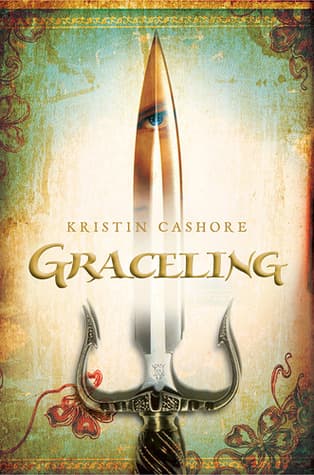
- Graceling
Kristin Cashore
4.1 (385k) average on GoodreadsFantasyShares the same world and some characters, similar themes of power, justice, and self-discovery.
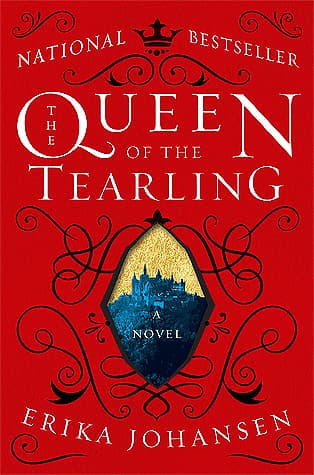
- The Queen of the Tearling
Erika Johansen
4.0 (83k) average on GoodreadsFantasyFeatures a young queen navigating political intrigue and discovering dark truths about her kingdom's past.
- Uprooted
Naomi Novik
4.1 (167k) average on GoodreadsFantasyFocuses on a young woman discovering hidden magic and confronting a corrupted, powerful entity's legacy.
- Throne of Glass
Sarah J. Maas
4.2 (596k) average on GoodreadsFantasyBitterblue offers a stark contrast to Sarah J. Maas's Throne of Glass series. Maas's work is characterized by fast-paced action, epic magical battles, and a more overt focus on a powerful female assassin's journey to reclaim her throne. Cashore's novel is far more introspective and political, emphasizing quiet investigation, ethical dilemmas, and the slow, difficult process of societal healing over grand magical showdowns. Bitterblue's protagonist relies on intellect and moral courage, rather than combat prowess, to solve her kingdom's problems, offering a different kind of strength.
- Harry Potter and the Sorcerer's Stone
J.K. Rowling
4.5 (7M) average on GoodreadsFantasyRescued from a miserable life under the stairs, an orphaned boy discovers he's a wizard destined for a magical school, where he uncovers a dangerous secret tied to the dark wizard who murdered his parents.
- The Hunger Games
Suzanne Collins
4.3 (6.4M) average on GoodreadsFantasyIn a future where children fight to the death on live television, Katniss Everdeen volunteers for the arena, turning a death sentence into a fight for survival and a spark of rebellion.




Enjoyed the summary?
A summary gives you the shape of the book. The book itself has the detail, the examples and the voice.
Find Bitterblue on AmazonAs an Amazon Associate, BookBrief earns from qualifying purchases. How we're funded