
Synopsis
Covers the whole plot, including the ending.
- Difficulty
- Medium
- Pacing
- Variable
- Mood
- Atmospheric, Melancholy, Grand, Reflective, Erotic
- Read it if
- You love rich, historical fantasy with philosophical undertones, intricate vampire lore, and a focus on character introspection and epic scope.
- Skip it if
- You prefer fast-paced action, clear-cut heroes and villains, or a simpler narrative without extensive historical detail and internal monologue.
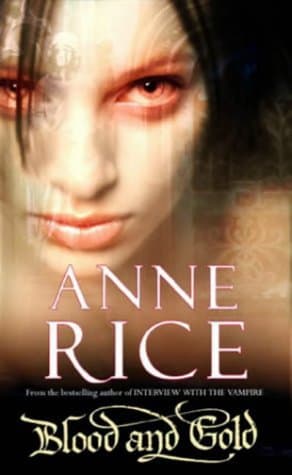
Blood And Gold Plot Summary
Covers the whole plot, including the ending.
Thorne's Awakening and the Summons to Maharet
The novel begins with Thorne, a Viking vampire, waking from a long, self-imposed sleep in a northern cave. He hears a psychic call from Maharet, an old vampire, to attend a gathering of the Children of the Millennium. Thorne feels a deep connection to Maharet, whom he believes made him, and travels across continents. His awakening is confusing; he struggles to connect his old memories with the modern world. He tells of his life as a mortal Viking, his transformation, and his decision to bury himself after much grief and disappointment with immortality. The summons is urgent, indicating a problem among the old vampires.
Marius's Mortal Life and Transformation in Ancient Rome
The story moves to Marius, a Roman senator and scholar during Augustus's time. He is an intellectual, focused on classical learning and philosophy. While traveling to Gaul, Celtic mystics kidnap him. These mystics, who practice an ancient blood religion, plan to sacrifice him to their god. However, their real goal is to force a powerful, ancient vampire, held captive by them for centuries, to turn Marius. This ancient vampire, later revealed as Akasha, against her will, gives Marius the Dark Gift. He wakes to his new life, horrified but also fascinated by his power and the strange world of the undead.
Guardianship of Those Who Must Be Kept
After his transformation, Marius receives a big responsibility. The Celtic mystics say that Akasha and her partner, Enkil, the first vampires, are in a catatonic state, but their lives are essential to all other vampires. Marius must protect them. He takes them from the mystics and hides them in a secluded, sun-proof place. This starts centuries of Marius's life spent caring for the immobile King and Queen, moving them around the world, keeping them safe, and studying their ancient mystery. He deals with their immense power and the loneliness of his new role, understanding that their fate is linked to his and all other vampires.
Love and Loss: Pandora in Ancient Rome
Centuries after his transformation, Marius meets Pandora, a beautiful and smart Roman woman from his mortal past. They reconnect, and Marius, despite not wanting to share his vampiric secret at first, eventually transforms her. Their love story unfolds in ancient Rome, a time of intellectual pursuits and pleasures. They share a strong bond, exploring their new lives together and traveling through the Roman Empire. However, their peaceful life ends when a jealous vampire, sent by a rival, attacks them. Pandora is taken from Marius, leaving him heartbroken and forever affected by her loss, a wound that never heals.
The Renaissance and Bianca's Betrayal
Marius finds new purpose as an art patron in Renaissance Venice, immersing himself in the period's beauty and creativity. He sets up a grand palazzo and commissions works from artists like Botticelli. During this time, he falls in love with Bianca Solderini, a beautiful courtesan. He transforms her, hoping for companionship and love again. However, Bianca, driven by jealousy and a desire for power, betrays him by telling other vampires his secrets, including Akasha and Enkil's existence. This betrayal forces Marius to leave Venice, leaving Bianca behind, deepening his distrust and adding to his history of loss and solitude.
Armand's Genesis: The Boy Amadeo
After leaving Venice, Marius travels to Florence, where he meets Amadeo, a beautiful young boy. Amadeo, a talented artist and street urchin, captures Marius's heart. Marius takes Amadeo in, teaching him art, philosophy, and how the world works. Their relationship is complex, combining paternal affection, mentorship, and a growing romantic connection. Eventually, Marius, seeing Amadeo's spirit and fearing for his mortal life, gives him the Dark Gift, turning him into the vampire later known as Armand. This act is one of deep love and a wish for companionship, but it also connects Marius to Armand's future struggles and his eventual leadership of the Parisian coven.
The Rise of the Parisian Coven and Armand's Departure
Marius and Armand live together for a time, but Armand eventually joins a more radical coven of vampires in Paris, led by Santiago. This coven has a strict view of vampirism, believing in destroying old vampires and following rigid rules. Marius, despite his worries and deep love for Armand, lets him leave, understanding that Armand must find his own way. This separation is painful for Marius, as he sees the potential harm and corruption of the Parisian coven. Armand's departure is another loss for Marius, leaving him alone again, though forever connected to his fledgling.
Marius's Isolation and the Talamasca's Scrutiny
For centuries, Marius continues his solitary life, moving 'Those Who Must Be Kept' around the world, always looking for new hiding places and avoiding detection. He becomes aware of the Talamasca, a secret society of scholars who study the supernatural. The Talamasca watches Marius and other vampires, often observing him from afar, documenting his movements and interactions. This constant watch adds tension to his life, making him constantly vigilant and secretive. He understands that while they are not hostile, their knowledge of his existence and his trust could be a threat if revealed, deepening his isolation and the burden of his ancient secret.
Akasha's Awakening and the Crisis of the Millennium
The story ends in the present with Akasha's awakening. Her centuries of stillness end, and she begins a violent rampage across the world, killing most male vampires and trying to create a new world order with herself as its goddess. This event is the 'crisis of the millennium' that caused Maharet's summons. Marius, having guarded Akasha for so long, is horrified by her actions and sees the extent of her power and madness. He joins other old vampires, including Maharet, Mekare, Thorne, Jesse, and others, in a desperate attempt to stop Akasha and save their species from her destructive plan.
The Gathering and the Confrontation at Maharet's Compound
Thorne, having finished his journey, arrives at Maharet's secluded compound in the jungle, where many old vampires have gathered. Here, Marius tells his entire life story, from his transformation to his guardianship of Akasha and Enkil, to the assembled elders. He reveals the history and nature of the Queen of the Damned, giving context for the crisis. The atmosphere is tense, filled with fear, despair, and a desperate hope for a solution. Akasha eventually arrives at the compound, bringing her new consort, Lestat, and confronts the assembled vampires. A confrontation happens, where the old vampires must decide how to stop Akasha's rule and keep the balance of their world.
Blood And Gold Characters
Marius de Romanus
Protagonist
An ancient Roman patrician and scholar, the reluctant guardian of Akasha and Enkil.
Marius is a highly intelligent, cultured, and introspective vampire, transformed in ancient Rome. He values art, philosophy, and beauty, often becoming a patron of the arts throughout history. Burdened by the responsibility of guarding Akasha and Enkil, he lives a largely solitary existence, marked by profound losses and a deep sense of duty. He is a 'sensualist' and a 'scholar,' always seeking knowledge and beauty, but also capable of immense power and violence when provoked. His long life is characterized by a search for meaning and companionship, constantly grappling with the paradox of his immortal existence.
Relationships: Akasha (Guardian and captive of the Queen of the Damned); Enkil (Guardian of the King of the Damned); Pandora (Lost love and fellow vampire); Bianca Solderini (Lover and betrayer); Armand (Amadeo) (Fledgling, adopted son, and lover); Thorne (Listener to his story, fellow ancient vampire)
Thorne
Supporting
A Viking vampire awakened from centuries of sleep, seeking his maker, Maharet.
Thorne is a powerful, ancient Viking vampire, characterized by his immense physical strength and a deep, almost primal connection to the earth and his ancient Nordic roots. He spent centuries in a self-imposed sleep, haunted by past traumas and a sense of disillusionment. His journey to Maharet's compound is driven by a powerful, psychic summons and a desire to understand his own origins and purpose. He is initially disoriented by the modern world but possesses a profound inner strength and loyalty, particularly towards Maharet, whom he regards as his 'maker.'
Relationships: Maharet (Revered elder, believed to be his maker); Marius (Fellow ancient vampire, whose story he listens to)
Akasha
Antagonist
The Queen of the Damned, the first vampire, who awakens to unleash global destruction.
Akasha is the original vampire, the source of the Dark Gift, and a figure of immense, terrifying power. She spent millennia in a catatonic state, guarded by Marius, but awakens in the modern era with a messianic complex. Believing she must cleanse the world of male aggression, she embarks on a genocidal rampage, killing male vampires and attempting to reshape humanity in her image. She is both beautiful and monstrous, a symbol of ancient power corrupted by madness and a distorted vision of divinity. Her actions drive the central conflict of the book.
Relationships: Enkil (Her consort, the King of the Damned); Marius (Her centuries-long guardian); Lestat (Her chosen consort in the modern era)
Enkil
Supporting
The King of the Damned, Akasha's consort, who remains catatonic for millennia.
Enkil is the King of the Damned, Akasha's original consort, who also received the Dark Gift alongside her. He spent millennia in a catatonic state, mirroring Akasha's condition, and was guarded by Marius alongside her. He is a silent, immobile figure, a symbol of the ancient origins of vampirism. His existence is intrinsically linked to Akasha's, and his presence, even in his dormant state, signifies the deep, ancient roots of their species. He represents the passive, foundational aspect of their shared power.
Relationships: Akasha (His Queen and consort); Marius (His centuries-long guardian)
Pandora
Supporting
Marius's lost love, a Roman patrician whom he transformed into a vampire.
Pandora is a beautiful, intelligent, and strong-willed Roman patrician woman from Marius's mortal past. She is transformed by Marius and becomes his beloved companion for centuries, sharing his intellectual pursuits and explorations of their new existence. Her loss, due to the machinations of a vengeful rival, leaves a profound and lasting scar on Marius, shaping his subsequent relationships and his deep-seated sense of solitude. She represents Marius's capacity for deep love and companionship, and her absence fuels his long-standing grief.
Relationships: Marius (Lover and maker)
Bianca Solderini
Supporting
A beautiful Renaissance courtesan transformed by Marius, who later betrays him.
Bianca Solderini is a captivating and ambitious courtesan in Renaissance Venice. Marius, drawn to her beauty and spirit, transforms her, hoping to find love and companionship after Pandora's loss. However, Bianca proves to be jealous and manipulative, eventually betraying Marius by revealing his secrets to other vampires. Her actions force Marius to flee Venice and deepen his cynicism regarding love and trust among his kind. She represents a painful lesson for Marius in the complexities and dangers of vampiric relationships.
Relationships: Marius (Lover and maker)
Armand (Amadeo)
Supporting
A young, gifted boy transformed by Marius, who becomes the leader of a Parisian coven.
Amadeo, later known as Armand, is a beautiful and sensitive young artist discovered by Marius in Renaissance Florence. Marius nurtures his talents and eventually transforms him into a vampire. Armand is deeply devoted to Marius but later seeks his own path, joining a fanatical coven in Paris. He embodies a blend of innocence and ancient wisdom, struggling with his identity and the rigid doctrines of his new coven. His relationship with Marius is central to both their character developments, marked by deep affection and eventual painful separation.
Relationships: Marius (Maker, adopted father, and former lover); Santiago (Leader of the Parisian coven he joins)
Maharet
Supporting
One of the oldest and most powerful vampires, a wise and ancient elder.
Maharet is an incredibly ancient and powerful vampire, one of the 'Children of the Millennium,' whose origins predate Akasha. She possesses immense wisdom, a deep connection to the earth, and an encyclopedic knowledge of vampiric history. She is a maternal figure to many, including Thorne, and plays a crucial role in gathering the ancient vampires to confront Akasha. Her calm demeanor and profound insight make her a central figure in the crisis, guiding the others with her ancient perspective and unwavering resolve.
Relationships: Mekare (Her twin sister); Thorne (Revered elder, whom Thorne believes to be his maker); Marius (Fellow ancient vampire, whose story she hears)
Mekare
Supporting
Maharet's twin sister, an ancient and powerful vampire, driven by a centuries-old vow.
Mekare is Maharet's twin sister, equally ancient and powerful, but with a more primal and vengeful nature. She was the one who cursed Akasha in ancient times, leading to Akasha's initial transformation. For millennia, she has been in a state of self-imposed silence and isolation, carrying the burden of her ancient vow and her connection to Akasha. Her presence is a powerful, silent force, and her ultimate role in the climax is critical to the resolution of Akasha's reign. She embodies ancient vengeance and a deep, unyielding connection to her sister.
Relationships: Maharet (Her twin sister); Akasha (Her ancient adversary, whom she cursed)
Mael
Supporting
An ancient Celtic vampire, a former Druid, who plays a role in Marius's transformation.
Mael is an ancient Celtic vampire, a former Druid, who was one of the mystics responsible for Marius's transformation. He is a brooding, intense figure, often appearing to Marius throughout the centuries. He carries the weight of his ancient past and his connection to the original turning of Akasha and Enkil. His character represents the ancient, darker, and more pagan aspects of vampirism, contrasting with Marius's more refined sensibilities. He is a constant, sometimes ominous, presence in Marius's long life.
Relationships: Marius (Instrumental in his transformation, a recurring presence); Maharet (Fellow ancient vampire)
Blood And Gold Themes
Immortality and the Burden of Time
The novel explores the psychological and emotional cost of immortality. Marius, Thorne, and other old vampires deal with endless time, losing loved ones, a changing world, and accumulating grief. Marius's centuries-long care for Akasha and Enkil, his repeated losses of Pandora and Armand, and Thorne's self-imposed sleep all show the isolation and weariness that come with eternal life. The theme also touches on the challenge of keeping one's identity and purpose over millennia, as memories fade and civilizations rise and fall.
“For the immortal, the past is never truly past; it is a tapestry that grows ever more intricate, ever more heavy.”
Love, Loss, and Companionship
A main theme is the search for love and companionship amidst the loneliness of vampiric existence. Marius's deep love for Pandora, his attempts to build a life with Bianca, and his bond with Amadeo (Armand) show his desire for connection. Each relationship, however, ends in loss, betrayal, or separation, leaving Marius heartbroken. This shows how fragile love is when faced with immortality and the dangers of sharing the Dark Gift, as well as the challenges of finding a kindred spirit who can last through centuries.
“To love in this life is to know the profoundest agony when that love is taken from you.”
Art, Beauty, and Intellectual Pursuit
Marius, as a scholar and art patron, shows the theme of seeking beauty and knowledge. His life includes immersion in various cultures, from Roman philosophy to Renaissance art. He funds artists like Botticelli, collects artifacts, and constantly tries to understand the world. This pursuit of beauty and intellect balances the violence and loneliness of his vampiric nature, giving him purpose and comfort. It reflects how individuals might find meaning in art and intellect.
“Beauty was my solace, my reason, my enduring passion in a world that often seemed devoid of either.”
Responsibility and Duty
Marius's life is shaped by the responsibility given to him: guarding Akasha and Enkil, 'Those Who Must Be Kept.' This duty determines his movements, his hiding places, and his constant watch, often at the expense of his own desires. The theme explores the weight of such a trust and the sacrifices it demands. It also extends to the collective responsibility of the old vampires to protect their species from Akasha's destructive plans, forcing them to unite despite their differences.
“The burden of the King and Queen was greater than any empire, any crown. It was the very pulse of our kind.”
The Nature of Power and Corruption
The novel examines the corrupting influence of great power through Akasha. Her awakening and rampage show how absolute power, combined with ancient madness, can lead to tyranny and destruction. Her belief in her own divinity and her attempts to impose a totalitarian vision reflect the dangers of unchecked power. Conversely, Marius's struggle to use his power responsibly, to protect rather than destroy, serves as a moral contrast, showing the choices involved in having such strength.
“Power, unchecked by wisdom, becomes a monstrous thing, consuming all in its path.”
Plot Devices & Literary Techniques
First-Person Retrospective Narration (Marius)
Marius recounts his entire life story to Thorne and other ancient vampires.
The majority of the novel is told through Marius's first-person perspective as he recounts his millennia-long life to Thorne and the assembled ancient vampires at Maharet's compound. This device allows for a deeply personal and detailed exploration of his experiences, thoughts, and emotions across vast stretches of history. It provides an intimate look into the ancient world and the development of vampiric lore from a primary source. The retrospective nature emphasizes Marius's weariness and the weight of his memories, as he unburdens himself of his long-held secrets and griefs, providing context for the current crisis.
Frame Narrative (Thorne's Journey)
Thorne's journey to Maharet's compound frames Marius's central narrative.
The story begins and ends with Thorne's perspective, acting as a frame for Marius's extensive historical account. Thorne's awakening and his journey to Maharet's gathering provide the initial impetus and context for the larger narrative. He serves as the audience surrogate, listening to Marius's story alongside the reader. This device allows for a gradual unfolding of the crisis among the ancient vampires, building suspense and providing a contemporary anchor point for the ancient history being recounted. Thorne's own fragmented memories and eventual understanding parallel the reader's discovery of the vampiric world.
The King and Queen of the Damned (Akasha and Enkil)
The original vampires, whose existence is intrinsically linked to all other vampires.
Akasha and Enkil are not merely characters but also a central plot device. Their catatonic state for millennia and their subsequent awakening drive the entire plot. Their existence acts as the origin point for all vampires, and their health directly affects the vitality of the entire species. Marius's guardianship of them for centuries is his defining role, and their reawakening precipitates the 'crisis of the millennium.' They embody the ancient, foundational mystery of vampirism and serve as a constant source of tension and responsibility for Marius and, ultimately, for all other vampires.
Psychic Communication / The Voice of the Blood
Vampires communicate telepathically and share a collective consciousness.
Vampires possess the ability to communicate telepathically, referred to as 'the Voice of the Blood.' This device is crucial for plot advancement, particularly in summoning Thorne and other ancients to Maharet's compound. It allows for instant, silent communication across distances and provides insight into the shared consciousness and interconnectedness of the vampire species. Akasha's awakening is felt by all vampires through this psychic link, creating a collective sense of dread and urgency. It also enables the deep, unspoken bonds and understandings between characters like Marius and Armand.
Blood And Gold Quotes
“I am Marius, and I have lived for two thousand years. I have seen empires rise and fall, and I have loved and lost more than any mortal could bear.”
“The blood is the life, and it is also the curse. We drink to survive, but in doing so, we forfeit our humanity.”
“Rome was not built in a day, but it burned in one. And I was there to see it all.”
“In the silence of the night, I hear the whispers of the dead, and they tell me stories that no living soul could ever know.”
“Gold may glitter, but blood holds the true power. It is the currency of our kind, the essence of our being.”
“I have walked through the ages, a ghost among men, forever watching, never truly belonging.”
“The beauty of art is that it outlives its creator. In paintings and sculptures, I find a semblance of eternity that even I cannot possess.”
“Love is a flame that burns brightly but briefly. For us, it is a slow, consuming fire that never truly dies.”
“I have seen kings and beggars alike fall to the same fate. In the end, we are all just stories waiting to be told.”
“The night is my cloak, and the shadows are my companions. In darkness, I find a freedom that the day can never offer.”
“Memory is both a treasure and a prison. I carry the weight of centuries in my mind, and it is a burden I cannot shed.”
“We are not monsters by choice, but by necessity. The hunger defines us, and in that definition, we lose ourselves.”
“In the grand tapestry of history, I am but a single thread, woven through time, connecting past to present.”
“The thirst is never quenched, the desire never sated. It is the eternal paradox of our existence.”
Quiz
10 questions on the plot and the characters. Each answer comes with a short explanation.
Question 1
What is the primary setting where Marius's story begins in ancient times?
- Ancient Greece
- Ancient Rome during Emperor Augustus's reign
- Medieval Europe
- Ancient Egypt
Show answer
B. Ancient Rome during Emperor Augustus's reign Marius's origin story in 'Blood and Gold' starts in ancient Rome under Emperor Augustus, establishing his patrician background and early life before becoming a vampire.
Question 2
Who is Thorne searching for when he meets Marius in the present day?
- Pandora
- Maharet, the ancient Egyptian vampire queen
- Armand
- Botticelli
Show answer
B. Maharet, the ancient Egyptian vampire queen Thorne is a Northern vampire seeking Maharet, his maker, who is described as an ancient Egyptian vampire queen with red hair bound with 'steel and her blood and gold'.
Question 3
What event from ancient history does Marius witness that involves the sacking of a city?
- The fall of Constantinople
- The Visigoths sacking Rome
- The Visigoths sacking his city
- The Viking invasions
Show answer
C. The Visigoths sacking his city Marius experiences the Visigoths sacking his city, a key historical event in the book that impacts his immortal life and underscores the historical fiction elements.
Question 4
What is the name Marius gives to the boy who later becomes known as the Vampire Armand?
- Lestat
- Amadeo
- Mael
- Thorne
Show answer
B. Amadeo Marius calls the boy Amadeo, who is later known as Armand, a central character in Anne Rice's Vampire Chronicles, highlighting Marius's role as a maker and guardian.
Question 5
Which Renaissance artist is mentioned as bewitching Marius during his long existence?
- Leonardo da Vinci
- Michelangelo
- Botticelli
- Raphael
Show answer
C. Botticelli Botticelli is specified in the book description as captivating Marius, reflecting the novel's blend of vampire lore with historical and artistic elements from the Renaissance.
Question 6
What organization tracks Marius and other vampires throughout the story?
- The Inquisition
- The Talamasca
- The Vatican
- The Knights Templar
Show answer
B. The Talamasca The Talamasca is a secret society in Anne Rice's universe that studies supernatural beings, and they are mentioned as tracking Marius, adding to the suspense and interconnectedness of the series.
Question 7
Who is described as Marius's 'alter ego' in the book?
- Thorne
- Mael
- Pandora
- Maharet
Show answer
B. Mael Mael is referred to as Marius's alter ego, indicating a deep connection or duality between these characters, possibly reflecting shared traits or conflicts in their vampire existences.
Question 8
What is the significance of the phrase 'blood and gold' in the context of Maharet's control over others?
- It refers to her wealth and political power
- It symbolizes the bonds made with her red hair, steel, blood, and gold
- It describes the currency used in ancient Egypt
- It represents the colors of her vampire coven
Show answer
B. It symbolizes the bonds made with her red hair, steel, blood, and gold The phrase 'blood and gold' is tied to Maharet's mystical chains made of her red hair, bound with steel and infused with her blood and gold, symbolizing her powerful and enchanting hold over vampires like Thorne.
Question 9
Which character is Marius constantly haunted by throughout his long life?
- Bianca
- Pandora
- Armand
- Botticelli
Show answer
B. Pandora Marius is haunted by Pandora, his lost love, which drives much of his emotional journey and search across centuries, emphasizing themes of love, loss, and immortality.
Question 10
What role does Marius adopt regarding 'those who must be kept'?
- He is their destroyer
- He is their historian
- He is their guardian
- He is their maker
Show answer
C. He is their guardian Marius styles himself as the guardian of 'those who must be kept,' a crucial responsibility in the vampire world that defines his character and actions throughout the novel.
Blood And Gold FAQ
What is 'Blood and Gold' about?
'Blood and Gold' chronicles the life of Marius, one of the oldest vampires, from his genesis in ancient Rome under Emperor Augustus to the present day. The narrative follows his eternal search for his lost love Pandora, his guardianship of 'Those Who Must Be Kept,' and his encounters with figures like the Renaissance beauty Bianca and the vampire Armand (whom he calls Amadeo). The story intersects with other vampires from Anne Rice's universe, including Thorne's quest for the ancient Egyptian queen Maharet.
Why should I read 'Blood and Gold'?
This novel offers a rich, immersive dive into vampire lore and history, spanning from ancient Rome to the Renaissance and beyond. It deepens the backstory of Marius, a pivotal character in Anne Rice's Vampire Chronicles, exploring themes of immortality, love, and power through lush, gothic prose. Fans of historical fiction and dark fantasy will appreciate its intricate plotting and connections to Rice's broader pantheon of undead characters.
What is the background/setting of 'Blood and Gold'?
The setting spans millennia, beginning in ancient Rome during the reign of Emperor Augustus, moving through the sack of Rome by the Visigoths, and into the Renaissance era with appearances by figures like Botticelli. Key locations include Rome, Venice, and Northern Europe, with the narrative criss-crossing through various historical periods that shape Marius's immortal existence and his interactions with other vampires.
What are the most memorable quotes?
Memorable quotes include Marius's reflection on immortality: 'I am patrician by birth, scholar by choice, one of the oldest vampires of them all,' and the evocative description of Maharet's power: 'bound with steel and with her blood and gold.' These lines capture the novel's themes of identity, eternity, and the haunting allure of the vampire world.
What writing style does the author use?
Anne Rice employs a lush, gothic, and descriptive prose style, rich with historical detail and emotional depth. The narrative is introspective, often delving into Marius's philosophical musings on immortality and love, while maintaining a sinister and atmospheric tone that enhances the dark fantasy elements of the story.
What minor details add significant meaning?
Minor details like Marius's self-styled role as 'guardian of those who must be kept' underscore his sense of duty and isolation. The recurring motif of Maharet's red hair, described as chains 'bound with steel and with her blood and gold,' symbolizes the inescapable bonds of creation and loyalty among vampires, adding layers to the novel's exploration of power and connection.
What are some subtle foreshadowing moments?
Early references to Marius's lost love Pandora foreshadow his eternal search for her, which drives much of the plot. The introduction of Thorne's quest for Maharet hints at the interconnected fates of vampires across time, subtly setting up the novel's criss-crossing narratives and the eventual revelations about ancient vampire lineages.
What unexpected character connections exist?
Unexpected connections include Marius's relationship with Armand, whom he initially knows as Amadeo, linking to Armand's own tragic backstory. The tale also ties into Thorne's search for Maharet, revealing how ancient vampires like Maharet influence others across centuries, creating a web of dependencies and histories that enrich the Vampire Chronicles universe.
What are unspoken character motivations?
Marius's unspoken motivation is his deep-seated loneliness and desire for redemption, driving his guardianship and search for Pandora. Bianca's sordid secrets hint at hidden vulnerabilities and a craving for acceptance in the vampire world, while Thorne's quest for Maharet is fueled by a primal need to understand his origins and break free from her mystical bonds.
What psychological complexities do characters exhibit?
Marius exhibits complexity through his dual identity as a scholar and predator, grappling with the moral weight of immortality. Bianca's character reveals layers of trauma and allure, reflecting the dark seduction of vampire existence. Thorne's obsession with Maharet showcases the psychological impact of creation myths and the search for meaning in an eternal life.
What are the major emotional turning points?
Major emotional turning points include the sack of Rome by the Visigoths, which reinforces Marius's sense of loss and impermanence. His bewitchment by Bianca during the Renaissance marks a shift in his romantic entanglements, while his ongoing hauntings by Pandora and alter ego Mael represent internal conflicts that shape his journey toward self-acceptance.
How do relationship dynamics evolve?
Marius's relationship with Armand evolves from a paternal bond with Amadeo to a complex rivalry and connection as Armand embraces his vampire nature. His interactions with Bianca transition from enchantment to disillusionment, mirroring his eternal struggle with love. The dynamic with Maharet, though indirect through Thorne's quest, highlights the hierarchical and often oppressive ties between makers and their progeny.
Which parts remain ambiguous or open-ended?
The ultimate fate of Marius's search for Pandora is left ambiguous, reflecting the endless nature of vampire existence. The true extent of Maharet's power and her connections to other ancient vampires remain partly shrouded in mystery, inviting interpretation about the origins and limits of vampire lore in Rice's universe.
What are controversial scenes or decisions?
Controversial scenes include Marius's guardianship of 'Those Who Must Be Kept,' which raises ethical questions about power and control. His romantic entanglements, such as with Bianca and his paternal relationship with Amadeo/Armand, spark debate about consent and manipulation in immortal relationships, given the age and power disparities involved.
'Blood and Gold' ending explained: how it ends & what it means
The novel ends with Marius in the present day, still haunted by his past and searching for meaning, as he meets Thorne, a vampire in search of Maharet. This conclusion emphasizes the cyclical nature of vampire existence—eternal quests and unresolved desires—suggesting that immortality is both a curse and a journey without final resolution, tying into broader themes of the Vampire Chronicles.
About the author

Anne Rice was an American author of gothic fiction, erotic literature, and Christian literature. She was best known for her series of novels The Vampire Chronicles. The first book became the subject of a film adaptation—Interview with the Vampire (1994).
Similar books
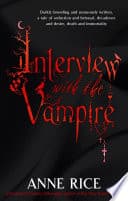
- Interview With The Vampire
Anne Rice
4.0 (485k) average on GoodreadsFantasyExplores vampire existence through a first-person narrative, delving into their history and moral complexities.
- The Historian
Elizabeth Kostova
3.8 (242k) average on GoodreadsThrillerCombines historical research with a supernatural quest, featuring ancient evils and a vast, sprawling narrative.
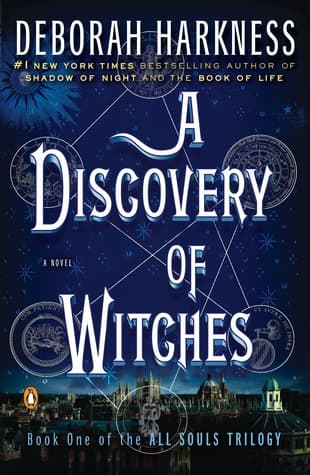
- A Discovery of Witches
Deborah Harkness
4.0 (369k) average on GoodreadsFantasyFeatures ancient, powerful supernatural beings, historical settings, and a focus on forbidden love and arcane knowledge.
- Twilight
Stephenie Meyer
3.9 (842) average on GoodreadsLiterary FictionRice's Blood and Gold offers a more profound psychological and philosophical exploration of immortality's burden, dealing with complex ethical dilemmas and historical sweep, contrasting with Twilight's focus on contemporary adolescent romance and simpler moral dichotomies. Rice's vampires are cultured, tragic figures whose monstrosity is intertwined with their humanity, unlike Meyer's often outwardly monstrous but internally conflicted characters.
- Harry Potter and the Sorcerer's Stone
J.K. Rowling
4.5 (7M) average on GoodreadsFantasyRescued from a miserable life under the stairs, an orphaned boy discovers he's a wizard destined for a magical school, where he uncovers a dangerous secret tied to the dark wizard who murdered his parents.
- The Hunger Games
Suzanne Collins
4.3 (6.4M) average on GoodreadsFantasyIn a future where children fight to the death on live television, Katniss Everdeen volunteers for the arena, turning a death sentence into a fight for survival and a spark of rebellion.




Enjoyed the summary?
A summary gives you the shape of the book. The book itself has the detail, the examples and the voice.
Find Blood And Gold on AmazonAs an Amazon Associate, BookBrief earns from qualifying purchases. How we're funded