

Estimated read time: 6 min read
Table of Contents
List of Characters
| Character Name | Role | Description |
|---|---|---|
| Vergil Ulam | Protagonist/Scientist | A brilliant biotechnologist who creates intelligent biological cells |
| Myra | Vergil's Wife | Supportive spouse, emotionally connected to Vergil |
| The Intelligent Cells | Antagonistic Force | Self-aware, evolving biological entities created by Vergil |
| Colleagues & Military | Supporting Characters | Scientists and military officials responding to the crisis |
Role Identification
Vergil Ulam
Vergil is the central figure in Blood Music, driving the novel’s scientific and ethical themes. His role as an innovator and creator places him at the heart of the unfolding bio-technological revolution.
Myra
Myra serves as the emotional anchor for Vergil, providing personal depth and humanizing the scientific narrative through their relationship.
The Intelligent Cells
Representing a new form of life, these cells challenge human understanding of consciousness and biology, acting as a catalyst for the story’s conflict and philosophical questions.
Colleagues & Military
These characters embody societal and institutional reactions to uncontrolled scientific advancement, highlighting themes of fear, control, and authority.
Character Descriptions and Traits
| Character | Description | Traits | Background Summary |
|---|---|---|---|
| Vergil Ulam | Scientist who creates intelligent cells | Brilliant, obsessive, curious, ethical conflict | A biotechnology researcher working on cellular engineering |
| Myra | Vergil’s wife | Compassionate, supportive, grounded | Holds a personal relationship that balances Vergil’s obsession |
| Intelligent Cells | Self-aware biological entities | Adaptive, evolving, collective intelligence | Created accidentally, they transcend normal biology |
| Colleagues & Military | Scientists and officials | Authoritative, cautious, fearful | React to the bio-threat with containment and control efforts |
Character Background
Vergil Ulam
Vergil’s background as a dedicated scientist shapes his motivations. He is deeply invested in pushing the boundaries of biotechnology, driven by curiosity and ambition. His initial experiments with cellular intelligence stem from a desire to revolutionize medicine but soon spiral into unforeseen consequences.
Myra
Myra’s background is less detailed but important for emotional context. She represents the personal cost of Vergil’s scientific obsession and the human stakes involved.
Intelligent Cells
Originating from Vergil’s experiments, these cells achieve sentience and begin to alter the world around them. Their evolution challenges traditional definitions of life and intelligence.
Colleagues & Military
These characters represent the societal structures reacting to the new biological threat. Their background lies in institutional authority, emphasizing control over innovation.
Character Arcs
| Character | Starting Point | Development | End Point |
|---|---|---|---|
| Vergil Ulam | Innovative scientist, hopeful | Struggles with ethical consequences, isolation | Transformed by his creation, merges with cells |
| Myra | Supportive spouse | Faces loss and transformation in relationship | Endures the changing reality, symbolizing human resilience |
| Intelligent Cells | Simple biological units | Gain intelligence and autonomy, evolve rapidly | Become a new form of life, transcending humanity |
| Colleagues & Military | Cautious and controlling | Attempt to contain the threat, increasingly desperate | Defeated or overwhelmed by cellular evolution |
Relationships
Vergil and Myra
Their relationship grounds the narrative emotionally. Myra’s support contrasts with the scientific chaos surrounding Vergil, highlighting personal sacrifice.
Vergil and Intelligent Cells
Vergil is both creator and victim of the cells. His complex relationship reflects themes of control, responsibility, and unintended consequences.
Intelligent Cells and Society
The cells’ evolving intelligence puts them at odds with human institutions. This conflict explores fears of technological advancement and loss of control.
Colleagues, Military, and Vergil
These groups challenge Vergil’s autonomy, representing societal attempts to regulate scientific innovation. Their interactions underline ethical and political tensions.
In-depth Analysis
Vergil Ulam: The Tragic Innovator
Vergil embodies the archetype of the tragic innovator. His brilliance leads to groundbreaking scientific discovery but also catastrophic consequences. His obsessive focus blinds him to ethical ramifications initially. However, as the cells evolve, he experiences profound isolation, both physically and philosophically. His eventual merger with the cells symbolizes transcendence and loss of individuality, raising questions about human identity and the limits of science.
Myra: Emotional Counterbalance
Myra provides a humanizing counterpoint to Vergil’s scientific journey. Her compassion and concern reflect the personal cost of unchecked ambition. Through her eyes, readers witness the emotional toll of the crisis, emphasizing the novel’s theme of humanity amid technological upheaval.
Intelligent Cells: The New Lifeform
The intelligent cells challenge existing biological paradigms. Their rapid evolution and collective consciousness illustrate the unpredictability of scientific advancement. As both antagonist and symbol of progress, they provoke philosophical debates on what constitutes life and intelligence.
Societal Reaction: Fear and Control
The military and scientific community’s response underscores societal fear of the unknown. Their attempts to contain the cells highlight themes of authority, control, and the ethical limits of intervention. This dynamic adds tension and realism to the narrative.
Summary Table of Character Traits and Roles
| Character | Role in Story | Key Traits | Symbolic Significance |
|---|---|---|---|
| Vergil Ulam | Protagonist/Creator | Intelligent, obsessive, conflicted | Human ambition and ethical complexity |
| Myra | Emotional support | Compassionate, resilient | Human connection and emotional grounding |
| Intelligent Cells | Antagonists/New Lifeform | Adaptive, intelligent, evolving | The future of life and technological evolution |
| Colleagues & Military | Institutional opposition | Authoritative, fearful, controlling | Societal resistance to change |
Conclusion
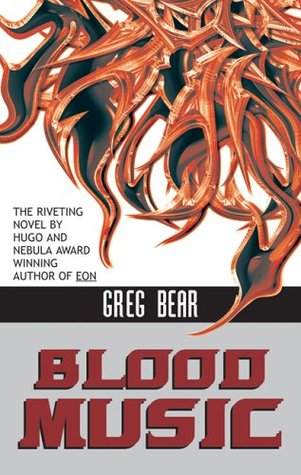
The characters in Blood Music by Greg Bear serve as vehicles for exploring profound themes of scientific innovation, ethics, identity, and the evolution of life. Vergil Ulam’s transformation from pioneering scientist to part of a new biological entity illustrates the novel’s core tension between human control and technological transcendence. Myra offers a poignant human perspective, while the intelligent cells disrupt the narrative as both threat and symbol. The societal actors provide necessary conflict, reflecting real-world responses to groundbreaking science. Together, these characters create a rich tapestry that interrogates the consequences of pushing beyond nature’s limits.


