
Estimated read time: 7 min read
One Sentence Summary
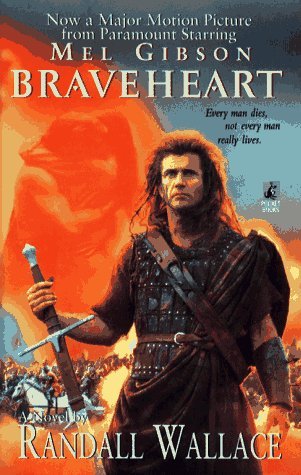
"Braveheart" by Randall Wallace tells the story of William Wallace, a Scottish warrior who leads his countrymen in a rebellion against English oppression in the 13th century.
Table of Contents
Introduction
Braveheart, penned by Randall Wallace, is a stirring historical novel that breathes life into one of Scotland’s most iconic figures, William Wallace. The book transcends mere retelling; it immerses readers in the turbulent 13th-century Scotland, where valor, freedom, and sacrifice intertwine. Although many recognize Braveheart as a blockbuster film, Wallace’s novel offers a richer, more nuanced narrative. This summary delves into the layers of the book, unpacks its historical context, and explores the emotional depth and literary craftsmanship that make it an essential read for students and lecturers alike.
Historical Context
Set in the late 1200s, Braveheart unfolds against the backdrop of Scotland under English occupation. This era was marked by political upheaval, feudal conflicts, and an unyielding struggle for sovereignty. The death of King Alexander III in 1286 left Scotland without a clear heir, ushering in a period of instability and contest for the throne. England, under King Edward I, sought to dominate Scotland, igniting fierce resistance.
William Wallace emerged as a symbol of this resistance, a commoner turned warrior who challenged the might of the English crown. His story, part legend and part historical fact, encapsulates the universal themes of freedom and justice. Wallace’s real-life exploits inspired generations and continue to resonate in discussions about national identity and rebellion.
Brief Synopsis
Plot Overview
At its core, Braveheart is the saga of William Wallace’s transformation from a young, unassuming man into a legendary leader of Scottish independence. The narrative traces his personal tragedies, his awakening to oppression, and the rallies of clans under his banner. While the book dramatizes events for emotional impact, it remains rooted in the historical fight against English subjugation.
Setting
The novel’s setting spans the rugged Highlands and the politically charged lowlands of Scotland, as well as the imposing castles and battlefields that define the era. The atmosphere is one of harsh survival, loyalty, and the grim realities of medieval warfare. The vivid descriptions transport readers to a time where honor and bravery were often the only shields against tyranny.
Main Characters
| Name | Role | Key Traits | Importance to the Plot |
|---|---|---|---|
| William Wallace | Protagonist, Scottish rebel | Courageous, passionate, strategic | Central figure leading the fight for freedom |
| Murron MacClannough | Wallace’s love interest | Loyal, strong-willed | Catalyst for Wallace’s rebellion |
| Robert the Bruce | Scottish nobleman | Ambitious, conflicted | Represents political complexities of the independence movement |
| King Edward I | Antagonist, English king | Ruthless, authoritative | Embodies English oppression |
| Hamish | Wallace’s friend and ally | Brave, loyal | Provides emotional grounding and support |
Plot Summary
Early Life and Personal Loss
The narrative opens with William Wallace’s childhood, marked by the loss of his father and uncle, victims of English cruelty. This early trauma ignites in him a fierce desire for justice. His marriage to Murron MacClannough introduces a tender human element, grounding Wallace’s motivations in personal love and loss.
The Spark of Rebellion
Murron’s tragic death at the hands of English soldiers becomes the turning point. Wallace’s grief transforms into a relentless crusade against English rule. He begins by leading small bands in guerrilla warfare, gradually uniting disparate clans with a shared vision of freedom.
The Rise of a Leader
Wallace’s leadership qualities come to the fore as he orchestrates daring raids and inspires hope. The Battle of Stirling Bridge, a pivotal moment, showcases his strategic genius and solidifies his status as a national hero. The novel captures the tension and exhilaration of these confrontations, highlighting both victory and the heavy cost of war.
Political Intrigue and Challenges
The story also delves into the political landscape, with figures like Robert the Bruce embodying the complex loyalties and ambitions of the time. Wallace’s idealism occasionally clashes with the pragmatism of other nobles, underscoring the internal divisions within the Scottish resistance.
Capture and Legacy
The closing chapters, while avoiding explicit spoilers, reflect on Wallace’s eventual capture and martyrdom. The novel emphasizes his enduring legacy, portraying his death as a catalyst that galvanized Scotland’s continued fight for independence.
Themes and Motifs
Freedom and Sacrifice
At its heart, Braveheart champions the struggle for freedom against overwhelming odds. Wallace’s journey underscores the sacrifices required to achieve liberty, resonating with broader themes of justice and human dignity.
National Identity
The novel explores what it means to be Scottish in a time of foreign domination. The clash between English imperialism and Scottish nationalism raises questions about cultural survival and pride.
Love and Motivation
Wallace’s personal relationships, especially with Murron, humanize the grand narrative. Love serves both as a source of strength and vulnerability, driving the protagonist’s actions.
Heroism and Legacy
Wallace embodies the archetype of the tragic hero, whose valor inspires future generations. The motif of martyrdom and remembrance permeates the story, highlighting how individual courage can influence collective history.
Literary Techniques and Style
Randall Wallace employs a dynamic narrative style that balances historical detail with emotional depth. The prose is vivid yet accessible, weaving in dialogue that reflects the period’s language without alienating modern readers.
Symbolism
The use of symbols, such as the blue face paint (woad) and the Scottish thistle, enriches the text, reinforcing themes of identity and resistance.
Realism and Romanticism
While grounded in historical events, the novel embraces romanticized elements to heighten drama. This blend creates a compelling tension between fact and myth, inviting readers to reflect on the nature of historical storytelling.
Narrative Structure
The book follows a largely chronological order but intersperses flashbacks and foreshadowing to build suspense. This structure helps maintain reader engagement over the detailed historical exposition.
Author's Background
Randall Wallace, a screenwriter and novelist, is renowned for his work on the Braveheart film, for which he wrote the screenplay. His deep interest in Scottish history and passion for storytelling shaped the novel’s creation. Wallace’s background in film contributes to the book’s cinematic quality, with vivid scenes and strong character arcs.
Beyond Braveheart, Wallace’s oeuvre includes works that explore themes of courage, faith, and redemption, reflecting his commitment to narratives that inspire and challenge readers. His ability to blend historical accuracy with emotional resonance has earned him respect among historians and literary audiences alike.
Key Takeaways
- Understanding of Scottish history through a personal lens.
- Insight into the complexities of rebellion and leadership.
- Exploration of themes of freedom, sacrifice, and identity.
- Appreciation for the blend of historical fact and narrative fiction.
- Recognition of the power of storytelling to preserve legacy.
Reader’s Takeaway
Braveheart offers more than an epic tale of war; it invites readers to ponder the costs and rewards of standing up for one’s beliefs. The novel’s emotional depth, combined with its historical richness, provides a fulfilling intellectual and empathetic experience. Students and lecturers alike can find in Wallace’s work a valuable resource for discussing nationalism, heroism, and the art of historical narrative.
Conclusion
Randall Wallace’s Braveheart is a profound tribute to William Wallace and the spirit of Scottish independence. Its masterful storytelling, grounded in historical reality yet elevated by human drama, makes it a compelling read for anyone interested in history, literature, or the enduring quest for freedom. This summary encourages readers to delve into the full novel to experience the passion and resilience that define Wallace’s legacy.
By exploring Braveheart through this detailed summary, readers gain a comprehensive understanding of the novel’s significance. It is a remarkable blend of history and narrative art that continues to inspire and educate, making it an indispensable addition to academic and personal libraries alike.
Braveheart FAQ
What is the book 'Braveheart' by Randall Wallace about?
'Braveheart' is a historical novel that tells the story of William Wallace, a Scottish warrior who led his countrymen in the First War of Scottish Independence against English rule in the late 13th century.
Is 'Braveheart' based on true events?
Yes, 'Braveheart' is based on real historical events and the life of William Wallace, although some elements are fictionalized for dramatic effect.
How closely does the book follow the movie 'Braveheart'?
The book was written by Randall Wallace, who also wrote the screenplay for the movie. While both share the same central story, the book provides more detailed historical context and character development.
What themes are explored in 'Braveheart'?
The novel explores themes of freedom, patriotism, sacrifice, leadership, and the struggle against oppression.
Who is the target audience for 'Braveheart'?
The book is suitable for readers interested in historical fiction, Scottish history, and epic tales of heroism.
Does the book include historical notes or references?
Yes, the book includes historical notes that provide context and clarify which parts are based on historical facts and which are fictionalized.
Where can I purchase or read 'Braveheart' by Randall Wallace?
'Braveheart' is available for purchase at most major bookstores, online retailers, and may also be available at libraries.


