

Synopsis
Covers the whole plot, including the ending.
- Difficulty
- Easy
- Pacing
- Moderate
- Mood
- Humorous, Relatable, Witty, Lighthearted
- Read it if
- You love British humor, relatable romantic comedy heroines, and stories about self-discovery amidst dating disasters.
- Skip it if
- You dislike internal monologues, cringe comedy, or narratives focused on a protagonist's weight and appearance.
Bridget Jones's Diary Plot Summary
Covers the whole plot, including the ending.
New Year's Day Resolutions and a Disastrous Introduction
Bridget Jones, a single woman in her thirties in London, begins her new year by writing down her resolutions: lose weight, stop smoking, drink less, and find a sensible boyfriend. Her parents take her to a New Year's Day turkey curry buffet, where she meets Mark Darcy, a lawyer who is the son of family friends. Bridget thinks he is arrogant and boring, especially after she hears him call her a 'singleton' who has 'appalling parents'. This first meeting makes her dislike him immediately, even though her mother tries to set them up.
The Allure of Daniel Cleaver and a Flirtatious Email Exchange
Bridget then focuses on her charming boss, Daniel Cleaver, at the publishing house where she works. Despite her resolutions, she is attracted to his flirting. Their relationship begins with suggestive emails, which Bridget writes in her diary. Daniel's charm and interest make Bridget feel excited, offering an escape from her dull office life and her parents' constant pressure to settle down. She is very taken with him, believing she has found the 'sensible boyfriend' she wanted, but she ignores signs that he is not a good person.
The Weekend Getaway and a Shocking Revelation
Bridget and Daniel go away for a romantic weekend. Bridget is very excited, thinking their relationship is serious. However, the trip is ruined when Bridget finds Daniel's wife, Natasha, in their bed. The discovery that Daniel is married and cheating on his wife with Bridget upsets her greatly. She confronts Daniel and ends their relationship, returning to London heartbroken. This painful event makes her more cynical about men and increases her self-doubt about being single.
A Re-encounter with Mark Darcy and a Public Spat
After breaking up with Daniel, Bridget goes to a literary party where she sees Mark Darcy again. He tries to offer her work advice, but Bridget is still hurt by Daniel's betrayal and is careful around Mark, remembering his earlier comments. She sees Daniel and Mark get into a physical fight at the party. Daniel later says this happened because Mark had an affair with his wife, Natasha. This makes Bridget think even worse of Mark, seeing him as disruptive and untrustworthy, just as Daniel wanted her to.
Holiday with Friends and the Aftermath of Daniel
Bridget goes on holiday with her friends, Shazzer and Tom, hoping to get over her emotional pain. She tries to move on from Daniel, but she keeps thinking about what happened and if he will come back. Her friends support her and make her laugh, but Bridget's diary still shows she is thinking about her ex-boss. During this time, she also deals with her job, which she finds unfulfilling, and the constant social pressure on single women her age to find a partner.
A New Job and Unexpected Professional Success
Wanting a change, Bridget leaves her publishing job and gets a research position for a television news program called 'Sit Up Britain'. At first, she struggles with the demands of television work and makes several funny mistakes. But she slowly gets better and even gets an exclusive interview with a well-known Kurdish refugee. This shows her abilities and earns her respect from colleagues. This success at work helps her feel better about herself, taking her mind off her love life for a while.
Mark Darcy's True Colors and Daniel's Deceit Revealed
At a party, Bridget talks with Giles, a friend of both Daniel and Mark. Giles tells her the real story between the two men: Daniel, not Mark, had an affair with Natasha, who was Mark's fiancée years ago. Daniel's earlier accusation against Mark was a lie, meant to blame Mark and turn Bridget against him. This information completely changes Bridget's view of Daniel as a victim and Mark as the bad guy. It makes her rethink everything she thought she knew about both men and her own judgment in relationships.
A Re-evaluation of Mark and a Budding Connection
With the truth about Daniel and Mark out, Bridget starts to see Mark Darcy differently. She realizes his earlier attempts to help her were sincere, and his quiet manner might have been shyness or honesty, not arrogance. They start spending more time together, first in casual settings. Bridget finds herself increasingly drawn to his kindness, intelligence, and dry humor. Their talks are more meaningful, and a real connection begins to form, which surprises Bridget as she deals with her previous ideas about him.
The Christmas Party Kiss and a Culinary Disaster
At her parents' Christmas party, Bridget and Mark kiss, showing their relationship is developing. However, their new relationship faces a funny test during a family Christmas dinner at Bridget's parents' house. Bridget tries to cook a fancy meal, which results in blue soup and marmalade for gravy. Her friends find it funny, and Mark is politely amused. Despite the bad cooking, Mark's understanding and good humor during the chaotic meal make Bridget like him even more, showing his true affection and acceptance of her quirks.
Daniel's Attempted Return and Mark's Declaration
Daniel Cleaver reappears, trying to get back with Bridget. He uses her weaknesses and past feelings. He corners her, trying to convince her to return to him. But Mark Darcy arrives, confronts Daniel, and tells Bridget he loves her in a sincere, quiet way. He expresses his true feelings and his wish for a serious relationship with her, which is very different from Daniel's superficial charm and lies. This moment makes Bridget choose between the two men, and she decides to be with Mark.
The Search for Bridget and a Satisfying Conclusion
After a short misunderstanding where Bridget, feeling overwhelmed, leaves Mark's apartment, Mark, realizing she is important to him, goes to find her. He finds her, and they have a serious talk where Bridget admits her feelings and that she misjudged him at first. The book ends with Bridget and Mark sharing a tender moment, starting what looks like a stable and loving relationship. Bridget updates her diary, thinking about her journey, accepting herself, and the unexpected love she found with the man she first disliked. This shows a new part of her life, free from her past worries.
Bridget Jones's Diary Characters
Bridget Jones
Protagonist
A thirty-something singleton navigating love, career, and self-improvement in London.
Bridget is an endearing, often self-deprecating, woman in her early thirties who meticulously documents her life, including her weight, calorie intake, and relationship woes, in her diary. She is constantly striving for self-improvement, often with comical failures, and is deeply concerned with societal expectations for women her age to be married and settled. Despite her insecurities and occasional poor judgment, especially in romantic choices, she possesses a strong sense of loyalty to her friends and family, and a genuine desire for happiness and self-acceptance. Her internal monologue is witty and relatable, making her a beloved character.
Relationships: Daniel Cleaver (Flirtatious boss, brief lover, manipulative); Mark Darcy (Family friend, initial dislike, later romantic interest); Pam Jones (Mother, often meddling); Colin Jones (Father, supportive but sometimes exasperated); Sharon 'Shazzer' Pearson (Best friend, fiercely loyal and rebellious); Tom (Close friend, gay, supportive confidant)
Mark Darcy
Love Interest
A reserved, intelligent barrister initially perceived as arrogant, but later revealed to be kind and principled.
Mark Darcy is a successful human rights barrister, initially introduced as a somewhat aloof and judgmental character, which leads Bridget to dislike him. He is reserved, articulate, and possesses a dry wit. Despite Bridget's initial negative impression, he consistently demonstrates integrity, kindness, and a quiet strength. He is a man of substance, valuing genuine connection over superficial charm. His past history with Daniel Cleaver reveals him to be a victim of betrayal, not a perpetrator, which gradually alters Bridget's perception of him. He represents stability and genuine affection.
Relationships: Bridget Jones (Initial dislike, later romantic interest); Daniel Cleaver (Former friend, rival, betrayed by him); Natasha (Ex-fiancée, betrayed by Daniel)
Daniel Cleaver
Antagonist/Love Interest
Bridget's charming but manipulative and unfaithful boss.
Daniel Cleaver is Bridget's charismatic and handsome boss at the publishing house. He is a classic 'bad boy' – charming, witty, and highly flirtatious, but also deeply unreliable, manipulative, and a serial philanderer. He initiates a relationship with Bridget while still married, and later lies about his past with Mark Darcy to turn Bridget against him. Daniel represents the allure of superficial charm and the dangers of ignoring red flags in relationships. His repeated attempts to win Bridget back, even after being exposed, highlight his selfish and deceitful nature.
Relationships: Bridget Jones (Flirtatious boss, brief lover, manipulative); Mark Darcy (Former friend, rival, betrayed him); Natasha (Wife, cheated on her with Bridget and others)
Sharon 'Shazzer' Pearson
Supporting
Bridget's fiercely loyal, outspoken, and feminist best friend.
Shazzer is one of Bridget's two closest friends, known for her fiercely independent spirit, outspoken feminist views, and often cynical, yet deeply loyal, nature. She provides Bridget with unfiltered advice, moral support, and often acts as a voice of reason (or hilarious commiseration) regarding Bridget's romantic predicaments. Shazzer is a rock for Bridget, always ready to defend her and offer a reality check, even if it's delivered with a dose of sarcasm. She embodies the strong female friendships that are crucial to Bridget's support system.
Relationships: Bridget Jones (Best friend); Tom (Close friend)
Tom
Supporting
Bridget's other close friend, a gay man offering empathetic advice.
Tom is Bridget's other close friend, a gay man who offers empathetic, often humorous, and always supportive advice. He shares Bridget's struggles with singledom and navigating the complexities of modern dating, providing a different, yet equally valuable, perspective. Tom is kind, often dramatic, and a constant source of comfort and camaraderie for Bridget, particularly during her romantic crises. His presence highlights the diversity of Bridget's support network and offers a contrasting view of single life.
Relationships: Bridget Jones (Close friend); Sharon 'Shazzer' Pearson (Close friend)
Pam Jones
Supporting
Bridget's well-meaning but often meddling mother.
Pam Jones is Bridget's mother, a well-meaning but often overbearing and traditional woman who is deeply invested in Bridget's romantic prospects. She constantly tries to set Bridget up with 'eligible bachelors', particularly Mark Darcy, and offers unsolicited advice on her appearance and lifestyle. Her own marital struggles later in the book provide a subplot that adds depth to her character, revealing her own vulnerabilities beneath her seemingly perfect facade. She represents the societal pressures Bridget faces.
Relationships: Bridget Jones (Mother); Colin Jones (Husband)
Colin Jones
Supporting
Bridget's quietly supportive and often bewildered father.
Colin Jones is Bridget's father, a quieter and more understated presence compared to his wife. He is generally supportive of Bridget, though often bewildered by her antics and the chaos that surrounds her. He often acts as a calming influence on Pam and provides a steady, loving presence in Bridget's life. His reaction to Pam's mid-life crisis and flirtation with Julian adds a layer of quiet suffering and resilience to his character, making him more than just a background figure.
Relationships: Bridget Jones (Father); Pam Jones (Wife)
Julian
Mentioned
Pam Jones's flirtatious tennis instructor.
Julian is Pam Jones's charismatic tennis instructor who becomes the object of her mid-life flirtation. He is a catalyst for the marital tension between Bridget's parents, adding a humorous and slightly dramatic subplot. While not a major character, his presence highlights Pam's own desires and vulnerabilities, and indirectly influences Bridget's understanding of relationships and her parents' complexities.
Relationships: Pam Jones (Tennis instructor, object of flirtation)
Natasha
Mentioned
Mark Darcy's ex-fiancée and Daniel Cleaver's former lover.
Natasha is Mark Darcy's former fiancée and the woman with whom Daniel Cleaver had an affair, causing the long-standing animosity between Mark and Daniel. She is largely a background figure, but her existence and the events surrounding her are crucial to unraveling the truth about Daniel's deceit and Mark's integrity. Her past relationship with Daniel is the key piece of information that changes Bridget's perception of both men.
Relationships: Mark Darcy (Ex-fiancée); Daniel Cleaver (Lover)
Bridget Jones's Diary Themes
Identity and Self-Acceptance
Bridget's diary shows her constant search for self-improvement and self-acceptance. She often worries about her weight, smoking, drinking, and career, believing that being perfect in these areas will bring happiness and love. However, her journey shows that real happiness comes from accepting her flaws and finding love with someone who likes her for who she is. This is clear when she becomes comfortable with Mark Darcy, who loves her despite her bad cooking and 'imperfections'.
“'Resolution No. 1: I will not get involved with any of the following: alcoholics, workaholics, commitment-phobics, people with wives or girlfriends, people who think I'm fat...'”
The Pressures of Modern Womanhood
The novel clearly shows the social pressures on single women in their thirties in cities. Bridget's parents and friends constantly ask her about her relationship status, weight, and job. The story shows the difficulty of balancing career goals, romantic pursuits, and personal well-being against what family, friends, and media expect. This theme is especially strong in Bridget's mother's repeated attempts to set her up with 'eligible bachelors'.
“'It is a truth universally acknowledged that when one is in possession of a good fortune, one must be in want of a wife. Or, in my case, a boyfriend.'”
The Nature of Love and Relationships
The book looks at different kinds of love, comparing superficial attraction with real connection. Bridget's strong feelings for the charming but unreliable Daniel Cleaver are a contrast to her later, deeper feelings for Mark Darcy, who she first thought was 'unsuitable'. The novel suggests that true love is based on honesty, respect, and accepting flaws, not just looks or social standing. Bridget's realization that Daniel's charm hid deceit, while Mark's quiet nature hid honesty, is central to this idea.
“'The fact is, I'm a good person. I am. I try hard. I'm a good friend. I'm a good daughter. I'm a good colleague. I'm a good human being. I just have a few flaws, that's all.'”
Friendship and Support Systems
Despite her romantic problems and self-doubt, Bridget's strong friendships with Shazzer and Tom give her emotional support, laughter, and a sense of belonging. Her friends are her trusted companions, her supporters, and her reality checks. They are always loyal and give her a safe place to show her vulnerabilities. This shows that platonic love is as important for well-being as romantic love. Their constant presence helps Bridget deal with her problems and makes her stronger.
“'It is a truth universally acknowledged that as soon as you've decided to get over someone, the universe conspires to bring them back into your life.'”
Plot Devices & Literary Techniques
First-Person Diary Narration
Provides intimate access to Bridget's thoughts, feelings, and humorous observations.
The entire novel is presented as Bridget Jones's personal diary entries, written in the first person. This device offers an intimate, immediate, and often hilariously self-deprecating insight into her daily life, thoughts, anxieties, and romantic misadventures. It allows readers to experience her internal monologues, her meticulous (and often failed) self-improvement efforts, and her unfiltered reactions to events, making her character highly relatable and endearing. The diary format also allows for direct address to the reader, creating a strong sense of intimacy and complicity.
Running Gags and Repetitive Metrics
Highlights Bridget's obsessions and provides comedic relief.
Bridget's diary entries consistently include running tallies of her weight, cigarette consumption, and alcohol units. This repetitive device serves multiple purposes: it humorously underscores her constant, often futile, efforts at self-improvement, highlights societal pressures regarding appearance, and provides a comedic rhythm to the narrative. It also reflects her anxious and obsessive personality, making her struggles with vices and self-control highly relatable to many readers. The sheer persistence of these metrics despite her lack of progress is a source of much of the book's humor.
Intertextuality (Pride and Prejudice)
References Jane Austen's classic, creating parallels and subverting expectations.
The novel explicitly and implicitly references Jane Austen's 'Pride and Prejudice', particularly through the names Mark Darcy and Daniel Cleaver, and the central love triangle. This intertextual device invites readers to draw parallels between Bridget's experiences and Elizabeth Bennet's, and to anticipate certain plot developments. However, Fielding often subverts these expectations, updating the classic tropes for a modern context and adding a layer of ironic commentary on romantic fiction and societal expectations. It enriches the narrative by playing on readers' familiarity with the original story.
The Misunderstanding/Miscommunication Trope
Drives much of the romantic conflict and comedic situations.
A significant portion of the plot, particularly Bridget's initial dislike and misunderstanding of Mark Darcy, stems from miscommunication and misinterpreted events. Daniel Cleaver's lies about his past with Mark, combined with Bridget's own insecurities and tendency to jump to conclusions, create a prolonged period of animosity between Bridget and Mark. This classic romantic comedy trope generates both comedic situations and dramatic tension, delaying the inevitable realization of their mutual affection until the truth is finally revealed, highlighting the dangers of relying on superficial impressions.
Bridget Jones's Diary Quotes
“It is a truth universally acknowledged that when one part of your life starts going okay, another falls spectacularly to pieces.”
“I will not fall for any of the following: alcoholics, workaholics, commitment phobics, people with girlfriends or wives, misogynists, megalomaniacs, chauvinists, emotional fuckwits or freeloaders, perverts.”
“I am a child of Cosmopolitan culture, have been traumatized by supermodels and too many quizzes and know that neither my personality nor my body is up to it if left to its own devices.”
“It struck me as pretty ridiculous to be called Mr. Darcy and to stand on your own looking snooty at a party. It's like being called Heathcliff and insisting on spending the entire evening in the garden, shouting 'Cathy' and banging your head against a tree.”
“I will not sulk about having no boyfriend, but develop inner poise and authority and sense of self as woman of substance, complete without boyfriend, as best way to obtain boyfriend.”
“Oh, why am I so unattractive? Why? I am a spinster. I am completely alone and I am probably going to die alone and be found three weeks later half-eaten by an Alsatian.”
“It is proved by surveys that happiness does not come from love, wealth, or power but the pursuit of attainable goals.”
“I suddenly realized that unless something changed soon I was going to live a life where my major relationship was with a bottle of wine.”
“He's just a nice, sensible person. And I'm a nice, sensible person. And we're just two nice, sensible people having a nice, sensible time.”
“I will not be defeated by a bad man and an over-ambitious cheesecake.”
“It is a truth universally acknowledged that a single man in possession of a good fortune must be in want of a wife.”
“I am not going to think about him. I am going to... do yoga and read a book.”
“You see, the thing is, I'm not interested in your job or your car or your wallet. I'm interested in what's in here.”
Quiz
10 questions on the plot and the characters. Each answer comes with a short explanation.
Question 1
What is Bridget Jones's New Year's resolution that she repeatedly fails to keep throughout the book?
- To stop smoking
- To lose weight
- To find a husband
- To quit her job
Show answer
B. To lose weight Bridget's diary entries frequently mention her struggles with weight control, including counting calories and vowing to lose weight, which is a central theme of her self-improvement quest.
Question 2
Who is Bridget's boss at her publishing job?
- Daniel Cleaver
- Mark Darcy
- Tom
- Shazzer
Show answer
A. Daniel Cleaver Daniel Cleaver is Bridget's charming but unreliable boss at the publishing company, with whom she has a tumultuous romantic relationship.
Question 3
What embarrassing incident occurs at Bridget's mother's annual Turkey Curry Buffet?
- Bridget spills wine on a guest
- Bridget wears a revealing outfit
- Bridget's mother announces Bridget's engagement
- Bridget wears a Playboy bunny costume
Show answer
D. Bridget wears a Playboy bunny costume Bridget mistakenly wears a Playboy bunny costume to the buffet, thinking it was a 'tasteful' outfit, leading to social humiliation, which highlights her comedic misadventures.
Question 4
Why does Bridget initially dislike Mark Darcy when they first meet?
- He criticizes her job
- He is rude to her friends
- He makes a condescending remark about her
- He steals her date
Show answer
C. He makes a condescending remark about her At the Turkey Curry Buffet, Mark Darcy overhears Bridget and makes a comment about her being a 'verbally incontinent spinster,' which offends her and sets up their initial tension.
Question 5
What major theme in the book is highlighted by Bridget's obsession with self-help books and her 'Singleton' status?
- The importance of family
- The pressures of modern womanhood
- The joy of single life
- The benefits of technology
Show answer
B. The pressures of modern womanhood Bridget's diary reflects societal expectations for women in their thirties, including pressures to be thin, successful, and in a relationship, which she navigates with humor and anxiety.
Question 6
How does Bridget's relationship with Daniel Cleaver ultimately end?
- He proposes marriage
- She discovers he is cheating on her
- He moves to another country
- They have a mutual breakup
Show answer
B. She discovers he is cheating on her Bridget finds out that Daniel is having an affair with an American woman named Lara, leading to the end of their relationship and her emotional growth.
Question 7
What is the name of Bridget's close friend who is a feminist and often gives her advice?
- Jude
- Shazzer
- Magda
- Una
Show answer
B. Shazzer Shazzer is one of Bridget's best friends, known for her strong opinions and support, representing the importance of female friendship in the book.
Question 8
In a key plot twist, what does Mark Darcy reveal to Bridget about Daniel Cleaver's past?
- That Daniel stole money from the company
- That Daniel was once married to Mark's sister
- That Daniel had an affair with Mark's wife
- That Daniel is a spy
Show answer
C. That Daniel had an affair with Mark's wife Mark Darcy tells Bridget that Daniel Cleaver had an affair with his wife, which adds depth to the love triangle and explains Mark's initial disdain for Daniel.
Question 9
What symbolic item does Bridget lose at a critical moment, representing her chaotic life?
- Her diary
- Her purse
- Her engagement ring
- Her passport
Show answer
B. Her purse Bridget frequently misplaces her purse, such as during a trip to see Mark Darcy, symbolizing her disorganization and the comedic mishaps that define her character.
Question 10
How does the book's ending subvert traditional romance novel tropes while still providing a happy resolution?
- Bridget remains single and content
- Bridget and Mark marry immediately
- Bridget chooses career over love
- Bridget and Mark start a relationship without a formal proposal
Show answer
D. Bridget and Mark start a relationship without a formal proposal The book ends with Bridget and Mark beginning a relationship after he defends her honor, but it avoids a clichéd wedding or proposal, emphasizing realistic modern romance and Bridget's personal growth.
Bridget Jones's Diary FAQ
What is 'Bridget Jones's Diary' about?
The novel chronicles a year in the life of Bridget Jones, a 32-year-old single woman in London, as she documents her daily struggles with weight, smoking, alcohol, and her chaotic love life in her diary. It follows her romantic entanglements with her charming but unreliable boss Daniel Cleaver and the seemingly aloof barrister Mark Darcy, while she navigates pressure from friends and family to settle down.
Why should I read 'Bridget Jones's Diary'?
It's a hilarious and relatable modern take on Jane Austen's 'Pride and Prejudice', blending sharp social satire with heartfelt vulnerability. Bridget's self-deprecating humor and earnest attempts at self-improvement make her an enduringly charming protagonist who captures the anxieties of single life in the 1990s.
What is the background/setting of 'Bridget Jones's Diary'?
Set in mid-1990s London, the story unfolds in Bridget's messy flat, her office at a publishing house, and various social venues like bars and dinner parties. The setting reflects the era's preoccupations with career, relationships, and media-driven expectations of women, particularly through Bridget's obsession with self-help books and television.
What are the most memorable quotes?
Notable quotes include Bridget's daily diary entries like '129 lbs. (but post-Christmas), alcohol units 7 (but effectively 14 as was drinking vodka), cigarettes 22, calories 2472' and her resolutions 'I will not sulk about having no boyfriend, but develop inner poise and authority and sense of self as woman of substance, complete without boyfriend.' These capture her comedic self-scrutiny and aspirations.
What writing style does the author use?
Helen Fielding employs an epistolary style through Bridget's diary entries, written in a candid, stream-of-consciousness tone filled with abbreviations, lists, and humorous exaggerations. This intimate format immerses readers in Bridget's inner world, blending self-help jargon with witty observations on modern life.
What minor details add significant meaning?
Bridget's constant tallying of calories, cigarettes, and alcohol units in her diary entries subtly underscores her anxiety and societal pressures to conform. Her mother's obsession with arranging 'urban family' gatherings highlights the generational clash and external expectations driving Bridget's quest for stability.
What are some subtle foreshadowing moments?
Early mentions of Mark Darcy's integrity and Daniel Cleaver's flirtatious unreliability foreshadow their true natures, such as when Daniel jokes about fidelity while Mark quietly defends Bridget's honor. Bridget's initial dismissal of Mark as 'pompous' hints at her eventual realization of his genuine character, mirroring Elizabeth Bennet's prejudice in 'Pride and Prejudice'.
What unexpected character connections exist?
Bridget's mother, Pamela, is secretly having an affair with Julian, a family friend, which parallels Bridget's own romantic confusion and adds a layer of generational drama. Additionally, Mark Darcy is revealed to have known Bridget since childhood through family connections, deepening their eventual bond beyond a mere chance meeting.
What are unspoken character motivations?
Bridget's pursuit of self-improvement is driven by a deep-seated fear of loneliness and societal judgment, masked by humor. Mark Darcy's aloofness stems from a protective reluctance to get hurt, influenced by past betrayals, while Daniel Cleaver's charm hides a manipulative desire for control without commitment.
What psychological complexities do characters exhibit?
Bridget exhibits cognitive dissonance, vacillating between self-criticism and defiant self-acceptance, reflecting internalized societal pressures. Mark Darcy shows restrained vulnerability, using professionalism to shield his emotions, and Daniel Cleaver displays narcissistic traits, seeking admiration without emotional depth.
What are the major emotional turning points?
Key moments include Bridget discovering Daniel's affair with an American colleague, which shatters her illusions about him, and her humiliating public appearance in a bunny costume, leading to self-reflection. The climax occurs when Mark confesses his love at a book launch, prompting Bridget to choose authenticity over superficial ideals.
How do relationship dynamics evolve?
Bridget and Mark's relationship evolves from mutual disdain to deep connection as they see past each other's façades, influenced by shared values and honesty. In contrast, Bridget and Daniel's dynamic deteriorates from passionate infatuation to betrayal, highlighting the contrast between superficial charm and genuine integrity.
Which parts remain ambiguous or open-ended?
The novel leaves Bridget's long-term future with Mark somewhat open, focusing on her personal growth rather than a fairy-tale conclusion. It also ambiguously hints at whether Bridget will fully overcome her insecurities, such as her weight struggles, suggesting that self-acceptance is an ongoing journey.
What are controversial scenes or decisions?
Bridget's decision to briefly reunite with Daniel after his betrayal sparks debate about her self-worth and vulnerability. Some readers criticize her reliance on romantic validation, while others see it as a realistic portrayal of flawed decision-making in the face of loneliness and societal pressure.
'Bridget Jones's Diary' ending explained: how it ends & what it means
The novel ends with Bridget choosing Mark Darcy over Daniel Cleaver, symbolized by her running through the streets in her underwear to reconcile with Mark. This signifies her embrace of authentic love and self-acceptance, moving beyond superficial ideals, as reflected in her final diary entry celebrating personal growth over perfection.
About the author

Helen Fielding is an English novelist and screenwriter, best known as the creator of the fictional character Bridget Jones, and a sequence of novels and films beginning with the life of a thirty-something singleton in London trying to make sense of life and love. Bridget Jones's Diary (1996) and Bridget Jones: The Edge of Reason (1999) were published in 40 countries and sold more than 15 million copies. The two films of the same name achieved international success. In a survey conducted by The Guardian newspaper, Bridget Jones's Diary was named as one of the ten novels that best defined the 20th century.
Similar books
- Pride and Prejudice
Jane Austen
4.3 (3M) average on GoodreadsHistorical FictionA modern retelling of the classic enemies-to-lovers trope with a strong, opinionated female protagonist and a misunderstood hero.
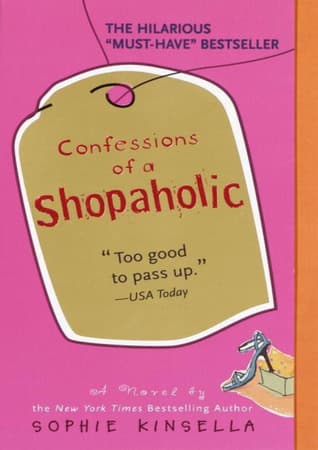
- Confessions of a Shopaholic
Sophie Kinsella
3.6 (647k) average on GoodreadsYoung AdultFeatures a charmingly flawed female lead navigating life's challenges with humor and a penchant for getting into sticky situations.
- The Hunger Games
Suzanne Collins
4.3 (6.4M) average on GoodreadsFantasyIn a future where children fight to the death on live television, Katniss Everdeen volunteers for the arena, turning a death sentence into a fight for survival and a spark of rebellion.
- The Great Gatsby
F. Scott Fitzgerald
3.9 (3.8M) average on GoodreadsHistorical FictionIn the opulent Roaring Twenties, a mysterious millionaire's lavish parties hide his desperate, tragic pursuit of a lost love, exposing the emptiness within the American Dream.
- The Fault in Our Stars
John Green
4.2 (3.6M) average on GoodreadsYoung AdultA girl with a terminal illness finds her story rewritten when a charming boy with a similar past enters her life at a cancer support group, leading to a star-crossed romance.
- Divergent
Veronica Roth
4.2 (2.9M) average on GoodreadsFantasyIn a society divided by virtues, a sixteen-year-old's difference from the norm starts a rebellion that threatens her world.





Enjoyed the summary?
A summary gives you the shape of the book. The book itself has the detail, the examples and the voice.
Find Bridget Jones's Diary on AmazonAs an Amazon Associate, BookBrief earns from qualifying purchases. How we're funded