

Synopsis
Covers the whole plot, including the ending.
- Difficulty
- Easy
- Pacing
- Moderate
- Mood
- Intriguing, Suspenseful, Atmospheric, Romantic
- Read it if
- You enjoy a blend of literary mystery, espionage, and a touch of romance set in a charming, sun-drenched location.
- Skip it if
- You prefer fast-paced, action-heavy thrillers with minimal character development or a purely legal/courtroom drama.
Camino Island Plot Summary
Covers the whole plot, including the ending.
The Princeton Heist
Four thieves carry out a carefully planned heist from a secure vault under Princeton University's Firestone Library. They steal five original manuscripts by F. Scott Fitzgerald, including 'The Great Gatsby' and 'This Side of Paradise.' The thieves disable security, get past physical barriers, and escape with the manuscripts. The FBI and university officials are baffled. The theft starts a nationwide investigation, and the FBI quickly determines the manuscripts are too famous to sell openly and will likely go to the black market, valued at twenty-five million dollars.
Mercer Mann's Desperation and a Mysterious Offer
Mercer Mann, a young novelist with writer's block, recently lost her teaching job at the University of North Carolina and faces financial problems. She gets an unexpected call from Elaine Shelby, who says she represents the 'National Security Agency' (NSA), though it is later revealed to be a private security firm working for the insurance company. Shelby offers Mercer one hundred thousand dollars to go undercover to Camino Island, Florida. Her job is to infiltrate the literary group around rare book dealer Bruce Cable, who is suspected of selling stolen books, and to find information about the stolen Fitzgerald manuscripts.
Arrival on Camino Island and Infiltration
Mercer, pretending to be a novelist looking for inspiration, arrives in Santa Rosa, Camino Island. She quickly becomes part of the local scene, befriending bookstore owner and rare book dealer Bruce Cable. His store, Bay Books, is a center for the island's literary community. She rents a small cottage and starts attending Bruce's Sunday brunches, which are popular with local authors, academics, and collectors. Mercer watches Bruce closely, noting his charm, his knowledge of rare books, and his seemingly legitimate business, all while reporting her findings to Elaine Shelby, who monitors her progress and gives advice.
Bruce Cable's World and Growing Suspicion
As Mercer spends more time on Camino Island, she becomes a regular at Bay Books and part of Bruce's inner circle. She meets his wife, Noelle, and his diverse group of friends, including authors and academics. Bruce, a charming and generous host, likes Mercer, offering her writing advice and inviting her to smaller gatherings. Mercer starts to notice small clues and hears rumors about Bruce's ties to the illegal side of the rare book world, particularly from a former associate. This confirms her suspicion that he is involved in illegal dealings, even if not directly with the Fitzgerald heist.
The First Breakthrough
Mercer's persistence pays off when she gets access to Bruce's heavily secured, secret vault under his bookstore. Inside, she finds many rare and valuable books, some of which she suspects are stolen. More importantly, she uncovers evidence of a sophisticated black market network Bruce runs, dealing in high-value stolen literary items. She reports her findings to Elaine Shelby, confirming that Bruce is a significant player in the illegal rare book trade, though the Fitzgerald manuscripts are still missing.
The Romance and the Conflict of Loyalty
Despite her goal and her growing certainty of Bruce's criminal activities, Mercer finds herself drawn to him. Bruce's intelligence, charm, and genuine passion for literature start to blur her professional detachment. A romantic relationship slowly develops between them, adding a deep moral and emotional conflict to Mercer's mission. She struggles with her loyalty to Elaine Shelby and the insurance company versus her growing feelings for Bruce, which makes betraying him increasingly difficult.
Uncovering the Fitzgerald Connection
Through listening, careful questioning, and putting together information from Bruce's associates, Mercer finally finds a direct link between Bruce and the stolen Fitzgerald manuscripts. She learns that Bruce is selling the priceless documents for the thieves. The manuscripts are not in his immediate possession, but he is actively involved in their distribution. This discovery is a major breakthrough, confirming her mission's objective and forcing her to face the full consequences of her actions.
The Professor's Identity Revealed
Mercer discovers that 'The Professor,' a shadowy figure, planned the Princeton heist. This information comes from fragments of conversations and encrypted messages Bruce has, hinting at a larger network. The Professor is careful and hard to find, operating from the shadows, and his involvement adds another layer of complexity to the recovery effort. Mercer realizes the operation is much larger than just Bruce Cable.
The Confrontation and the Escape
Mercer's undercover operation is eventually exposed. Bruce, perhaps having suspected her for some time or noticing inconsistencies, confronts her, leading to a tense and emotional scene. Feeling betrayed, Bruce is furious. Mercer, now in danger, must flee Camino Island suddenly. She reports her final findings to Elaine Shelby, confirming Bruce's involvement and providing important details about the manuscripts' location and the network of thieves, though leaving emotional damage behind.
The Resolution and Aftermath
Based on Mercer's information, the FBI and the private security firm act. The Fitzgerald manuscripts are eventually recovered from a secure location, though the exact details of the raid are somewhat unclear. The thieves, including 'The Professor,' are caught, and Bruce Cable is arrested for his role in the black market dealings. Mercer receives her payment, but the emotional cost of her deception, especially her betrayal of Bruce, affects her deeply. She tries to rebuild her life, perhaps finding inspiration for her own writing from her experiences.
Principal Figures
Mercer Mann
Protagonist
A struggling novelist turned undercover agent.
Mercer Mann is a young, intelligent, and initially financially desperate novelist suffering from writer's block. She accepts a dangerous undercover assignment to infiltrate Bruce Cable's circle on Camino Island, ostensibly to investigate his rare book dealings and the stolen Fitzgerald manuscripts. Mercer is observant, resourceful, and possesses a strong moral compass, though her mission forces her into ethical compromises. She is drawn to the world of literature and seeks to regain her footing as a writer after losing her teaching job.
Relationships: Elaine Shelby (Handler/Employer); Bruce Cable (Target, then romantic interest); Noelle Cable (Friend/Acquaintance)
Bruce Cable
Antagonist/Love Interest
Charismatic rare book dealer with a thriving black market business.
Bruce Cable is the charming, intelligent, and highly respected owner of Bay Books on Camino Island. He is a prominent rare book dealer and a beloved figure in the local literary community, known for his lavish Sunday brunches and his passion for literature. However, beneath this respectable facade, Bruce operates a lucrative black market enterprise, dealing in stolen rare books and manuscripts. He is a complex character—generous and kind to his friends, yet ruthless and calculating in his illicit dealings.
Relationships: Mercer Mann (Target, then romantic interest); Noelle Cable (Wife); Elaine Shelby (Antagonist (unbeknownst to him for most of the story))
Elaine Shelby
Supporting
Mysterious handler for the private security firm.
Elaine Shelby is Mercer Mann's handler, a sharp, enigmatic woman who represents a private security firm working for the insurance company that paid out on the stolen Fitzgerald manuscripts. She is professional, demanding, and highly focused on recovering the stolen goods. Shelby provides Mercer with instructions, financial support, and moral guidance (or pressure) throughout the mission. She maintains a degree of secrecy about her organization's true nature, initially leading Mercer to believe she works for the NSA.
Relationships: Mercer Mann (Employer/Handler); Bruce Cable (Target (indirectly))
Noelle Cable
Supporting
Bruce Cable's wife, a seemingly oblivious participant in his world.
Noelle Cable is Bruce Cable's elegant and supportive wife. She is aware of Bruce's passion for rare books and his bookstore, but appears largely oblivious to the darker, illicit side of his business. Noelle is a gracious hostess at their renowned Sunday brunches and represents the legitimate, respectable facade of Bruce's life. She befriends Mercer, making Mercer's eventual betrayal of Bruce even more emotionally complicated.
Relationships: Bruce Cable (Husband); Mercer Mann (Friend/Acquaintance)
The Professor (real name unknown)
Antagonist
The elusive mastermind behind the Princeton heist.
The Professor is the enigmatic and highly intelligent mastermind who orchestrated the daring theft of the F. Scott Fitzgerald manuscripts from Princeton University. He is meticulous in his planning, ruthless in his execution, and operates from the shadows, using a network of associates to carry out his schemes. His identity remains largely a mystery throughout the book, adding to his mystique and the challenge of recovering the manuscripts. He represents the pinnacle of rare book theft.
Relationships: Bruce Cable (Criminal associate/Fence); Mercer Mann (Target (indirectly))
Nelson Kerr
Supporting
An author and Bruce's friend who provides information.
Nelson Kerr is one of the many authors who frequent Bruce Cable's bookstore and Sunday brunches. He is a friend of Bruce and part of the Camino Island literary scene. Kerr, perhaps inadvertently or through his own suspicions, provides Mercer with subtle clues and insights into Bruce's character and the potential for illicit dealings, helping Mercer piece together the puzzle of Bruce's double life. He represents the legitimate literary world that Bruce inhabits.
Relationships: Bruce Cable (Friend/Associate); Mercer Mann (Acquaintance)
Tommy
Supporting
One of the four thieves in the Princeton heist.
Tommy is one of the four individuals who directly carried out the Princeton University manuscript heist. He is part of 'The Professor's' crew, a skilled and audacious thief. While not deeply characterized, his role is crucial in the initial plot point, demonstrating the meticulous planning and execution required for such a high-stakes theft. His actions set the entire plot in motion, leading to the investigation and Mercer's involvement.
Relationships: The Professor (Leader/Employer); Other Thieves (Fellow conspirators)
The FBI
Mentioned
Federal agency investigating the Princeton heist.
The FBI represents the official law enforcement arm tasked with investigating the Princeton manuscript theft. While no specific agents are deeply characterized, their presence is felt throughout the narrative as they pursue leads, conduct interviews, and ultimately work towards recovering the stolen Fitzgerald manuscripts. They collaborate, to a degree, with the private security firm, highlighting the convergence of public and private efforts in solving high-profile crimes.
Relationships: Elaine Shelby (Collaborator (indirectly)); The Professor (Target)
Themes & Insights
Deception and Betrayal
The novel explores deception and betrayal through Mercer Mann's undercover mission. She must deceive Bruce Cable and his friends, pretending interest and affection while secretly gathering evidence against him. This theme becomes more complex with Mercer's growing romantic feelings for Bruce, making her eventual betrayal personal. Bruce himself uses deception, presenting a respectable image while engaging in illegal rare book dealings.
“She was a spy, a fraud, a liar, and she was falling in love with her target.”
The Allure of the Black Market
The book explores the attractive and dangerous world of the black market for rare books and manuscripts. It shows the great value placed on literary artifacts and how far collectors and dealers will go to get them, regardless of legality. Bruce Cable represents this appeal, running a sophisticated illegal business alongside his legitimate bookstore, driven by profit and perhaps a thrill for the forbidden. The theft of the Fitzgerald manuscripts highlights the high stakes and global reach of this underground economy.
“There was a dark side to the rare book business, a world where provenance was a suggestion and price was king.”
The Price of Art and Literature
Grisham looks at the inherent and monetary value of art and literature, specifically through the priceless F. Scott Fitzgerald manuscripts. The novel contrasts the academic and cultural respect for these works with their high market value in illegal trade. It questions if such works can truly be 'owned' and explores the ethics of selling literary heritage. The twenty-five million dollar insurance policy on the manuscripts clearly shows their financial worth.
“The words themselves were priceless, but the paper they were written on had a value that could buy a small country.”
Identity and Self-Discovery
Mercer Mann's journey is one of self-discovery, driven by her difficult situation and the demands of her mission. She struggles with her identity as a writer, a teacher, and then an undercover agent. Her experience on Camino Island, especially her relationship with Bruce, challenges how she sees herself and her abilities. She learns about her own strength, her ability to deceive, and the emotional cost of living a lie, which ultimately shapes her future as an author.
“She had gone to Camino Island to find a story, but instead, she had found a new version of herself.”
Moral Ambiguity
The novel has much moral ambiguity, especially concerning its main characters. Bruce Cable is a criminal, yet he is shown as charming, intelligent, and genuinely passionate about books, which makes it hard to simply call him 'evil.' Mercer, the main character, uses deception and betrayal, blurring the lines between right and wrong for a 'good' cause (recovering stolen property). The private security firm also operates in a morally gray area, using covert tactics outside traditional law enforcement.
“In this world, the heroes were sometimes villains, and the villains often had their own codes of honor.”
Plot Devices & Literary Techniques
Undercover Operation
The primary narrative device driving Mercer's investigation.
The undercover operation is the central plot device, placing Mercer Mann in a deceptive role to infiltrate Bruce Cable's world. This device generates suspense, conflict, and moral dilemmas as Mercer navigates her dual identity. It allows the reader to experience the hidden world of rare book dealing and the black market through her eyes, creating opportunities for discovery and personal growth, while building towards the inevitable moment her cover will be blown.
Red Herring (NSA)
Misdirection about the true nature of Mercer's employers.
Initially, Mercer is led to believe she is working for the National Security Agency (NSA), adding a layer of perceived government authority and national importance to her mission. This turns out to be a red herring, as Elaine Shelby's organization is a private security firm working for the insurance company. This misdirection serves to heighten the stakes and Mercer's initial apprehension, while also highlighting the shadowy, unofficial nature of the recovery effort.
The Charismatic Antagonist
Bruce Cable's charm complicates Mercer's mission.
Bruce Cable's charismatic personality functions as a significant plot device, complicating Mercer's mission and creating emotional conflict. His charm, intelligence, and genuine love for books make him an attractive figure, blurring the lines between 'target' and 'love interest.' This device forces Mercer (and the reader) to confront the moral ambiguity of his character and makes her eventual betrayal all the more difficult and impactful, adding depth beyond a simple good-vs-evil narrative.
The MacGuffin (Fitzgerald Manuscripts)
The stolen manuscripts as the central object of desire.
The five stolen F. Scott Fitzgerald manuscripts serve as the MacGuffin of the story. While their recovery is the ultimate goal, their specific content is less important than their role in driving the plot, motivating the characters (the thieves, the insurance company, Mercer), and setting the stakes. They are the catalyst for the entire narrative, uniting the disparate elements of the heist, the investigation, and Mercer's undercover work.
Camino Island Quotes
“The best writers are the best thieves.”
“A good bookstore is a refuge, a sanctuary from the noise of the world.”
“The manuscripts were priceless, but the secrets they held were even more valuable.”
“In the world of rare books, trust is a currency more fragile than gold.”
“He lived in the shadows, a ghost among the pages of history.”
“Every book has a story, but some stories are better left untold.”
“The island was a paradise, but beneath its surface lurked a web of deception.”
“She was a writer who had forgotten how to write, until the theft gave her a story worth telling.”
“In the hunt for the manuscripts, the line between hunter and prey began to blur.”
“The collector saw books not as stories, but as trophies to be won.”
“Sometimes the quietest places hold the loudest secrets.”
“The truth was a manuscript waiting to be edited by those who dared to rewrite history.”
“He traded in words, but his silence spoke volumes.”
“In the end, the greatest theft was not of paper and ink, but of trust and innocence.”
Quiz
10 questions on the plot and the characters. Each answer comes with a short explanation.
Question 1
What is stolen from Princeton University's Firestone Library at the beginning of the novel?
- Original manuscripts of F. Scott Fitzgerald's novels
- Shakespeare's First Folio collection
- Rare medieval illuminated manuscripts
- Einstein's original relativity papers
Show answer
A. Original manuscripts of F. Scott Fitzgerald's novels The thieves steal the original handwritten manuscripts of F. Scott Fitzgerald's novels, including 'The Great Gatsby' and 'This Side of Paradise,' which are insured for $25 million.
Question 2
What is Bruce Cable's primary business on Camino Island?
- He runs a luxury resort hotel
- He owns a popular bookstore called Bay Books
- He operates a fishing charter service
- He manages a real estate development company
Show answer
B. He owns a popular bookstore called Bay Books Bruce Cable owns and operates Bay Books, a popular bookstore in Santa Rosa on Camino Island, which serves as his public-facing business while he secretly deals in rare and stolen books.
Question 3
Why is Mercer Mann initially recruited to go undercover on Camino Island?
- She is an experienced FBI agent specializing in art theft
- She is a struggling novelist with connections to Bruce Cable's literary circle
- She is a former librarian who worked at Princeton
- She is a wealthy heiress looking for adventure
Show answer
B. She is a struggling novelist with connections to Bruce Cable's literary circle Mercer is a young novelist with writer's block who has been laid off from teaching. Her background as a writer and financial desperation make her an ideal candidate to infiltrate Bruce's literary world without raising suspicion.
Question 4
What organization recruits Mercer Mann to investigate Bruce Cable?
- The Federal Bureau of Investigation (FBI)
- A mysterious private company working for the insurance company
- Princeton University's security department
- An international book collectors' association
Show answer
B. A mysterious private company working for the insurance company Mercer is approached by an elegant woman named Elaine Shelby, who works for a mysterious private company hired by the insurance company that paid out $25 million for the stolen Fitzgerald manuscripts.
Question 5
How does Bruce Cable primarily make his real money, beyond his bookstore?
- Through illegal drug trafficking operations
- By dealing in rare and sometimes stolen books and manuscripts
- By investing in offshore stock markets
- Through a family inheritance trust fund
Show answer
B. By dealing in rare and sometimes stolen books and manuscripts While Bay Books is legitimate, Bruce's wealth comes from his secret trade in rare books, occasionally dealing in stolen items on the black market, which is central to the plot.
Question 6
What significant personal challenge is Mercer facing when she is recruited?
- A recent divorce and custody battle
- Severe writer's block and financial instability
- A chronic illness requiring expensive treatment
- Legal troubles from a previous undercover operation
Show answer
B. Severe writer's block and financial instability Mercer is struggling with writer's block after her first novel and has been laid off from her teaching job, leaving her in debt and vulnerable to the lucrative offer to go undercover.
Question 7
What is the primary theme explored through Mercer's undercover mission?
- The corruption of academic institutions
- The moral ambiguity of deception and loyalty in pursuit of justice
- The environmental impact of coastal development
- The technological vulnerabilities of library security systems
Show answer
B. The moral ambiguity of deception and loyalty in pursuit of justice Mercer's journey forces her to grapple with ethical dilemmas as she deceives Bruce and his friends while developing genuine connections, highlighting themes of trust, betrayal, and the blurred lines between right and wrong.
Question 8
What eventually complicates Mercer's mission on Camino Island?
- She falls in love with Bruce Cable and becomes conflicted about betraying him
- She discovers Bruce is actually an undercover agent himself
- Her identity is immediately exposed by local authorities
- She finds evidence that the manuscripts were never actually stolen
Show answer
A. She falls in love with Bruce Cable and becomes conflicted about betraying him As Mercer spends time with Bruce, she develops real feelings for him and enjoys the literary community, making it increasingly difficult for her to fulfill her mission without emotional turmoil.
Question 9
Which of the following best describes the resolution regarding the stolen Fitzgerald manuscripts?
- The manuscripts are recovered and returned to Princeton, with Bruce arrested
- The manuscripts are destroyed in a fire, leaving the case unresolved
- Bruce is revealed to have the manuscripts, but a deal is struck allowing them to remain hidden
- Mercer steals the manuscripts herself and flees the island
Show answer
C. Bruce is revealed to have the manuscripts, but a deal is struck allowing them to remain hidden In a twist, Bruce is found to possess the manuscripts, but instead of a dramatic confrontation, a quiet agreement is reached where the manuscripts stay hidden to avoid further scandal, reflecting the novel's nuanced ending.
Question 10
What role does the setting of Camino Island play in the novel?
- It serves as a symbolic contrast between surface tranquility and underlying corruption
- It is primarily a backdrop for action-packed chase sequences
- It represents technological advancement and urban sprawl
- It functions as a historical site central to the stolen manuscripts' origin
Show answer
A. It serves as a symbolic contrast between surface tranquility and underlying corruption Camino Island's sleepy, resort-town atmosphere masks the clandestine activities of Bruce and the tension of Mercer's mission, enhancing themes of secrecy and duality throughout the story.
Camino Island FAQ
What is 'Camino Island' about?
'Camino Island' follows two parallel stories: a daring heist of priceless manuscripts from Princeton University's Firestone Library, and Mercer Mann, a struggling novelist hired to go undercover in the Florida island community of Santa Rosa to investigate rare book dealer Bruce Cable, who is suspected of dealing in stolen literary works. The novel weaves together mystery and literary intrigue as Mercer infiltrates Cable's circle.
Why should I read 'Camino Island'?
Readers should pick up 'Camino Island' for its unique blend of a high-stakes literary heist with the atmospheric setting of a Florida island community. John Grisham departs from his typical legal thrillers to deliver a bookish mystery filled with rare book trade details, undercover operations, and moral ambiguity that keeps pages turning.
What is the background/setting of 'Camino Island'?
The novel alternates between two primary settings: Princeton University's Firestone Library in New Jersey, where the manuscript heist occurs, and the sleepy resort town of Santa Rosa on Camino Island in Florida, where Bruce Cable runs his bookstore and rare book business. The Florida island setting provides a laid-back, literary community atmosphere that contrasts with the criminal underworld.
What are the most memorable quotes?
Key quotes include Bruce Cable's observation about the rare book trade: 'Every book has two stories: the one written on its pages and the one of its journey through time,' and Mercer's reflection on her undercover role: 'I was living someone else's life, writing someone else's story, and forgetting how to write my own.' These capture the novel's themes of literary value and identity.
What writing style does the author use?
John Grisham employs his signature accessible, fast-paced prose with short chapters that alternate between the heist plot and Mercer's undercover investigation. The style is straightforward yet detailed about the rare book world, creating suspense through gradual revelation rather than legal courtroom drama typical of his other works.
What minor details add significant meaning?
Small details like Bruce Cable's meticulously organized bookstore, which mirrors his controlled criminal operations, and Mercer's writer's block, which symbolizes her struggle with authenticity, add depth. The specific manuscripts stolen—F. Scott Fitzgerald's original drafts—highlight themes of literary heritage and corruption.
What are some subtle foreshadowing moments?
Early scenes where Mercer practices her cover story as a writer researching a novel foreshadow her eventual moral conflict and identity crisis. Bruce's casual mentions of 'acquiring' rare books through unconventional means subtly hint at his black market dealings before they are fully revealed.
What unexpected character connections exist?
An unexpected connection emerges between the elegant woman who recruits Mercer and the broader network of insurance investigators and law enforcement tracking the stolen manuscripts. This reveals that Mercer's mission is part of a larger, coordinated effort to recover the Princeton heist loot, tying the two plotlines together.
What are unspoken character motivations?
Bruce Cable's motivation extends beyond profit to a deep, almost obsessive passion for rare books and the thrill of acquiring them illicitly. Mercer's unspoken motivation includes not just financial need but a desire to escape her failing writing career and find purpose through her undercover role, which becomes increasingly conflicted.
What psychological complexities do characters exhibit?
Mercer exhibits complexity through her dual identity as both a genuine writer and a deceptive investigator, leading to internal conflict about loyalty and ethics. Bruce Cable shows charm and intelligence masking a ruthless, calculating nature, making him a charismatic yet dangerous figure who blurs lines between legitimate business and crime.
What are the major emotional turning points?
Key emotional turning points include Mercer's realization that she has genuine affection for Bruce and his literary circle, complicating her mission; the moment she discovers concrete evidence of his involvement with stolen manuscripts; and the climax where she must choose between completing her assignment or protecting her new relationships.
How do relationship dynamics evolve?
Mercer and Bruce's relationship evolves from initial suspicion and professional interaction to a genuine, albeit deceptive, friendship and potential romance, which Mercer struggles with as she gathers evidence. This dynamic forces Mercer to question her morals and allegiances, adding tension to the investigative plot.
Which parts remain ambiguous or open-ended?
The novel leaves some ambiguity about the ultimate fate of certain stolen manuscripts and whether all perpetrators of the heist are brought to justice. Mercer's future as a writer and her personal relationships after the undercover operation are also left somewhat open, inviting readers to ponder her long-term recovery and choices.
What are controversial scenes or decisions?
Controversial elements include Mercer's decision to accept the undercover job despite ethical concerns about deception, and Bruce's justification of his black market activities as preserving literary history. Some readers may debate whether Mercer's actions are justified by the greater good of recovering stolen cultural artifacts.
'Camino Island' ending explained: how it ends & what it means
The ending resolves with Mercer successfully exposing Bruce Cable's involvement with the stolen manuscripts, leading to his arrest and the recovery of some loot. However, it suggests that the rare book black market persists, and Mercer returns to writing, forever changed by her experience. This implies themes of justice being imperfect and the lasting impact of moral choices on personal identity.
About the author

John Grisham is an American author known for his legal thrillers. His notable works include A Time to Kill, The Client, The Pelican Brief, The Runaway Jury, The Rainmaker, and The Chamber. Grisham's novels often explore themes of justice and morality within the legal system.
Similar books
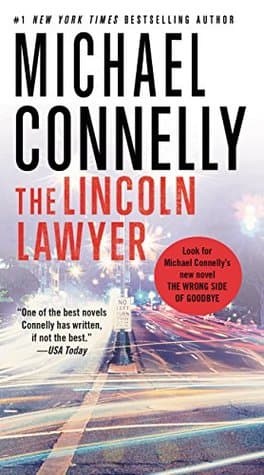
- The Lincoln Lawyer
Michael Connelly
4.2 (193k) average on GoodreadsThrillerA legal thriller with a compelling mystery, though 'Camino Island' is less courtroom-focused.
- Big Little Lies
Liane Moriarty
4.3 (748k) average on GoodreadsThrillerExplores a tight-knit community with secrets, though 'Camino Island' has a more direct espionage plot.
- The Firm
John Grisham
4.1 (43k) average on GoodreadsThrillerCamino Island lacks the intense, life-or-death stakes and the relentless pursuit that define The Firm. While both feature protagonists uncovering dangerous secrets, Mitch McDeere's immediate peril and the intricate web of organized crime create a much higher level of suspense and tension than Mercer Mann's relatively less perilous undercover investigation.
- The Da Vinci Code
Dan Brown
3.9 (1.9M) average on GoodreadsThrillerBoth Camino Island and The Da Vinci Code involve literary and historical mysteries, but Brown's novel features a much grander scale of conspiracy, ancient secrets, and globe-trotting action. While Grisham focuses on the niche world of rare book theft, Brown crafts a high-octane quest with historical puzzles and religious implications, making it a more expansive and often more thrilling experience. Grisham's approach is more grounded and character-driven within a specific setting, whereas Brown prioritizes intricate puzzles and a race against time across multiple international locations.
- Angels & Demons
Dan Brown
3.9 (2.7M) average on GoodreadsThrillerA Harvard symbologist races through Rome's ancient sites, deciphering cryptic clues to unmask the Illuminati and stop a vengeful plot to destroy the Vatican with a stolen antimatter weapon.
- Gone Girl
Gillian Flynn
4.1 (2.3M) average on GoodreadsThrillerA wife's sudden disappearance on her fifth anniversary reveals a web of lies and psychological warfare, exposing the secrets within a seemingly perfect marriage.





Enjoyed the summary?
A summary gives you the shape of the book. The book itself has the detail, the examples and the voice.
Find Camino Island on AmazonAs an Amazon Associate, BookBrief earns from qualifying purchases. How we're funded