Estimated read time: 5 min read
One Sentence Summary
"Children of Dune" follows the tumultuous journey of Paul Atreides' twin children, Leto II and Ghanima, as they navigate political intrigue and destiny on the desert planet of Arrakis.
Table of Contents
Introduction
Children of Dune, the third installment in Frank Herbert's iconic Dune series, continues the saga of the desert planet Arrakis and its complex web of politics, ecology, and prophecy. The novel, published in 1976, delves deeper into the consequences of power, legacy, and survival in an unforgiving universe. As the story unfolds, readers are drawn into a narrative rich with intrigue, philosophical depth, and environmental consciousness.
Brief Synopsis
Plot Overview
In Children of Dune, the story focuses on the offspring of Paul Atreides, also known as Muad'Dib, who once ruled as the Emperor of the Known Universe. After Paul's mysterious disappearance, his twin children, Leto II and Ghanima, become the central figures in the ongoing struggle for control over Arrakis. The twins possess extraordinary abilities and are seen as the hope for the future. However, they face numerous threats from both internal and external forces seeking to seize power.
Setting
The novel is set on the desert planet of Arrakis, also known as Dune. This harsh environment is the only source of the spice "melange," a substance critical for space travel, longevity, and prescience. Arrakis is a pivotal location in the universe's political and economic dynamics. The story also explores the fertile sietches, the underground habitats of the Fremen, and the opulent palaces of the ruling elite.
Main Characters
- Leto II Atreides: The son of Paul Atreides, Leto is a precocious child with the ability to see into the future. He grapples with the weight of his destiny.
- Ghanima Atreides: Leto's twin sister, Ghanima shares her brother's powers and is equally wise beyond her years. She is fiercely loyal and protective.
- Alia Atreides: The twins' aunt and regent of the empire. She struggles with her inner demons and the influence of her ancestral memories.
- Jessica Atreides: Paul’s mother, who returns to Arrakis to guide and protect her grandchildren. She is a former Bene Gesserit and has her own agenda.
- Duncan Idaho: A loyal retainer of House Atreides, Duncan's ghola (a clone with restored memories) plays a crucial role in the unfolding events.
Plot Summary
Part One: The Shadows of Legacy
The novel begins with the twins, Leto and Ghanima, navigating the political landscape of Arrakis under the regency of their aunt Alia. Alia, afflicted by ancestral voices, struggles to maintain her grip on power. The empire faces threats from within as conspirators plot to overthrow the Atreides rule.
Part Two: The Path of the Golden Lion
As tensions mount, Leto embarks on a journey into the desert to seek out the secrets of the sandworms and the spice. His vision of the "Golden Path" — a future he believes will save humanity — drives him to make difficult choices. Meanwhile, Ghanima remains in the palace, using her cunning to thwart attempts on her life.
Part Three: The Transformation
Leto's journey leads to a transformative encounter with the spice essence, granting him greater powers but at a great personal cost. This transformation sets the stage for a dramatic shift in the balance of power. Alia's descent into madness accelerates, leading to a climactic confrontation with the forces arrayed against the Atreides family.
Themes and Motifs
- Power and Corruption: The novel explores how power can corrupt even the most well-intentioned individuals. Alia's struggle with her inner demons exemplifies this theme.
- Legacy and Destiny: The weight of legacy and the burden of destiny are central to the characters' development, particularly for Leto and Ghanima.
- Environmentalism and Survival: The harsh desert environment of Arrakis serves as a backdrop for themes of ecological balance and the survival of civilization.
Author's Background
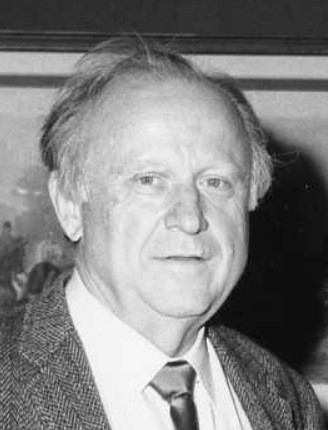
Frank Herbert, an American science fiction author, is best known for his Dune series. His background in journalism and ecology heavily influenced his writing, allowing him to create intricate worlds with ecological and philosophical depth. Herbert's works often address themes of politics, religion, and human nature, making him a seminal figure in science fiction literature.
Reader's Takeaway
Children of Dune challenges readers to contemplate the nature of power and the responsibilities that come with it. It invites reflection on how choices shape the future and the delicate balance between human ambition and ecological sustainability. The novel's rich character development and philosophical underpinnings leave a lasting intellectual and emotional impact.
Conclusion
Children of Dune is a compelling continuation of the Dune saga, offering a complex narrative that intertwines political intrigue, environmental themes, and the quest for a sustainable future. Its exploration of power, legacy, and transformation encourages readers to delve deeper into Herbert's universe, promising an engaging literary experience.
Children of Dune FAQ
What is 'Children of Dune' about?
'Children of Dune' is the third book in Frank Herbert's Dune series. It follows the story of Paul Atreides' twin children, Leto II and Ghanima, as they navigate the political and mystical challenges in the desert world of Arrakis.
Who are the main characters in 'Children of Dune'?
The main characters include Leto II Atreides, Ghanima Atreides, Alia Atreides, Lady Jessica, and Duncan Idaho.
Is 'Children of Dune' a standalone book?
No, 'Children of Dune' is the third book in the Dune series, and it is recommended to read the previous books, 'Dune' and 'Dune Messiah', to fully understand the context and character developments.
What themes are explored in 'Children of Dune'?
The book explores themes of power, prophecy, religion, ecological transformation, and the burdens of leadership.
How does 'Children of Dune' connect to the rest of the Dune series?
'Children of Dune' continues the story of the Atreides family and the political intrigue surrounding the desert planet Arrakis. It deals with the consequences of Paul Atreides' reign and sets the stage for future events in the series.
What is the significance of the title 'Children of Dune'?
The title refers to the twin children of Paul Atreides, Leto II and Ghanima, who are central to the plot and represent the next generation of leadership on Arrakis.
Has 'Children of Dune' been adapted into other media?
Yes, 'Children of Dune' has been adapted into a miniseries by the Sci-Fi Channel, which aired in 2003 as part of a series titled 'Frank Herbert's Children of Dune', covering both 'Dune Messiah' and 'Children of Dune'.
What is the setting of 'Children of Dune'?
The story is set on the desert planet of Arrakis, also known as Dune, which is the only source of the valuable spice melange.
Are there any significant new characters introduced in 'Children of Dune'?
Yes, significant new characters include Farad'n Corrino, who plays a pivotal role in the political dynamics of the story.
How does 'Children of Dune' address the concept of destiny?
The book explores the idea of destiny through the prophetic visions of Leto II and the choices he and his sister must make to shape the future of Arrakis and the universe.