

Synopsis
Covers the whole plot, including the ending.
- Difficulty
- Medium
- Pacing
- Variable
- Mood
- Suspenseful, Tense, Patriotic, Conspiratorial, Moralistic
- Read it if
- You enjoy intricate political thrillers, military strategy, and stories of moral courage against overwhelming odds, with a detailed look into intelligence operations and covert warfare.
- Skip it if
- You prefer fast-paced, action-only narratives without deep dives into political machinations or detailed operational planning, or if you dislike stories with significant government corruption.
Clear and Present Danger Plot Summary
Covers the whole plot, including the ending.
A High-Stakes Assassination and the Aftermath
FBI Director Emil Jacobs is killed in Colombia by drug cartel operatives while on a fishing trip. This act, along with his family's murder, shocks Washington D.C. President Bennett, pressured to act decisively, meets with his top advisors. James Cutter, the President's National Security Advisor, suggests a covert, extra-legal military operation against the cartel. Admiral James Greer, Deputy Director of Intelligence for the CIA, is hesitant because of legal implications but gives his approval, wary of mission creep and the dangers of operating outside established rules. Jack Ryan, a CIA analyst, is brought into these discussions, unaware of the full scope of the secret plans.
Jack Ryan's Unexpected Promotion and Initial Investigations
Admiral Greer is diagnosed with pancreatic cancer and his condition worsens, leading to his hospitalization. In his absence, Jack Ryan is promoted to Acting Deputy Director of Intelligence (DDI). His first major task is to investigate the Medellín Cartel's financial holdings, especially how their drug money is laundered into the U.S. economy. Ryan, with his finance background, quickly uncovers investments in American businesses and political figures, including a significant amount tied to Robert Ritter, the Deputy Director of Operations at the CIA. This discovery makes Ryan suspicious, suggesting a deeper threat than just the Colombian drug lords.
Operation RECIPROCITY: The Covert Insertion
Ryan does not know that Colonel John Clark, a veteran CIA black operations officer, is tasked by Robert Ritter and James Cutter to lead a covert paramilitary force into Colombia. This force, called 'RECIPROCITY' and made of U.S. Army Rangers, is deployed without official congressional approval or declaration of war, making the entire operation illegal. Their mission is to disrupt the Medellín Cartel's operations by targeting drug processing labs, transportation routes, and personnel. Clark, a skilled operative, begins this mission with precision, using advanced surveillance and intelligence from Ritter, who plans the operation from Washington.
The Cartel's Retaliation and Ryan's Growing Suspicions
Ernesto Escobedo and fellow drug lord Félix Cortez quickly realize they are under attack by an unseen force. Cortez, a former KGB officer, is good at counter-intelligence. They retaliate by bombing a DEA office in Miami and killing a U.S. ambassador. As these events happen, Ryan, still focused on the financial investigation, becomes suspicious of the intelligence Ritter provides and the lack of transparency in the U.S. response. He notices inconsistencies and a deliberate withholding of information, especially about key cartel figures. His instincts tell him that something more complex and dangerous is happening than he is being told.
Discovery of the Covert War
Driven by his suspicions, Ryan investigates further. He uses his DDI access to cross-reference intelligence reports and eventually uncovers evidence of the illegal paramilitary operation in Colombia. He finds satellite imagery, decrypted communications, and financial records that point to Colonel Clark's team and their unauthorized activities. Horrified by the disregard for law and potential international problems, Ryan confronts Ritter, demanding answers. Ritter, at first evasive, admits to the operation but tries to justify it as necessary for national security, emphasizing the President's direct involvement and the extreme secrecy.
Political Betrayal and Abandonment
As the covert operation creates too much risk and potential for exposure, President Bennett and James Cutter decide to cut their losses. They make a secret deal with Félix Cortez, the cartel's intelligence chief, agreeing to exchange intelligence on Clark's team for information on Escobedo's operations and a promise to reduce drug flow. This deal betrays the American soldiers, leaving them stranded and vulnerable. Clark and his team are cut off from support and intelligence; their lives are now expendable to their own government. Ritter, under direct orders, complies with this betrayal, though with internal conflict.
Ryan's Desperate Race Against Time
Ryan, now fully aware of the political betrayal, is horrified. He realizes that the U.S. soldiers are being sacrificed for political reasons and that their lives are in danger. With Admiral Greer's health declining and his own career at risk, Ryan acts. He secretly contacts the U.S. Coast Guard and other military assets, trying to gather resources and intelligence for a rescue mission. He also tries to warn Clark, but communication is difficult and dangerous. Ryan's actions come from a strong moral obligation and a refusal to let American soldiers be abandoned by their government.
Clark and Chavez's Fight for Survival
Cut off from support and hunted by the cartel, Colonel Clark and his second-in-command, Domingo 'Ding' Chavez, realize they have been betrayed. They lead their remaining Rangers in a desperate fight for survival, using their training and knowledge of guerrilla warfare to evade capture and fight their way out of Colombia. They face overwhelming odds, constant pursuit, and the harsh jungle. The team suffers casualties, but Clark's leadership and Chavez's combat skills are important for keeping the unit together and alive, despite their despair and anger at their superiors.
The Rescue and the Aftermath
Against great odds and bureaucratic obstruction, Ryan plans a rescue operation. He uses his contacts and a mix of official and unofficial channels to get a small, covert rescue force, including a special operations team, into Colombia. Working with Clark's desperate stand, the rescue team extracts the surviving Rangers. The soldiers are brought back to the U.S., traumatized but alive. The rescue, however, remains unofficial, and the returning soldiers are debriefed under strict secrecy, with their mission's true nature suppressed to prevent a political scandal.
Ryan's Public Exposure and Confrontation
After the soldiers return safely, Ryan decides he cannot let the truth stay hidden. He writes a detailed report about the illegal operation, the political betrayal, and the abandonment of the troops. He leaks this information to the media and gives it to Congress. This exposure causes a large political scandal, leading to congressional hearings, investigations, and public outrage. President Bennett's administration is in disarray, and James Cutter resigns. Ryan's actions, while controversial, are motivated by his commitment to truth and justice, even if it costs his career.
Justice and Consequences
The political fallout from Ryan's revelations is large. President Bennett, facing impeachment, resigns. James Cutter is arrested and charged with crimes related to the illegal operation. Robert Ritter, facing career ruin, cooperates with investigators, giving more details about the conspiracy. While the drug cartels continue to operate, the exposure of the U.S. government's illegal actions forces a reevaluation of foreign policy and covert operations. Jack Ryan, despite scrutiny and criticism, becomes a hero who stood for integrity and the rule of law, solidifying his reputation as a man of principle in the intelligence community.
Principal Figures
Jack Ryan
Protagonist
Acting Deputy Director of Intelligence, exposing government corruption.
Jack Ryan is a brilliant former Marine, historian, and financial analyst who serves as Acting Deputy Director of Intelligence for the CIA. He is characterized by his strong moral compass, unwavering integrity, and meticulous analytical skills. Initially unaware of the covert operation, he uncovers the truth through diligent investigation and is driven by a profound sense of justice and duty to expose the illegal actions of his superiors. He values the rule of law above political expediency and is willing to risk his career and safety to protect American soldiers and uphold democratic principles.
Relationships: Admiral James Greer (Mentor and close friend); Robert Ritter (Colleague and later adversary); President Bennett (Superior, later political adversary)
Colonel John Clark
Supporting
Veteran CIA black operations officer leading the covert mission.
John Clark is a highly skilled, ruthless, and experienced CIA black operations officer and former Navy SEAL. He is a pragmatic and effective operative, completely dedicated to completing his missions, often operating outside conventional rules. Clark leads the covert paramilitary force 'RECIPROCITY' in Colombia, believing he is serving his country. He is loyal to his men but also a cynic about political motivations. His character embodies the 'dark side' of intelligence operations, willing to do what is necessary, even if morally ambiguous, for what he perceives as the greater good.
Relationships: Robert Ritter (Handler and liaison for the covert operation); Domingo Chavez (Second-in-command and protégé)
Robert Ritter
Antagonist/Supporting
Deputy Director of Operations, orchestrating the illegal covert war.
Robert Ritter is the Deputy Director of Operations at the CIA, a cunning and ambitious bureaucrat who orchestrates the covert operation in Colombia under the President's direct orders. He is highly intelligent and capable but morally compromised, prioritizing political objectives and national security as defined by the administration, even if it means bending or breaking the law. Ritter views the war on drugs as a critical national security issue and believes the ends justify the means. He is initially an antagonist to Ryan but eventually aids in exposing the full conspiracy.
Relationships: President Bennett (Direct superior, co-conspirator); James Cutter (Co-conspirator); John Clark (Directing officer for the covert mission)
President Bennett
Antagonist
U.S. President who authorizes the illegal covert war.
President Bennett is the fictional U.S. President who, under pressure from public opinion and the assassination of FBI Director Jacobs, authorizes the illegal covert military operation against the Colombian drug cartels. He is portrayed as politically motivated, willing to circumvent the law for perceived national security interests and political gain. He ultimately betrays the soldiers on the ground to save his administration from scandal, showcasing a ruthless pragmatism that contrasts sharply with Ryan's idealism.
Relationships: James Cutter (National Security Advisor, close confidant, co-conspirator); Robert Ritter (Executing officer for covert operations)
James Cutter
Antagonist
National Security Advisor, architect of the covert operation and betrayal.
James Cutter is the President's National Security Advisor, a highly influential and ruthless political operative. He is the primary architect of the covert operation 'RECIPROCITY' and the subsequent betrayal of the American soldiers. Cutter is driven by political ambition and a desire to consolidate power, manipulating events and people to achieve his objectives. He is a cold, calculating figure who views human lives as expendable in the pursuit of political expediency, making him a key antagonist to Jack Ryan.
Relationships: President Bennett (Close advisor and co-conspirator); Robert Ritter (Collaborator in the covert operation)
Admiral James Greer
Supporting
Deputy Director of Intelligence and Jack Ryan's mentor.
Admiral James Greer is the Deputy Director of Intelligence at the CIA and Jack Ryan's long-time mentor and friend. He is a seasoned intelligence officer with deep institutional knowledge and a strong moral compass, though he is initially reluctant to approve the covert operation due to legal concerns. His severe illness and eventual death create the vacuum that leads to Ryan's temporary promotion, setting in motion Ryan's discovery of the illegal war. Greer represents the ethical, traditional side of the CIA, and his mentorship profoundly influences Ryan.
Relationships: Jack Ryan (Mentor, close friend, and protégé)
Ernesto Escobedo
Antagonist
Ruthless head of the Medellín Cartel.
Ernesto Escobedo is the powerful and ruthless head of the Medellín Cartel, responsible for the assassination of FBI Director Jacobs and many other acts of violence. He is a traditional drug lord, focused on maintaining his empire through intimidation, violence, and corruption. Escobedo's actions directly instigate the U.S. government's covert response, making him a primary target of Operation RECIPROCITY. He represents the external threat that initially justifies the illegal actions of the U.S. government.
Relationships: Félix Cortez (Associate and later rival within the cartel)
Félix Cortez
Antagonist
Former KGB officer, intelligence chief for the Medellín Cartel.
Félix Cortez is a cunning and highly intelligent former KGB officer who serves as the intelligence and security chief for the Medellín Cartel. He is a master of counter-intelligence and manipulation, proving to be a formidable adversary. Cortez is instrumental in uncovering the U.S. covert operation and later brokers a deal with President Bennett and James Cutter, betraying Escobedo and the American soldiers for his own gain. He represents a sophisticated, non-state actor threat, capable of outmaneuvering traditional intelligence agencies.
Relationships: Ernesto Escobedo (Associate and later betrayer); President Bennett (Negotiating partner)
Domingo 'Ding' Chavez
Supporting
U.S. Army Ranger and Colonel Clark's second-in-command.
Domingo 'Ding' Chavez is a highly capable and brave U.S. Army Ranger, serving as Colonel Clark's second-in-command during the covert operation in Colombia. He is a skilled combatant, loyal to his unit, and possesses a strong sense of duty. Chavez represents the dedicated soldiers who are unknowingly put in harm's way and then abandoned by their own government. His experiences in the jungle highlight the harsh realities and moral costs of black operations, and he becomes a key survivor and witness to the betrayal.
Relationships: John Clark (Superior officer and mentor in the field)
Themes & Insights
Abuse of Power and Executive Overreach
The novel examines how those in the highest levels of government can abuse their power. President Bennett and his National Security Advisor, James Cutter, authorize an illegal covert war in Colombia without congressional approval. This theme is central to the plot, as Ryan's conflict comes from uncovering this executive overreach. The decision to abandon the American soldiers to save the administration from scandal shows how unchecked power can corrupt, demonstrating how political reasons can override moral and legal duties.
“'What in God's name is happening here?' Ryan said softly. 'They're just going to leave them out there?”
Moral Integrity vs. Political Expediency
This theme is shown by the contrast between Jack Ryan's strong moral compass and the utilitarian approach of figures like President Bennett and James Cutter. Ryan consistently prioritizes truth, justice, and the lives of American soldiers, even when risking his career and facing political pressure. The administration chooses political reasons, sacrificing legal and ethical principles for short-term gains and to avoid public scandal. The novel explores the difficult choices leaders make and the consequences of compromising one's integrity.
“'I will not be a part of this,' Ryan said, his voice hard. 'I will not let American soldiers be sacrificed for political expediency.”
The Fog of War and Deception
The story shows the deception and lack of transparency in covert operations, both for the public and for individuals in government. Jack Ryan is initially kept unaware of the mission's true nature, and the soldiers on the ground are intentionally misled and betrayed. This theme highlights how information is controlled and manipulated to serve political agendas, creating a 'fog' that hides the truth and allows illegal activities. The novel suggests that in such environments, trust is rare and dangerous.
“'It's not just the enemy out there, Jack. Sometimes, it's the enemy in here.”
The Plight of the Soldier
The novel explores the vulnerability and sacrifice of soldiers in covert operations, especially when their government abandons them. Colonel Clark and his team of Rangers are trained professionals, but they become pawns in a political game, left to die in a foreign jungle when their mission becomes inconvenient. This theme humanizes the soldiers, showing their courage, loyalty, and the psychological impact of betrayal by their own country. It criticizes the cost of undeclared wars and the moral responsibility of leaders to those they send into harm's way.
“'We were good men, doing our job. And they just left us to rot.”
The War on Drugs and its Unintended Consequences
While a story about fighting drug cartels, the novel explores the complex and often morally ambiguous nature of the 'War on Drugs.' It shows how pursuing drug lords can lead to illegal covert actions, executive overreach, and the corruption of democratic principles. The assassination of FBI Director Jacobs causes a retaliatory response that escalates into an undeclared war, demonstrating how well-intentioned efforts can spiral out of control and create more problems than they solve, blurring the lines between justice and revenge.
“'When does a criminal act become an act of war?”
Plot Devices & Literary Techniques
Dual Perspective Narrative
Alternating viewpoints between Washington D.C. and Colombia.
The novel employs a dual perspective narrative, primarily alternating between Jack Ryan's investigation in Washington D.C. and Colonel John Clark's covert operation in Colombia. This device allows the reader to simultaneously experience the high-level political machinations and the brutal ground-level reality of the secret war. It effectively builds suspense and highlights the vast disconnect between the decision-makers and the soldiers carrying out their orders, emphasizing the ethical chasm that develops between them.
The 'Smoking Gun' Document
Crucial evidence revealing the illegal operation.
The 'smoking gun' document, in this case, is the collection of intelligence, financial records, and satellite imagery that Jack Ryan meticulously uncovers, proving the existence and illegality of Operation RECIPROCITY. This device is critical to the plot as it provides irrefutable proof of the administration's malfeasance, enabling Ryan to confront Ritter and eventually expose the entire scandal to the public. It serves as the tangible evidence that transforms Ryan's suspicions into undeniable facts.
The Political Betrayal
The abandonment of U.S. soldiers by their own government.
This plot device is the central turning point and moral outrage of the novel. The decision by President Bennett and James Cutter to cut a deal with Félix Cortez, sacrificing the lives of John Clark and his Rangers to save their own political careers, drives the latter half of the story. It elevates the conflict beyond a simple war on drugs to a profound ethical dilemma, forcing Jack Ryan to take extreme measures to expose the truth and rescue the abandoned soldiers. This betrayal underscores the novel's themes of moral integrity versus political expediency.
The Mentor's Absence
Admiral Greer's illness as a catalyst for Ryan's growth.
Admiral James Greer's severe illness and eventual death serve as a significant plot device. His absence from the CIA leadership creates the vacuum that necessitates Jack Ryan's promotion to Acting DDI. More importantly, it removes Ryan's primary institutional buffer and moral guide, forcing him to rely solely on his own judgment and integrity when confronting the illegal covert operation. Greer's deteriorating health also provides a ticking clock, as Ryan feels compelled to act before his mentor's final decline.
Clear and Present Danger Quotes
“The world is a dangerous place to live; not because of the people who are evil, but because of the people who don't do anything about it.”
“The difference between a democracy and a dictatorship is that in a democracy you vote first and take orders later; in a dictatorship you don't have to waste your time voting.”
“You don't have to be a genius to see that the world is full of complicated problems.”
“The first casualty when war comes is truth.”
“It's not the size of the dog in the fight, it's the size of the fight in the dog.”
“The only thing necessary for the triumph of evil is for good men to do nothing.”
“In politics, nothing happens by accident. If it happens, you can bet it was planned that way.”
“The price of freedom is eternal vigilance.”
“War does not determine who is right—only who is left.”
“The greatest enemy of knowledge is not ignorance, it is the illusion of knowledge.”
“Power tends to corrupt, and absolute power corrupts absolutely.”
“The only way to deal with an unfree world is to become so absolutely free that your very existence is an act of rebellion.”
“In the end, we will remember not the words of our enemies, but the silence of our friends.”
“The truth is rarely pure and never simple.”
Quiz
10 questions on the plot and the characters. Each answer comes with a short explanation.
Question 1
What event triggers the main conflict in 'Clear and Present Danger'?
- A Colombian drug cartel bombs a U.S. embassy
- Colombian drug lords assassinate the Director of the FBI
- Jack Ryan discovers a mole in the CIA
- Mr. Clark goes rogue on a solo mission
Show answer
B. Colombian drug lords assassinate the Director of the FBI The assassination of FBI Director Emil Jacobs by the Cartel de Medellín is the catalyst that prompts the U.S. government to launch a covert war against Colombian drug cartels, setting the plot in motion.
Question 2
Who is the shadowy field officer known as Jack Ryan's 'dark side'?
- John Clark
- Ding Chavez
- Admiral James Greer
- Robby Jackson
Show answer
A. John Clark John Clark, often referred to as 'Mr. Clark', is a covert operative who works with Jack Ryan on dangerous missions, representing the practical, hands-on counterpart to Ryan's analytical approach.
Question 3
What is the primary moral dilemma Jack Ryan faces in the novel?
- Whether to leak classified information to the press
- How to balance national security with ethical boundaries in covert operations
- Choosing between his family and his career at the CIA
- Deciding whether to assassinate a foreign leader
Show answer
B. How to balance national security with ethical boundaries in covert operations Ryan grapples with the tension between effective action against drug cartels and the legal/moral limits of U.S. government operations, especially when he uncovers unauthorized missions.
Question 4
What covert operation does the U.S. government authorize against the Colombian cartels?
- A public military invasion of Colombia
- A secret war using Special Forces and CIA assets to disrupt drug operations
- A diplomatic embargo against Colombia
- A cyberattack on cartel financial networks
Show answer
B. A secret war using Special Forces and CIA assets to disrupt drug operations Operation SHOWBOAT and RECIPROCITY involve covert military strikes and intelligence operations in Colombia, authorized by the President but kept hidden from Congress and the public.
Question 5
How does Jack Ryan discover the unauthorized aspects of the covert war?
- Through a whistleblower in the Pentagon
- By analyzing intercepted communications from Colombia
- Mr. Clark confesses it to him directly
- The President informs him during a briefing
Show answer
B. By analyzing intercepted communications from Colombia As the CIA's Deputy Director of Intelligence, Ryan pieces together evidence from signals intelligence and field reports, revealing that operations have exceeded their authorized scope.
Question 6
What role does Ding Chavez play in the novel?
- He is a journalist investigating the cartels
- He is a U.S. Army Ranger involved in the covert operations
- He is a Colombian diplomat trying to negotiate peace
- He is a cartel informant working for the CIA
Show answer
B. He is a U.S. Army Ranger involved in the covert operations Ding Chavez is a key member of the special operations team led by John Clark, participating in ground missions against the cartels and later becoming a central character in Clancy's series.
Question 7
What is the 'danger from within' referenced in the book's description?
- Corruption within the Colombian government
- The U.S. government's own covert actions that violate laws and oversight
- A traitor in the CIA selling secrets to the cartels
- Terrorist sleeper cells operating inside the United States
Show answer
B. The U.S. government's own covert actions that violate laws and oversight The novel explores how the U.S. government's secret war, conducted without proper authorization, poses a threat to democratic principles and the rule of law, representing an internal danger.
Question 8
Which of these is a key consequence of the covert operations in Colombia?
- The complete eradication of the drug trade
- A public scandal when Congress discovers the unauthorized missions
- The immediate surrender of all cartel leaders
- A permanent U.S. military base established in Colombia
Show answer
B. A public scandal when Congress discovers the unauthorized missions The operations lead to political fallout as Ryan and others expose the extent of the covert war, highlighting tensions between executive action and congressional oversight.
Question 9
What motivates the President to authorize the covert war in the novel?
- Personal revenge for the assassination of a friend
- Pressure to appear tough on drugs after the FBI Director's murder
- A direct military threat from Colombia to U.S. borders
- Intelligence showing an imminent cartel attack on Washington D.C.
Show answer
B. Pressure to appear tough on drugs after the FBI Director's murder The assassination is seen as a brazen challenge to U.S. authority, pushing the President to take aggressive, albeit covert, action to demonstrate resolve and combat the drug threat.
Question 10
How does the novel explore the theme of 'lines being crossed'?
- By depicting cartels violating international borders with impunity
- Through the U.S. government's secret operations that bypass legal and ethical limits
- By showing Jack Ryan's personal life interfering with his duties
- In the romantic subplot between two characters
Show answer
B. Through the U.S. government's secret operations that bypass legal and ethical limits Clancy examines how counter-drug efforts escalate into unauthorized military actions, questioning when national security justifies overstepping democratic checks and balances.
Clear and Present Danger FAQ
What is 'Clear and Present Danger' about?
The novel follows Jack Ryan as he investigates a covert U.S. military operation against Colombian drug cartels, launched after cartel assassins kill the FBI Director. Ryan discovers the operation violates laws and ethical boundaries, forcing him to confront both external enemies and internal government corruption.
Why should I read 'Clear and Present Danger'?
It's a gripping thriller that explores complex moral and legal questions about national security, with intense action sequences and a detailed portrayal of military and intelligence operations. The tension between Jack Ryan's principles and the government's covert actions creates a compelling narrative.
What is the background/setting of 'Clear and Present Danger'?
Set in the late 1980s, the story takes place primarily in Washington D.C., Colombia, and on U.S. military vessels. The backdrop involves the U.S. War on Drugs, with Colombian cartels like the fictional Escobedo organization threatening American interests through violence and corruption.
What are the most memorable quotes?
Key quotes include Jack Ryan's reflection, 'The difference between treason and patriotism is only a matter of dates,' and Mr. Clark's pragmatic warning, 'There's no such thing as a clean war.' These lines highlight the novel's themes of moral ambiguity in national security.
What writing style does Tom Clancy use?
Clancy employs a detailed, technical prose style with extensive descriptions of military hardware, intelligence procedures, and geopolitical analysis. The narrative is fast-paced yet methodical, blending thriller elements with realistic depictions of bureaucracy and combat.
What minor details add significant meaning?
The use of the term 'Clear and Present Danger' itself, drawn from legal doctrine, subtly critiques the government's overreach. Small details like the cartel's use of a submarine for drug smuggling underscore their sophistication, making the threat more credible and the U.S. response more desperate.
What are some subtle foreshadowing moments?
Early scenes showing the CIA's frustration with legal constraints hint at later unauthorized actions. The casual dismissal of congressional oversight by officials like Admiral Cutter foreshadows the covert operation's illegality and the internal danger Ryan must uncover.
What unexpected character connections exist?
Mr. Clark, initially a shadowy operative, is revealed to have a personal history that aligns with Ryan's moral struggles, creating an unlikely alliance. The cartel leader Escobedo's ties to corrupt U.S. businessmen show how the enemy infiltrates American institutions, blurring lines between external and internal threats.
What are unspoken character motivations?
Jack Ryan is driven by a deep-seated belief in the rule of law, which conflicts with his patriotic duty. Mr. Clark, though pragmatic, harbors a desire for redemption through covert action, while Admiral Cutter's ambition leads him to sanction illegal operations to advance his career.
What psychological complexities do characters exhibit?
Ryan grapples with cognitive dissonance as he balances loyalty to his country with exposure of its crimes. Mr. Clark embodies the tension between cold efficiency and moral conscience, and cartel members display a ruthless pragmatism mixed with a warped sense of honor.
What are the major emotional turning points?
Ryan's discovery of the covert operation's true nature shocks him into action. The death of innocent civilians during the operation forces him to confront the human cost. The climax, where Ryan risks his career to reveal the truth, marks a pivotal moment of moral reckoning.
How do relationship dynamics evolve?
Ryan and Mr. Clark start as wary allies but develop mutual respect through shared danger. Ryan's relationship with his superiors deteriorates as he uncovers their deceit, while the cartel's internal betrayals escalate, showing how trust erodes under pressure.
Which parts remain ambiguous or open-ended?
The ultimate fate of some corrupt officials is left unclear, suggesting ongoing systemic issues. The moral justification for the covert operation is debated without a definitive answer, leaving readers to ponder where to draw the line in national security.
What are controversial scenes or decisions?
The U.S. government's decision to launch an illegal war against the cartels, resulting in civilian casualties, sparks debate on ethics versus security. Ryan's choice to leak information, potentially endangering operations, is controversial for balancing transparency against national interest.
'Clear and Present Danger' ending explained: how it ends & what it means
The novel ends with Ryan exposing the covert operation to Congress, leading to hearings and resignations. It signifies a victory for accountability but leaves questions about future security measures. The title's meaning is affirmed: the real danger comes from within when laws are ignored.
About the author

Tom Clancy was an American author known for his military and espionage-themed novels. His notable works include The Hunt for Red October, Patriot Games, Clear and Present Danger, Red Storm Rising, Rainbow Six, and Executive Orders, which often feature intricate plots and detailed technical descriptions. Clancy's writing has significantly influenced the genre of techno-thrillers.
Similar books
- Debt of Honor
Tom Clancy
4.0 (45k) average on GoodreadsThrillerAnother complex Jack Ryan thriller involving political intrigue and international conflict.
- Executive Orders
Tom Clancy
4.1 (46k) average on GoodreadsPoliticsContinues Jack Ryan's story as he navigates the highest levels of government and global threats.
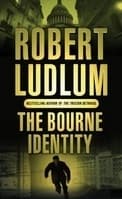
- The Bourne Identity
Robert Ludlum
4.0 (397k) average on GoodreadsThrillerLudlum's novel focuses more on individual identity, memory, and psychological suspense, with a narrower scope on personal stakes. Clancy's 'Clear and Present Danger' offers a much broader geopolitical canvas, exploring systemic conflicts and ethical dilemmas within government at a national security level, which is less prominent in Ludlum's work.
- The Day of the Jackal
Frederick Forsyth
4.3 (118k) average on GoodreadsThrillerForsyth's book is a masterclass in procedural tension, focusing on the meticulous planning and execution of a single assassination attempt. While incredibly detailed, it lacks the expansive, multi-front conflict, ensemble cast, and deep dive into the ethical quagmires of state-sanctioned covert warfare that are central to Clancy's 'Clear and Present Danger'. Clancy's work is grander in scale and addresses more complex moral questions.
- Angels & Demons
Dan Brown
3.9 (2.7M) average on GoodreadsThrillerA Harvard symbologist races through Rome's ancient sites, deciphering cryptic clues to unmask the Illuminati and stop a vengeful plot to destroy the Vatican with a stolen antimatter weapon.
- Gone Girl
Gillian Flynn
4.1 (2.3M) average on GoodreadsThrillerA wife's sudden disappearance on her fifth anniversary reveals a web of lies and psychological warfare, exposing the secrets within a seemingly perfect marriage.





Enjoyed the summary?
A summary gives you the shape of the book. The book itself has the detail, the examples and the voice.
Find Clear and Present Danger on AmazonAs an Amazon Associate, BookBrief earns from qualifying purchases. How we're funded