Estimated read time: 7 min read
One Sentence Summary
A comprehensive guide to software development best practices and techniques.
Table of Contents
Introduction
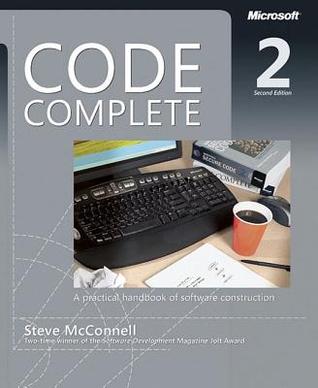
"Code Complete" by Steve McConnell is considered a classic in the field of software development. With its practical advice and insights, it has become an essential resource for programmers and software engineers. The book provides a comprehensive guide to writing clean, efficient, and high-quality code. It covers various topics, including software construction, design principles, debugging techniques, and team collaboration.
Brief Synopsis
The book starts by emphasizing the importance of writing good quality code and the impact it has on the success of software projects. McConnell explores the common pitfalls and challenges faced by developers and offers practical solutions to overcome them.
The plot of "Code Complete" revolves around the idea of software construction as a process of building and refining code. McConnell provides a step-by-step approach to software development, starting from the initial planning phase to the final testing and maintenance stages.
The setting of the book is not limited to a specific programming language or technology. McConnell's advice is applicable to various programming paradigms and can be adapted to different languages and environments.
Main Characters
The book does not have fictional characters. Instead, it focuses on the principles, techniques, and best practices of software development. However, the author, Steve McConnell, plays a significant role as the guide and mentor throughout the book. His deep understanding of software development and experience in the industry make him a trusted authority on the subject.
Summary of Different Story Points Over Chapters
Chapter 1: Welcome to Software Construction
In this chapter, McConnell introduces the concept of software construction and emphasizes the importance of writing high-quality code. He discusses the challenges faced by developers and presents an overview of the book's structure and content.
Chapter 2: Metaphors for a Richer Understanding of Software Development
McConnell explores the use of metaphors in software development to provide a deeper understanding of complex concepts. He discusses various metaphors and their implications for software construction.
Chapter 3: Measure Twice, Cut Once: Upstream Prerequisites
This chapter focuses on the importance of proper planning and preparation before starting the actual coding process. McConnell emphasizes the need for clear requirements, effective design, and thorough testing.
Chapter 4: Key Construction Decisions
McConnell explores the critical decisions that developers need to make during the construction phase. He discusses topics such as choosing the right programming language, selecting appropriate algorithms and data structures, and managing code dependencies.
Chapter 5: Design in Construction
In this chapter, McConnell delves into the principles and techniques of software design. He emphasizes the importance of modular and flexible designs and discusses various design approaches, including object-oriented design and structured design.
Chapter 6: Working Classes
McConnell focuses on the creation and management of classes in object-oriented programming. He explores topics such as class design, encapsulation, inheritance, and polymorphism.
Chapter 7: High-Quality Routines
This chapter delves into the details of writing high-quality code within individual routines or functions. McConnell discusses topics such as naming conventions, parameter passing, error handling, and code organization.
Chapter 8: Defensive Programming
McConnell emphasizes the importance of defensive programming to prevent and handle errors effectively. He discusses techniques such as assertions, error handling, and defensive coding practices.
Chapter 9: The Pseudocode Programming Process
In this chapter, McConnell introduces pseudocode as a tool for planning and documenting the construction process. He explains how pseudocode can help improve code quality and readability.
Chapter 10: General Issues in Using Variables
McConnell explores various aspects of working with variables, including naming conventions, variable scope, initialization, and type checking. He provides guidelines for writing clean and efficient code.
Chapter 11: The Power of Variable Declarations
This chapter focuses on the importance of proper variable declarations and their impact on code quality. McConnell discusses topics such as variable visibility, lifetime, and initialization.
Chapter 12: Statements and Statement Blocks
McConnell delves into the details of writing clear and concise statements and statement blocks. He discusses topics such as control structures, loop constructs, and conditional statements.
Chapter 13: Unusual Control Structures
In this chapter, McConnell explores less common control structures, such as exceptions, goto statements, and multi-level breaks. He discusses their appropriate use and potential pitfalls.
Chapter 14: Table-Driven Methods
McConnell presents the concept of table-driven methods as a technique for handling complex decision-making logic. He explains how tables can improve code readability and maintainability.
Chapter 15: General Control Issues
This chapter focuses on general control issues, including code branching, loop design, and error handling. McConnell provides guidelines for writing robust and maintainable control structures.
Chapter 16: Underlying Principles
McConnell discusses the underlying principles and concepts that drive software construction. He explores topics such as abstraction, information hiding, separation of concerns, and modularity.
Chapter 17: Collaborative Construction
In this chapter, McConnell emphasizes the importance of collaboration and teamwork in software development. He discusses effective communication, code reviews, and team dynamics.
Chapter 18: Developer Testing
McConnell explores the role of developer testing in ensuring code quality. He discusses various testing techniques and provides guidelines for writing effective test cases.
Chapter 19: Debugging
This chapter focuses on the art of debugging and troubleshooting software issues. McConnell discusses techniques for identifying and fixing bugs, as well as strategies for preventing them.
Chapter 20: Refactoring
McConnell introduces the concept of refactoring as a technique for improving the design and structure of existing code. He discusses various refactoring techniques and their benefits.
Main Events
"Code Complete" does not follow a specific storyline or narrative structure. Instead, it presents a collection of best practices, techniques, and principles for software development. The main events of the book revolve around the different chapters and topics covered, as outlined in the summary above.
Themes and Insights
The book explores several themes and provides valuable insights into software development. Some of the key themes include:
- Code Quality: McConnell emphasizes the importance of writing clean, efficient, and high-quality code. He provides practical advice and guidelines for improving code quality throughout the software development process.
- Software Design: The book delves into the principles and techniques of software design, including modularization, encapsulation, and abstraction. McConnell highlights the importance of good design practices in creating maintainable and scalable software systems.
- Collaboration and Teamwork: McConnell emphasizes the significance of collaboration and effective teamwork in software development. He discusses the benefits of code reviews, communication, and knowledge sharing among team members.
- Testing and Debugging: The book provides insights into effective testing and debugging techniques. McConnell highlights the importance of thorough testing and provides strategies for identifying and fixing software bugs.
- Continuous Improvement: McConnell emphasizes the need for continuous improvement in software development. He introduces concepts such as refactoring and encourages developers to strive for constant learning and growth.
Reader's Takeaway
"Code Complete" is a valuable resource for programmers and software engineers at all levels of expertise. The book provides practical advice, techniques, and best practices for writing high-quality code. Readers will gain a deeper understanding of software construction, design principles, and effective debugging and testing techniques. Additionally, the book highlights the importance of collaboration and continuous improvement in software development.
Conclusion
"Code Complete" by Steve McConnell is a must-read for anyone involved in software development. The book offers a comprehensive guide to writing clean, efficient, and high-quality code. McConnell's insights and practical advice can significantly improve the skills and practices of programmers and software engineers. "Code Complete" is a timeless resource that continues to be relevant in an ever-evolving field.
Code Complete FAQ
What is the main focus of 'Code Complete'?
The main focus of 'Code Complete' is on the practical techniques and best practices for software development.
Who is the author of 'Code Complete'?
The author of 'Code Complete' is Steve McConnell.
What topics are covered in 'Code Complete'?
The book covers a wide range of topics including coding style, program design, debugging, testing, and software maintenance.
Is 'Code Complete' suitable for beginners?
While 'Code Complete' is primarily aimed at professional software developers, it can also be beneficial for beginners who want to learn best practices from the start.
Are there any code examples in 'Code Complete'?
Yes, 'Code Complete' includes numerous code examples and case studies to illustrate the concepts discussed.
Is 'Code Complete' specific to a particular programming language?
No, 'Code Complete' is not specific to any particular programming language. The principles and techniques discussed are applicable to most programming languages.
Is 'Code Complete' focused on a specific software development methodology?
'Code Complete' is not tied to a specific software development methodology. It provides general guidelines that can be adapted to different methodologies.
Does 'Code Complete' cover code optimization techniques?
Yes, 'Code Complete' includes a section on code optimization techniques and provides insights on when, where, and how to optimize code.
Is 'Code Complete' suitable for experienced software developers?
Yes, 'Code Complete' is highly regarded among experienced software developers as a valuable resource for improving coding skills and adopting best practices.
Is 'Code Complete' a recent publication?
'Code Complete' was first published in 1993, but it has been revised and updated over the years to incorporate new insights and industry trends.