

Synopsis
Covers the whole plot, including the ending.
- Difficulty
- Easy
- Pacing
- Moderate
- Mood
- Emotional, Romantic, Dramatic, Hopeful
- Read it if
- You enjoy emotionally charged contemporary romances with significant drama, secrets, and a strong focus on healing and second chances.
- Skip it if
- You dislike intense emotional conflict, manipulative ex-partners, or plots that heavily rely on secrets and misunderstandings.
Confess Plot Summary
Covers the whole plot, including the ending.
A New Start and a Chance Encounter
Auburn Reed, 21, moves to Dallas, Texas, for a fresh start after a tragic past. She wants to earn enough money to gain custody of her five-year-old son, A.J., who lives with his paternal grandmother, Lydia, and Lydia's controlling daughter-in-law, Trey. Auburn sees a 'help wanted' sign at an art gallery and studio. Inside, she meets the mysterious artist, Owen Gentry, who is holding an impromptu art show featuring anonymous confessions. Despite her initial hesitation, Auburn feels an undeniable pull towards Owen and, needing the job, agrees to work for him. This marks the beginning of their complicated relationship.
Instant Connection and Shared Vulnerabilities
Auburn and Owen's connection deepens quickly. During her first shift, Owen asks Auburn to paint a picture based on a confession he reads aloud, and their artistic collaboration sparks intense chemistry. They spend the evening talking and sharing personal details, though both hold back significant parts of their pasts. Auburn reveals her desire to regain custody of her son, A.J., while Owen hints at a painful secret that influences his art. Their mutual vulnerability and the raw emotion behind Owen's art draw them closer, hinting at a potential romance despite Auburn's strict focus on her son.
The First Obstacle: Trey's Interference
Auburn tries to visit her son, A.J., at Lydia's house, but Trey, Lydia's daughter-in-law, meets her with hostility. Trey makes it clear that she and Lydia believe Auburn is an unfit mother and will do everything to prevent her from gaining custody. This encounter deeply frustrates Auburn, showing the immense uphill battle she faces to be reunited with A.J. The scene highlights the emotional stakes of Auburn's struggle and Trey's cruel tactics, making Auburn's need for a stable job and income even more urgent. Owen, seeing Auburn's distress, offers her comfort and support, further solidifying their bond.
The Confession and the Revelation
Owen tells Auburn that one of the anonymous confessions, a particularly sad one about a young boy's death, is his own. He explains that his younger brother, Adam, died due to a tragic accident caused by Owen's momentary negligence when they were children. This confession has haunted him and is the primary inspiration for his art, a way to process his guilt and grief. This revelation helps Auburn understand Owen's character and artistic motivations, explaining his intensity and the sadness that often underlies his work. It also creates a new layer of intimacy and trust between them, as Auburn now understands the depth of his pain.
A Secret Relationship and Growing Affection
Despite the complexities of Auburn's life and her custody battle, she and Owen continue to grow closer, starting a secret relationship. They spend time together at the studio and Owen's apartment, sharing intimate moments and learning more about each other's pasts. Owen's support and understanding provide Auburn with a much-needed emotional anchor, while Auburn's presence brings a new lightness into Owen's life. Their affection for each other deepens, but the shadow of Auburn's custody case and the secrets they both hold loom over their blossoming romance, threatening to expose vulnerabilities and create further complications.
The Custody Hearing and Betrayal
The custody hearing for A.J. arrives, and Auburn is hopeful but nervous. During the proceedings, Trey presents evidence that devastates Auburn's case: photographs of Owen's art, specifically paintings inspired by the confession of his brother's death, along with details of Owen's past. Trey twists the narrative, portraying Owen as unstable and dangerous, implying that Auburn's association with him makes her an unfit mother. Auburn is blindsided and heartbroken, realizing that her relationship with Owen has been used against her. The judge rules in favor of Lydia, denying Auburn custody and shattering her dreams of being reunited with A.J.
The Truth Behind the Sabotage
Devastated by the custody ruling, Auburn confronts Owen, believing he somehow betrayed her. Owen, equally shocked, reveals a crucial piece of information: his deceased brother, Adam, was the son of Trey's brother, giving Trey a personal vendetta against Owen and, by extension, Auburn. Trey had been dating Owen's father before Owen's brother died, making her connection to the tragedy personal and her desire to ruin Owen (and anyone associated with him) immense. This revelation clarifies Trey's extreme malice and her motivation for using Owen's past against Auburn. It also explains how Trey knew so much about Owen's art and history, as she had been secretly observing him.
A Forced Separation
Following the disastrous custody hearing and the revelation of Trey's deep-seated vendetta, Trey blackmails Auburn. She threatens to ensure Auburn never sees A.J. again if she continues her relationship with Owen. Faced with an impossible choice, and prioritizing her son's well-being, Auburn makes the heartbreaking decision to break up with Owen. She goes to his studio, feigning indifference and delivering a painful rejection, knowing it's the only way to protect A.J. from Trey's manipulative schemes. Owen is crushed, unable to understand Auburn's sudden change of heart, completely unaware of the blackmail.
Owen's Persistence and Unveiling the Truth
Despite Auburn's harsh rejection, Owen refuses to believe she genuinely wants him out of her life. He persists, trying to understand her sudden change. He begins to investigate Trey, suspecting her involvement in Auburn's changed demeanor. Through his own efforts, Owen uncovers Trey's manipulative blackmail scheme. He learns that Trey threatened Auburn with permanent separation from A.J. if she didn't end their relationship. Armed with this knowledge, Owen realizes the depth of Auburn's sacrifice and her love for her son, solidifying his determination to fight for her and expose Trey's actions.
Reunion and a Plan for Justice
Owen confronts Auburn with the truth, revealing he knows about Trey's blackmail. Auburn, relieved and heartbroken, finally confesses the full extent of Trey's manipulation and her desperate choice. They reconcile, their love for each other stronger than ever. Together, they formulate a plan to expose Trey's unethical behavior and secure Auburn's rightful place in A.J.'s life. Their strategy involves gathering evidence of Trey's threats and using it to challenge the previous custody ruling, hoping to finally bring justice to Auburn and reunite her with her son, free from Trey's interference.
The Confession Exhibit and Public Exposure
Owen decides to use his art, specifically a new exhibit of his confession paintings, as a platform to expose Trey's manipulation. He subtly incorporates elements that hint at Trey's vindictive nature and the injustice Auburn faced, while also showing the purity of his and Auburn's love. The exhibit attracts significant attention, drawing the public's eye to the emotional depth of his work and, implicitly, to the story of a mother fighting for her child. This public display not only strengthens their case but also gains public sympathy for Auburn, creating a powerful narrative that could sway future legal proceedings.
Legal Victory and a New Beginning
Armed with new evidence and public awareness, Auburn and Owen present their case to the court. Trey's manipulative tactics are exposed, and her credibility is shattered. The judge, seeing the clear evidence of blackmail and the genuine love between Auburn and Owen, reverses the previous custody decision. Auburn is finally granted full custody of A.J. The story concludes with Auburn, A.J., and Owen starting their new life together as a family. Auburn's long-fought battle for her son ends in triumph, and she finds not only her son but also a deep and lasting love with Owen, fulfilling her dreams of a complete family.
Confess Characters
Auburn Reed
Protagonist
A determined mother fighting to regain custody of her son.
Auburn is a 21-year-old woman burdened by a tragic past and an unwavering resolve to regain custody of her five-year-old son, A.J. She is resilient, emotionally guarded, and deeply loving, though her circumstances have forced her to make difficult sacrifices. She prioritizes A.J. above all else, which often leads her to make choices that are personally painful but necessary for his well-being. She is artistic and empathetic, drawn to Owen's unique talent and honesty.
Relationships: Owen Gentry (Love interest, artistic collaborator, emotional support); A.J. (Son, primary motivation); Lydia (A.J.'s paternal grandmother, legal guardian); Trey (Lydia's daughter-in-law, antagonist, blackmailer)
Owen Gentry
Protagonist/Love Interest
An enigmatic artist haunted by his past, who finds love and purpose.
Owen is a talented and introspective artist who owns a gallery and studio in Dallas. He is deeply affected by the accidental death of his younger brother, Adam, an event he attributes to his own childhood negligence. This guilt drives his unique art, which incorporates anonymous confessions. He is perceptive, kind, and fiercely loyal, falling deeply in love with Auburn. He initially keeps his past a secret, but his honesty and vulnerability are key to his connection with Auburn. He is also determined to protect those he cares about.
Relationships: Auburn Reed (Love interest, artistic collaborator, emotional anchor); Adam (Deceased younger brother, source of guilt and artistic inspiration); Trey (Antagonist, ex-girlfriend of his father, holds a grudge against him)
A.J.
Supporting
Auburn's five-year-old son, the central focus of her fight.
A.J. is Auburn's young son, who lives with his paternal grandmother, Lydia, and Trey. He is a sweet, innocent child who deeply misses his mother. Although his direct appearances are limited, his presence and well-being are the driving force behind all of Auburn's decisions and sacrifices. He represents hope, family, and the future Auburn desperately wants to reclaim.
Relationships: Auburn Reed (Mother); Lydia (Paternal grandmother, current guardian); Trey (A.J.'s paternal aunt by marriage, antagonist)
Lydia
Supporting/Antagonist
A.J.'s paternal grandmother, who holds custody of him.
Lydia is A.J.'s paternal grandmother and the legal guardian of A.J. She is influenced heavily by her daughter-in-law, Trey, and genuinely believes that Auburn is an unfit mother, largely due to Trey's manipulative influence. While not inherently malicious, her actions, driven by a misguided sense of protection and loyalty to Trey, contribute to Auburn's suffering and the denial of her custody rights. She is a grieving mother herself, having lost her son, and this grief makes her susceptible to Trey's control.
Relationships: A.J. (Grandson, legal ward); Trey (Daughter-in-law, influential figure); Auburn Reed (A.J.'s mother, whom she initially distrusts)
Trey
Antagonist
Lydia's manipulative daughter-in-law, driven by a deep-seated vendetta.
Trey is the primary antagonist of the story. She is Lydia's daughter-in-law and the ex-girlfriend of Owen's father, making her connection to Owen's tragic past deeply personal. She harbors a bitter grudge against Owen and, by extension, anyone he cares about. Trey is manipulative, vindictive, and relentless in her efforts to sabotage Auburn's chances of regaining custody of A.J., using blackmail and deceit to achieve her goals. Her actions are fueled by a desire for revenge and control.
Relationships: Auburn Reed (Antagonist, blackmails her); Owen Gentry (Object of her vendetta); Lydia (Influences her decisions regarding A.J.)
Adam
Mentioned
Owen's deceased younger brother, whose death deeply impacts Owen.
Adam is Owen's younger brother, who died in a tragic accident when they were children. His death is the central trauma in Owen's life and the inspiration for his confession-based art. Although only mentioned through Owen's memories and confessions, Adam's story is crucial to understanding Owen's character, his guilt, and his artistic motivations. His death also connects Owen to Trey's family, as Adam was Trey's brother's son, intensifying Trey's animosity.
Relationships: Owen Gentry (Older brother); Trey (Her brother's son, indirectly fueling her revenge)
Confess Themes
The Power of Confession and Art as Therapy
The novel shows how sharing secrets and expressing inner turmoil through art can be cathartic and healing. Owen's entire artistic premise revolves around anonymous confessions, allowing strangers to unload their burdens and providing him with material to process his own guilt over his brother's death. Auburn also finds solace in opening up to Owen and expressing her pain through painting, showing art's ability to provide an outlet for unspoken grief and trauma. This theme is central to Owen's character and his studio, where confessions are literally brought to life through paint on canvas, creating a shared human experience.
“'Sometimes a person needs to be told they're not broken, that they're just breaking.'”
Unconditional Love and Sacrifice
This theme is clear in Auburn's relentless fight for her son, A.J., and the sacrifices she makes for him. Her love for A.J. drives all her major decisions, including her willingness to leave Owen when blackmailed by Trey. Owen's love for Auburn also shows sacrifice, as he endures her forced rejection, but then persistently fights for her and A.J. once he understands the truth. The story emphasizes that true love often requires personal sacrifice and putting another's well-being above one's own desires, leading to a stronger, more resilient bond.
“'You can't be brave if you've only had good things happen to you.'”
The Weight of the Past and Forgiveness
Both Auburn and Owen are deeply affected by their pasts. Auburn's life is shaped by the tragic death of her fiancé and the subsequent loss of custody of A.J., while Owen carries guilt over his brother's accidental death. The novel explores how these past traumas continue to influence their present choices and relationships. Forgiveness, both of oneself and of others, is a crucial element for healing and moving forward. Owen's art is an attempt at self-forgiveness, and Auburn's journey is about forgiving herself for circumstances beyond her control and forgiving others for their roles in her pain, allowing her to embrace a future free from past burdens.
“'The only way to move forward is to let go of the past.'”
Justice and Redemption
The narrative is largely driven by Auburn's quest for justice—to regain custody of her son and to expose Trey's manipulative actions. Her journey is one of redemption, not just for herself in the eyes of the law, but also for her self-perception as a mother. Owen also seeks a form of redemption through his art, attempting to atone for his perceived past failings. The resolution of the story sees justice served as Trey's schemes are uncovered, leading to Auburn's triumph and a fair outcome, allowing both protagonists to find peace and a chance at a new, redemptive future.
“'It's not about making things right, it's about making things happen.'”
Plot Devices & Literary Techniques
Anonymous Confessions
A collection of submitted secrets that inspire Owen's art and drive the narrative.
The anonymous confessions are a central plot device. Owen collects these handwritten confessions from strangers, using them as inspiration for his paintings. This device serves multiple purposes: it introduces the audience to Owen's unique artistic process, reveals facets of human experience, and most importantly, one of the confessions turns out to be Owen's own, revealing his deepest secret about his brother's death. This personal confession becomes a critical element in understanding his character and is later manipulated by the antagonist, Trey, to sabotage Auburn's custody case. The confessions also act as a metaphor for the secrets and burdens characters carry.
Blackmail
Trey's manipulation of Auburn to separate her from Owen.
Blackmail is a pivotal plot device used by the antagonist, Trey. After Auburn loses custody of A.J., Trey threatens Auburn, stating that if she continues her relationship with Owen, she will ensure Auburn never sees her son again. This forces Auburn to make the heartbreaking decision to break up with Owen, creating a significant emotional rift and a major obstacle in their relationship. The blackmail highlights Trey's maliciousness and the high stakes of Auburn's custody battle, ultimately leading to Owen's investigation and the eventual exposure of Trey's tactics.
The Art Studio/Gallery
The primary setting where Auburn and Owen meet and their relationship develops.
Owen's art studio and gallery serve as the central setting and a significant plot device. It's where Auburn first encounters Owen and where their initial attraction and connection are forged through their shared artistic endeavors. The studio is a place of creation, vulnerability, and revelation, as Owen's art, based on confessions, is displayed there. It becomes a sanctuary for their budding romance but also a place where secrets are exposed. The studio is both a catalyst for their relationship and a symbol of their shared artistic and emotional journey, eventually becoming the platform for Owen's public exposure of Trey's actions.
Custody Battle
Auburn's legal fight to regain her son, driving much of the conflict.
Auburn's ongoing custody battle for her son, A.J., is the overarching conflict and a powerful plot device. It establishes her primary motivation, creates urgency, and dictates many of her choices, including her initial reluctance to pursue a relationship with Owen and her eventual forced separation from him. The legal proceedings provide a framework for the antagonist's interference and the escalating stakes. The resolution of the custody battle signifies Auburn's ultimate victory and the happy ending for her and Owen, making it the central external conflict that propels the entire narrative forward.
Confess Quotes
“If you only shine light on your accomplishments and hide all your flaws, then people are never going to see the real you.”
“Sometimes in life, we all need a reason to stay.”
“It’s not the person who completes you, it’s the person who accepts you completely.”
“Every time I look at you, I see a new reason to fall in love.”
“I think I've been in love with you since the day I first saw you, even though I didn't know it was love until now.”
“Regret is a disease. And it will eat you alive.”
“You can’t control the past, but you can control where you go from here.”
“Sometimes you have to choose between a good life and a bad one. And sometimes, just sometimes, you choose the bad one because you’re afraid of the good.”
“There are some people you meet in life who make you feel like you’ve known them forever.”
“When you find something that makes you happy, you don’t let anyone take it from you.”
“I want to be your favorite hello and your hardest goodbye.”
“The greatest regret of my life isn't that I loved you. It's that I didn't love you enough.”
“Don’t ever let anyone dull your sparkle.”
“Love isn't always convenient. Love isn't always pretty. But when it's real, it's worth fighting for.”
Quiz
10 questions on the plot and the characters. Each answer comes with a short explanation.
Question 1
What is Auburn Reed's primary motivation for moving to Dallas?
- To escape her past relationship with Adam.
- To be closer to her son, AJ, who lives with his paternal grandmother.
- To pursue a career as an artist.
- To start a new life with her best friend, Emory.
Show answer
B. To be closer to her son, AJ, who lives with his paternal grandmother. Auburn moved to Dallas specifically to be near her son, AJ, and to fight for custody, as he lives with Trey and Lydia.
Question 2
What unique concept does Owen Gentry incorporate into his art studio?
- He only paints portraits of people he knows personally.
- He uses only natural, earth-based pigments.
- He paints based on anonymous confessions submitted by strangers.
- He hosts live art battles for charity.
Show answer
C. He paints based on anonymous confessions submitted by strangers. Owen's art studio is unique because he creates paintings inspired by anonymous confessions people submit to him, which gives the book its title.
Question 3
Who is Trey, and what is his relationship to Auburn?
- He is Auburn's estranged father.
- He is the brother of Adam, Auburn's deceased ex-boyfriend, and co-guardian of AJ.
- He is Owen's former art mentor.
- He is Auburn's boss at her other job.
Show answer
B. He is the brother of Adam, Auburn's deceased ex-boyfriend, and co-guardian of AJ. Trey is Adam's brother and, along with his mother Lydia, has custody of Auburn's son, AJ. He is a significant antagonist in Auburn's life.
Question 4
What is the secret Owen Gentry is hiding that threatens Auburn's life?
- He is secretly married to another woman.
- He is a struggling artist with significant debt.
- He was involved in the car accident that killed Adam, Auburn's ex-boyfriend.
- He is planning to move out of Dallas permanently.
Show answer
C. He was involved in the car accident that killed Adam, Auburn's ex-boyfriend. Owen's secret, and the major conflict of the plot, is that he was the driver of the car involved in the accident that killed Adam and Auburn's unborn child.
Question 5
What is the significance of the number '8' to Owen?
- It's the number of years he's been an artist.
- It represents the number of anonymous confessions he paints each month.
- It's the time of day he was involved in the accident that changed his life.
- It's the number of siblings he has.
Show answer
C. It's the time of day he was involved in the accident that changed his life. Owen mentions that '8' is a significant number to him because the car accident that killed Adam and Auburn's child happened at 8:00 PM.
Question 6
Why does Auburn initially need a job so desperately?
- To pay for her art school tuition.
- To save money to move to another city.
- To meet the financial requirements set by Trey and Lydia to have visitation with AJ.
- To buy a new car after hers broke down.
Show answer
C. To meet the financial requirements set by Trey and Lydia to have visitation with AJ. Auburn needs a steady income to satisfy the conditions set by Trey and Lydia, who are using her financial instability as a reason to deny her more time with AJ.
Question 7
What is the primary theme explored through Owen's art and the confessions?
- The fleeting nature of fame.
- The power of forgiveness and redemption.
- The beauty of the human form.
- The conflict between modern and traditional art.
Show answer
B. The power of forgiveness and redemption. The confessions and Owen's art directly deal with people revealing their deepest regrets and secrets, often seeking a form of release or understanding, which ties into themes of forgiveness and redemption, both for the confessors and for Owen himself.
Question 8
What does Auburn confess to Owen that he later paints?
- That she secretly wishes she had never left her hometown.
- That she regrets not fighting harder for Adam before he died.
- That she was pregnant with Adam's child when he died, and that child also died.
- That she has always wanted to be an artist herself.
Show answer
C. That she was pregnant with Adam's child when he died, and that child also died. Auburn confesses to Owen the devastating truth about losing her unborn child in the same accident that took Adam's life, a confession Owen later paints.
Question 9
How does Owen's brother, Harrison, contribute to the plot?
- He encourages Owen to give up painting.
- He provides legal advice to Auburn regarding AJ's custody.
- He reveals Owen's secret about the accident to Auburn.
- He is a rival artist competing with Owen.
Show answer
C. He reveals Owen's secret about the accident to Auburn. Harrison is the one who ultimately reveals the truth about Owen's involvement in the car accident to Auburn, believing it's for her own good.
Question 10
What significant item does Auburn retrieve from Owen's studio that further complicates her relationship with Trey and Lydia?
- A letter from Adam to her.
- The painting Owen made based on her confession.
- Owen's personal journal.
- A photograph of Owen with Adam.
Show answer
B. The painting Owen made based on her confession. Auburn retrieves the painting Owen made of her confession about losing her child. This painting, when discovered by Trey and Lydia, provides them with 'evidence' they try to use against her, showing her connection to Owen and the painful past.
Confess FAQ
What is Auburn Reed's primary motivation at the beginning of the story?
Auburn Reed's primary motivation is to regain custody of her son, A.J., from his paternal grandmother, Lydia. She is working multiple jobs and saving every penny to afford legal representation and prove her stability, making her extremely cautious about anything that could jeopardize her efforts.
How do Auburn and Owen Gentry initially meet?
Auburn and Owen meet when she stumbles into his art gallery, Confess, believing it to be the accounting firm she was scheduled to interview with. Owen, amused by her mistake, offers her an immediate job as his assistant, needing someone to help with the gallery's front desk.
What is unique about Owen Gentry's art?
Owen's art is unique because he paints based on anonymous confessions submitted by strangers. Each painting visually interprets a written confession, making his work deeply personal yet universally resonant, and gives his gallery its name, 'Confess.'
Who is Trey and what is his relationship with Auburn?
Trey is Auburn's former boyfriend and the brother of Adam, A.J.'s deceased father. He lives with Auburn and her roommate, Emory, and is often manipulative and controlling, frequently using her vulnerability over A.J. to keep her close.
What is the 'huge secret' Owen is hiding from Auburn?
Owen's huge secret is that he was directly involved in the car accident that killed Adam, Auburn's first love and A.J.'s father. He was the driver of the other vehicle, though not at fault, and has been carrying the guilt and the burden of that connection to Auburn's past.
How does Owen's art reflect his own hidden struggles?
Owen's art, based on confessions, reflects his own hidden struggles with guilt and the weight of his past. While he paints others' secrets, the act of creating art from raw human emotion is a cathartic process that indirectly addresses his own suppressed pain and the secret of his involvement in Adam's death.
What is the significance of the specific confession 'I killed the man I loved' in Owen's gallery?
The confession 'I killed the man I loved' is significant because it's submitted by Lydia, A.J.'s grandmother, referring to Adam's father, who she believes she drove to his death through her actions. Owen, unaware of the confessor's identity, paints it, unknowingly creating a piece tied to Auburn's son's family.
How does the 'confession' motif extend beyond Owen's art into the characters' personal lives?
The 'confession' motif extends into characters' personal lives as they are all burdened by secrets they struggle to reveal. Owen hides his past with Adam, Auburn hides her desire for A.J. from Trey, and Trey hides his manipulative nature, showing that everyone has something they need to confess to find freedom.
What role does Emery play in Auburn's life and the plot?
Emery is Auburn's loyal roommate and best friend, providing emotional support and a sense of normalcy amidst Auburn's struggles. She often encourages Auburn to take chances and stands by her, even when Auburn's choices seem risky or lead to complications with Trey.
How does Auburn's past trauma with Adam's death influence her decisions regarding Owen?
Auburn's past trauma makes her initially hesitant to trust and open up to Owen, fearing another devastating loss or betrayal. Her deep love for Adam and the pain of his death make her extremely cautious about new relationships, especially one that could jeopardize her goal of getting A.J. back.
Analyze Owen's coping mechanism of painting confessions.
Owen's painting of confessions serves as a profound coping mechanism, allowing him to externalize and process complex emotions without directly confronting his own. By giving a voice to others' burdens, he indirectly grapples with his own guilt and secret regarding the accident, using art as a form of vicarious therapy.
How does Trey's manipulative behavior impact Auburn's self-worth and decision-making?
Trey's manipulative behavior, often disguised as concern for A.J., erodes Auburn's self-worth by making her feel indebted and incapable of independent decisions. He exploits her vulnerability, leading her to question her judgment and making it harder for her to break free from his control, out of fear for A.J.'s well-being.
Discuss the psychological impact of secrets on the main characters in 'Confess'.
Secrets profoundly isolate and burden the main characters. Owen's secret about Adam's death causes him immense guilt and prevents him from fully connecting. Auburn's secret desire for A.J. and her difficult living situation make her feel ashamed and trapped, hindering her ability to pursue happiness and trust others freely.
Is Owen truly 'at fault' for Adam's death, and how does the book explore this nuance?
The book explores the nuance by clarifying Owen was not legally at fault for Adam's death, as Adam was driving under the influence. However, Owen carries immense emotional guilt, believing he contributed to the tragedy. This distinction highlights the difference between legal culpability and personal moral responsibility, a central theme of the story.
How does the theme of forgiveness manifest throughout the story, both for oneself and others?
The theme of forgiveness manifests as characters struggle to forgive themselves and others. Owen seeks Auburn's forgiveness for his past, and Auburn must learn to forgive Owen, but also herself, for choices made under duress. The narrative suggests that true healing comes from letting go of blame and embracing understanding.
What is the ultimate message about love and trust that 'Confess' conveys?
'Confess' conveys that true love requires profound trust and radical honesty, even when truths are painful. It suggests that genuine connection can only flourish when individuals are brave enough to reveal their deepest secrets and vulnerabilities, and when partners are willing to accept and forgive those truths.
How does the ending resolve the conflict between Auburn's love for Owen and her desire for A.J.?
The ending resolves this conflict by having Owen and Auburn confront Trey and Lydia, exposing Trey's manipulation. Auburn ultimately gains custody of A.J., and Owen's past is revealed and understood. This allows Auburn to have both her son and a future with Owen, demonstrating that honesty and courage can lead to happiness.
Discuss the symbolic meaning of the title 'Confess'.
The title 'Confess' symbolically represents the core journey of all characters, not just Owen's art. It signifies the necessity of revealing hidden truths, secrets, and vulnerabilities to achieve emotional freedom, forgiveness, and genuine connection. Everyone in the story has something they need to 'confess' to move forward.
About the author

Colleen Hoover is a prolific American author best known for her contemporary romance and young adult fiction. Her novels often explore complex emotional themes and relationships, resonating deeply with a large readership. Notable works include 'It Ends with Us', 'Verity', and 'Ugly Love', which have achieved widespread commercial success and bestseller status.
Similar books
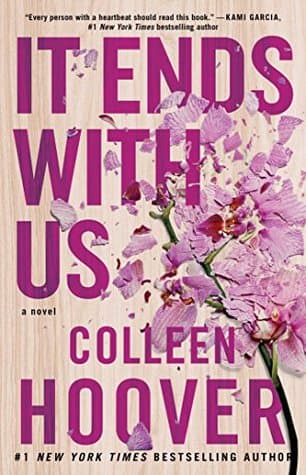
- It Ends with Us
Colleen Hoover
4.4 (212k) average on GoodreadsYoung AdultFeatures a strong female protagonist overcoming past trauma and navigating a complicated, intense romance with secrets.
- Ugly Love
Colleen Hoover
4.3 (173k) average on GoodreadsYoung AdultExplores a relationship built on unconventional terms, deep emotional connection, and characters dealing with painful pasts.
- Maybe Someday
Colleen Hoover
4.3 (169k) average on GoodreadsYoung AdultInvolves characters finding love amidst difficult circumstances, secrets, and a focus on artistic expression as a coping mechanism.
- Harry Potter and the Sorcerer's Stone
J.K. Rowling
4.5 (7M) average on GoodreadsFantasyRescued from a miserable life under the stairs, an orphaned boy discovers he's a wizard destined for a magical school, where he uncovers a dangerous secret tied to the dark wizard who murdered his parents.
- The Hunger Games
Suzanne Collins
4.3 (6.4M) average on GoodreadsFantasyIn a future where children fight to the death on live television, Katniss Everdeen volunteers for the arena, turning a death sentence into a fight for survival and a spark of rebellion.
- To Kill a Mockingbird
Harper Lee
4.3 (4.5M) average on GoodreadsHistorical FictionIn the 1930s Jim Crow South, Harper Lee writes about racial injustice, moral growth, and the quiet courage of a lawyer father, Atticus Finch, as seen through his young daughter's eyes.





Enjoyed the summary?
A summary gives you the shape of the book. The book itself has the detail, the examples and the voice.
Find Confess on AmazonAs an Amazon Associate, BookBrief earns from qualifying purchases. How we're funded