

Synopsis
Covers the whole plot, including the ending.
- Difficulty
- Medium
- Pacing
- Moderate
- Mood
- Gritty, Suspenseful, Empathetic, Dark
- Read it if
- You enjoy gritty police procedurals, cold case mysteries, and the dynamic between seasoned and rising detectives. Fans of Michael Connelly's Harry Bosch series will appreciate this crossover.
- Skip it if
- You prefer lighthearted mysteries or are sensitive to descriptions of violence against minors and the harsh realities of street life.
Dark Sacred Night Plot Summary
Covers the whole plot, including the ending.
A Midnight Intruder and a Cold Case
LAPD Detective Renée Ballard, working the late-night shift in Hollywood, returns to the station's archives room to find an unauthorized man looking through old files. The man is retired LAPD Detective Harry Bosch, investigating the unsolved murder of fifteen-year-old Daisy Clayton, a runaway found in a dumpster in 2004. Ballard, annoyed by Bosch's presence and lack of official clearance, confronts him. Bosch explains his personal connection to the case, driven by a promise to Daisy's mother, and his belief the original investigation was flawed. He leaves after Ballard insists, but his dedication interests her.
Ballard's Empathy and Initial Investigation
After Bosch leaves, Ballard's professional curiosity turns into a deeper empathy for Daisy Clayton. She accesses the cold case files herself, reviewing reports, crime scene photos, and witness statements. The brutality of Daisy's murder, her neglect as a runaway, and the lack of progress in the initial investigation disturb Ballard. She sees a young girl who was forgotten and a case that needs justice. Despite her night shift duties and the risks of helping an unsanctioned retired detective, Ballard decides to unofficially help Bosch, recognizing it is the right thing to do.
An Unlikely Partnership Forms
Ballard contacts Harry Bosch, offering her assistance. Bosch accepts, recognizing her access to police resources and her sharp investigative skills, forming an unconventional partnership. They agree to work discreetly, with Ballard using her active-duty status to access databases and interview contacts, while Bosch uses his experience and network. Their initial focus is on re-interviewing original witnesses and re-examining evidence, starting with Daisy's last known whereabouts and the people she knew on the streets of Hollywood. They understand they need secrecy to avoid departmental interference and protect their progress.
The World of Runaways and Street Life
Ballard and Bosch learn about Daisy Clayton's life as a runaway. They visit areas Daisy frequented, interviewing former street kids, shelter workers, and low-level drug dealers who might have known her. They learn about Daisy's vulnerability, her struggles with addiction, and her efforts to survive on the streets. This part of the investigation shows the dangers she faced from predators. They find leads suggesting Daisy might have been involved in sex work, a common situation for many runaways, and that she had a regular spot where she slept near a particular motel.
Revisiting Key Witnesses and New Suspects
The duo revisits key figures from the original investigation, including Daisy's mother, Elizabeth Clayton, who provides more context about Daisy's home life before she ran away. They also re-interview individuals like Joey Marks, a former pimp connected to Daisy. Their fresh perspective and Ballard's police authority let them uncover inconsistencies and new details that were missed. They begin to focus on a particular motel where Daisy was known to stay and an older man seen with her, shifting their attention to potential new suspects.
The Motel Connection and a Disturbing Pattern
Ballard and Bosch focus their efforts on the Hollywood Regency Inn, a rundown motel where Daisy spent time. They discover the motel was a center for prostitution and drug activity, and Daisy was likely exploited there. Through surveillance and interviews, they identify people involved in trafficking young runaways. They narrow their focus to Arthur Delacroix, who worked at the motel and had a history of suspicious interactions with young girls. His name was briefly mentioned in the original report but not fully investigated, making Bosch believe Delacroix was protected.
Confronting Delacroix and Uncovering the Truth
Ballard and Bosch, now sure Arthur Delacroix is involved, plan to confront him. They gather enough circumstantial evidence and inconsistencies in his previous statements to pressure him. During an interrogation, Delacroix confesses to his role in Daisy's exploitation and reveals the killer: his nephew, Jeffrey Delacroix. Jeffrey, a violent man, lived with Arthur at the time and murdered Daisy after she tried to leave. Arthur covered up the crime, disposing of evidence and misleading investigators to protect his nephew and his own illegal activities.
The Capture and Aftermath
With Arthur Delacroix's confession, Ballard and Bosch quickly apprehend Jeffrey Delacroix. They track him to a remote location, and after a brief confrontation, Jeffrey is arrested. The evidence gathered, combined with Arthur's testimony, strengthens the case against him. Justice finally comes to Daisy Clayton after fourteen years. The successful resolution of the cold case brings closure to Elizabeth Clayton and satisfaction to both Ballard and Bosch. Their partnership shows the importance of persistence and empathy in solving forgotten crimes.
Bosch's Promise Fulfilled and Ballard's Future
Harry Bosch tells Elizabeth Clayton about the arrest and the details of Daisy's murder, fulfilling his promise to her. He finds peace in bringing justice to Daisy. For Renée Ballard, the case strengthens her commitment to her work and her belief in fighting for those who have no voice. The experience solidifies her respect for Bosch and their unspoken understanding. Despite their differences, they share a fundamental drive for justice. Ballard returns to her night shift, with a renewed sense of purpose and Bosch's influence on her career.
Principal Figures
Renée Ballard
Protagonist
LAPD Detective working the night shift, driven by a strong sense of justice.
Renée Ballard is an LAPD detective assigned to the night shift, known as 'the late show.' She is a tenacious, independent, and ethical officer who was previously demoted after filing a sexual harassment complaint against her former superior. This experience has made her wary of authority but also deeply committed to upholding justice, especially for victims who have been marginalized. She is a skilled investigator, resourceful and intuitive, often preferring to work alone. Her empathy for Daisy Clayton's plight drives her to assist Harry Bosch, despite the professional risks involved, showcasing her moral compass and dedication.
Relationships: Harry Bosch (Unlikely investigative partner, mentor-like figure); Daisy Clayton (Victim whose case Ballard champions, driving her actions)
Harry Bosch
Co-protagonist
Retired LAPD detective, haunted by cold cases and a relentless pursuit of justice.
Harry Bosch is a retired LAPD homicide detective who continues to work cold cases, often fueled by personal connections and a deep-seated belief that 'everybody counts or nobody counts.' He is a loner, meticulous, and often operates outside official channels, which frequently puts him at odds with the police department. Bosch is driven by a promise he made to Daisy Clayton's mother and a sense that her case was mishandled. He is a seasoned investigator, relying on his instincts and vast experience. His partnership with Ballard is initially one of necessity, but it evolves into a mutual respect for their shared dedication to justice.
Relationships: Renée Ballard (Unlikely investigative partner, mentee-like figure); Daisy Clayton (Victim whose cold case Bosch is dedicated to solving); Elizabeth Clayton (Daisy's mother, to whom Bosch made a promise)
Daisy Clayton
Victim
Fifteen-year-old runaway whose unsolved murder is the central mystery.
Daisy Clayton was a fifteen-year-old runaway who left her troubled home life in San Diego for the streets of Hollywood in 2004. Vulnerable and struggling with addiction, she fell into a dangerous world of street life, exploitation, and prostitution. Her brutal murder and the subsequent cold case become the catalyst for the entire narrative. Though deceased, her story and the injustice she suffered are central to the motivations of both Ballard and Bosch. She represents the forgotten victims, those who slip through the cracks of society and the justice system.
Relationships: Elizabeth Clayton (Her mother); Arthur Delacroix (Her exploiter); Jeffrey Delacroix (Her killer)
Elizabeth Clayton
Supporting
Daisy's grieving mother, who maintains hope for justice.
Elizabeth Clayton is Daisy's mother, a woman who has carried the burden of her daughter's unsolved murder for fourteen years. She initially contacted Harry Bosch, pleading with him to look into Daisy's case, believing the original investigation was inadequate. Her enduring grief and persistent hope for justice are a driving force for Bosch, who made a promise to her. She represents the families of cold case victims, desperately seeking answers and closure, and her relief at the case's resolution provides a poignant emotional anchor for the story.
Relationships: Daisy Clayton (Her deceased daughter); Harry Bosch (Detective who promised to solve her daughter's murder)
Arthur Delacroix
Antagonist/Supporting
Motel employee involved in exploiting runaways and covering up Daisy's murder.
Arthur Delacroix works at the Hollywood Regency Inn, a rundown motel that serves as a hub for illicit activities. He is a key figure in the exploitation of young runaways, including Daisy Clayton, and plays a crucial role in the cover-up of her murder. He initially appears as a minor character but is later revealed to be complicit in the crime, protecting his nephew, Jeffrey. His eventual confession is critical to solving the cold case, demonstrating the complex layers of culpability and the moral compromises people make.
Relationships: Jeffrey Delacroix (His nephew and Daisy's killer); Daisy Clayton (Victim he exploited and whose murder he covered up)
Jeffrey Delacroix
Antagonist
Arthur Delacroix's nephew and the brutal killer of Daisy Clayton.
Jeffrey Delacroix is the true killer of Daisy Clayton. He is Arthur Delacroix's nephew, a violent and disturbed individual who was living with his uncle at the Hollywood Regency Inn at the time of Daisy's murder. He is portrayed as impulsive and dangerous. His identity as the killer is revealed through his uncle's confession, bringing the long-unsolved mystery to a violent conclusion. He embodies the predatory threat faced by vulnerable runaways on the streets.
Relationships: Arthur Delacroix (His uncle who protected him); Daisy Clayton (His victim)
Joey Marks
Supporting
Former pimp with connections to Daisy Clayton on the streets.
Joey Marks is a former pimp whom Daisy Clayton knew on the streets. He is one of the initial persons of interest in the original investigation. Ballard and Bosch re-interview him, hoping to gain new insights into Daisy's life and associations. While not directly involved in her murder, his character helps illustrate the dangerous and exploitative environment Daisy inhabited, providing crucial context to the investigation.
Relationships: Daisy Clayton (Acquaintance/victim he exploited)
Captain Arlen
Supporting
Ballard's commanding officer at Hollywood Station.
Captain Arlen is Renée Ballard's commanding officer. He represents the institutional challenges Ballard faces, particularly regarding her demotion and her unconventional working style. While not an antagonist, he is a figure of authority who Ballard must navigate, often working around his rules to pursue justice. His presence highlights the bureaucratic hurdles and political pressures within the LAPD that can hinder investigations.
Relationships: Renée Ballard (Her commanding officer)
Themes & Insights
Justice for the Forgotten
The main theme is about seeking justice for victims overlooked by society and the justice system. Daisy Clayton, a runaway and victim of exploitation, represents these forgotten people. Both Ballard and Bosch are driven to ensure her life and death matter, even fourteen years later. Their dedication shows that 'everybody counts or nobody counts,' challenging the tendency to dismiss cases involving vulnerable people.
“Everybody counts or nobody counts.”
The Price of Perseverance
The novel explores the personal and professional costs of pursuing truth and justice. Both Ballard and Bosch risk their careers, and sometimes their lives, to solve Daisy's cold case. Ballard works unofficially, risking discipline, while Bosch, retired, continues to be independent. Their perseverance despite obstacles, dead ends, and dangers shows the sacrifices needed to bring closure to unsolved crimes. It also highlights the emotional toll such dedication takes.
“The truth was a hard thing. It was sometimes so hard that it could take years to find.”
Unlikely Partnerships and Mentorship
The relationship between Renée Ballard and Harry Bosch is central to this theme. Despite their age differences, policing styles, and Ballard's initial reluctance, they form an effective partnership. Bosch mentors her, sharing his experience and wisdom, while Ballard brings new perspectives, modern resources, and empathy. Their collaboration shows that effective crime-solving often needs diverse skills and a willingness to bridge divides.
“They were two sides of the same coin, he realized. Both driven by the same dark sacred night.”
The Dark Underbelly of Society
The book shows the realities of Hollywood's street life, focusing on the exploitation of vulnerable runaways. It looks at prostitution, drug abuse, and predators who prey on young, desperate individuals like Daisy Clayton. This theme exposes the societal failures that allow such exploitation to happen and the dangers of a life without support. The Hollywood Regency Inn is a picture of this dark side, a place where innocence is lost and lives are easily discarded.
“The streets were a meat grinder, and Daisy had been just another piece of meat.”
Plot Devices & Literary Techniques
The Cold Case
A fourteen-year-old unsolved murder driving the entire narrative.
The cold case of Daisy Clayton's murder serves as the central plot device. It provides the initial conflict and connection between Ballard and Bosch, fueling their investigation. The prolonged passage of time adds layers of difficulty, as witnesses disappear or memories fade, increasing the stakes and the challenge. The cold case allows for a dual narrative focus: re-examining past evidence through a fresh lens while simultaneously uncovering new leads in the present, highlighting the enduring nature of justice.
The Night Shift Setting
The nocturnal setting of Ballard's work, creating a unique atmosphere and challenges.
Renée Ballard's assignment to the LAPD's night shift, 'the late show,' is a significant plot device. It creates a distinct atmosphere of isolation and heightened tension, as much of her work, and her collaboration with Bosch, occurs under the cover of darkness. This setting allows her more autonomy and fewer eyes on her unsanctioned activities with Bosch. It also symbolizes the often-hidden, darker aspects of the city and the forgotten victims she encounters, reinforcing the 'dark sacred night' theme.
The Unofficial Partnership
The clandestine collaboration between an active and a retired detective.
The unofficial partnership between Renée Ballard and Harry Bosch is a crucial plot device. It allows the narrative to combine the resources and authority of an active police detective (Ballard) with the experience, freedom from bureaucracy, and independent investigative style of a retired detective (Bosch). This dynamic creates tension and opportunities for both characters to operate outside standard protocols, enabling them to pursue leads that might otherwise be stifled by departmental rules. It also fosters a unique mentor-mentee relationship.
The Hollywood Regency Inn
A specific location serving as a hub of exploitation and a key to the mystery.
The Hollywood Regency Inn functions as a pivotal plot device and symbolic setting. This rundown motel is where Daisy Clayton spent her last days, and it serves as a nexus for the illicit activities that led to her murder. It acts as a physical manifestation of the dark underbelly of Hollywood and the exploitation of vulnerable individuals. By focusing on this specific location, Ballard and Bosch are able to unravel the network of predators and ultimately identify the killers, making the motel a silent witness to the crime.
Dark Sacred Night Quotes
“Everybody counts or nobody counts. That's been the rule of my life. That's what I've always tried to live by. It's the only way to make sense of the world.”
“The past is a monster. It will eat you alive if you let it.”
“There are no coincidences in murder. Only connections.”
“Every case has a voice. You just have to listen for it.”
“Closure is a myth. It’s a word people use to make themselves feel better, but it doesn’t exist.”
“The city was a million stories, and most of them ended badly.”
“You can’t just chase the obvious. You have to look for the things that don’t fit, the things that are out of place.”
“The dead speak to the living, if you know how to listen.”
“Fear is a powerful motivator. It can make people do things they never thought they would.”
“Sometimes the truth is messy. Sometimes it’s not what you want it to be.”
“You never really leave the job. It stays with you, in your head, in your heart.”
“Justice is a long game. Sometimes you win a little, sometimes you lose a little, but you never stop playing.”
“Every secret has a price.”
“The darkness was always there, just waiting for a chance to show itself.”
Quiz
10 questions on the plot and the characters. Each answer comes with a short explanation.
Question 1
What is Renée Ballard doing when she first encounters Harry Bosch at Hollywood Station?
- Reviewing her own cold cases
- Finishing her night shift duties
- Preparing for a morning briefing
- Interviewing a suspect in another case
Show answer
B. Finishing her night shift duties Renée Ballard returns to Hollywood Station in the early hours after working her night beat, only to find Harry Bosch there.
Question 2
Who is Harry Bosch investigating when Renée Ballard first encounters him?
- A missing person case from the 1990s
- The murder of fifteen-year-old Daisy Clayton
- A series of unsolved burglaries
- An old corruption case involving LAPD officers
Show answer
B. The murder of fifteen-year-old Daisy Clayton Bosch is found rifling through old file cabinets, specifically working on the cold case of Daisy Clayton, a runaway who was brutally murdered.
Question 3
What is Daisy Clayton's background that makes her case resonate with Ballard?
- She was an aspiring actress in Hollywood.
- She was a runaway on the streets of Hollywood.
- She was the daughter of a prominent politician.
- She was a victim of gang violence.
Show answer
B. She was a runaway on the streets of Hollywood. Daisy Clayton is described as a fifteen-year-old runaway on the streets of Hollywood, which brings a 'deep tug of empathy and anger' for Ballard.
Question 4
Why does Renée Ballard initially kick Harry Bosch out of Hollywood Station?
- He was unauthorized to be in the station after hours.
- He was interfering with her current investigation.
- He had an outstanding warrant against him.
- He refused to identify himself to her.
Show answer
A. He was unauthorized to be in the station after hours. Ballard finds Bosch, a stranger, rifling through old file cabinets without apparent authorization, leading her to kick him out.
Question 5
What is the primary reason Renée Ballard decides to join forces with Harry Bosch on the cold case?
- She was officially assigned to assist him by her superiors.
- She recognized the killer from a previous case.
- The details of Daisy Clayton's murder evoked strong empathy and anger in her.
- She saw an opportunity for career advancement.
Show answer
C. The details of Daisy Clayton's murder evoked strong empathy and anger in her. After kicking Bosch out, Ballard checks into the case herself and it 'brings a deep tug of empathy and anger,' compelling her to get involved.
Question 6
Where was Daisy Clayton's body found?
- In an abandoned building
- In a remote desert area
- Left in a dumpster
- Buried in a shallow grave
Show answer
C. Left in a dumpster The description explicitly states Daisy Clayton's body was 'left in a dumpster like so much trash,' highlighting the brutality of her murder.
Question 7
What is Harry Bosch's professional status at the time he's investigating Daisy Clayton's murder?
- He is a current LAPD detective.
- He is a private investigator.
- He is a retired detective.
- He is working for the District Attorney's office.
Show answer
C. He is a retired detective. The synopsis clearly states that the intruder is 'retired detective Harry Bosch,' indicating he is no longer actively working for the LAPD.
Question 8
What is Renée Ballard's primary beat or shift at the beginning of the story?
- Homicide day shift
- Internal Affairs
- The night beat
- Community relations
Show answer
C. The night beat The book description states, 'Renée Ballard is working the night beat again,' establishing her primary duty.
Question 9
What does the phrase 'a cold case that has gotten under his skin' reveal about Harry Bosch's motivation?
- He is being blackmailed to solve the case.
- He has a personal, emotional investment in solving it.
- He is legally obligated to continue the investigation.
- He sees it as an opportunity to return to active duty.
Show answer
B. He has a personal, emotional investment in solving it. The phrase signifies a deep personal connection and obsession with justice for the victim, a common trait for Bosch, implying it's more than just a professional duty for him.
Question 10
How does the author characterize the nature of Daisy Clayton's murder?
- A random act of violence
- A crime of passion
- Brutal and dismissive of her humanity
- A targeted hit by a professional killer
Show answer
C. Brutal and dismissive of her humanity The description states she was 'brutally murdered and her body left in a dumpster like so much trash,' emphasizing the extreme violence and dehumanization of the victim.
Dark Sacred Night FAQ
What is "Dark Sacred Night" about?
"Dark Sacred Night" brings together LAPD Detective Renée Ballard, working the night shift, and retired detective Harry Bosch. Ballard discovers Bosch illicitly searching old files at Hollywood Station, investigating the cold case murder of 15-year-old runaway Daisy Clayton. Despite initially kicking him out, Ballard is drawn to the case's brutality and joins forces with Bosch to seek justice for Daisy.
Why should I read "Dark Sacred Night"?
You should read "Dark Sacred Night" for its compelling team-up between two iconic detectives, Renée Ballard and Harry Bosch, offering fresh perspectives on a deeply disturbing cold case. It delves into the dark underbelly of Hollywood's streets, exploring themes of justice for the marginalized and the relentless pursuit of truth, all wrapped in Connelly's signature procedural detail and character depth.
What is the background/setting of "Dark Sacred Night"?
The story is primarily set in contemporary Los Angeles, particularly focusing on the Hollywood area, where Renée Ballard works the night beat at Hollywood Station. The investigation into Daisy Clayton's murder takes them through the city's darker corners, from homeless encampments to abandoned buildings, contrasting the glamour of Hollywood with its grim realities for vulnerable youth.
What writing style does the author use?
Michael Connelly employs a concise, procedural, and character-driven writing style. His prose is direct, focusing on the meticulous details of police work and the internal monologues of his detectives. He balances fast-paced investigative sequences with introspective moments, grounding the thriller in realism and emotional depth, particularly through Ballard's night-shift observations and Bosch's seasoned cynicism.
What minor details add significant meaning?
A minor detail that adds significant meaning is the recurring motif of the 'dark sacred night' itself, reflecting Ballard's unique perspective working while the city sleeps, witnessing both its hidden beauty and its ugliness. Also, the specific way Daisy's body was found in a dumpster, 'like so much trash,' emphasizes the dehumanization she suffered and fuels Ballard's and Bosch's profound empathy and anger.
What are some subtle foreshadowing moments?
Subtle foreshadowing occurs early on with Bosch's intense, almost obsessive dedication to Daisy's case, hinting at a deeper, personal connection beyond just a retired detective's curiosity. Additionally, the initial resistance Ballard faces from her superiors regarding the cold case subtly foreshadows the institutional obstacles and potential corruption they will encounter as the investigation progresses.
What unexpected character connections exist?
While not entirely unexpected for Bosch, a crucial connection is revealed between Daisy Clayton and the larger network of exploited runaways, linking her murder to a ring involving powerful and seemingly respectable individuals. This expands the scope beyond a single killer to a more systemic problem, highlighting the vulnerability of children like Daisy on the streets.
What are unspoken character motivations?
Beyond justice, Harry Bosch's unspoken motivation for pursuing Daisy Clayton's case with such fervor stems from his own past as an orphan and his deep-seated need to protect vulnerable children, seeing a reflection of himself in Daisy. For Renée Ballard, her drive is rooted in her solitary nature and a profound empathy for victims, particularly those society has discarded, echoing her own experiences of being an outsider.
What psychological complexities do characters exhibit?
Renée Ballard exhibits complex psychology through her chosen isolation on the night shift, using it as both a shield and a unique vantage point, grappling with past trauma and a distrust of authority while maintaining a fierce moral compass. Harry Bosch, though retired, displays an enduring obsession with justice and a struggle with his own mortality, finding purpose only in the pursuit of truth, even if it means bending rules.
What are the major emotional turning points?
A major emotional turning point for Ballard is when she reviews the crime scene photos of Daisy Clayton, feeling a visceral connection to the victim's youth and helplessness, transforming the case from a curiosity into a personal mission. For Bosch, it's the realization of the full extent of the systemic exploitation Daisy faced, solidifying his resolve to expose every perpetrator, regardless of their status.
How do relationship dynamics evolve?
The relationship between Ballard and Bosch evolves from initial friction and professional distrust into a deep, mutual respect and an unspoken partnership. Ballard initially sees Bosch as a meddling outsider, but as they work together, she recognizes his integrity and skill, while Bosch sees in Ballard a kindred spirit – a dedicated detective unafraid to challenge the system, much like himself.
Which parts remain ambiguous or open-ended?
While the primary killer of Daisy Clayton is brought to justice, the full extent of the network involved in exploiting runaway children remains somewhat ambiguous, hinting at a wider, ongoing problem that Bosch and Ballard can only partially dismantle. The long-term implications for Ballard's career, after her unconventional collaboration with Bosch, are also left open-ended.
What are controversial scenes or decisions?
A controversial decision is Ballard's choice to actively collaborate with a retired detective who is essentially breaking departmental rules to access case files. This highlights her willingness to skirt regulations for justice, mirroring Bosch's own history. Bosch's methods of extracting information, sometimes involving intimidation or bending legal lines, also present morally gray areas.
"Dark Sacred Night" ending explained: how it ends & what it means
The ending sees Ballard and Bosch successfully identify and bring Daisy Clayton's primary killer, a powerful and connected individual, to justice. This provides a measure of closure for Daisy, though the wider network of exploitation remains a looming threat. The ending signifies the forging of a powerful new partnership between Ballard and Bosch, with Ballard embracing her role as a relentless seeker of truth, even if it means operating outside conventional boundaries, much like her new mentor.
About the author
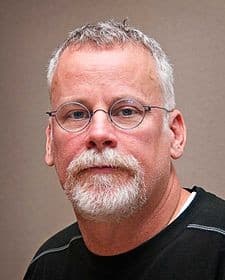
Michael Connelly is an American author known for his crime fiction novels. His notable works include The Lincoln Lawyer, The Black Echo, The Poet, The Gods of Guilt, The Black Ice, and The Brass Verdict, which often feature complex characters and intricate plots. Connelly's writing frequently explores themes of justice and morality within the legal system.
Similar books
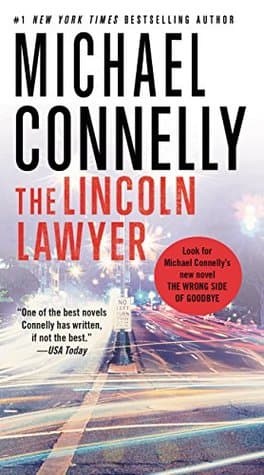
- The Lincoln Lawyer
Michael Connelly
4.2 (193k) average on GoodreadsThrillerWhile a legal thriller, it shares Connelly's signature intricate plotting and exploration of the justice system's darker corners.
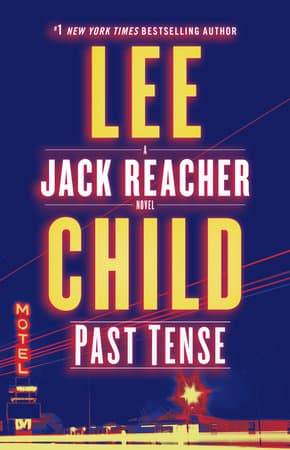
- Past Tense
Lee Child
4.0 (54k) average on GoodreadsThrillerChild's Jack Reacher provides a more nomadic, action-oriented hero with fewer personal entanglements, contrasting with Bosch's deeply rooted, emotionally complex, and often melancholic character. While both pursue justice, Reacher's methods are often outside the system, whereas Bosch, despite his maverick tendencies, largely operates within its frameworks.
- The Secret Place
Tana French
3.9 (63k) average on GoodreadsThrillerFrench's Dublin Murder Squad series excels in psychological depth, atmospheric tension, and exploring the ambiguities of truth and memory. Connelly, in contrast, focuses more on the intricate dance of police procedure, the relentless pursuit of tangible facts, and the methodical work of detection, offering a less ambiguous and more direct path to uncovering the truth.
- Angels & Demons
Dan Brown
3.9 (2.7M) average on GoodreadsThrillerA Harvard symbologist races through Rome's ancient sites, deciphering cryptic clues to unmask the Illuminati and stop a vengeful plot to destroy the Vatican with a stolen antimatter weapon.
- Gone Girl
Gillian Flynn
4.1 (2.3M) average on GoodreadsThrillerA wife's sudden disappearance on her fifth anniversary reveals a web of lies and psychological warfare, exposing the secrets within a seemingly perfect marriage.
- The Girl on the Train
Paula Hawkins
3.9 (2.1M) average on GoodreadsThrillerA woman’s fascination with a seemingly perfect couple she watches from her daily train commute leads her into a dark investigation when she witnesses something that shatters their idyllic image.




Enjoyed the summary?
A summary gives you the shape of the book. The book itself has the detail, the examples and the voice.
Find Dark Sacred Night on AmazonAs an Amazon Associate, BookBrief earns from qualifying purchases. How we're funded