

Synopsis
Covers the whole plot, including the ending.
- Difficulty
- Medium
- Pacing
- Fast
- Mood
- Intense, Suspenseful, Action-packed, Gritty
- Read it if
- You enjoy high-stakes, realistic military thrillers with a focus on intelligence operations, global manhunts, and a team of skilled operatives.
- Skip it if
- You prefer character-driven dramas over plot-heavy action, or you're not a fan of detailed tactical descriptions and geopolitical intrigue.
Dead or Alive Plot Summary
Covers the whole plot, including the ending.
The Emir's Shadow and the Campus's Mission
The novel opens by establishing the pervasive threat of the Emir, a shadowy terrorist leader responsible for many devastating attacks against Western interests. His network is extensive, his methods brutal, and his identity largely unknown to conventional intelligence agencies. Meanwhile, the Campus, a highly secretive off-the-books intelligence organization founded by former President Jack Ryan, is aware of the Emir's danger. They operate outside traditional governmental constraints, allowing them to pursue targets like the Emir with freedom. Jack Ryan, Jr., along with his cousins Dominick and Brian Caruso, are central to the Campus's operations, driven by a personal commitment to justice and national security. They begin to gather fragmented intelligence on the Emir, understanding that this will be their most challenging assignment yet.
New Recruits and Global Intelligence
To bolster their ranks for the task of hunting the Emir, the Campus brings in two figures from the intelligence world: John Clark and Ding Chavez. Clark, a seasoned black operations veteran, and Chavez, his equally formidable protégé, provide an immediate infusion of unmatched combat and intelligence-gathering experience. Their arrival is a significant development, as their skills are suited for the clandestine, high-stakes nature of the Campus's mission. The team begins to pool their resources, combining the technological prowess and analytical skills of Jack Ryan, Jr. and the Carusos with the street-level intelligence and operational expertise of Clark and Chavez. Their first objective is to sift through the vast amount of global intelligence, looking for any actionable leads that might expose the Emir's network or location.
First Leads and Risky Infiltration
Initial intelligence points the Campus towards a high-ranking financier within the Emir's network, a man named Sayed Ali. Ali is known for managing the financial flows that fund the Emir's operations, making him a critical vulnerability. Recognizing the opportunity, the Campus devises a daring plan to infiltrate Ali's inner circle. Jack Ryan, Jr. takes a leading role in the operation, using his analytical skills and ability to blend into various environments. The mission involves a high degree of risk, requiring meticulous planning and flawless execution in a hostile territory in the Middle East. The team understands that any misstep could compromise their mission and expose the very existence of the Campus, with potentially dire international consequences.
A Close Call in the Desert
During the operation to gather intelligence on Sayed Ali, the Campus team encounters unexpected resistance. What was planned as a covert information-gathering exercise quickly escalates into a dangerous confrontation. It becomes clear that Ali's security is more robust and paranoid than anticipated, or perhaps the Emir's network has been tipped off. Jack Ryan, Jr. and his team find themselves in a tense standoff, narrowly avoiding capture or worse. The incident shows the extreme danger of their mission and the Emir's pervasive reach. It also forces the Campus to reassess their approach, realizing that direct confrontation or even subtle infiltration carries immense risks when dealing with such a well-protected and ruthless adversary. The experience solidifies their resolve but also highlights the need for even greater caution and strategic thinking.
Hunting the Ghost: Europe
Following the near-miss in the Middle East, the Campus shifts its focus, tracking fragmented intelligence that suggests the Emir's network extends deep into Europe. The team, including Dominick and Brian Caruso, pursues various leads across several European capitals, piecing together a complex puzzle. They uncover hidden cells, financial conduits, and logistical support structures that the Emir uses to plan and execute his attacks. This phase of the hunt is characterized by painstaking surveillance, clandestine meetings, and the careful analysis of seemingly innocuous data points. The European operations reveal the Emir's global reach and his ability to exploit vulnerabilities within seemingly secure nations, further solidifying his reputation as a master strategist and a ghost-like adversary.
The Decryption Breakthrough
Amidst the relentless pursuit, a significant breakthrough occurs: the Campus's technological experts manage to decrypt a piece of encrypted communication from the Emir's network. This decryption provides invaluable insights, revealing aspects of the Emir's operational methods and hinting at his next potential target. The information is fragmented but urgent, suggesting a major attack is in the planning stages. This breakthrough galvanizes the entire Campus team, providing them with a concrete direction after weeks of chasing shadows. The race against time intensifies as they work to interpret the decrypted data, understand the full scope of the threat, and pinpoint the exact location and nature of the impending attack before it can be executed.
A Deadly Trap and a Narrow Escape
Acting on the decrypted intelligence, the Campus mobilizes to intercept a planned terrorist attack. The operation is fraught with peril, as the Emir's cells are well-trained and fanatically committed. A fierce engagement ensues, with John Clark and Ding Chavez leading the operational elements, supported by Jack Ryan, Jr. and the Carusos. While the Campus successfully prevents the catastrophic attack, the victory comes at a cost. Several members of the extended Campus network or their allies are killed or seriously wounded during the confrontation. This tragic event deeply impacts the team, fueling their determination to bring the Emir to justice but also reminding them of the personal sacrifices inherent in their mission. The Emir, however, remains elusive, his shadow still cast over them.
The Emir's Identity Revealed
The casualties suffered during the thwarted attack only intensify the Campus's resolve. Using every piece of recovered intelligence, coupled with advanced forensic analysis and cross-referencing global databases, the team's analysts, led by Jack Ryan, Jr., make a discovery. They finally piece together enough fragmented data, including biometric clues and historical records, to unmask the true identity of the Emir. The revelation is shocking, exposing a man whose public persona is vastly different from his hidden, sadistic reality. This moment provides the Campus with a concrete target, shifting the hunt from a shadowy figure to a known individual. The pursuit now becomes personal, with the team committed to avenging their fallen comrades and preventing future atrocities.
The Final Stalk: Pakistan
With the Emir's identity confirmed, the Campus shifts its focus to tracking his movements. Intelligence indicates he has retreated to a heavily fortified compound in a remote, mountainous region of Pakistan, a known haven for various militant groups. This location presents immense operational challenges, requiring careful planning to avoid triggering a regional conflict or alerting the Emir. John Clark and Ding Chavez take charge of the operational planning, using their extensive experience in similar terrains. Jack Ryan, Jr., Dominick, and Brian Caruso provide critical support, ensuring all intelligence is current and actionable. The team understands that this is their final opportunity to confront the Emir, and they prepare for a high-stakes assault, knowing the fight will be to the death.
Confrontation in the Compound
The Campus team, led by Clark and Chavez, launches a daring assault on the Emir's Pakistani compound. The operation is meticulously planned but immediately devolves into a brutal, close-quarters firefight. The compound is heavily defended by fanatical loyalists, and the team faces fierce resistance at every turn. Jack Ryan, Jr., Dominick, and Brian Caruso engage alongside Clark and Chavez, demonstrating their combat prowess and unwavering determination. The battle tests skill, endurance, and courage, with the Campus members pushing through overwhelming odds, sustaining injuries, but never faltering in their objective to reach the Emir. The air is thick with gunfire and explosions, as the long hunt culminates in a violent struggle for survival and justice.
The Emir's Last Stand
Deep within the compound, amidst the chaos of the ongoing battle, Jack Ryan, Jr. confronts the Emir himself. The encounter is intense and personal, with the Emir proving to be a formidable and ruthless adversary, fighting with the desperation of a cornered animal. Ryan, Jr., driven by the sacrifices of his team and the memory of the Emir's victims, engages in a brutal hand-to-hand struggle. This showdown is not just a physical fight but also a symbolic clash between good and evil, justice and terror. The outcome hangs in the balance, as Ryan, Jr. pushes himself to his limits to overcome the mastermind who has caused so much suffering, fulfilling the Campus's mandate to bring him in, dead or alive.
Justice Served and Aftermath
In a climactic struggle, Jack Ryan, Jr. neutralizes the Emir, ending the terrorist mastermind's reign of terror. The compound is secured, and the remaining loyalists are either captured or eliminated. The victory is hard-won and costly, with the Campus team bearing the physical and emotional scars of the long hunt. In the aftermath, the team evacuates the area, leaving behind a cleared threat but also the complexities of international politics. Back at the Campus headquarters, there is a somber sense of accomplishment mixed with the grief for their fallen comrades. While the immediate threat of the Emir is gone, the team understands that the war against terror is far from over, and new challenges will emerge, requiring the Campus to remain vigilant.
Dead or Alive Characters
Jack Ryan, Jr.
Protagonist
Analytical operative and field agent for the Campus.
The son of former President Jack Ryan, Jack Jr. is a highly intelligent and skilled analyst who has increasingly taken on field roles within the Campus. He possesses a sharp mind, a strong moral compass, and a burgeoning proficiency in combat. He is driven by a deep sense of duty and a personal commitment to combating terrorism, often pushing himself to the limits in pursuit of justice. His analytical background makes him adept at piecing together complex intelligence, while his growing field experience makes him a capable operative.
Relationships: Dominick Caruso (Cousin and fellow Campus operative); Brian Caruso (Cousin and fellow Campus operative); John Clark (Mentor and operational leader); Ding Chavez (Mentor and operational leader)
The Emir
Antagonist
The elusive and sadistic leader of a global terrorist network.
The Emir is a brilliant but utterly ruthless terrorist mastermind, responsible for countless acts of violence against Western targets. He operates in the shadows, his true identity unknown for much of the story, making him a ghost-like figure. He is characterized by his strategic cunning, his ability to manipulate vast networks, and his unwavering commitment to his extremist ideology. He sees himself as a liberator, but his actions are purely destructive and driven by a deep-seated hatred. He is highly intelligent, paranoid, and extremely dangerous.
Relationships: Sayed Ali (Key financier and network member (subordinate))
John Clark
Supporting
Legendary black operations veteran and Campus field leader.
John Clark is a grizzled, highly experienced black operations veteran, known for his unmatched combat skills, tactical brilliance, and unwavering loyalty. He is a pragmatic and often ruthless operative, but with a strong moral compass beneath his tough exterior. Clark serves as a mentor and operational commander for the younger Campus members, bringing decades of experience in high-stakes, clandestine missions. He is a man of few words, preferring action over talk, and is utterly committed to the mission of neutralizing threats to national security.
Relationships: Ding Chavez (Protégé and trusted operational partner); Jack Ryan, Jr. (Operational colleague, mentor figure); Dominick Caruso (Operational colleague); Brian Caruso (Operational colleague)
Ding Chavez
Supporting
Highly skilled field operative and John Clark's trusted partner.
Ding Chavez is John Clark's loyal and highly capable protégé. He is an exceptional field operative, skilled in combat, intelligence gathering, and tactical execution. Chavez is more outwardly expressive than Clark but shares his mentor's dedication and ruthlessness when facing adversaries. He is a natural leader in the field, respected by his peers, and brings a blend of experience and modern tactical understanding to the Campus's operations. His partnership with Clark is seamless, making them a formidable duo.
Relationships: John Clark (Mentor and trusted operational partner); Jack Ryan, Jr. (Operational colleague); Dominick Caruso (Operational colleague); Brian Caruso (Operational colleague)
Dominick Caruso
Supporting
Jack Ryan, Jr.'s cousin and a skilled Campus operative.
Dominick Caruso is one of Jack Ryan, Jr.'s cousins and a key member of the Campus. He is a capable field agent with a strong physical presence and a background in security. Dominick brings a blend of operational skill and loyalty to the team, often working closely with Brian and Jack Jr. He is pragmatic and reliable, providing solid support in both planning and execution of missions. His familial connection to Jack Jr. adds a layer of personal commitment to the Campus's mission.
Relationships: Jack Ryan, Jr. (Cousin and fellow Campus operative); Brian Caruso (Brother and fellow Campus operative)
Brian Caruso
Supporting
Jack Ryan, Jr.'s cousin and another essential Campus operative.
Brian Caruso is the other of Jack Ryan, Jr.'s cousins and an integral part of the Campus team. Like Dominick, he is a skilled operative, often specializing in specific technical or operational support roles. Brian is intelligent and adaptable, able to handle various aspects of intelligence gathering and field support. His unwavering commitment to the mission and his family makes him a valuable asset. He works seamlessly with his brother and cousin, forming a cohesive unit within the larger Campus structure.
Relationships: Jack Ryan, Jr. (Cousin and fellow Campus operative); Dominick Caruso (Brother and fellow Campus operative)
Gerry Hendley
Supporting
Director of the Campus and strategic leader.
Gerry Hendley is the Director of the Campus, overseeing its strategic operations and providing crucial leadership. He is a former intelligence professional with extensive experience, possessing a keen understanding of global threats and the complexities of clandestine operations. Hendley is responsible for managing the Campus's resources, setting its objectives, and protecting its existence from political interference. He trusts his team implicitly but also holds them to the highest standards, ensuring their actions remain effective and justified.
Relationships: Jack Ryan, Jr. (Subordinate operative); John Clark (Subordinate operative); Ding Chavez (Subordinate operative)
Sayed Ali
Mentioned
A key financier within the Emir's terrorist network.
Sayed Ali is a high-ranking financier within the Emir's global terrorist network. He is responsible for managing the vast financial resources that fund the Emir's operations, making him a critical target for the Campus. Ali is shrewd and well-protected, operating in the shadows of the Middle East, and his capture or neutralization would severely cripple the Emir's ability to wage terror. He represents the logistical backbone of the Emir's organization.
Relationships: The Emir (Subordinate and financier)
Dead or Alive Themes
The Nature of Modern Terrorism
The novel explores modern terrorism, depicting it as a decentralized, globally networked threat led by enigmatic figures like the Emir. It highlights the difficulty intelligence agencies face in combating an enemy that operates without state sponsorship, using sophisticated methods of communication and finance. The theme emphasizes the ruthlessness and ideological fanaticism of these groups, as seen in the Emir's widespread attacks and the fanatical loyalty of his followers, forcing the Campus to adapt unconventional tactics.
“The Emir was not a man, but a ghost, a network, a shadow stretching across continents, his cruelty a constant reminder of the war they fought.”
Justice vs. Law
A central theme is the tension between achieving justice and operating within the confines of established law. The Campus exists because traditional governmental agencies are often hampered by legal and political restrictions, which the Emir exploits. The 'dead or alive' mandate encapsulates this ethical dilemma: is it permissible to operate outside the law to neutralize a threat that respects no law? The narrative suggests that in extreme cases, such as confronting the Emir, extraordinary measures are justified to protect innocent lives, even if it means blurring ethical lines.
“Sometimes, to fight monsters, you had to become a different kind of monster, or at least operate where the rules didn't apply.”
The Burden of Leadership and Legacy
The novel examines the weight of leadership, particularly through Jack Ryan, Jr., who carries the legacy of his father while forging his own path. He must make difficult decisions, bear the responsibility for his team's lives, and confront extreme evil. This theme also extends to John Clark and Ding Chavez, who, as seasoned leaders, must guide and protect the younger generation while facing the physical and emotional toll of their dangerous work. The personal sacrifices made by the team underscore the heavy burden of their fight for global security.
“The price of vigilance was eternal, paid in blood and sleepless nights, but the alternative was unthinkable.”
Technology and Intelligence
The role of advanced technology and sophisticated intelligence gathering is a recurring theme. The Campus relies heavily on decryption capabilities, forensic analysis, and global surveillance to track the Emir's elusive network. The breakthrough in decrypting the Emir's communications is a moment, demonstrating how technological superiority can turn the tide in the war on terror. However, the novel also shows that technology alone is insufficient; it must be combined with human intelligence, intuition, and decisive field operations, highlighting the symbiotic relationship between digital and human assets.
“Data was power, but only if you knew how to read its whispers and turn them into shouts.”
Plot Devices & Literary Techniques
The Elusive Antagonist
The Emir's unknown identity creates suspense and drives the initial hunt.
The Emir's shadowy nature and unknown identity serve as a primary plot device, creating a persistent sense of mystery and urgency. For much of the novel, the Campus is hunting a ghost, making their task exponentially more difficult and dangerous. This device generates suspense and keeps the reader engaged as the team slowly uncovers clues about his network and eventually his true persona. The revelation of his identity is a major turning point, transforming the abstract threat into a concrete target for the final confrontation.
The Campus as a Covert Organization
An extra-legal entity operating outside governmental constraints.
The Campus itself functions as a key plot device, allowing the narrative to explore themes of justice versus law and to depict operations that traditional intelligence agencies could not undertake. Its unofficial status grants the operatives freedom from bureaucratic red tape and political interference, enabling them to pursue the Emir with unparalleled aggression and efficiency. This device justifies the extreme measures taken by the protagonists and provides a unique framework for their global counter-terrorism efforts, emphasizing their dedication and personal sacrifice.
The Decryption Breakthrough
A crucial piece of intelligence that accelerates the plot and reveals the next threat.
The decryption of the Emir's encrypted communications acts as a classic 'MacGuffin' or pivotal plot point. This technological triumph provides the Campus with actionable intelligence, shifting the narrative from a broad, speculative hunt to a focused, time-sensitive mission to prevent a specific attack. It raises the stakes significantly, creating a race against time and directly leading to the confrontation that results in casualties. This device is essential for advancing the plot, providing direction, and highlighting the importance of intelligence gathering.
The Mentor-Protégé Relationship
John Clark and Ding Chavez guide and mentor the younger Campus operatives.
The dynamic between John Clark and Ding Chavez, and their respective roles in mentoring Jack Ryan, Jr. and the Carusos, is a significant plot device. Clark and Chavez represent the old guard of black operations, providing invaluable experience, tactical wisdom, and a grounded perspective to the younger, more technologically adept generation. This relationship allows for the transfer of knowledge, enhances the credibility of the Campus's operational capabilities, and adds emotional depth as the seasoned veterans guide their successors through perilous missions, shaping them into more effective operatives.
Dead or Alive Quotes
“The problem with the world wasn't that people were bad. It was that they were stupid. And stupid was something you couldn't fix.”
“There was a fine line between courage and stupidity, and he suspected he'd crossed it a dozen times already.”
“Information was power, but too much information was just noise.”
“The enemy wasn't some faceless organization. The enemy was an idea, and ideas were much harder to kill.”
“In the world of intelligence, trust was a luxury, not a given.”
“Every decision had consequences, and sometimes the right decision felt like the wrong one.”
“Fear was a tool. You could let it paralyze you, or you could use it to sharpen your senses.”
“The most dangerous lies were the ones you told yourself.”
“History didn't repeat itself, but it often rhymed.”
“Sometimes, the only way to win was to refuse to play by their rules.”
“Hope was a fragile thing, but it was also incredibly resilient.”
“The world was a chessboard, and he was just one of the pawns, albeit a very determined one.”
“You couldn't save everyone, but you could damn well try to save the ones you could.”
Quiz
10 questions on the plot and the characters. Each answer comes with a short explanation.
Question 1
Who is the primary antagonist that the Campus is tracking in 'Dead or Alive'?
- Maxim Volkov
- The Emir
- Boris Strokov
- Sayed Ali
Show answer
B. The Emir The entire plot revolves around the Campus's relentless pursuit of The Emir, a sadistic killer responsible for numerous terrorist attacks.
Question 2
Which two veteran characters join the Campus team as recruits in 'Dead or Alive'?
- Jack Ryan Sr. and Scott Adler
- John Clark and Ding Chavez
- Dan Murray and Mike Reilly
- Marko Ramius and Grigori Garkusha
Show answer
B. John Clark and Ding Chavez The book explicitly states that John Clark and Ding Chavez join the Campus as their latest recruits to aid in the hunt for the Emir.
Question 3
What is the ultimate goal of the Campus regarding the Emir, as indicated by the book's title?
- Negotiate a peace treaty with him
- Gather intelligence on his network for a future strike
- Bring him in, dead or alive
- Force him into retirement
Show answer
C. Bring him in, dead or alive The title 'Dead or Alive' directly reflects the Campus's unwavering determination to capture or eliminate the Emir.
Question 4
Which of these characters is NOT one of Jack Ryan Jr.'s cousins involved in the Campus operations?
- Dominick Caruso
- Brian Caruso
- Mary Pat Foley
- Gavin Biery
Show answer
C. Mary Pat Foley The book mentions Dominick and Brian Caruso as Jack Ryan Jr.'s cousins involved in the Campus. Mary Pat Foley is a different character in the Clancy universe, often associated with intelligence analysis.
Question 5
What kind of organization is 'the Campus' in the context of the book?
- A private security firm offering executive protection.
- A covert, unofficial intelligence and direct action group.
- A government agency focused on cyber warfare.
- An international NGO providing humanitarian aid.
Show answer
B. A covert, unofficial intelligence and direct action group. The synopsis describes the Campus as having 'waged an unofficial and highly effective campaign against the terrorists,' indicating its covert and direct action nature.
Question 6
What is the primary motivation for the Campus's actions against the Emir?
- To gain political influence in the Middle East.
- To avenge specific personal losses suffered by team members.
- To protect western civilization from terrorist threats.
- To profit from the sale of captured terrorist assets.
Show answer
C. To protect western civilization from terrorist threats. The synopsis clearly states that the Campus has 'waged an unofficial and highly effective campaign against the terrorists who threaten western civilization,' highlighting their protective motivation.
Question 7
How is the Emir characterized in terms of his actions and personality?
- A calculating strategist who avoids direct confrontation.
- A charismatic leader who inspires loyalty through benevolence.
- A sadistic killer who masterminds vicious attacks.
- A disillusioned former operative seeking redemption.
Show answer
C. A sadistic killer who masterminds vicious attacks. The synopsis describes the Emir as a 'sadistic killer' who has 'masterminded the most vicious attacks on the west.'
Question 8
What is a significant challenge the Campus faces in tracking the Emir, as mentioned in the synopsis?
- Lack of funding and resources.
- Internal conflicts and betrayals within the team.
- His ability to elude capture by world's law enforcement agencies.
- Resistance from local governments in the regions they operate.
Show answer
C. His ability to elude capture by world's law enforcement agencies. The synopsis specifically notes that the Emir 'has eluded capture by the world's law enforcement agencies,' indicating his elusive nature as a major obstacle.
Question 9
What distinguishes the Campus's approach to counter-terrorism compared to traditional law enforcement?
- They strictly adhere to international treaties and protocols.
- They operate officially and transparently with government oversight.
- They wage an 'unofficial' campaign, implying a lack of traditional legal constraints.
- They focus solely on cyber intelligence rather than direct action.
Show answer
C. They wage an 'unofficial' campaign, implying a lack of traditional legal constraints. The synopsis highlights their 'unofficial' campaign, indicating that they operate outside conventional governmental or legal frameworks, allowing for more aggressive and less constrained actions.
Question 10
The inclusion of John Clark and Ding Chavez, known for their direct action and black ops background, suggests what about the Campus's methods in 'Dead or Alive'?
- They primarily focus on diplomatic negotiations.
- They emphasize long-term intelligence gathering over immediate action.
- They are prepared to use aggressive, potentially lethal, direct action.
- They are transitioning towards a more public relations-oriented strategy.
Show answer
C. They are prepared to use aggressive, potentially lethal, direct action. Clark and Chavez are iconic characters in the Clancy universe, renowned for their expertise in covert operations, direct action, and often violent confrontations. Their recruitment signals a readiness for decisive and lethal engagement.
Dead or Alive FAQ
What is the primary objective of The Campus in 'Dead or Alive'?
The Campus's primary objective in 'Dead or Alive' is to locate and neutralize The Emir, a highly dangerous and elusive terrorist mastermind responsible for numerous vicious attacks against Western civilization. They operate outside conventional law enforcement, granting them the flexibility to pursue him 'dead or alive' without bureaucratic constraints.
Who are the key members of The Campus involved in this mission?
The core team pursuing The Emir includes Jack Ryan, Jr., his cousins Dominick and Brian Caruso, and new recruits John Clark and Ding Chavez. Each member brings unique skills and experience to the operation, from intelligence gathering to direct action, forming a formidable anti-terrorist unit.
What makes The Emir such a formidable antagonist?
The Emir is a formidable antagonist due to his sadistic nature, tactical brilliance, and unparalleled ability to evade capture by various international law enforcement agencies for years. He masterminds highly destructive attacks, demonstrating a deep understanding of intelligence and counter-intelligence to maintain his operational security.
How do John Clark and Ding Chavez integrate into The Campus's operations?
John Clark and Ding Chavez are introduced as new recruits, bringing their extensive experience from previous black operations and intelligence work to The Campus. Their seasoned skills in fieldcraft, intelligence gathering, and combat are invaluable, immediately bolstering the team's capabilities in tracking The Emir.
What is the significance of the title 'Dead or Alive'?
The title 'Dead or Alive' directly reflects the extreme mandate given to The Campus regarding The Emir. It signifies their unwavering determination and the no-holds-barred approach they are authorized to take, indicating that bringing him to justice, by any means necessary, is paramount.
Are there any subtle nods to previous Tom Clancy novels or characters beyond Clark and Chavez?
While Clark and Chavez are prominent returning characters, the narrative often references the broader Clancyverse through mentions of intelligence agencies like the CIA, or the political landscape influenced by Jack Ryan Sr.'s presidency. These connections subtly reinforce the world-building without directly involving other major characters.
What is the underlying motivation for Dominick and Brian Caruso joining The Campus?
Dominick and Brian Caruso, as Jack Ryan Jr.'s cousins, share a familial connection to service and duty, often driven by a sense of patriotism and the desire to protect their country. Their motivation stems from a deep-seated belief in the Campus's mission to neutralize threats that conventional methods cannot address.
How does The Campus manage to track The Emir when global agencies have failed?
The Campus succeeds where global agencies fail primarily due to its unofficial nature, allowing it to operate without political constraints, bureaucratic red tape, or strict adherence to international law. This flexibility, combined with its highly skilled operatives and cutting-edge intelligence, enables more aggressive and unconventional tracking methods.
What moral dilemmas do the Campus operatives face with their 'dead or alive' mandate?
The 'dead or alive' mandate presents moral dilemmas regarding the use of lethal force, extrajudicial action, and the potential for collateral damage. Operatives must grapple with the ethical implications of operating outside the law, even if it is for a greater good, constantly balancing justice with their methods.
How does Jack Ryan, Jr.'s leadership style evolve during the pursuit of The Emir?
Jack Ryan, Jr.'s leadership style evolves as he takes on more responsibility, balancing his analytical skills with the demands of field command. He learns to trust his instincts more and make tough decisions under extreme pressure, demonstrating growth from his earlier roles into a more decisive and seasoned leader.
What psychological impact does hunting a 'sadistic killer' like The Emir have on the Campus team?
Hunting a 'sadistic killer' like The Emir can lead to significant psychological strain, including heightened stress, potential for burnout, and moral injury. The team must confront the depths of human depravity, which can challenge their own humanity and resilience, requiring strong internal cohesion and purpose.
How do Clark and Chavez's past experiences influence their approach to the mission?
Clark and Chavez's extensive past experiences in black ops deeply influence their approach, making them pragmatic, ruthless when necessary, and highly adaptable. They bring a hardened perspective, emphasizing efficiency and mission accomplishment above all else, often providing a counterpoint to some of the younger operatives' idealism.
Is The Emir depicted as purely evil, or are there any attempts to explore his motivations?
The Emir is primarily depicted as a purely evil, sadistic killer, with the narrative focusing on his destructive actions rather than exploring complex motivations. While his ideology might be hinted at as extremist, the story largely portrays him as a force of malevolence to be stopped, rather than understood.
Does the book suggest that operating outside the law is sometimes necessary for national security?
Yes, the book strongly suggests that operating outside conventional legal frameworks is sometimes necessary for national security, particularly when facing threats as elusive and dangerous as The Emir. The Campus's existence and success implicitly argue for the effectiveness of such 'black' operations.
How does the book balance action sequences with intelligence gathering and analytical work?
The book effectively balances intense action sequences with detailed intelligence gathering and analytical work by interweaving them throughout the narrative. Long periods of meticulous surveillance and data analysis often culminate in explosive confrontations, showing the critical link between brainpower and firepower.
What is the ultimate message regarding the nature of modern terrorism conveyed in 'Dead or Alive'?
The ultimate message conveyed in 'Dead or Alive' regarding modern terrorism is its insidious, adaptable, and global nature, requiring equally unconventional and determined countermeasures. It highlights that such threats often transcend national borders and traditional warfare, demanding a proactive and sometimes ruthless response.
Could The Emir represent a broader ideological threat, or is he a singular antagonist?
While The Emir is a singular antagonist in terms of his direct involvement, he can be interpreted as representing a broader ideological threat of extremist terrorism. His actions and network symbolize the widespread danger posed by such ideologies, making his neutralization a symbolic victory against a larger menace.
How does the book portray the relationship between Jack Ryan, Jr. and his cousins, Dominick and Brian Caruso?
The book portrays the relationship between Jack Ryan, Jr. and his cousins, Dominick and Brian Caruso, as a blend of professional camaraderie and familial loyalty. Their shared history and trust enhance their operational effectiveness, providing a strong personal bond within the high-stakes environment of The Campus.
About the author

Tom Clancy was an American author known for his military and espionage-themed novels. His notable works include The Hunt for Red October, Patriot Games, Clear and Present Danger, Red Storm Rising, Rainbow Six, and Executive Orders, which often feature intricate plots and detailed technical descriptions. Clancy's writing has significantly influenced the genre of techno-thrillers.
Similar books
- Executive Orders
Tom Clancy
4.1 (46k) average on GoodreadsPoliticsA classic Tom Clancy novel with a grand scale, focusing on global threats and the response of intelligence agencies.
- The Gray Man
Mark Greaney
4.2 (52k) average on GoodreadsFictionFeatures a highly skilled operative undertaking dangerous, covert missions against formidable adversaries, similar to The Campus's work.
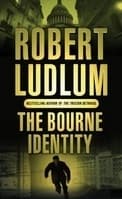
- The Bourne Identity
Robert Ludlum
4.0 (397k) average on GoodreadsThrillerWhile both books share a high-stakes, global scope and focus on intelligence, Clancy's 'Dead or Alive' prioritizes the technical 'how' of intelligence and combat, whereas Ludlum's work delves more into the 'why' of individual identity, memory, and psychological struggle.
- The Kill Artist
Daniel Silva
4.0 (58k) average on GoodreadsThrillerSilva's Gabriel Allon series, including 'The Kill Artist,' often provides a more introspective and emotionally nuanced look into the protagonist's moral dilemmas and personal toll, which is less pronounced in Clancy's more action-oriented and technically focused narrative in 'Dead or Alive'.
- Angels & Demons
Dan Brown
3.9 (2.7M) average on GoodreadsThrillerA Harvard symbologist races through Rome's ancient sites, deciphering cryptic clues to unmask the Illuminati and stop a vengeful plot to destroy the Vatican with a stolen antimatter weapon.
- Gone Girl
Gillian Flynn
4.1 (2.3M) average on GoodreadsThrillerA wife's sudden disappearance on her fifth anniversary reveals a web of lies and psychological warfare, exposing the secrets within a seemingly perfect marriage.





Enjoyed the summary?
A summary gives you the shape of the book. The book itself has the detail, the examples and the voice.
Find Dead or Alive on AmazonAs an Amazon Associate, BookBrief earns from qualifying purchases. How we're funded