

Synopsis
Covers the whole plot, including the ending.
- Difficulty
- Easy
- Pacing
- Moderate
- Mood
- Suspenseful, Mysterious, Romantic, Intense
- Read it if
- You enjoy young adult thrillers with a blend of psychic abilities, romance, and a strong mystery.
- Skip it if
- You prefer realistic thrillers without supernatural elements or find love triangles frustrating.
Deadly Little Games Plot Summary
Covers the whole plot, including the ending.
A Disturbing Vision and a New Threat
Camelia and Ben share the psychometric ability to see the future through touch. They struggle to understand their powers and their deepening relationship. Ben's gift is volatile; strong premonitions can overwhelm him. Camelia's manifests through her clay sculpting, forming messages she doesn't initially grasp. Their peace shatters when Camelia experiences a vivid, disturbing vision involving a car crash and a familiar face: Adam, a friend from Ben's childhood. The vision suggests Adam is in grave danger, the target of an unknown threat. This immediately puts Camelia in a difficult position, as Ben's past with Adam is complicated, and Ben hesitates to get involved, fearing the implications for their own safety and relationship.
Adam's Arrival and Ben's Reluctance
Adam, true to Camelia's vision, unexpectedly arrives in town, seeking out Ben. His presence immediately creates tension between Camelia and Ben. Ben is visibly uncomfortable, revealing a strained history with Adam rooted in a past accident and a sense of betrayal. Adam, seemingly oblivious to the friction, explains he's being targeted and believes Ben's unique abilities might be his only hope. He shares cryptic messages and strange occurrences that have been plaguing him. Camelia feels a strong pull to help Adam due to her vision and empathy. She finds herself caught between her desire to protect Adam and Ben's clear reluctance to re-engage with someone from his painful past, risking their newfound stability.
Unraveling Cryptic Clues
Despite Ben's initial resistance, Camelia's insistence and the increasingly bizarre nature of the threats against Adam compel them to investigate. Adam shows them a series of strange symbols and a cryptic note he found, hinting at a larger, more sinister game. Ben, using his psychometric touch, tries to glean information from Adam's belongings, but the visions are fragmented and disturbing, intensifying his fear of losing control. Camelia, meanwhile, finds her hands involuntarily sculpting objects that seem to be pieces of a puzzle, such as a miniature car and a broken mirror. They realize they are dealing with a meticulously planned series of events, orchestrated by an unknown entity, and Adam is merely a pawn.
The Game Intensifies
The threats against Adam escalate from cryptic messages to direct, dangerous encounters. He is almost hit by a car, his apartment is vandalized with the same strange symbols, and he receives chilling phone calls. The assailant, who seems to know Adam's every move, leaves behind more clues, taunting Adam and, by extension, Camelia and Ben. These clues often involve riddles or specific objects that force Adam to move to a new location or interact with a particular item, turning his life into a real-life scavenger hunt with deadly stakes. Camelia's clay sculptures become more frantic and detailed, depicting scenes of pursuit and entrapment, confirming the imminent danger.
Past Revelations and Hidden Motives
As the danger mounts, Ben finally opens up to Camelia about his history with Adam. He recounts a traumatic incident from their childhood involving a car accident where Ben, under duress, used his psychometry to try and save Adam, but the outcome was devastating, leading to another friend's injury and Ben's subsequent guilt and withdrawal. Ben believes this past event, specifically his own abilities, is why Adam is being targeted now. He suspects the assailant knows about their shared past and is using Adam to manipulate Ben, possibly to exploit or punish him for his powers. This revelation deeply impacts Camelia, helping her understand Ben's emotional turmoil and solidifying her resolve to help.
A Betrayal Unveiled
Camelia's sculptures become increasingly clear, depicting not just danger but also a sense of internal betrayal. Simultaneously, Ben, pushing his psychometric limits, touches an item left by the assailant and experiences a horrifying vision: a familiar face among the shadows, orchestrating the 'game.' They realize the culprit is not an unknown entity but someone they know, someone who has been close to them, or at least to Ben, all along. This revelation shatters their trust and adds a new layer of complexity to the mystery, making it harder to distinguish friend from foe and increasing the personal stakes for Ben and Camelia.
The Confrontation and the Mastermind
Following the clues and their visions, Camelia and Ben track Adam to a secluded location, where the mastermind behind the deadly games reveals themselves. It is a character previously thought to be an ally or a peripheral figure, someone deeply connected to Ben's past and Adam's current situation. The mastermind's motive is rooted in a twisted sense of justice or revenge, specifically targeting Ben for his psychometric abilities and the events of their shared past. They confess to orchestrating the entire 'game' to expose Ben, punish him, or force him to use his powers in a way they desire, with Adam as the bait. A tense confrontation ensues, with Adam's life hanging in the balance.
The Climax and the Rescue
In a high-stakes climax, Camelia and Ben must combine their psychometric abilities and courage to save Adam from the mastermind's final, most dangerous trap. Camelia's hands frantically sculpt a precise sequence of actions or a hidden detail that helps them understand the immediate threat. Ben, pushing past his fears of losing control, uses his touch to predict the mastermind's next move or to find a crucial weakness in their plan. They work together seamlessly, relying on their bond and their unique gifts. Through their combined efforts, they manage to outwit the mastermind, neutralize the immediate threat to Adam, and bring the terrifying game to an end, though not without lingering trauma.
Aftermath and Lingering Questions
With the mastermind apprehended and Adam safe, the immediate crisis is averted. However, the emotional toll on Camelia, Ben, and Adam is significant. Adam is deeply shaken by the experience and the betrayal. Ben is left grappling with the resurfacing of his past trauma and the intensity of his psychometric abilities, which he had to fully embrace to save Adam. Camelia, while relieved, is left pondering the true extent of her own power and the responsibility that comes with it. The events leave them with lingering questions about the nature of their gifts, the dangers they attract, and the possibility of future threats, hinting that their journey with psychometry is far from over.
Strengthening Bonds and Uncertain Futures
Despite the harrowing ordeal, Camelia and Ben's bond is strengthened. They have faced extreme danger together, relying on each other's unique abilities and emotional support. Ben, having confronted his past and used his powers for good, begins to accept his gift more fully, though the fear of losing control still lingers. Camelia feels more confident in her own mysterious sculpting ability, recognizing its vital role in their survival. They acknowledge that their psychometric gifts will always draw them into unforeseen dangers, but they are committed to facing these challenges together, their future uncertain but their connection solidified by shared trauma and triumph.
Principal Figures
Camelia
Protagonist
A high school junior with psychometric abilities manifesting through clay sculpting.
Camelia is empathetic, intuitive, and fiercely loyal. Her psychometry allows her to see the future through touch, specifically manifesting as involuntary clay sculptures that convey cryptic messages. She is driven by a strong sense of justice and a desire to help others, often putting herself at risk. Her connection with Ben is central to her identity, and she strives to understand her powers not just for herself, but for their shared future. She is initially hesitant about the full scope of her abilities but grows to trust her instincts.
Relationships: Ben (Boyfriend, fellow psychometric, deep emotional and supernatural bond.); Adam (Target of the 'game,' she feels compelled to help him despite Ben's reservations.)
Ben
Protagonist
Camelia's boyfriend, whose psychometric gift is powerful but volatile.
Ben possesses psychometry that allows him to see the future through touch, but his gift is a frightening liability. Strong threats or betrayals can cause him to lose control, making him hesitant to use his powers. He is intelligent, protective, and carries the weight of past trauma related to his abilities and his history with Adam. He struggles with guilt and fear, often preferring to avoid situations that might force him to confront his past or risk losing control. His love for Camelia is a stabilizing force.
Relationships: Camelia (Girlfriend, fellow psychometric, deep emotional and supernatural bond.); Adam (Childhood friend, complicated history involving a past accident and betrayal.)
Adam
Supporting/Victim
A figure from Ben's past who becomes the target of a dangerous game.
Adam is a somewhat naive and vulnerable character who reappears in Ben's life in dire circumstances. He is the central victim of the 'deadly little games,' becoming a pawn in the mastermind's plot. His past with Ben is complex and marked by a shared traumatic event that Ben blames himself for. Adam is initially confused and terrified by the threats against him, relying heavily on Camelia and Ben for help. He represents the direct consequence of Ben's past and serves as the catalyst for the main plot.
Relationships: Ben (Childhood friend with a strained and traumatic history.); Camelia (Relies on her for help and protection.)
The Mastermind
Antagonist
The orchestrator of the 'deadly little games,' driven by revenge or a twisted sense of justice.
The Mastermind is a cunning and manipulative individual with a deep, personal connection to Ben's past. Their identity is initially shrouded in mystery, but their actions reveal a methodical and cruel nature. They are intimately aware of Ben's psychometric abilities and the traumatic events that shaped him, using this knowledge to craft elaborate and dangerous 'games' with Adam as the bait. Their motivation stems from a desire for revenge, a twisted sense of justice, or a need to control or expose Ben's powers, making them a formidable and psychologically complex foe.
Relationships: Ben (Primary target of revenge/manipulation, deep past connection.); Adam (Pawn in their game, used to manipulate Ben.)
Amber
Supporting
Camelia's best friend, often a source of grounding and normalcy.
Amber is Camelia's loyal and supportive best friend. She provides a sense of normalcy and an outside perspective on Camelia's increasingly supernatural life. While not possessing psychometric abilities herself, Amber is aware of Camelia's gift and tries her best to understand and support her, offering practical advice and emotional comfort. She often serves as a sounding board for Camelia's concerns and helps to keep her grounded amidst the chaos. Her presence highlights the contrast between the ordinary world and the extraordinary challenges Camelia faces.
Relationships: Camelia (Best friend, confidante.)
Dylan
Supporting
A friend of Camelia and Ben, sometimes involved in their social circle.
Dylan is part of Camelia and Ben's broader social circle. He is generally well-meaning and friendly, though not as deeply involved in the psychometric mysteries as Amber. He represents a connection to their 'normal' high school life, providing moments of levity or typical teenage interactions that contrast with the intense supernatural threats they face. While not directly involved in solving the mystery, his presence helps to flesh out their world and remind them of what they are fighting to protect.
Mr. Davies
Mentioned
A teacher or figure of authority, possibly a guidance counselor.
Mr. Davies is a peripheral adult figure, possibly a teacher or guidance counselor at their high school. He might be mentioned in passing as someone Camelia or Ben interact with in a normal school setting, providing a brief anchor to their everyday lives. His role is likely minimal, serving as a background character who represents the adult world that is largely oblivious to the supernatural dangers the teenagers face. He might offer generic advice or make observations that are unknowingly relevant to their struggles.
Relationships: Camelia (Student/teacher relationship.); Ben (Student/teacher relationship.)
Themes & Insights
The Burden of Extraordinary Abilities
Camelia and Ben's psychometric gifts are not just powers but also heavy burdens. Ben constantly fears losing control and the devastating consequences of his visions, stemming from past trauma. Camelia's visions, while offering clues, often bring her face-to-face with horrifying future events she feels compelled to change. This theme explores how their unique abilities isolate them, force them into dangerous situations, and require personal sacrifice. The 'game' orchestrated by the mastermind specifically exploits Ben's powers and past guilt, highlighting the vulnerability that comes with their gifts, as seen when Ben's reluctance to help Adam is due to his fear of his own uncontrolled power.
““With great power comes great responsibility,” but also, sometimes, great fear.”
Trust and Betrayal
The narrative revolves around the concept of trust, both earned and broken. Ben's strained relationship with Adam is rooted in a past betrayal and the subsequent loss of trust. As the 'deadly games' unfold, Camelia and Ben must decide who to trust, especially when clues point to an insider. The ultimate revelation of the mastermind's identity, often someone close or seemingly innocuous, shows the painful reality of betrayal. This theme is particularly poignant as Camelia must trust Ben's judgment despite his hesitations, and Ben must learn to trust Camelia with his deepest fears and past traumas.
“In these games, who can be trusted?”
Confronting the Past
Ben's past trauma, specifically the car accident involving Adam and his uncontrolled psychometric abilities, is a central driving force of the plot. The 'deadly little games' are designed to force Ben to confront this past, exploit his guilt, and potentially repeat his mistakes. Camelia's role often involves helping Ben navigate these painful memories and understand how they connect to the present danger. This theme emphasizes that unresolved past issues can resurface with devastating consequences, and true healing often requires facing those demons head-on, as Ben must do to save Adam.
“The past isn't just behind us; sometimes, it's waiting to catch up.”
The Power of Connection and Love
Amidst the danger and betrayal, the deepening bond between Camelia and Ben is a powerful counter-theme. Their shared psychometric abilities create a unique understanding between them, and their love provides strength and courage. When Ben is overwhelmed by his visions, Camelia grounds him. When Camelia struggles to interpret her sculptures, Ben helps her. Their ability to work together, combining their different manifestations of psychometry, is crucial to solving the mystery and saving Adam. This theme highlights how love and mutual support can be a formidable force against even the most sinister threats, strengthening them both individually and as a couple.
“Together, their gifts were a force; apart, they were just fragments of a storm.”
Plot Devices & Literary Techniques
Psychometry
The ability to see the future through touch or artistic creation.
Psychometry is the central supernatural plot device. For Ben, it manifests as visions triggered by physical touch, often overwhelming and difficult to control. For Camelia, it's a more mysterious, artistic expression through clay sculpting, where her hands create messages her conscious mind doesn't yet comprehend. This device drives the entire plot, providing crucial clues, foreshadowing danger, and dictating the characters' actions. It also serves as both a blessing and a curse, creating the conflict and the means to resolve it, as seen when Camelia's sculptures and Ben's visions piece together the mystery.
Cryptic Clues and Riddles
A series of mysterious messages and objects left by the antagonist.
The antagonist orchestrates the 'deadly little games' by leaving a trail of cryptic clues, riddles, and symbolic objects. These devices serve to advance the plot by forcing Adam, and by extension Camelia and Ben, to follow a specific path, move to new locations, or interact with certain items. They create a sense of urgency and mystery, acting as a breadcrumb trail that leads towards the mastermind's ultimate trap. The clues are often designed to taunt, manipulate, and expose the characters' weaknesses, particularly Ben's past, making the game highly personal.
The 'Game' Structure
The antagonist's meticulously planned series of events targeting Adam.
The entire narrative is framed as a 'game' orchestrated by the antagonist. This plot device creates a high-stakes, suspenseful structure where Adam is a pawn, and Camelia and Ben are forced to play along to save him. The game involves escalating threats, timed challenges, and a deliberate manipulation of the characters' emotions and past experiences. This structure allows for a build-up of tension and reveals the antagonist's cunning and precise planning, making the conflict feel like a psychological battle as much as a physical one, culminating in a final, dangerous challenge.
Flashbacks/Past Trauma
Recollections of a past traumatic event involving Ben and Adam.
Flashbacks and references to a shared past trauma between Ben and Adam are a crucial plot device. This past event, often a car accident where Ben's psychometry played a role, is the root cause of Ben's guilt, his fear of his powers, and the antagonist's motivation. These glimpses into the past provide essential backstory, explain character motivations, and reveal why Adam is being targeted. The device creates depth for Ben's character and raises the stakes, as the current 'game' is deeply intertwined with unresolved issues from years ago, forcing Ben to confront his deepest fears to move forward.
Deadly Little Games Quotes
“I'm not crazy. I'm just a little unwell.”
“Some secrets are meant to stay buried.”
“The line between reality and illusion is often blurred.”
“Sometimes the people you trust the most are the ones who hurt you the deepest.”
“Every game has its rules, but some are meant to be broken.”
“The past has a way of catching up to you, no matter how fast you run.”
“Fear is a powerful motivator, but so is love.”
“Not all monsters hide under the bed. Some walk among us.”
“There's a difference between seeing and understanding.”
“Sometimes, the only way out is through.”
“Home isn't always a safe place. Sometimes it's the most dangerous.”
“The truth is rarely simple, and often painful.”
“Even in the darkest of places, a flicker of hope can remain.”
Quiz
10 questions on the plot and the characters. Each answer comes with a short explanation.
Question 1
What unique psychic ability do both Camelia and Ben possess?
- Telekinesis, the ability to move objects with their minds.
- Telepathy, the ability to read minds.
- Psychometry, the ability to see the future through touch.
- Precognition, the ability to see the future without physical contact.
Show answer
C. Psychometry, the ability to see the future through touch. The book description explicitly states that both Camelia and Ben possess 'psychometry, the ability to see the future through touch.'
Question 2
How does Camelia's psychometry manifest when she is actively using her gift?
- She sees visions directly in her mind.
- Her hands sculpt messages in clay that her mind doesn't yet comprehend.
- She hears voices predicting future events.
- She experiences intense headaches that reveal future events.
Show answer
B. Her hands sculpt messages in clay that her mind doesn't yet comprehend. The description details Camelia's unique manifestation: 'When she works with clay, her hands sculpt messages her mind doesn't yet comprehend.'
Question 3
What is the primary risk Ben faces when he senses a strong threat or betrayal with his gift?
- He falls unconscious.
- He temporarily loses his ability.
- He risks losing control.
- He projects his visions onto others.
Show answer
C. He risks losing control. The text states, 'When he senses a strong threat or betrayal, he risks losing control.'
Question 4
Who becomes the target of the new danger that surfaces in 'Deadly Little Games'?
- Camelia
- Ben
- Adam
- A new character not mentioned in the synopsis.
Show answer
C. Adam The synopsis clearly states, 'a new danger surfaces, but this time, Camelia is not the target. Adam, a familiar face from Ben's past, is drawn into a puzzle he can't solve . . . and his life is on the line.'
Question 5
What is Adam's relationship to Ben, as described in the synopsis?
- He is Ben's younger brother.
- He is Ben's rival.
- He is a familiar face from Ben's past.
- He is Camelia's ex-boyfriend.
Show answer
C. He is a familiar face from Ben's past. The description identifies Adam as 'a familiar face from Ben's past.'
Question 6
What is the central dilemma Camelia faces regarding Adam's predicament?
- Whether to tell her parents about her powers or keep them secret.
- Whether to help Adam and risk losing Ben, or do nothing and suffer the consequences.
- Whether to reveal Ben's powers to Adam or keep them hidden.
- Whether to focus on her art or her psychic abilities.
Show answer
B. Whether to help Adam and risk losing Ben, or do nothing and suffer the consequences. The synopsis explicitly states, 'Camelia must decide whether to help him and risk losing Ben or do nothing and suffer the consequences.'
Question 7
What genre does 'Deadly Little Games' belong to, according to the provided information?
- Science Fiction and Historical Fiction
- Thriller, Fantasy, Mystery, Young Adult, Romance
- Literary Fiction and Biography
- Horror and Comedy
Show answer
B. Thriller, Fantasy, Mystery, Young Adult, Romance The genres are listed at the beginning of the prompt: 'Thriller, Fantasy, Mystery, Young Adult, Romance.'
Question 8
The book tagline 'But in these games, who can be trusted?' primarily highlights which major theme?
- The importance of self-discovery.
- The challenges of balancing school and personal life.
- The theme of deception and betrayal.
- The power of artistic expression.
Show answer
C. The theme of deception and betrayal. The phrase 'who can be trusted?' directly points to themes of trust, betrayal, and deception within the 'games' or challenges faced by the characters.
Question 9
Considering Ben's risk of 'losing control' when sensing a threat, what might be a potential internal conflict for him throughout the story?
- Struggling to manage his anger issues unrelated to his powers.
- The fear of his powers harming those he cares about if he can't control them.
- Debating whether to pursue a career in law enforcement.
- A conflict between his love for Camelia and his desire for solitude.
Show answer
B. The fear of his powers harming those he cares about if he can't control them. Ben's psychometry is described as a 'frightening liability' where he risks 'losing control.' This strongly implies an internal struggle to manage his powers to prevent harm, especially to those close to him, such as Camelia and Adam.
Question 10
The title 'Deadly Little Games' suggests the nature of the challenges faced by the characters. What does 'games' most likely imply in this context?
- Literal board games or sports competitions.
- Complex, manipulative schemes or dangerous puzzles orchestrated by an unknown entity.
- Childish pranks played by their high school peers.
- A series of harmless dares among friends.
Show answer
B. Complex, manipulative schemes or dangerous puzzles orchestrated by an unknown entity. Given the thriller/mystery genre, the 'deadly' aspect, and the mention of Adam being drawn into a 'puzzle he can't solve,' 'games' implies a series of dangerous, orchestrated challenges or manipulations rather than literal recreational games.
Deadly Little Games FAQ
What is the central premise of 'Deadly Little Games' regarding Camelia and Ben's abilities?
Camelia and Ben share the power of psychometry, allowing them to see the future through touch. Ben's gift manifests as a volatile reaction to threats, while Camelia's is channeled through sculpting clay into messages she doesn't initially understand, hinting at future events.
How does Ben's psychometry differ from Camelia's, and what are the implications of his specific manifestation?
Ben's psychometry is more volatile; he risks losing control when he senses strong threats or betrayal, which can be dangerous for himself and those around him. Camelia's is more interpretative, manifesting as sculpted messages that require deciphering, suggesting a more controlled yet cryptic form of foresight.
Who is Adam, and what is his role in the central conflict of this book?
Adam is a familiar face from Ben's past, and he becomes the target of a new danger that Camelia and Ben must investigate. His life is on the line, forcing Camelia to make difficult choices about her involvement and its potential impact on her relationship with Ben.
What is the main dilemma Camelia faces in 'Deadly Little Games'?
Camelia must decide whether to help Adam, a decision that could jeopardize her relationship with Ben, or to do nothing, which would lead to potentially devastating consequences for Adam and herself. This moral and romantic conflict drives much of the plot.
How does the book build on the previous installments, 'Deadly Little Secret' and 'Deadly Little Lies'?
This installment continues the romantic and suspenseful themes established in the previous books, deepening the characters' relationships and their understanding of their powers. It expands the world by introducing new threats and challenges their existing bonds.
What specific 'clues' does Camelia's clay work reveal about Adam's predicament?
Camelia's clay sculptures reveal fragmented images and symbols related to Adam's danger, such as a specific location, a dangerous object, or a representation of the antagonist. These cryptic messages guide her investigation, even before she fully understands their meaning.
Are there any subtle indications early in the story that hint at the true identity of Adam's antagonist?
Early interactions or Ben's past memories with Adam might include subtle cues, like a brief mention of a past rival, a peculiar shared experience, or a lingering tension from an unresolved conflict that points towards the eventual antagonist's identity.
How does Ben's past with Adam inform his reactions and decisions regarding Adam's danger?
Ben's past with Adam is likely fraught with unresolved issues or a complicated history, which influences his initial reluctance or intense protectiveness. This history could either make him distrust Adam or feel a deep sense of responsibility, complicating the investigation.
What specific emotional toll does Camelia's dilemma take on her, beyond just relationship stress?
Camelia experiences significant psychological distress, including guilt over potentially abandoning Adam, anxiety about Ben's reactions, and the pressure of deciphering her own confusing visions. This internal conflict is as challenging as the external threat.
How does Ben's fear of losing control impact his willingness to engage with the threat to Adam?
Ben's fear of losing control makes him hesitant to fully engage, especially if Adam's situation triggers his volatile psychometry. This fear creates internal conflict for Ben, as he struggles between helping a former acquaintance and protecting himself and Camelia from his own dangerous abilities.
Explore the psychological significance of Camelia's psychometry manifesting through art (clay sculpting).
Camelia's psychometry through art suggests a subconscious processing of information and a need for creative expression to understand her gift. It allows for a metaphorical interpretation of future events, indicating a more intuitive and less direct experience of foresight compared to Ben's immediate, visceral reactions.
How does Adam's vulnerability and reliance on Camelia and Ben affect his own psychological state throughout the ordeal?
Adam likely experiences profound fear, helplessness, and perhaps even resentment at being caught in a situation he can't control, forcing him to rely on others with extraordinary abilities. This vulnerability might challenge his sense of self and lead to moments of despair or desperation.
Is Ben's 'loss of control' a purely emotional reaction, or does it have physical or even supernatural consequences?
Ben's 'loss of control' is likely more than just emotional; it could manifest as uncontrolled surges of psychic energy, involuntary physical reactions, or even temporary incapacitation, making his ability a dangerous liability that affects his physical and mental well-being.
How does the author use the concept of 'trust' in the title 'Deadly Little Games' to create suspense and ambiguity?
The concept of 'trust' is central, as characters must constantly question who is truly on their side, who might betray them, and whether their own perceptions are reliable. The 'games' imply manipulation and hidden motives, making every interaction a potential trap.
Could Camelia's decision to help Adam be interpreted as a test of her commitment to Ben, or is it purely altruistic?
Camelia's decision is likely a complex mix. While altruism is a strong motivator, her actions could also be interpreted as a test of Ben's trust and understanding, or even a subconscious exploration of her own boundaries and independence within their relationship.
What deeper meaning can be drawn from the 'puzzle' Adam is drawn into, beyond just a simple mystery?
The 'puzzle' Adam is drawn into could symbolize larger themes of fate, free will, or the interconnectedness of past events. It might represent a challenge that forces all characters to confront their own limitations and the true nature of their powers.
How does the blend of 'Thriller, Fantasy, Mystery, Young Adult, Romance' contribute to the overall tone and reader experience?
This blend creates a multi-layered experience: the thriller elements provide suspense, fantasy grounds the psychic powers, mystery drives the plot, young adult themes resonate with character development and high school settings, and romance adds emotional depth and relationship stakes, appealing to a broad audience.
Does the book suggest that Camelia and Ben's shared psychometry is a unique bond or part of a larger, hidden world of abilities?
While their bond is unique to them, the existence of their powers hints at a larger world where such abilities might be more common or part of a hidden community. The story leaves room for speculation about other psychics or supernatural elements yet to be revealed.
Similar books
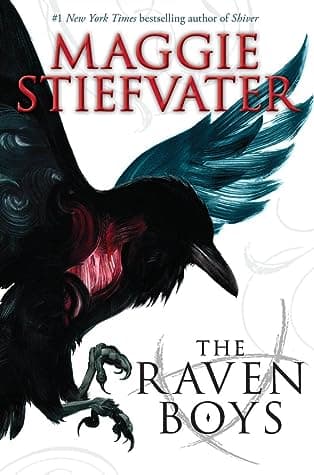
- The Raven Boys
Maggie Stiefvater
4.0 (270k) average on GoodreadsFantasyFeatures a group of teens with supernatural abilities unraveling a mystery with romantic undertones.
- Shatter Me
Tahereh Mafi
4.0 (291k) average on GoodreadsFantasyExplores a protagonist with a dangerous power and a developing romance amidst a dystopian/thriller plot.
- One of Us Is Lying
Karen M. McManus
4.0 (216k) average on GoodreadsThriller'Deadly Little Games' lacks the intricate character motivations and the slow-burn, organic unraveling of secrets that make 'One of Us Is Lying' a standout in YA mystery. McManus's characters feel more authentic and their individual stories are more deeply intertwined with the central enigma, whereas Stolarz's protagonists sometimes feel like vehicles for the plot.
- We Were Liars
E. Lockhart
3.8 (465k) average on GoodreadsThrillerWhile both books deal with secrets and past revelations, 'We Were Liars' excels in its psychological depth, unreliable narration, and unsettling atmosphere, creating a more profound and disturbing impact. Stolarz's narrative, in contrast, is more straightforward and less experimental, offering a less complex emotional and intellectual experience than Lockhart's work.
- Angels & Demons
Dan Brown
3.9 (2.7M) average on GoodreadsThrillerA Harvard symbologist races through Rome's ancient sites, deciphering cryptic clues to unmask the Illuminati and stop a vengeful plot to destroy the Vatican with a stolen antimatter weapon.
- Gone Girl
Gillian Flynn
4.1 (2.3M) average on GoodreadsThrillerA wife's sudden disappearance on her fifth anniversary reveals a web of lies and psychological warfare, exposing the secrets within a seemingly perfect marriage.





Enjoyed the summary?
A summary gives you the shape of the book. The book itself has the detail, the examples and the voice.
Find Deadly Little Games on AmazonAs an Amazon Associate, BookBrief earns from qualifying purchases. How we're funded