

Synopsis
Covers the whole plot, including the ending.
- Difficulty
- Medium
- Pacing
- Moderate
- Mood
- Dark, Suspenseful, Unsettling, Psychological
- Read it if
- You enjoy psychological thrillers that delve into the dark underbelly of suburban life and explore the slow burn of a character's descent into madness.
- Skip it if
- You prefer fast-paced action or clear-cut heroes and villains, as this book focuses on complex, morally ambiguous characters and internal psychological tension.
Deep Water Plot Summary
Covers the whole plot, including the ending.
The Arrangement in Little Wesley
Vic and Melinda Van Allen live in Little Wesley, Connecticut. Their marriage is a show for the community. Melinda openly has affairs, which Vic has agreed to to avoid divorce and keep their daughter, Trixie, in a family. Vic, however, is deeply angry and embarrassed by Melinda's actions, which she often does in front of him and their friends. He watches her with mixed feelings, his anger hidden under a calm outside. The town knows about Melinda's reputation but mostly thinks she is just flighty, not that Vic is a cuckold. Vic both encourages and hates this idea.
The Joel Nash Fabrication
Melinda's newest boyfriend, Malcolm McCrae, is a quiet young man who often visits their home. Wanting to feel powerful and scare McCrae, Vic corners him at a party. Calmly, he makes up a story about killing Melinda's previous boyfriend, Joel Nash, who disappeared years ago. Vic describes the imaginary murder in detail, saying he drowned Nash in a quarry. McCrae is clearly upset by Vic's intensity and this unexpected confession and starts to stay away from Melinda. Vic feels a strange satisfaction from this small win, believing he has found a way to control his wife's affairs and get back some self-respect.
The Town's Reaction and the Real Nash
Vic's story about Joel Nash spreads through the town, whispered with shock and dark interest. Some think it is Vic's dark humor, but others, including Melinda, are uneasy. Melinda confronts Vic, first amused but then truly worried, especially when she realizes the story has scared off Malcolm McCrae. Joel Nash's real fate is still a mystery in town, and Vic uses this uncertainty. He enjoys the power his dark secret, even if fake, gives him over others, especially Melinda. He starts to think that the fear he creates is a kind of respect.
The Arrival of Ralphie
Melinda continues her affairs, soon starting a new one with Ralphie. Unlike her past, shorter relationships, Ralphie seems more serious and possibly a long-term part of Melinda's life. He is younger, charming, and truly likes Melinda, making him a bigger threat to Vic's fragile control. Vic's jealousy grows, his anger simmering. He watches Ralphie and Melinda together with a growing sense of dread and anger, feeling their arrangement slipping away. Ralphie's presence becomes a constant, annoying reminder of Vic's feeling of powerlessness.
The Pool Party and Ralphie's Demise
During a busy pool party at the Van Allens' home, Vic's anger reaches its peak. Melinda and Ralphie are openly loving, making fun of Vic with their closeness. As the party ends and guests leave, Vic sees his chance. He leads Ralphie to a quiet part of the pool. Suddenly and brutally, he holds Ralphie's head underwater until he drowns. The act is quick and silent, unseen by the remaining guests. Vic carefully gets rid of Ralphie's body, weighing it down with rocks and sinking it in a remote quarry, just like the fake story he told about Joel Nash. The murder is a shocking increase in Vic's mental torment.
The Investigation Begins
Ralphie's disappearance is soon noticed, and the local police start an investigation. Detectives question Melinda, who, despite being upset, does not help much, perhaps wanting to protect Vic or still fearing him. Vic, pretending to be concerned, offers his help. However, his widely known story about killing Joel Nash now seems very dark. The police, especially Chief Horace McRae, start to suspect Vic more, noticing the strange similarity between his fake confession and Ralphie's actual disappearance. Vic finds himself caught in his own lies, as his dark fantasy starts to become real.
Vic's Growing Confidence and Melinda's Fear
With Ralphie gone, Vic feels a strange sense of freedom and power. He enjoys the fear he can now create in Melinda, who is clearly unsettled by what happened and the police's focus on her husband. Vic subtly adds to her worries with veiled threats and unsettling comments. Melinda, who once loved her freedom, now feels trapped in a marriage overshadowed by a chilling possibility. She starts to see Vic not as a cuckold, but as a dangerous, unpredictable person. Their relationship changes greatly, with Vic now holding the psychological power.
The Arrival of Don Wilson
Despite the ongoing investigation and the clear tension in her marriage, Melinda, unable to change, starts another affair with Don Wilson. Wilson is a charming, smart man, and their relationship seems to be Melinda's real attempt to escape her stifling home life. However, Wilson's presence only restarts Vic's desire to kill. Vic sees Wilson as another challenge, another man who dares to enter what he considers his. The cycle of jealousy and violence threatens to happen again, making things more dangerous for everyone.
Don Wilson's Fate and Trixie's Discovery
Vic, unable to stand Don Wilson, plans and carries out another murder. He lures Wilson to a secluded spot, perhaps pretending to be friendly, and brutally kills him. As Vic tries to get rid of Wilson's body, carrying it secretly through his property at night, his young daughter, Trixie, sees him. Trixie, a smart and watchful child, sees her father with the body, a sight that will always affect her. This unexpected witness greatly changes the course of events, bringing the truth dangerously close to being revealed and putting Vic in an even more desperate situation.
Melinda's Confrontation and The Final Act
Trixie, traumatized by what she saw, eventually tells Melinda. Melinda, now sure of Vic's guilt in both murders and afraid for her own life and Trixie's, confronts Vic. The confrontation is tense and desperate, with Melinda directly accusing him. Vic, trapped and seeing his carefully built image fall apart, gives in to his rage. He tries to drown Melinda in their swimming pool, repeating his earlier actions. However, Trixie, seeing the attack, hits Vic with a stone, distracting him and allowing Melinda to escape. The police, alerted by the noise or earlier suspicions, arrive, ending Vic's violent actions.
Deep Water Characters
Vic Van Allen
Protagonist/Antagonist
A seemingly mild-mannered man who harbors a dark, murderous rage fueled by jealousy.
Vic is a seemingly unassuming engineer in his forties, outwardly calm and collected. Beneath this placid exterior, he seethes with resentment and humiliation over his wife Melinda's open affairs. He initially tries to regain control through psychological manipulation, inventing a murder. However, his suppressed rage and possessiveness eventually manifest in actual violence. He is intelligent and calculating, meticulously planning his crimes and enjoying the power they give him. His journey is a descent into psychosis, driven by a desperate need to assert dominance and punish those who challenge his fragile ego.
Relationships: Melinda Van Allen (Husband, resentful and murderous); Trixie Van Allen (Father, ultimately dangerous and exposed by her); Joel Nash (Victim (imagined, then inspiration for real murders)); Malcolm McCrae (Melinda's lover, intimidated by Vic's fabrication); Ralphie (Melinda's lover, first real victim); Don Wilson (Melinda's lover, second real victim); Chief Horace McRae (Investigating officer, suspicious of Vic)
Melinda Van Allen
Supporting/Victim
Vic's beautiful, promiscuous wife who initially enjoys her freedom but later becomes terrified.
Melinda is a vibrant, attractive woman in her thirties, bored with her marriage to Vic and openly engaging in numerous affairs. She is initially provocative and enjoys the attention she receives, often flaunting her lovers in front of Vic. She is self-centered and somewhat naive about the depth of Vic's resentment. As Vic's fabricated stories turn into real murders, Melinda's carefree attitude shifts to fear and paranoia. She becomes a victim of Vic's escalating violence, desperately trying to protect herself and her daughter from him.
Relationships: Vic Van Allen (Wife, later target of his violence); Trixie Van Allen (Mother, protective); Malcolm McCrae (Lover, scared off by Vic); Ralphie (Lover, murdered by Vic); Don Wilson (Lover, murdered by Vic)
Trixie Van Allen
Supporting
Vic and Melinda's observant young daughter, who ultimately exposes her father.
Trixie is Vic and Melinda's young daughter, bright, sensitive, and observant. She is often caught in the uncomfortable atmosphere of her parents' dysfunctional marriage, though she doesn't fully comprehend the complexities of their arrangement. Her innocence makes her a unique witness to Vic's crimes. She loves both her parents but is ultimately the one who sees her father's true monstrous nature, her testimony becoming crucial in exposing him. Her actions are driven by a child's pure sense of right and wrong and a need to protect her mother.
Relationships: Vic Van Allen (Daughter, witness to his crimes); Melinda Van Allen (Daughter, protected by and confides in her)
Ralphie
Supporting/Victim
Melinda's charming and unsuspecting second lover, who becomes Vic's first real victim.
Ralphie is a young, attractive man who becomes Melinda's lover. He is relatively new to Little Wesley and is portrayed as somewhat naive to the town's social dynamics and the true nature of the Van Allen marriage. He is genuinely fond of Melinda and openly affectionate, which quickly makes him a target for Vic's escalating jealousy and possessiveness. His casual disregard for Vic's presence, coupled with his youth and charm, makes him an easy and tempting target for Vic's first actual murder, mirroring the fabricated story of Joel Nash.
Relationships: Melinda Van Allen (Lover); Vic Van Allen (Rival, murderer)
Don Wilson
Supporting/Victim
Melinda's third lover, whose relationship with her further provokes Vic's murderous rage.
Don Wilson is another of Melinda's lovers, appearing after Ralphie's disappearance. He is perhaps more serious and established than Ralphie, suggesting a deeper connection with Melinda. His presence, like Ralphie's, serves to reignite Vic's suppressed anger and possessiveness. Wilson is an outsider to the deeply dysfunctional dynamics of the Van Allen marriage and is unaware of the danger he is in. His murder underscores Vic's inability to stop his violent impulses and his complete descent into psychopathy, setting the stage for his eventual exposure.
Relationships: Melinda Van Allen (Lover); Vic Van Allen (Rival, murderer)
Malcolm McCrae
Supporting
Melinda's first prominent lover, scared off by Vic's fabricated murder confession.
Malcolm McCrae is one of Melinda's early lovers, a young, somewhat timid man. He is the initial target of Vic's psychological manipulation. Vic's chillingly detailed, fabricated confession about murdering Joel Nash is specifically designed to scare McCrae away from Melinda, and it succeeds. McCrae's reaction validates Vic's belief that he can control his situation through intimidation, inadvertently setting the stage for his future real crimes. He represents the initial, non-violent phase of Vic's attempts to assert control.
Relationships: Melinda Van Allen (Lover); Vic Van Allen (Target of his intimidation)
Chief Horace McRae
Supporting
The local police chief who becomes increasingly suspicious of Vic.
Chief Horace McRae is the head of the local police force in Little Wesley, tasked with investigating the disappearances. He is a diligent and observant officer who, while initially dismissing Vic's Joel Nash story as dark humor, begins to connect the dots as real bodies pile up. He represents the external forces of justice slowly closing in on Vic. His persistence and growing suspicion make him a formidable adversary for Vic, who struggles to maintain his innocent facade under McRae's scrutiny.
Relationships: Vic Van Allen (Suspect); Melinda Van Allen (Interviewee)
Joel Nash
Mentioned/Catalyst
Melinda's former lover whose unsolved disappearance inspires Vic's initial fabrication.
Joel Nash is Melinda's former lover who mysteriously disappeared years before the main events of the novel. His unsolved disappearance provides Vic with the perfect subject for his fabricated murder confession to Malcolm McCrae. Nash's ambiguous fate allows Vic's lie to gain traction and credibility within the community. Though never appearing in the story, his lingering mystery is a powerful catalyst for Vic's descent into actual violence, as Vic's fictional narrative about Nash becomes a blueprint for his real-life crimes.
Relationships: Melinda Van Allen (Former lover); Vic Van Allen (Inspiration for his fabricated and real murders)
Deep Water Themes
The Destructive Nature of Jealousy and Possessiveness
The novel shows how Vic Van Allen's deep jealousy and need to control, first aimed at his wife Melinda's open affairs, turn into a murderous rage. He cannot accept Melinda's independence and her relationships with other men, which makes him want control. This leads him to make up a murder and then actually kill people. This theme is clear in Vic's thoughts, where he always says his actions are to 'protect' his family or claim his 'rights' over Melinda, even as he plans and commits killings. The story shows how uncontrolled jealousy can ruin a person and lives.
“He knew he was a murderer, but he thought of it as a matter of justice, a matter of principle.”
The Facade of Suburban Idyl and Hidden Darkness
Highsmith reveals the dark side of seemingly calm American suburban life in Little Wesley. The Van Allens' outwardly normal life hides a very troubled and violent situation. The town itself, at first ignoring Vic's strange humor, slowly gets caught up in the sinister events happening within its neat yards and quiet streets. This theme highlights how appearances can be misleading, and how deep mental problems can grow unnoticed behind a normal front, challenging the perfect image of post-war American suburbia.
“The quietest lives, he thought, were sometimes the most violent.”
The Power of Psychological Manipulation and Deception
Vic's first attempts to control Melinda and her lovers rely heavily on mind games and planned lies. His made-up confession about Joel Nash is a clear example, meant to create fear and stop rivals without physical violence. Even after committing real murders, Vic stays calm and acts innocent, skillfully changing perceptions and avoiding suspicion. This theme shows how effective a clever mind can be at using social expectations and human trust, and how words and behavior can create a desired, even if false, reality.
“He had learned that the most effective lies were those that contained a grain of truth, or, better yet, no truth at all, but merely the suggestion of a terrible possibility.”
The Blurred Lines Between Fantasy and Reality
A main theme is how Vic blurs the line between his dark thoughts and his real actions. His first, purely fictional story about killing Joel Nash acts as a mental practice for the actual murders of Ralphie and Don Wilson. Vic seems to get a strange satisfaction from making his dark ideas happen. This theme explores the dangerous path from morbid thoughts to actual deeds, suggesting how a mind consumed by obsession can lose touch with what is imagined and what is real, leading to terrible results.
“The memory of the imagined murder was so vivid, it was almost as real as the deed he had just committed.”
Plot Devices & Literary Techniques
The Unsolved Disappearance of Joel Nash
A past mystery that Vic uses as a template for his fabricated confession and later real crimes.
The unsolved disappearance of Joel Nash, one of Melinda's former lovers, serves as a crucial plot device. It provides Vic with a ready-made, plausible scenario for his fabricated murder confession to Malcolm McCrae. This initial lie, which is widely believed or at least taken seriously by the town, establishes Vic's capacity for dark deeds in the minds of others. More significantly, it acts as a psychological blueprint for Vic's subsequent real murders, particularly Ralphie's, which mirrors the imagined drowning of Nash. This device effectively blurs the line between Vic's fantasy and reality, propelling him towards actual violence.
Open Marriage/Arrangement
The unconventional marital agreement that allows Melinda to take lovers, fueling Vic's resentment.
The 'arrangement' between Vic and Melinda, where Melinda is free to take lovers as long as she doesn't leave the family, is the central catalyst for the entire plot. It is this unconventional and deeply humiliating (for Vic) agreement that creates the psychological pressure cooker within Vic. It provides the constant provocation that feeds his jealousy and possessiveness, ultimately leading to his murderous impulses. Without this specific marital dynamic, Vic's dark nature might never have been unleashed, as he would not have had the 'justification' or the constant source of torment that Melinda's affairs provide.
The Observant Child (Trixie)
Vic and Melinda's daughter who inadvertently witnesses a crucial crime and helps expose her father.
Trixie, Vic and Melinda's young daughter, acts as a critical plot device. Her innocence and keen observation skills, often overlooked by adults, lead her to witness Vic disposing of Don Wilson's body. This makes her the sole, undeniable witness to his crimes. Her testimony, initially conveyed to Melinda, shatters Vic's carefully constructed facade of innocence and forces Melinda to confront the horrifying truth about her husband. Trixie's intervention in the final scene, hitting Vic with a stone, directly saves Melinda's life and leads to Vic's ultimate downfall, providing a dramatic resolution to the escalating tension.
Deep Water Quotes
“He was always so good about her little affairs. So understanding. It was a shame. He looked at her, and she had never seemed so desirable, so much his, as at this moment when she was thinking of another man.”
“The human mind, he thought, was an incredible thing. It could justify anything. Anything at all.”
“It was not a question of love, but of ownership. He owned her, and she owned him, and in that ownership was a kind of peace.”
“He felt a sudden, exhilarating sense of power. He had done it. He had actually done it.”
“People were always trying to get away with things. It was a basic human urge.”
“He had only to wait. That was the secret of everything. To wait.”
“He was not a jealous man, not really. It was just that he preferred things to be orderly.”
“The greatest danger, he knew, was to let others know what you were thinking.”
“He felt a strange, cold calm. As if he had stepped outside himself and was watching a play.”
“He had made his bed, and now he had to lie in it. But he would make sure it was a comfortable bed.”
“Love was a complicated business. It was not always pretty.”
“The house was his sanctuary, his prison. He felt both safe and trapped within its walls.”
“He had a right to his own peace, didn't he? A right to be undisturbed.”
“The truth was a slippery thing. It changed shape, depending on who was looking at it.”
“He often thought that life was like a game of chess, and he was always several moves ahead.”
Quiz
10 questions on the plot and the characters. Each answer comes with a short explanation.
Question 1
What is the name of the small town where the Van Allen family lives?
- Highfield
- Little Wesley
- Riverbend
- Oakwood
Show answer
B. Little Wesley The book is set in the quiet, small town of Little Wesley, which contributes to the seemingly idyllic facade of suburban life.
Question 2
What is the primary reason Melinda is allowed to take lovers in her marriage to Vic?
- Vic is too busy with his work to pay attention to her.
- It's a modern, open marriage agreement they both enthusiastically endorse.
- To avoid a messy divorce, as long as she doesn't desert her family.
- Vic believes it will make her appreciate him more in the long run.
Show answer
C. To avoid a messy divorce, as long as she doesn't desert her family. The precarious arrangement states that Melinda can have lovers to avoid divorce, provided she doesn't leave her family.
Question 3
What is the initial action Vic takes to try and win back his wife and assert himself?
- He confronts her lovers directly and physically threatens them.
- He hires a private investigator to follow Melinda.
- He tells a tall tale of murder, claiming to have killed one of Melinda's previous lovers.
- He plans an elaborate romantic getaway for just the two of them.
Show answer
C. He tells a tall tale of murder, claiming to have killed one of Melinda's previous lovers. Vic tries to assert himself and win Melinda back by fabricating a story about murdering one of her past lovers.
Question 4
Which of Vic's hobbies or interests is frequently mentioned as a contrast to his inner turmoil?
- Collecting rare stamps
- Breeding exotic birds
- Gardening and cultivating orchids
- Raising snails in terrariums
Show answer
D. Raising snails in terrariums Vic's fascination with snails and terrariums is a recurring detail, often serving as a quiet, controlled counterpoint to his increasingly chaotic inner life.
Question 5
What is the general public's perception of Vic Van Allen in Little Wesley before the murders begin?
- He is seen as a charismatic and popular figure.
- He is generally perceived as quiet, unassuming, and respectable.
- He is known to be a troubled and eccentric recluse.
- He is viewed with suspicion due to his wife's promiscuity.
Show answer
B. He is generally perceived as quiet, unassuming, and respectable. Vic is initially seen as a normal, respectable suburban man, which makes his emerging psychosis all the more chilling.
Question 6
How does Melinda react to Vic's initial 'confession' about killing one of her past lovers?
- She is terrified and immediately reports him to the police.
- She finds it amusing and teases him about it, not believing him.
- She is deeply impressed by his newfound assertiveness and falls back in love.
- She becomes withdrawn and avoids him completely.
Show answer
B. She finds it amusing and teases him about it, not believing him. Melinda initially dismisses Vic's 'confession' as a joke or a fantasy, finding it amusing rather than threatening, which fuels his resentment.
Question 7
What is a central theme explored by Highsmith regarding the suburban setting in 'Deep Water'?
- The warmth and security of close-knit communities.
- The challenges of maintaining traditional family values.
- The chilling reality behind the idyllic facade of American suburban life.
- The economic struggles faced by middle-class families.
Show answer
C. The chilling reality behind the idyllic facade of American suburban life. The book description explicitly states that Highsmith 'examines the chilling reality behind the idyllic facade of American suburban life.'
Question 8
Which character becomes particularly suspicious of Vic's involvement in the disappearances and deaths?
- The local police chief, Chief McCready
- A nosy neighbor named Mr. Wilson
- A writer named Don Wilson, who is also a friend of Melinda's current lover
- Vic and Melinda's daughter, Trixie
Show answer
C. A writer named Don Wilson, who is also a friend of Melinda's current lover Don Wilson, a writer and a friend of Melinda's lover (Ted), is the one who most actively and persistently suspects Vic and tries to expose him.
Question 9
What ultimately happens to Melinda's current lover, Ted, in the story?
- He leaves Little Wesley after Melinda breaks up with him.
- He is murdered by Vic, who later disposes of his body.
- He discovers Vic's crimes and helps the police apprehend him.
- He has an affair with another woman and leaves Melinda.
Show answer
B. He is murdered by Vic, who later disposes of his body. Vic murders Ted, Melinda's current lover, and disposes of his body in a quarry, making it appear as an accident or disappearance.
Question 10
What is the ultimate fate of Vic Van Allen at the end of the novel?
- He successfully frames someone else for the murders and lives happily ever after.
- He confesses his crimes to the police and is arrested.
- He is killed by Melinda in self-defense after she discovers his true nature.
- He commits suicide, unable to cope with his guilt.
Show answer
C. He is killed by Melinda in self-defense after she discovers his true nature. In a climactic confrontation, Melinda kills Vic in self-defense, ending his reign of terror and revealing the full extent of his psychosis.
Deep Water FAQ
What is the central conflict in 'Deep Water'?
The central conflict revolves around the loveless marriage of Vic and Melinda Van Allen. Melinda's open affairs, tolerated by Vic under a strained agreement to avoid divorce, slowly erode Vic's sanity until he snaps, leading him to fabricate a murder confession that eventually becomes horrifyingly real.
Describe Vic Van Allen's initial disposition regarding Melinda's affairs.
Initially, Vic appears to tolerate Melinda's affairs with a detached, almost philosophical air, viewing it as a pragmatic arrangement to maintain their family unit and avoid the social upheaval of divorce. However, this outward composure masks a deep-seated resentment and simmering jealousy that gradually poisons his mind.
How does Vic's lie about killing Malcolm McCarron escalate the plot?
Vic's fabricated confession about killing Malcolm McCarron, one of Melinda's former lovers, is intended to scare Melinda and assert his dominance. Instead, it plants a seed of suspicion in the community and within Melinda, and critically, it emboldens Vic, giving him a taste of power that paves the way for his actual descent into murder.
Who is Tony Cameron and what is his significance?
Tony Cameron is another of Melinda's lovers, and his disappearance and subsequent murder mark Vic's first actual killing. Tony's death significantly escalates Vic's transformation from a passive, cuckolded husband to a dangerous murderer, proving that Vic's earlier threats were not just empty boasts.
What role does the small town of Little Wesley play in the narrative?
Little Wesley serves as an idyllic, seemingly peaceful suburban backdrop that starkly contrasts with the psychological turmoil and violence festering within Vic. The town's close-knit nature and gossip culture contribute to the pressure Vic feels and eventually make his crimes harder to conceal as suspicions mount.
What is the significance of Vic's snail collection?
Vic's snail collection serves as a symbolic refuge and a projection of his control. He meticulously cares for these creatures, observing their slow, deliberate movements, which contrasts sharply with the chaotic and uncontrollable aspects of his marriage and his emerging violent impulses. It represents his desire for order and his inner world.
Are there any subtle clues about Vic's deteriorating mental state before his first actual murder?
Yes, Highsmith subtly hints at Vic's deterioration through his increasing fascination with the idea of murder, his chillingly calm demeanor when discussing Malcolm McCarron's 'death,' and his growing detachment from conventional morality. His internal monologues reveal a shifting perception of right and wrong, foreshadowing his dark actions.
How does Don Wilson's character contribute to the tension?
Don Wilson, a local writer, becomes increasingly suspicious of Vic, particularly after Tony Cameron's disappearance. He acts as an external catalyst, actively investigating and challenging Vic, thereby raising the stakes and forcing Vic to become more cunning and desperate in his attempts to cover his tracks.
What is the underlying psychological motivation for Vic's murders?
Vic's murders are primarily driven by a desperate need to reclaim control and assert his masculinity, which he feels has been completely undermined by Melinda's infidelity. He seeks to eliminate the perceived threats to his marital authority and self-worth, seeing violence as the only effective way to 'fix' his life and punish those who challenge him.
How does Highsmith portray the concept of 'deep water' psychologically?
The 'deep water' metaphor represents Vic's complete immersion into a morally ambiguous and dangerous psychological state, where he has crossed a point of no return. It signifies his descent into a place where conventional morality no longer applies, and he is adrift in his own psychosis, far from the 'safe' shallows of his former life.
Is Vic a psychopath or does he develop psychopathic tendencies?
Vic is not initially presented as a psychopath, but rather a man pushed to his breaking point who develops psychopathic tendencies. His increasing lack of empathy, his manipulative behavior, and his calculated violence suggest a gradual emergence of psychopathy, rather than an inherent condition from the outset.
How does Melinda's behavior contribute to Vic's psychological breakdown?
Melinda's constant flaunting of her affairs, her dismissive attitude towards Vic's feelings, and her refusal to acknowledge the emotional toll on him directly fuel Vic's resentment and feelings of emasculation. Her actions, while not excusing his crimes, are a significant catalyst for his psychological unraveling and violent reactions.
What is the significance of the ending of 'Deep Water'?
The ending is bleak and chilling, with Vic being caught in the act of attempting to murder Melinda, witnessed by Don Wilson. It signifies the complete unraveling of Vic's carefully constructed facade and the inescapable consequences of his actions, leaving no room for redemption or escape from his psychological abyss.
Does the novel offer any sympathy for Vic Van Allen?
Highsmith presents Vic's perspective, allowing readers to understand his frustrations and feelings of betrayal, which can evoke a degree of initial sympathy. However, as his actions escalate to cold-blooded murder, the narrative shifts, making it increasingly difficult to sympathize with his monstrous deeds, ultimately portraying him as a villain.
How does 'Deep Water' critique suburban American life?
The novel critiques the superficiality and hypocrisy of suburban American life by showing how beneath the veneer of respectability and domestic bliss, dark desires and psychological torment can fester. It suggests that the pressure to maintain appearances can lead to destructive outcomes when genuine emotional needs are ignored.
Could Melinda be seen as complicit in her own fate, or is she purely a victim?
Melinda's provocative behavior and dismissiveness towards Vic's feelings certainly contribute to the escalating tension. However, her actions do not justify Vic's murderous rage, making her ultimately a victim of his psychosis. While she plays a role in the marital dynamics, her fate is a result of Vic's violent choices, not her own complicity in murder.
What is Highsmith's broader message about human nature in 'Deep Water'?
Highsmith suggests that beneath the surface of ordinary people, especially when subjected to extreme psychological pressure, lies a capacity for immense darkness and violence. The novel explores how seemingly normal individuals can transform into killers, highlighting the fragility of sanity and the dangerous potential of repressed emotions.
How does the novel explore themes of control and power?
The novel meticulously explores themes of control and power through Vic's desperate attempts to regain dominance in his marriage. His murders are acts of reclaiming power he feels he has lost, exercising ultimate control over the lives of others, and asserting his will in a world he perceives as having stripped him of agency.
About the author

Patricia Highsmith was an American novelist and short story writer known for her psychological thrillers and exploration of moral ambiguity. Her notable work, Deep Water, delves into themes of obsession and deception within a troubled marriage. Highsmith's writing often features complex characters and has influenced the genre of suspense fiction.
Similar books
- Gone Girl
Gillian Flynn
4.1 (2.3M) average on GoodreadsThrillerExplores toxic marital dynamics and a protagonist's dark psychological transformation.
- Rebecca
Daphne du Maurier
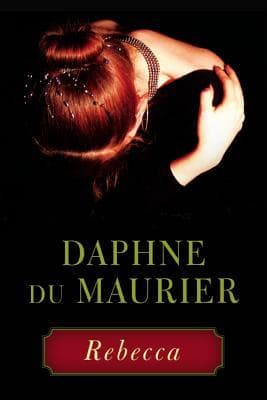
4.2 (450k) average on GoodreadsThrillerDeep Water and Rebecca both exemplify psychological suspense, but they achieve it through different means. Du Maurier's novel builds dread through an unnamed narrator's anxieties, the pervasive, almost spectral, influence of a deceased character (Rebecca), and the oppressive atmosphere of Manderley. Highsmith, in contrast, places the reader directly into the mind of the perpetrator, Vic, allowing for an intimate, chilling experience of his escalating homicidal fantasies. While Rebecca explores the psychological impact of a past presence, Deep Water delves into the active development of a present danger.
- Angels & Demons
Dan Brown
3.9 (2.7M) average on GoodreadsThrillerA Harvard symbologist races through Rome's ancient sites, deciphering cryptic clues to unmask the Illuminati and stop a vengeful plot to destroy the Vatican with a stolen antimatter weapon.
- The Girl on the Train
Paula Hawkins
3.9 (2.1M) average on GoodreadsThrillerA woman’s fascination with a seemingly perfect couple she watches from her daily train commute leads her into a dark investigation when she witnesses something that shatters their idyllic image.
- The Da Vinci Code
Dan Brown
3.9 (1.9M) average on GoodreadsThrillerA symbologist and a cryptologist race through European landmarks, deciphering ancient codes and uncovering a conspiracy that could rewrite the foundations of Christianity.
- The Guest List
Lucy Foley
3.8 (1.3M) average on GoodreadsThrillerOn a remote Irish island, a glamorous wedding descends into a deadly whodunnit when a guest is found murdered, trapping everyone with their secrets as a storm rages.





Enjoyed the summary?
A summary gives you the shape of the book. The book itself has the detail, the examples and the voice.
Find Deep Water on AmazonAs an Amazon Associate, BookBrief earns from qualifying purchases. How we're funded