
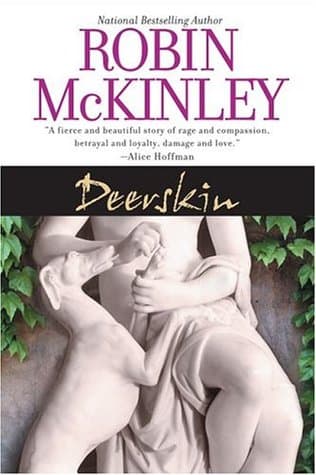
Synopsis
Covers the whole plot, including the ending.
- Difficulty
- Medium
- Pacing
- Slow
- Mood
- Dark, Redemptive, Melancholy, Hopeful, Atmospheric
- Read it if
- You enjoy dark, redemptive fairy tale retellings with a strong focus on healing from trauma, and appreciate lyrical prose.
- Skip it if
- You are sensitive to themes of incest and sexual assault, or prefer fast-paced, action-driven fantasy.
Deerskin Plot Summary
Covers the whole plot, including the ending.
A Queen's Legacy and a Princess's Unveiling
Princess Lissla Lissar grows up in the shadow of her beautiful, beloved mother, the Queen. The Queen dies giving birth to Lissla Lissar, leaving the King heartbroken and withdrawn. As Lissla Lissar grows, her beauty becomes extraordinary. Everyone agrees she is the exact image of her late mother. This resemblance is at first a source of pride and comfort for the King, who dotes on his daughter. However, as Lissla Lissar approaches womanhood, the King's affection becomes disturbing. His grief and isolation twist into a dangerous obsession, seeing her not as Lissla Lissar, but as his lost Queen reborn.
The King's Madness and the Royal Hunt
The King's madness deepens, fueled by his grief and Lissla Lissar's striking resemblance to his deceased Queen. He begins to treat Lissla Lissar as a replacement for his wife, not his daughter. The court whispers, but no one dares to intervene. The King eventually declares that Lissla Lissar must marry him, staging a bizarre royal hunt where she is to be the prize. He forces her to wear her mother's wedding gown, further blurring the lines between daughter and wife. Lissla Lissar is horrified and terrified, understanding the full extent of her father's derangement and the unspeakable fate awaiting her. She feels utterly alone and trapped.
Escape into the Wilderness
On the eve of the forced wedding, Lissla Lissar, with help from her old nurse, flees the castle. The nurse gives her a magnificent, magically preserved deerskin cloak that can transform to hide her identity, and supplies for her journey. Her only companion is her beloved hound, Ash, a large, intelligent, and fiercely loyal dog who has been her protector since childhood. Lissla Lissar, overwhelmed by trauma, loses much of her memory and sense of self during her flight. She becomes 'Deerskin,' a creature of the forest, shedding her royal identity and the horrific events that drove her away. The deerskin cloak becomes both her disguise and a symbol of her lost innocence and new, wild existence.
Life as Deerskin
For months, Lissla Lissar, now known only as 'Deerskin,' wanders through the vast forests, living off the land with Ash. Her memory is hazy, the trauma too great to face. She speaks little, her human identity almost entirely taken over by her wild existence. Ash is her constant companion and protector, hunting for them and providing silent comfort. The deerskin cloak, which magically adjusts to her needs, becomes her second skin, reinforcing her new identity. She avoids all human contact, deeply distrustful and fearful, her senses sharp to the rhythms of the forest. This time is one of deep isolation and a return to a more primal state.
The Encounter with the Old Woman
One day, while foraging, Deerskin and Ash are discovered by an old woman named Halley. Halley is a wise and gentle soul who lives on the edges of society. She immediately senses Deerskin's deep distress and the unusualness of her situation. Halley does not pressure Deerskin for information but offers her food, warmth, and a safe place to rest, respecting her silence and fear. She recognizes the magic in the deerskin cloak and understands that Deerskin is not a common runaway. Halley's kindness is the first human warmth Deerskin has experienced since her escape, a tentative step towards healing and connection.
A New Life in King's Kennels
Realizing that Deerskin cannot live wild forever, Halley takes her to the castle of a neighboring kingdom, ruled by King Wellyn and Queen Corlath. Through her connections, Halley gets Deerskin a job as a kennel maid, a role where her skill with animals and quiet nature will be an asset. Deerskin, still mostly mute and withdrawn, adapts to her new life. She finds comfort in the routine and the company of the dogs, especially her own Ash. She learns the ways of the kennels, her hands becoming skilled, and her mind slowly beginning to process small parts of her past, though the core trauma remains buried.
Prince Pendar's Interest
Prince Pendar, the heir to the kingdom, is a kind and observant young man who often visits the kennels. He is intrigued by the new kennel maid, 'Deerskin,' who is very skilled with animals and has an unusual aura of quiet strength and sorrow. Pendar notices her special bond with Ash and her ability to communicate silently with the dogs. He is drawn to her mystery and the gentle sadness in her eyes, though she rarely speaks. He begins to seek her out, engaging her in quiet conversation, trying to understand the story behind her reserved manner and her beautiful, often hidden, face.
The Healing Power of Kindness
Under the patient and kind guidance of the head kennel master and the gentle persistence of Prince Pendar, Deerskin slowly begins to open up. She finds purpose and belonging in her work, and the consistent, undemanding kindness of those around her starts to mend the deep wounds of her past. Her memory remains broken, but her emotional state improves. She learns to smile again, though rarely, and her interactions become less guarded. Ash remains her anchor, but she also develops a quiet affection for Pendar, recognizing his genuine concern and respect, a strong contrast to the twisted affections of her father.
The Story of Lissla Lissar
One day, while with Deerskin in the kennels, Prince Pendar tells a tragic story he heard from a traveling merchant. It is the tale of Princess Lissla Lissar, a princess of a neighboring kingdom, known for her beauty, who disappeared after her father, the King, went mad and tried to marry her. He describes the princess's beauty, her loyalty to her dog, Ash, and the horror of her situation. As Pendar speaks, details of the story deeply affect Deerskin. Broken memories begin to surface, causing her great distress and confusion. The story acts as a key, slowly unlocking the repressed trauma of her past.
Memory's Return and the Unleashing of Trauma
Pendar's retelling of Lissla Lissar's story shatters the protective amnesia Deerskin had built around herself. The memories flood back: the King's twisted obsession, the forced wedding, the flight, the terror. The return of these memories is intensely painful, causing a severe emotional breakdown. Lissla Lissar relives the trauma, experiencing nightmares and periods of intense fear and withdrawal. She struggles to reconcile her present identity as 'Deerskin' with her past as Princess Lissla Lissar, and the sheer horror of her father's actions. Ash stays by her side, a constant, comforting presence during this agonizing time of recollection and emotional turmoil.
Revelation and Confession
After a period of intense emotional distress, Lissla Lissar, with Ash by her side, finally tells Prince Pendar her true identity. She tells him the full, honest story of her father's madness, his attempt to marry her, and her desperate escape. The confession is difficult, filled with pain and shame, but also a deep act of trust. Pendar, at first shocked, listens with compassion and unwavering belief. He is horrified by what she has endured and deeply moved by her courage. This revelation strengthens their bond, turning his affection into deep understanding and commitment to her healing and protection.
The Witch of the Woods and the King's Fate
With Pendar's support, Lissla Lissar seeks out the Witch of the Woods, a powerful and ancient magical being known for her wisdom and justice. Lissla Lissar tells her story, seeking not revenge, but understanding and closure regarding her father's actions. The Witch, after listening, reveals that Lissla Lissar's father was not merely mad, but under a dark, ancestral curse that twisted his love into something monstrous. The Witch offers a way to break the curse, but it requires Lissla Lissar to confront her past and participate in a ritual that will decide her father's ultimate fate, bringing justice and peace to the blighted kingdom.
Confrontation and Resolution
Lissla Lissar, accompanied by Pendar and Ash, returns to her birth kingdom. With the Witch's guidance, a powerful ritual is performed. Lissla Lissar, facing her father, confronts the source of her trauma. The curse on the King is broken, revealing the broken, tormented man beneath the madness. The King is freed from the enchantment but must face the horrific consequences of his actions, though without magical compulsion. This act brings a difficult but necessary closure for Lissla Lissar, allowing her to acknowledge her past without being consumed by it. Her kingdom begins to heal, and a new, just rule is established.
A New Beginning
Having faced her past and found healing, Lissla Lissar fully embraces her future. She accepts Prince Pendar's love, a love built on understanding, respect, and shared experience rather than twisted obsession. She sheds the deerskin cloak, symbolizing her complete reclaiming of her identity, free from trauma and disguise. Lissla Lissar and Pendar marry, uniting their kingdoms and promising a reign of justice and compassion. Ash remains a beloved member of their new family, a constant reminder of Lissla Lissar's journey and unwavering loyalty. Lissla Lissar, no longer 'Deerskin' or the cursed princess, becomes a strong and wise queen, embodying resilience and hope.
Principal Figures
Lissla Lissar / Deerskin
Protagonist
A princess traumatized by her father's madness, who reclaims her identity.
Lissla Lissar is initially a beautiful, innocent princess, beloved by her mother and doted on by her father. Her life is shattered when her father's grief-fueled madness turns into a twisted, incestuous obsession. Forced to flee, she adopts the identity of 'Deerskin,' becoming feral and losing much of her memory as a coping mechanism. She is deeply empathetic towards animals, particularly her dog, Ash. Her journey is one of profound trauma, amnesia, and slow, painful healing, ultimately leading to self-discovery and resilience. She is quiet, observant, and possesses an inner strength that allows her to survive and eventually thrive.
Relationships: Ash (Unwavering loyalty and protection; her only constant companion and emotional anchor.); The King (her father) (Object of his twisted obsession; source of her profound trauma and fear.); Prince Pendar (Her rescuer, confidant, and eventual true love; he offers understanding and unconditional support.); Halley (Kind benefactor and mentor; helps her transition back into human society.)
Ash
Supporting
Lissla Lissar's fiercely loyal and intelligent hound.
Ash is Lissla Lissar's beloved dog, a large, intelligent hound who serves as her unwavering protector and closest companion. From her childhood, he is devoted to her, and this loyalty intensifies after her escape. He is her only constant during her time in the wilderness as 'Deerskin,' providing comfort, hunting for them, and sensing danger. Ash is more than just a pet; he is an emotional anchor for Lissla Lissar, a silent witness to her suffering, and a symbol of unconditional love and fidelity. His presence often helps ground her when her memories return, and he senses her distress deeply.
Relationships: Lissla Lissar (Primary companion, protector, and emotional support; an unbreakable bond.)
The King
Antagonist
Lissla Lissar's father, driven mad by grief and a dark curse.
The King is initially a loving husband and father, but after the death of his beloved Queen, he descends into profound grief and madness. This grief, exacerbated by an ancient curse, twists his love for Lissla Lissar into a horrifying, incestuous obsession, seeing her as a replacement for his lost wife. He is depicted as a figure of immense power and dangerous instability, whose actions drive the entire plot. His madness is both a personal failing and a consequence of a deeper, magical blight, making him a complex antagonist who is both perpetrator and victim.
Relationships: Lissla Lissar (His daughter, whom he attempts to marry due to his madness and a curse.); The Queen (his wife) (His deceased wife, whose memory fuels his twisted obsession with Lissla Lissar.)
Prince Pendar
Supporting / Love Interest
A kind and understanding prince who falls in love with 'Deerskin'.
Prince Pendar is the kind and compassionate heir to a neighboring kingdom. He is observant and empathetic, drawn to the quiet mystery and inherent goodness of 'Deerskin.' Unlike others, he doesn't pressure her for answers but offers her respect, friendship, and gentle attention. He is genuinely concerned for her well-being and is horrified when he learns her true story. Pendar represents true, unconditional love and acceptance, a stark contrast to Lissla Lissar's father. His steadfast support is crucial to Lissla Lissar's healing process and her ability to reclaim her past and future.
Relationships: Lissla Lissar (Her confidant, emotional support, and eventual husband; a relationship built on trust and compassion.)
Halley
Supporting
A wise old woman who helps Lissla Lissar find refuge and work.
Halley is an old woman living on the fringes of society, possessing a deep understanding of people and a gentle, discerning nature. She discovers Lissla Lissar and Ash in the wilderness and immediately recognizes Lissla Lissar's pain and unique situation, without needing an explanation. Halley offers her kindness, a temporary home, and eventually helps her secure a job in King Wellyn's kennels. She acts as a maternal figure and a bridge for Lissla Lissar back to human society, providing practical assistance and quiet wisdom. She implicitly understands the magic and trauma surrounding Deerskin.
Relationships: Lissla Lissar (Mentor and benefactor; helps her find safety and a new path.)
The Queen (Lissla Lissar's mother)
Mentioned / Catalyst
Lissla Lissar's beautiful, beloved mother whose death triggers the King's madness.
The Queen is Lissla Lissar's mother, renowned for her extraordinary beauty and gentle nature. She dies giving birth to Lissla Lissar, plunging the King into inconsolable grief. Her memory and her striking resemblance to Lissla Lissar become the catalyst for the King's descent into madness and his subsequent obsession with his daughter. Though she is never seen alive in the narrative, her presence is deeply felt, as her beauty and tragic death directly shape the fates of Lissla Lissar and the King. She represents lost beauty and the profound impact of grief.
Relationships: The King (her husband) (His beloved wife, whose death he cannot overcome.); Lissla Lissar (Her daughter, who inherited her beauty and, tragically, became the focus of her father's twisted grief.)
The Witch of the Woods
Supporting
A powerful magical being who reveals the truth of the King's curse.
The Witch of the Woods is an ancient and powerful figure, a master of magic and arcane knowledge. Lissla Lissar seeks her out for answers and guidance regarding her father's madness. The Witch reveals the existence of an ancestral curse affecting the King, explaining that his actions were not entirely his own will, though he still bears responsibility. She provides the means for Lissla Lissar to confront her past and break the curse, ensuring justice and allowing for healing. She embodies ancient wisdom and a detached, yet ultimately fair, sense of justice.
Relationships: Lissla Lissar (Adviser and magical aid; helps her understand and resolve her father's curse.)
Themes & Insights
The Trauma of Abuse and the Journey of Healing
The main theme is the deep trauma Lissla Lissar experiences due to her father's incestuous obsession and the long, difficult path to healing. Her amnesia, her transformation into 'Deerskin,' and her retreat into an animal-like existence are all direct results of this trauma. The story carefully details her slow return to society, the gradual return of her memories, and the emotional breakdown that comes with it. Her healing requires safety, unconditional kindness (from Pendar and Halley), and eventually, confronting the source of her pain. It shows that healing is not forgetting, but making the past part of a stronger self.
“She had forgotten so much, but not the terror. The terror was a part of her now, like her bones or her breath.”
Identity and Transformation
Lissla Lissar undergoes a complete change of identity, from Princess Lissla Lissar to 'Deerskin' and finally to Queen Lissla Lissar. The deerskin cloak itself is a strong symbol of this theme, representing both her disguise and her temporary, wild identity. Her initial memory loss forces her to rebuild her sense of self from scratch, based on survival and her bond with Ash. Her journey is about reclaiming her true self, not just her name, but her inner worth and strength, separate from the trauma. The story explores how trauma can strip away identity and how resilience and love can painstakingly rebuild it.
“She was not Lissla Lissar, not anymore. She was Deerskin, and the forest was her home.”
The Power of Unconditional Love and Loyalty
The unwavering loyalty of Ash, Lissla Lissar's dog, is a core part of the story. His constant presence, protection, and unconditional affection provide her only comfort and stability during her most traumatic and isolated times. Similarly, Prince Pendar's love for 'Deerskin' is pure and unconditional, based on seeing and valuing her true self, not her beauty or status. This contrasts sharply with the King's twisted, conditional 'love.' The theme highlights how genuine love, whether from an animal or a human, can be a deep force for healing and recovery from deep psychological wounds.
“Ash was her shadow, her guard, her only friend. He was the one constant in a world that had turned itself inside out.”
The Nature of Madness and Curses
The King's madness drives the plot. The story explores madness as both a psychological breakdown (grief) and a supernatural problem (an ancestral curse). This dual nature complicates the antagonist, making him both a perpetrator of horrific acts and a victim of forces beyond his control. The theme looks at the devastating impact of such madness on a family and a kingdom, and the moral complexities of how to deal with it. The ending, which breaks the curse but leaves the King to face the consequences, suggests that while outside forces can influence, personal responsibility still matters.
“His grief had eaten him hollow, and then something else had filled the emptiness, something old and dark and hungry.”
Plot Devices & Literary Techniques
Amnesia
Lissla Lissar represses her traumatic memories as a coping mechanism.
Lissla Lissar's amnesia is a direct result of the profound trauma inflicted by her father. It serves as a psychological defense mechanism, allowing her to survive and function as 'Deerskin' without being overwhelmed by the horrific memories of her past. This device creates mystery around her identity and past, compelling the reader to uncover her story alongside her. It also underscores the severity of her abuse, as her mind literally erases the unbearable. The gradual return of her memories, triggered by Pendar's story, marks a pivotal turning point in her healing journey, forcing her to confront her past head-on.
The Deerskin Cloak
A magical garment symbolizing Lissla Lissar's disguise and transformed identity.
The deerskin cloak is a powerful symbolic object. Initially given to Lissla Lissar by her nurse, it allows her to physically disguise herself and evade capture. However, it quickly becomes a symbol of her new identity as 'Deerskin' – feral, anonymous, and disconnected from her royal past. The cloak's magical ability to change and adapt to her needs reinforces her transformation into a creature of the wild. It represents both her protection from the world and her emotional withdrawal. When she finally sheds the cloak, it signifies her reclamation of her true identity and her healing from trauma.
The Ancestral Curse
A magical blight affecting the King, twisting his love into obsession.
The ancestral curse is revealed by the Witch of the Woods as the underlying cause of the King's extreme madness and his incestuous obsession with Lissla Lissar. This device adds a layer of fantasy to the psychological horror, offering an explanation for the King's actions that goes beyond mere human depravity. It introduces the possibility of a magical solution and allows for a resolution that addresses both the psychological and supernatural aspects of his madness. The curse also complicates the villain, making him a victim of circumstances while still accountable for his choices.
The Loyal Animal Companion (Ash)
Ash provides unconditional love and protection, aiding Lissla Lissar's survival and healing.
Ash, Lissla Lissar's dog, is a classic example of the loyal animal companion device. He is not merely a pet but an active participant in her survival and healing. He provides physical protection, hunts for them in the wilderness, and, most importantly, offers unwavering emotional support and unconditional love. During Lissla Lissar's amnesia and withdrawal, Ash is her only constant, her anchor to reality and warmth. His presence highlights the profound bond between humans and animals and serves as a powerful symbol of fidelity and solace in the face of immense suffering.
Deerskin Quotes
“And the king's daughter, Lissar, was beautiful, and the king's son, Lissar's brother, was beautiful, and the king himself was beautiful, and the queen, Lissar's mother, was beautiful. And they were all beautiful, and they were all cruel.”
“There was a darkness in the house, Lissar thought, a darkness that had nothing to do with the sun going down.”
“She was not a person. She was a thing. A thing to be looked at, a thing to be touched, a thing to be broken.”
“The dogs were the only ones who knew. The dogs and the moon.”
“She took the skin, and she took the head, and she took the hooves, and she took the heart. And she took herself.”
“The world was full of sharp, bright edges, and she was a blunt thing, a dull thing, bumping into them.”
“It was not a dress of deerskin. It was a dress of sorrow and memory and the ghost of a king's madness.”
“She had thought she was running away from him. But she was running away from herself, too, from the self that had been broken.”
“He saw not a princess, but a woman. A woman who had been hurt, but a woman who was still strong.”
“The stars were not kind. They watched, and they shone, and they did nothing.”
“She had known so little of healing, so little of kindness, so little of the world that did not hurt.”
“The scars were there, on her heart, on her mind, on her body. But they were no longer bleeding.”
“She had learned that sometimes, the only way to save yourself was to run. And sometimes, the only way to truly live was to stop running.”
“Love was not a thing that broke you. Love was a thing that put you back together.”
“The deerskin was not a disguise anymore. It was a memory. A reminder of what she had survived.”
Quiz
10 questions on the plot and the characters. Each answer comes with a short explanation.
Question 1
What is the primary reason Lissla Lissar is forced to flee her father's kingdom?
- Her father wants her to marry an undesirable suitor.
- Her father, in his madness, desires her because she resembles his dead queen.
- She committed a crime and fears punishment.
- The kingdom is under attack, and she is sent away for her safety.
Show answer
B. Her father, in his madness, desires her because she resembles his dead queen. Lissla Lissar's father, driven by madness and grief, desires her because of her striking resemblance to his deceased wife, the queen, forcing her to flee.
Question 2
What animal companion accompanies Lissla Lissar during her flight and remains loyal to her?
- A white mare named Moon
- A falcon named Sky
- Her dog named Ash
- A cat named Shadow
Show answer
C. Her dog named Ash During her traumatic flight, Lissla Lissar only remembers the love and loyalty of her dog, Ash, who accompanies her.
Question 3
What is the initial profession Lissla Lissar takes on in the new kingdom after her escape?
- A scullery maid in the castle kitchen
- A weaver in a village
- A kennel maid in the king's kennels
- A lady-in-waiting to the new queen
Show answer
C. A kennel maid in the king's kennels After a chance encounter, Lissla Lissar finds a job working in another king's kennels, where she becomes a kennel maid.
Question 4
How does Lissla Lissar cope with the trauma of her past and her flight?
- She actively seeks therapy from wise women in the villages.
- She develops selective amnesia, forgetting her identity and the reason for her flight.
- She writes down her memories in a secret journal.
- She adopts a new persona and fabricates an entirely new backstory.
Show answer
B. She develops selective amnesia, forgetting her identity and the reason for her flight. In the pain and horror of her flight, Lissla Lissar forgets who she is and what she flees from, a form of coping mechanism for the profound trauma.
Question 5
What is the significance of Lissla Lissar's resemblance to her mother?
- It makes her a target for political intrigue by rival kingdoms.
- It is the direct cause of her father's incestuous desire and her subsequent flight.
- It allows her to easily impersonate her mother in public appearances.
- It grants her special magical abilities inherited from her mother.
Show answer
B. It is the direct cause of her father's incestuous desire and her subsequent flight. Her striking beauty and resemblance to her dead mother are explicitly stated as the catalyst for her father's madness and lust, forcing her to flee.
Question 6
How does the prince in the new kingdom learn about Lissla Lissar's past?
- He recognizes her from a royal portrait.
- He overhears her talking about her past to her dog.
- He hears the story of a princess named Lissla Lissar with a dog named Ash and tells it to the kennel maid.
- A traveling bard sings a ballad about her tragic story.
Show answer
C. He hears the story of a princess named Lissla Lissar with a dog named Ash and tells it to the kennel maid. The prince tells the kennel maid (Lissla Lissar, unknowingly) a story about a princess named Lissla Lissar who had a dog named Ash, which is how he comes to know her story.
Question 7
What is a central theme explored through Lissla Lissar's journey of forgetting and remembering?
- The importance of royal lineage in maintaining power.
- The destructive nature of war and political conflict.
- The process of healing from trauma and reclaiming one's identity.
- The allure of forbidden magic and its consequences.
Show answer
C. The process of healing from trauma and reclaiming one's identity. Lissla Lissar's journey is fundamentally about healing from profound trauma, as evidenced by her amnesia, and slowly reclaiming her true identity and past.
Question 8
What specific detail about Lissla Lissar's 'deerskin' is often associated with her changed identity and vulnerability?
- It refers to a magical cloak that allows her to change shape.
- It is a metaphor for her delicate, princess-like skin that is easily damaged.
- It's a literal deerskin cloak she wears, symbolizing her wildness, disguise, and the loss of her former self.
- It's a tattoo she receives that marks her as an outcast.
Show answer
C. It's a literal deerskin cloak she wears, symbolizing her wildness, disguise, and the loss of her former self. While not explicitly in the provided summary, the title 'Deerskin' and the common interpretation of the fairy tale it's based on, suggest a literal deerskin garment she adopts as part of her disguise and new, wilder identity.
Question 9
The story draws heavily on which classic fairy tale as its primary inspiration?
- Cinderella
- Beauty and the Beast
- Donkeyskin (or Allerleirauh / Catskin)
- Sleeping Beauty
Show answer
C. Donkeyskin (or Allerleirauh / Catskin) Robin McKinley's 'Deerskin' is a retelling of the European fairy tale 'Donkeyskin' (also known as 'Allerleirauh' or 'Catskin'), which features a princess fleeing an incestuous father by disguising herself in animal skins.
Question 10
Beyond the plot, what makes the romance between Lissla Lissar and the prince particularly significant in the context of her past trauma?
- It's a political alliance that strengthens both kingdoms.
- It represents a complete rejection of her royal heritage.
- It symbolizes a safe, consensual love that helps her heal and reclaim her agency after abuse.
- It's a love based purely on shared interest in kennel work, rather than deeper connection.
Show answer
C. It symbolizes a safe, consensual love that helps her heal and reclaim her agency after abuse. Given the nature of her trauma (her father's lust), the developing romance with the prince would signify a safe, healing, and consensual connection, crucial for her recovery and reclaiming her sense of self and agency.
Deerskin FAQ
What is the central conflict that forces Lissla Lissar to flee her home kingdom?
Lissla Lissar is forced to flee because her father, the King, succumbs to madness and incestuous lust, believing her to be the reincarnation of his deceased queen, Lissla Lissar's mother. His increasingly disturbing advances and the court's complicity make her continued presence in the palace unbearable and dangerous.
How does Lissla Lissar manage to escape her father's castle, and what is the significance of the 'deerskin' in her escape?
Lissla Lissar escapes by disguising herself in a magnificent, jewel-encrusted gown made from the hide of a magical deer, which was gifted to her by her godmothers at birth. This 'deerskin' gown serves as both a disguise and a symbol of her lost identity and royalty, making her unrecognizable to those who knew her.
Who accompanies Lissla Lissar during her long journey after fleeing her kingdom, and what role does this companion play?
Lissla Lissar is accompanied by her loyal hound, Ash, a large, intelligent dog who is her only constant companion and protector. Ash's unwavering loyalty and physical presence are crucial for Lissla's survival and provide her with comfort and a tether to reality during her period of amnesia.
How does Lissla Lissar come to work in another kingdom, and what is her initial role there?
After much wandering and hardship, Lissla Lissar, in her amnesiac state, is found by a kind woman who helps her find work in the kennels of another kingdom. She takes on the identity of a simple kennel maid, dedicating herself to caring for the king's hounds.
What triggers Lissla Lissar's memory of her past, and who is involved in this revelation?
Lissla Lissar's memory is triggered when Prince Ossian, the son of the king whose kennels she works in, tells her a story he heard about a princess named Lissla Lissar who had a dog named Ash. The familiarity of the names and the tragic details of the story begin to break through her amnesia.
What is the significance of the magical gifts Lissla Lissar receives from her godmothers at birth?
Lissla Lissar receives three magical gifts: a deerskin gown that can be beautiful or plain at will, a silver ring that causes her to grow more beautiful, and a gold ring that allows her to communicate with animals. These gifts are not just magical trinkets but represent her inherent royalty, beauty, and connection to the natural world, which become crucial to her survival and eventual recovery.
How do the people of Lissla Lissar's original kingdom react to the King's madness and her disappearance?
The people of Lissla Lissar's original kingdom are depicted as largely complicit or willfully ignorant of the King's madness and his treatment of Lissla. The court, in particular, avoids confronting the King, leaving Lissla isolated and unprotected, highlighting the corruption and fear within the regime.
What role does the character of Lady Gerra play in Lissla Lissar's early life and escape?
Lady Gerra is Lissla Lissar's nursemaid and one of the few loyal individuals in her father's court. She is instrumental in helping Lissla escape, providing her with the deerskin gown and practical assistance, and she secretly arranges for Lissla's loyal dog, Ash, to accompany her.
How does Lissla Lissar's amnesia serve as a coping mechanism in the novel?
Lissla Lissar's amnesia is a profound psychological defense mechanism, allowing her to escape the unbearable trauma of her father's abuse and her forced flight. By forgetting her past, she can function and survive in a new identity, protecting her psyche from the overwhelming pain until she is in a safer environment.
Discuss the psychological impact of the 'deerskin' disguise on Lissla Lissar's identity.
The deerskin disguise profoundly impacts Lissla Lissar's identity by stripping away her princess persona and forcing her into anonymity. It symbolizes her loss of status and self, yet it also provides a protective shell, allowing her to exist without the burden of her past until she is ready to reclaim it.
How does Lissla Lissar's relationship with animals, particularly Ash, contribute to her psychological healing?
Lissla Lissar's relationship with Ash and other animals in the kennels is crucial for her psychological healing. Ash provides unconditional love and a constant, non-judgmental presence, while caring for the other dogs gives her purpose and a sense of connection, helping her to rebuild trust and self-worth in a safe environment.
What is the significance of Lissla Lissar's gradual recovery of her memories and identity?
Lissla Lissar's gradual recovery of her memories signifies her journey from trauma to healing and empowerment. It represents her active choice to confront and integrate her past rather than remain in a state of denial, leading to a more complete and resilient sense of self capable of moving forward.
How does the novel reinterpret the classic 'Donkeyskin' fairy tale, and what changes are significant?
The novel reinterprets 'Donkeyskin' by focusing more deeply on the psychological trauma and recovery of the protagonist, Lissla Lissar, after fleeing incestuous abuse. It emphasizes her amnesia, her bond with her dog Ash, and her journey to self-healing and agency, rather than solely on the magical elements of disguise and discovery.
Is the romance between Lissla Lissar and Prince Ossian central to the story, or is it secondary to her personal journey?
While the romance between Lissla Lissar and Prince Ossian is a significant element, it serves primarily as a catalyst and a symbol of her healing rather than the sole focus. Her personal journey of overcoming trauma, recovering her identity, and finding inner strength is the true core of the narrative, with Ossian's love representing acceptance and a safe future.
How does the novel portray the nature of 'madness' in the King, and what are the implications of this portrayal?
The novel portrays the King's 'madness' as deeply intertwined with his grief and lust, leading to an obsessive and destructive fixation on his daughter. This portrayal suggests that his madness isn't simply an external affliction but a corruption of power and desire, highlighting the devastating consequences of unchecked authority and moral decay.
What is the ultimate resolution for Lissla Lissar's father, and how does this reflect the themes of justice or consequences in the story?
The ultimate resolution for Lissla Lissar's father is his death, brought about by his own deteriorating mental state and potentially by the curse of his actions. This outcome reflects a form of poetic justice, suggesting that while Lissla finds healing and a new life, the perpetrator of her trauma faces a solitary and destructive end, emphasizing the irreversible damage of his deeds.
How does the author use the fantasy elements (e.g., magical gifts, talking animals) to enhance the story's themes rather than simply for escapism?
The author uses fantasy elements not merely for escapism but to deepen the story's themes. The magical gifts symbolize Lissla's inherent worth and connection to a richer world, while her communication with animals underscores her vulnerability, purity, and her path to healing through unconditional love and trust, contrasting with the human betrayal she experienced.
About the author

Robin McKinley is an American author best known for her fantasy novels and fairy tale retellings. Her 1984 novel The Hero and the Crown won the Newbery Medal as the year's best new American children's book. In 2022, the Science Fiction and Fantasy Writers Association named her the 39th Damon Knight Memorial Grand Master in recognition of her significant contributions to the literature of science fiction and fantasy.
Similar books
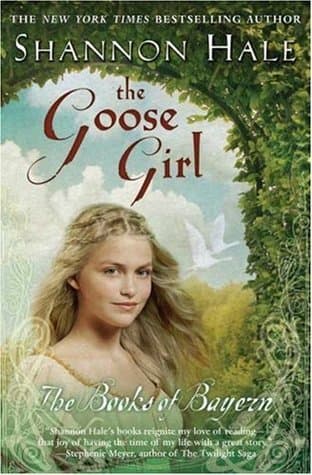
- The Goose Girl
Shannon Hale
4.1 (131k) average on GoodreadsFantasyA young adult fantasy retelling of a classic fairy tale focusing on a princess finding her identity after trauma.
- Uprooted
Naomi Novik
4.1 (167k) average on GoodreadsFantasyFeatures a strong female protagonist, a dark magical forest, and a focus on overcoming past trauma within a fantasy setting.
- A Court of Thorns and Roses
Sarah J. Maas
4.2 (476k) average on GoodreadsFantasyWhile both Deerskin and A Court of Thorns and Roses (ACOTAR) feature protagonists grappling with trauma and abuse, McKinley's approach is more allegorical and focused on internal psychological healing, drawing from classic fairy tale structures. ACOTAR, a more modern fantasy, often portrays trauma with greater directness and incorporates physical and magical battles as integral to the protagonist's recovery and empowerment. McKinley's narrative is quieter, emphasizing the slow, internal journey, whereas Maas's series blends personal healing with high-stakes external conflict and romantic elements as central to the protagonist's arc. McKinley's work also precedes the contemporary trend of 'trauma-informed' fantasy seen in ACOTAR.
- Harry Potter and the Sorcerer's Stone
J.K. Rowling
4.5 (7M) average on GoodreadsFantasyRescued from a miserable life under the stairs, an orphaned boy discovers he's a wizard destined for a magical school, where he uncovers a dangerous secret tied to the dark wizard who murdered his parents.
- The Hunger Games
Suzanne Collins
4.3 (6.4M) average on GoodreadsFantasyIn a future where children fight to the death on live television, Katniss Everdeen volunteers for the arena, turning a death sentence into a fight for survival and a spark of rebellion.
- 1984
George Orwell
4.2 (3.1M) average on GoodreadsPoliticsIn a future where surveillance and thought control are absolute, a man's search for truth clashes with the Party, showing that hope can be a form of rebellion.





Enjoyed the summary?
A summary gives you the shape of the book. The book itself has the detail, the examples and the voice.
Find Deerskin on AmazonAs an Amazon Associate, BookBrief earns from qualifying purchases. How we're funded