
Estimated read time: 7 min read
One Sentence Summary
In "Detectives in Togas," a group of Roman schoolboys cleverly solve a mysterious crime at their academy using wit and teamwork.
Table of Contents
Introduction
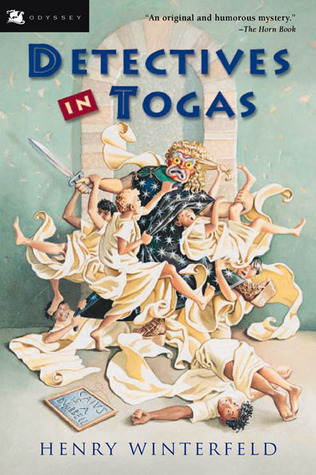
Imagine ancient Rome, but instead of gladiators and emperors stealing the show, a group of clever schoolboys turn into detectives solving mysteries. That’s the world Henry Winterfeld invites readers into with Detectives in Togas. This captivating children’s novel, first published in 1956, combines historical adventure with whodunit intrigue — perfect for young readers, educators, and anyone fascinated by ancient cultures and mystery-solving. Winterfeld’s story not only entertains but also offers a vivid glimpse of Roman life, making it a standout in historical fiction for children.
Historical Context
Detectives in Togas is set in the Roman Republic era, roughly around 100 BCE, a time of political upheaval and social transformation. This period was marked by the decline of the Roman Republic’s institutions and the rise of influential figures like Julius Caesar and Cicero, although the novel focuses more on everyday life than on these grand historical events.
The book introduces readers to Roman customs, education, and social hierarchy, reflecting the author’s commitment to historical accuracy. It captures the tension between patricians (aristocrats) and plebeians (commoners), and the importance of honor, family, and politics in Roman society.
Brief Synopsis
Plot Overview
At its core, Detectives in Togas is a mystery novel where a group of schoolboys turn amateur sleuths. The story kicks off when a prominent Roman citizen is found murdered. The boys, led by a bright and curious protagonist, Marcus, embark on a quest to find the culprit. Their journey involves decoding clues, navigating Roman politics, and confronting dangers — all while attending school and balancing their daily lives.
The mystery unfolds with twists and surprises, keeping readers guessing until the last page. Winterfeld cleverly blends historical details with suspense, creating an engaging narrative that educates without feeling like a history lesson.
Setting
The novel is set in a fictional town in ancient Rome, offering a detailed look at the urban environment of the time. From the bustling forum and the schoolroom to homes adorned with frescoes and courtyards, readers experience the sights, sounds, and social dynamics of Roman life.
The atmosphere is immersive, with descriptions of clothing (togas, of course), food, and customs that bring the ancient world to life. The setting also plays a crucial role in the unfolding mystery, as the boys explore different parts of the town to gather evidence.
Main Characters
| Name | Role | Key Traits | Importance to the Plot |
|---|---|---|---|
| Marcus | Protagonist | Intelligent, curious, brave | Leads the detective group, central to solving the mystery |
| Sextus | Friend | Loyal, humorous, resourceful | Provides comic relief and practical help |
| Flavius | Friend | Thoughtful, cautious | Offers logical analysis and support |
| Cornelia | Female ally | Intelligent, courageous | Helps with insights and breaking gender norms |
| Senator Quintus | Antagonist | Powerful, secretive | Central figure in the mystery’s background |
Plot Summary
Introduction to the Mystery
The story begins in a Roman school where Marcus and his friends learn rhetoric, arithmetic, and history — typical Roman education. When a well-respected senator is found dead under suspicious circumstances, rumors swirl around the town. Marcus’s curiosity transforms into determination to uncover the truth.
Investigating Clues
The boys split up to gather information, interviewing witnesses and exploring locations related to the senator’s life. They discover conflicting testimonies and hidden motives among the town’s elite. The investigation highlights Roman social structures and the importance of reputation.
Confrontation and Revelation
As the boys piece together evidence, they face obstacles including threats from powerful individuals who want the case closed. Their bravery and cleverness culminate in a dramatic confrontation where justice prevails, and the true culprit is revealed.
Themes and Motifs
Justice and Morality
At its heart, the novel explores the theme of justice — who deserves it and how it should be delivered. The boys’ pursuit of truth reflects the Roman ideal of iustitia (justice), emphasizing fairness and moral integrity.
Friendship and Loyalty
The camaraderie among Marcus and his friends highlights the importance of trust and cooperation. Their diverse personalities complement each other, showing how teamwork solves problems.
Education and Knowledge
The novel celebrates learning, showcasing Roman education’s role in shaping character and intellect. The boys use their knowledge not only to solve the mystery but to navigate social complexities.
Social Hierarchy and Power
Winterfeld subtly critiques the rigid class system of Rome. The boys interact with characters from various social strata, revealing disparities and injustices in society.
Literary Techniques and Style
Winterfeld’s writing is accessible yet rich in detail, striking a balance between storytelling and historical exposition. His use of dialogue brings characters to life and conveys cultural nuances.
Narrative Structure
The story unfolds chronologically, with each chapter revealing a new clue or challenge. This clear progression maintains suspense and encourages readers to think critically.
Symbolism
The toga itself symbolizes Roman identity, tradition, and societal roles. Wearing the toga, the boys embody their roles as citizens and detectives, bridging history and action.
Realism
Winterfeld’s commitment to historical accuracy enhances immersion. Descriptions of daily life, clothing, and traditions are carefully researched, making the ancient world tangible.
Author's Background
Henry Winterfeld was a German writer known for his engaging children’s books that often combined history with adventure. Born in 1901, Winterfeld’s experiences in Europe during tumultuous times influenced his storytelling.
His works aim to educate young readers about history through compelling narratives. Detectives in Togas stands as one of his most popular books, praised for its blend of mystery and historical insight.
Winterfeld’s legacy includes inspiring interest in ancient history among children and providing educators with a resource that combines learning and entertainment.
Key Takeaways
- Historical immersion: The novel provides a vivid picture of Roman life, customs, and education.
- Engaging mystery: A well-crafted plot that encourages critical thinking and problem-solving.
- Moral lessons: Emphasizes justice, friendship, and integrity.
- Educational value: Perfect for classrooms exploring ancient Rome or detective fiction.
- Accessible language: Suitable for younger readers without sacrificing depth.
Reader's Takeaway
Readers will find themselves transported to ancient Rome, not just as passive observers but as active participants in a gripping mystery. The book stimulates curiosity about history while delivering timeless lessons about ethics and friendship. For students and lecturers, it offers a unique tool to discuss Roman culture and narrative techniques in an enjoyable format.
Conclusion
Detectives in Togas by Henry Winterfeld is more than just a children’s mystery novel. It is a captivating educational journey through ancient Rome, enriched with humor, adventure, and timeless values. Whether you are a student eager to explore history, a teacher seeking engaging material, or a reader who loves a good whodunit, this book offers an unforgettable experience. Dive into the world of togas and intrigue, and discover how history and mystery make the perfect team.
Detectives in Togas FAQ
What is the main setting of 'Detectives in Togas'?
'Detectives in Togas' is set in ancient Rome, specifically in a Roman school called the Ludus.
Who are the main characters in 'Detectives in Togas'?
The main characters are a group of Roman schoolboys, including Marcus, Sextus, Rufus, and Lupus, who work together to solve a mystery.
What is the central mystery in the story?
The boys investigate the murder of a teacher at their school and try to uncover the truth behind the crime.
Is 'Detectives in Togas' appropriate for children?
Yes, the book is a historical mystery novel aimed at middle-grade readers, combining adventure with educational elements about ancient Rome.
What themes are explored in 'Detectives in Togas'?
The book explores themes such as friendship, justice, courage, and the importance of critical thinking.
Does the story provide historical facts about ancient Rome?
Yes, the novel incorporates accurate historical details about Roman life, culture, and customs to create an immersive setting.
Who is the author of 'Detectives in Togas' and what is his background?
Henry Winterfeld was a German author known for writing children's books, often with historical themes.
Are there any sequels or related books to 'Detectives in Togas'?
While 'Detectives in Togas' is a standalone book, Henry Winterfeld wrote other historical and mystery-themed stories for children.
What age group would enjoy 'Detectives in Togas' the most?
The book is best suited for readers aged 8 to 12 who enjoy mystery and historical fiction.
How does 'Detectives in Togas' blend mystery with history?
The story uses a murder mystery plot to engage readers while educating them about ancient Roman society, making history accessible and entertaining.


