

Synopsis
Covers the whole plot, including the ending.
- Difficulty
- Medium
- Pacing
- Variable
- Mood
- Satirical, Dark, Provocative, Empowering, Suspenseful
- Read it if
- You want a dark, satirical, and thought-provoking take on diet culture, feminism, and body image with a touch of thriller.
- Skip it if
- You prefer light-hearted reads, are sensitive to discussions of body shaming and violence, or dislike ambiguous endings.
Dietland Plot Summary
Covers the whole plot, including the ending.
Plum's Pre-Surgery Life and the Mysterious Call
Plum Kettle is a morbidly obese woman in her late twenties. She ghostwrites for a teen magazine, 'Daisy Chain,' answering letters about beauty and body image. She lives a life of quiet desperation, focused on her upcoming bariatric surgery, believing it will start her 'real life.' Her days include secret eating, self-loathing, and feeling invisible. One day, she gets a cryptic call from Verena Baptist, a legendary figure in the weight-loss industry, who demands to meet her. This call breaks Plum's routine and introduces unease and curiosity into her carefully built, though miserable, life.
Entering the 'Dietland' Retreat
Intrigued and somewhat pressured, Plum agrees to meet Verena Baptist. Verena, now older and having sold her diet empire, runs a secluded, cult-like retreat for women called 'Dietland.' Plum learns that Verena canceled her bariatric surgery, insisting Plum undergo a different transformation at her facility. Reluctantly, Plum moves into the opulent but unsettling 'Dietland' house, filled with other women seeking change. The atmosphere is one of intense scrutiny and psychological manipulation, far from the simple weight-loss solution Plum expected. She begins to feel trapped and confused by Verena's mysterious plan.
The Introduction to Jennifer's Rage
While Plum is at Dietland, news reports detail the increasingly violent and public actions of a mysterious feminist group called 'Jennifer.' This group targets men accused of misogyny, sexual harassment, and violence against women, often through public humiliation, kidnapping, and murder. The media is in a frenzy, both condemning and secretly fascinated by Jennifer's methods. The women at Dietland discuss Jennifer's actions, some with fear, others with a growing sense of defiant admiration. Plum, initially disturbed, finds herself drawn to the conversations, as Jennifer's rage mirrors some of her own suppressed anger about societal injustices against women.
Plum's 'Confession' and Memory Retrieval
At Dietland, Plum undergoes intensive, unconventional therapy sessions with a therapist named Kitty. These sessions aim to break down her self-perception and force her to confront deep trauma. Plum must wear revealing clothes, look at herself in mirrors, and recount painful memories. Through these exercises, she starts to uncover suppressed memories of sexual assault and humiliation from her adolescence, especially involving a manipulative boyfriend named Julian. This process is agonizing but important, as it forces Plum to acknowledge the roots of her self-hatred and her use of food to cope, shifting her focus from weight loss to psychological healing.
The Connection to the 'Daisy Chain' Letters
Plum realizes that many of the letters she ghostwrites for 'Daisy Chain' magazine, especially those from girls expressing despair over body image and societal pressure, are being intercepted and used by Jennifer. She discovers that Leeta, a young woman she met before Dietland and who seems to be involved with the group, works closely with Verena Baptist. It becomes clear that Verena's 'Dietland' is not just a weight-loss retreat but a recruitment and training ground for women disillusioned with patriarchal society. Plum suspects that Verena is not just observing Jennifer, but actively orchestrating or at least helping its agenda, and that her own role in 'Daisy Chain' made her a key, unwitting player.
The 'Beauty Sick' Confessions
As Plum goes deeper into the Dietland program, she participates in group sessions where women share experiences of 'beauty sickness' – the widespread anxiety, self-loathing, and suffering caused by societal beauty standards. These sessions are raw and emotional, showing the collective burden of unrealistic expectations placed on women's appearances. Plum, initially resistant, begins to open up, sharing her own decades of body shame and its impact on her life. These confessions create solidarity and shared rage among the women, empowering them to see their individual struggles as part of a larger systemic problem, and fueling a desire for radical change.
Plum's Transformation and Emerging Activism
Through the intense therapy and the revelations about Jennifer, Plum begins a deep internal change. She stops obsessing over food and her weight, focusing instead on her emotional and psychological well-being. She cuts her hair, changes her style, and develops new confidence and assertiveness. Her passive acceptance of her circumstances gives way to simmering anger and a desire for justice. She recognizes that her weight was a symptom, not the cause, of her unhappiness, and that true liberation comes from within and from challenging oppressive systems. This personal awakening aligns her more closely with the radical ideas of Verena and Jennifer.
The Revelation of Jennifer's True Nature
Plum eventually learns the full scope of Jennifer: it is not a centralized organization with one leader, but a decentralized, leaderless movement of women fed up with patriarchy and its injustices. Verena Baptist and others like Leeta are facilitators and mentors, providing resources and a platform for these women to act. The 'Dietland' retreat is an ideological incubator and training ground. This revelation empowers Plum, as it shows her that the power to change things lies within a collective of women, rather than with a single figure, and that anyone can be 'Jennifer' if they choose to act.
Plum's Choice and the Unveiling of Her Role
As the Dietland program ends, Plum faces a clear choice: return to her old life with a new perspective or fully embrace Jennifer's cause. She learns that Verena's initial recruitment of her was strategic, not random; her ghostwriting for 'Daisy Chain' gave her access to the thoughts and pain of countless young women, making her an ideal channel for Jennifer's message. Verena reveals that she sees Plum as a potential public face or influential voice for the movement, someone who can express grievances and inspire others. Plum, having shed her self-doubt and embraced her anger, is ready to commit to this new, radical path.
The Explosive Finale and a New Beginning
The novel ends with Jennifer's actions reaching a peak, disrupting society and forcing a reckoning with misogyny. The specific details of Jennifer's ultimate plan are somewhat ambiguous, emphasizing the movement's decentralized nature and ongoing impact. Plum, fully changed, steps into her chosen role, ready to contribute to the fight for women's liberation. She is no longer waiting for her 'real life' to begin after surgery; she is actively creating it, embracing her power and her anger. The ending is less about a neat resolution and more about the ongoing revolution, with Plum as an active participant in a world forever changed by Jennifer.
Principal Figures
Plum Kettle
Protagonist
A morbidly obese ghostwriter who undergoes a radical personal and political transformation.
Plum begins the novel as a deeply insecure and self-loathing woman, obsessed with her weight and believing that bariatric surgery will solve all her problems. She works a mundane job, lives a solitary life, and uses food as a coping mechanism for past trauma and societal pressures. Her internal monologue is often riddled with self-criticism and a desperate yearning for acceptance. She represents the internal struggles many women face regarding body image and worth.
Relationships: Verena Baptist (mentor/manipulator); Leeta (acquaintance who becomes a conduit to Jennifer); Julian (abusive ex-boyfriend, source of trauma)
Verena Baptist
Antagonist/Mentor
A legendary figure in the diet industry who now runs a mysterious retreat and orchestrates radical change.
Verena Baptist is a shrewd, enigmatic, and immensely wealthy woman who made her fortune in the diet industry. She has a commanding presence and an almost cult-like influence over the women at her 'Dietland' retreat. While seemingly benevolent in her stated goal of helping women, she is also manipulative and calculating, using her resources to recruit and train women for the Jennifer movement. She represents a complex mix of capitalist exploitation and radical feminist ideals, blurring the lines between empowerment and control.
Relationships: Plum Kettle (mentee/pawn); Leeta (confidante/agent)
Leeta
Supporting
A mysterious young woman who acts as a liaison to the Jennifer movement.
Leeta is a striking and enigmatic young woman whom Plum encounters before entering Dietland. She possesses an air of quiet intensity and seems to have a hidden agenda. Leeta is deeply involved with the Jennifer movement, acting as an operative and a bridge between the outside world and Verena's operations. She is a symbol of the younger generation of radical feminists, unafraid to challenge the status quo and commit to drastic measures for change. Her interactions with Plum are often brief but impactful, providing glimpses into the larger conspiracy.
Relationships: Plum Kettle (informal guide/colleague); Verena Baptist (operative/confidante)
Kitty
Supporting
The therapist at Dietland who guides Plum through intense psychological sessions.
Kitty is the no-nonsense, highly skilled therapist at Verena Baptist's 'Dietland' retreat. She is direct, often confrontational, and pushes Plum to confront deeply buried trauma and self-deception. Kitty's methods are unconventional, including forcing Plum to wear revealing clothes and engage in difficult self-reflection. She is a key figure in Plum's psychological unraveling and subsequent rebuilding, representing the therapeutic, albeit intense, aspect of the Dietland program. Her role is to strip away Plum's defenses and expose her vulnerabilities.
Relationships: Plum Kettle (therapist/patient); Verena Baptist (employee)
Julian
Mentioned
Plum's manipulative ex-boyfriend whose actions caused significant trauma.
Julian is Plum's ex-boyfriend from her adolescence, whose manipulative and emotionally abusive behavior, culminating in a traumatic sexual encounter, deeply impacted Plum's self-worth and body image. Though he never physically appears in the present narrative, his ghost looms large in Plum's memories, representing the patriarchal violence and emotional manipulation that contributes to women's suffering. His character is crucial in understanding the roots of Plum's self-hatred and her journey towards healing and anger.
Relationships: Plum Kettle (abusive ex-boyfriend)
Remi
Supporting
A fellow Dietland participant who challenges Plum's initial complacency.
Remi is one of the other women at the Dietland retreat. She is initially presented as somewhat antagonistic, particularly towards Plum's self-pity and resistance to the program. Remi is sharper and more cynical, having perhaps been through more of the program or simply possessing a more confrontational personality. She serves as a foil to Plum, often pushing her to confront uncomfortable truths and challenging her assumptions about beauty and worth. Remi represents the collective frustration and readiness for change among the Dietland women.
Relationships: Plum Kettle (fellow participant/antagonist-turned-ally)
Mrs. Kettle
Supporting
Plum's mother, whose own struggles with weight and self-image influence Plum.
Plum's mother represents the generational legacy of body image issues and the pressure on women to conform to beauty standards. She is often critical of Plum's weight, albeit from a place of concern (or perhaps her own internalized fatphobia). Her character highlights how societal expectations are passed down within families, shaping daughters' perceptions of themselves. Mrs. Kettle's presence in Plum's memories and phone calls underscores the pervasive nature of diet culture and its impact on familial relationships.
Relationships: Plum Kettle (mother/daughter)
Themes & Insights
Body Image and Societal Pressure
The novel carefully examines the immense pressure on women to meet unrealistic beauty standards, especially regarding weight. Plum's entire life is controlled by her size; she believes her 'real life' can only begin after weight-loss surgery. The 'beauty sickness' confessions at Dietland show the collective trauma women experience from this pressure, leading to self-loathing, eating disorders, and feeling invisible if they do not fit the mold. This theme is key to understanding Plum's initial desperation and the radical reaction of the Jennifer movement. The book argues that society's obsession with thinness is a tool of control.
“For so many years, I'd thought my real life would begin once I was thin. Now I knew: my real life was happening right now.”
Feminist Rage and Retribution
A main theme is the simmering, and eventually explosive, rage felt by women who have experienced misogyny, sexual harassment, and violence. The Jennifer group shows this theme, acting as a vigilante force that targets men who perpetuate patriarchal oppression. Their actions, though extreme, are presented as a direct response to a society that consistently fails to hold men accountable for their actions against women. Plum's personal journey involves recognizing and embracing her own suppressed anger, changing it from self-hatred into a powerful force for change. The novel explores the justification and consequences of radical retribution.
“We are Jennifer. We are legion. We are every woman you have wronged. And we are here to collect.”
Identity and Self-Acceptance
Plum's journey is about shedding a false identity, one built on societal expectations and self-loathing, and finding true self-acceptance. Initially, her identity is tied to her weight and the promise of a 'thin' future. Through the challenging therapy at Dietland, she faces her past traumas and the internalized misogyny that shaped her self-perception. Her physical and emotional change is not just about weight loss, but about reclaiming her body and mind, embracing her anger, and defining her worth independently of outside approval. This theme explores the liberation that comes from rejecting imposed identities.
“My body was not a problem to be solved. My body was me.”
The Illusion of Choice and Freedom
The novel critiques the illusion of choice offered to women within patriarchal structures, especially in the beauty and diet industries. Plum believes she is choosing surgery, but it is revealed to be a choice dictated by societal norms. Verena Baptist, while seemingly offering freedom, also manipulates women into her agenda. The book questions whether true freedom can exist when women are constantly bombarded with messages about how they should look, act, and feel. It suggests that many 'choices' are just different paths within the same oppressive system, and true freedom requires dismantling the system itself. This theme is clear in how Plum's 'choice' to get surgery is overridden by Verena's intervention, leading her to a deeper, more radical understanding of liberation.
“We are told we have choices, but those choices are often just different ways to be confined.”
Media and Manipulation
The widespread influence of media, especially in shaping women's self-perception and perpetuating unrealistic beauty standards, is a significant theme. Plum's job at 'Daisy Chain' magazine, where she ghostwrites encouraging but superficial advice, shows how media contributes to the problem. The novel also shows how media reacts to the Jennifer movement, swinging between condemnation and morbid fascination, thus inadvertently amplifying its message. The manipulation of public perception through media is a tool used by both the established order and by Jennifer to achieve their goals.
“The media creates the narrative, and we just live in it.”
Plot Devices & Literary Techniques
The 'Dietland' Retreat
A secluded, cult-like facility that serves as a crucible for Plum's transformation and a hub for radical feminist activity.
The 'Dietland' retreat functions as a classic 'transformation space' but with a subversive twist. Initially appearing as a weight-loss clinic, it quickly morphs into a psychological deprogramming center and, eventually, a training ground for feminist revolutionaries. Its isolation allows for intense introspection and the dismantling of Plum's old self, free from external societal pressures. It acts as a symbolic womb where a new, empowered Plum is born, and a strategic base from which the Jennifer movement operates, blurring the lines between personal growth and political radicalization.
The Jennifer Movement
A radical, decentralized feminist vigilante group that enacts retribution against misogynistic men.
The Jennifer movement serves as both a plot catalyst and a powerful symbol of collective female rage and empowerment. Its anonymous, leaderless nature reflects the idea that any woman can be 'Jennifer,' making it both terrifying and inspiring. The escalating acts of violence and public humiliation force society to confront its misogynistic underbelly, driving the external plot forward. Internally, Jennifer's actions resonate with Plum's own suppressed anger, pushing her towards radicalization and offering a tangible outlet for her desire for justice, ultimately becoming the vehicle for the novel's climactic social upheaval.
Plum's Internal Monologue and Flashbacks
The narrative device that reveals Plum's deep-seated insecurities, past traumas, and evolving self-awareness.
Plum's rich and often self-deprecating internal monologue provides direct access to her psychological state, her struggles with body image, and her burgeoning feminist consciousness. Her flashbacks, particularly those concerning Julian and her mother, are crucial for understanding the origins of her trauma and self-hatred. This device allows the reader to intimately experience Plum's transformation, contrasting her initial despair with her eventual empowerment. It highlights the internal battle against societal conditioning and serves as a vehicle for the novel's exploration of personal and political awakening.
The 'Daisy Chain' Letters
Letters from teen girls seeking advice, which serve as a microcosm of societal pressures and a recruitment tool for Jennifer.
The letters Plum ghostwrites for 'Daisy Chain' magazine are a poignant plot device. They represent the widespread suffering and insecurity experienced by young women due to beauty standards and societal expectations. These letters not only establish Plum's initial role as an unwitting participant in perpetuating these norms but also become a direct link to the Jennifer movement, as they are intercepted and used to identify potential recruits or to highlight the systemic issues Jennifer aims to address. They provide a continuous pulse of the social problem that fuels the novel's central conflict.
Dietland Quotes
“Women are always told, ‘You’re not good enough, you’re not smart enough, you’re not thin enough, you’re not pretty enough, you’re not sexy enough.’ We’re always being judged, and we’re always being found wanting.”
“Being a woman is like being a celebrity, except you’re not famous, and no one cares about your work.”
“The diet industry is a multi-billion dollar industry built on women's self-loathing.”
“We're not just fighting for ourselves. We're fighting for all the women who came before us, and all the women who will come after.”
“If you don't love yourself, how can anyone else love you?”
“The world wants you to be small. It wants you to be quiet. It wants you to be invisible. Don't let it.”
“Sometimes, the only way to be free is to stop trying to fit in.”
“Beauty is a political act.”
“When you spend your whole life trying to disappear, it's hard to remember how to be seen.”
“The patriarchy is not a conspiracy. It's just how things are.”
“There's a difference between being healthy and being obsessed.”
“You can't change the world if you don't first change yourself.”
“Anger is a gift. Use it.”
“The most radical thing a woman can do is love her own body.”
Quiz
10 questions on the plot and the characters. Each answer comes with a short explanation.
Question 1
What is Plum Kettle's job at the beginning of the novel?
- Copywriter for a fashion magazine
- Answering fan mail for a teen girls' magazine
- Customer service representative for a diet company
- Researcher for a beauty industry watchdog group
Show answer
B. Answering fan mail for a teen girls' magazine At the start of the novel, Plum works answering fan mail for a popular teen girls' magazine, a job she tolerates while awaiting her weight-loss surgery.
Question 2
What is the name of the mysterious woman who first starts following Plum and draws her into a new community?
- Cheryl
- Verena Baptist
- Leecia
- Julia
Show answer
C. Leecia Leecia is the mysterious woman who initially follows Plum and eventually introduces her to the underground community of women.
Question 3
What is the name of the guerrilla group that begins to terrorize a world that mistreats women?
- The Amazons
- Jennifer
- The Sisterhood
- The Furies
Show answer
B. Jennifer The dangerous guerrilla group terrorizing those who mistreat women is known as 'Jennifer'.
Question 4
What type of surgery is Plum Kettle saving up for at the beginning of the book?
- Plastic surgery for her face
- Liposuction
- Weight-loss surgery
- A breast reduction
Show answer
C. Weight-loss surgery Plum is biding her time until her weight-loss surgery, believing it will allow her 'true life' to begin.
Question 5
What is the primary purpose of the 'challenges' Plum agrees to undertake within the underground community?
- To train her for self-defense against men
- To prepare her for a role in the Jennifer organization
- To force her to confront her past, doubts, and the real costs of becoming 'beautiful'
- To help her develop a new diet and exercise regimen
Show answer
C. To force her to confront her past, doubts, and the real costs of becoming 'beautiful' The challenges are designed to make Plum deal with her personal history, insecurities, and the societal pressures surrounding beauty standards.
Question 6
Who is Verena Baptist, and what is her connection to Plum?
- She is Plum's boss at the magazine, a harsh critic of her weight.
- She is the founder of the Baptist Plan, a renowned weight-loss program, and the woman who ultimately takes Plum under her wing.
- She is a member of the Jennifer group who recruits Plum.
- She is Plum's estranged mother, who abandoned her due to her weight.
Show answer
B. She is the founder of the Baptist Plan, a renowned weight-loss program, and the woman who ultimately takes Plum under her wing. Verena Baptist is the founder of the influential Baptist Plan, a weight-loss program, and she plays a significant role in Plum's journey and involvement with the broader 'diet revolution'.
Question 7
A key theme in 'Dietland' is the critique of the beauty industry. Which of the following best represents how the book tackles this theme?
- By promoting a specific diet that counters the industry's practices.
- By showcasing how the industry creates and profits from women's insecurities and body image issues.
- By detailing the scientific flaws in popular cosmetic procedures.
- By advocating for men to take responsibility for women's beauty standards.
Show answer
B. By showcasing how the industry creates and profits from women's insecurities and body image issues. The novel explicitly critiques the beauty industry by illustrating how it exploits and perpetuates women's body image insecurities for profit, making 'beauty' an unattainable and costly goal.
Question 8
What is the significance of the 'manifesto' that Plum is tasked with writing during her time in the community?
- It is a diet plan to be distributed to all Baptist Plan members.
- It is a personal journal for Plum to track her emotional progress.
- It is a compilation of reasons why women should reject societal beauty standards and embrace their bodies.
- It is a strategic document for the Jennifer organization's next attack.
Show answer
C. It is a compilation of reasons why women should reject societal beauty standards and embrace their bodies. Plum's task of writing a manifesto is central to her journey of self-acceptance and critical analysis of societal pressures, articulating a rejection of conventional beauty standards.
Question 9
How does Plum's perspective on her own body and weight evolve throughout the novel?
- She remains consistently ashamed of her weight, even after her surgery.
- She initially desires weight-loss surgery but gradually learns to accept and even embrace her body as it is, challenging societal norms.
- She becomes obsessed with extreme dieting and exercise, losing a significant amount of weight.
- She blames her mother for her weight issues and seeks revenge.
Show answer
B. She initially desires weight-loss surgery but gradually learns to accept and even embrace her body as it is, challenging societal norms. Plum's journey is marked by a significant shift from desiring surgery to fit in, to ultimately accepting and finding power in her own body, questioning the very concept of 'beauty' imposed by society.
Question 10
What is the ultimate 'explosive' consequence alluded to in the synopsis regarding Plum's entanglement in the sinister plot?
- Plum is arrested for her involvement with the Jennifer group.
- Plum successfully undergoes her weight-loss surgery and lives happily ever after as a thin person.
- Plum discovers a new diet that solves all her problems, leading to a worldwide health revolution.
- The actions of the Jennifer group escalate dramatically, impacting global media and power structures, with Plum playing a key, albeit complex, role in the unfolding revolution.
Show answer
D. The actions of the Jennifer group escalate dramatically, impacting global media and power structures, with Plum playing a key, albeit complex, role in the unfolding revolution. The 'explosive consequences' refer to the escalating, radical actions of the Jennifer group against misogynistic power structures, which Plum becomes deeply involved with, challenging the status quo on a global scale.
Dietland FAQ
What is Plum Kettle's initial motivation for undergoing weight-loss surgery?
Plum believes that losing weight through bariatric surgery is the only way to truly start her life and become her 'real' self. She sees thinness as the key to happiness, love, and societal acceptance, a common societal narrative she has internalized.
Who are the 'Jennifers' and what is their primary objective?
The Jennifers are a radical feminist guerrilla group who kidnap and torture men accused of misogyny, sexual assault, and exploitation of women, forcing them to apologize publicly. Their goal is to dismantle patriarchal structures and exact revenge for centuries of female oppression, using extreme tactics to make their statement.
What is the 'Calliope House' and what role does it play in Plum's journey?
The Calliope House is an underground collective run by Verena Baptist, where women engage in intense therapeutic and confrontational sessions designed to unlearn societal conditioning about beauty and self-worth. Plum is lured there by a mysterious woman and undergoes a series of 'challenges' that force her to confront her internalized misogyny and body shame.
How does Plum's job at 'Daisy Chain' magazine reflect her internal struggles?
Plum's job involves answering fan mail for a teen magazine, often dispensing advice she herself struggles to follow, particularly regarding self-acceptance and body image. This highlights her own unaddressed issues and the pervasive nature of beauty standards even as she advises young girls.
What is the significance of the 'Beautyland' concept introduced in the book?
Beautyland represents the oppressive societal system that dictates women's worth based on their physical appearance, particularly thinness and conventional beauty standards. It's the idealized, unattainable state Plum initially strives for, and the system the Jennifers and Calliope House aim to dismantle.
What is the connection between Verena Baptist and the Jennifers?
Verena Baptist, the founder of the Calliope House, is revealed to be the mastermind and leader behind the Jennifers. She uses the Calliope House to radicalize and prepare women for the violent activism carried out by the Jennifer group, making her the central figure in both narratives.
How does the character of Kitty relate to Plum's past and the broader themes?
Kitty is Plum's childhood friend who committed suicide after struggling with an eating disorder and societal pressures to be thin. Her story serves as a tragic reminder of the devastating consequences of 'Beautyland' and deeply impacts Plum, fueling her eventual disillusionment with diet culture.
What is the symbolic meaning of the 'Apology Tour' forced upon the kidnapped men?
The Apology Tour symbolizes a reversal of power, forcing men to publicly acknowledge and repent for their misogynistic actions, which society often overlooks or excuses. It's a performative act of justice, designed to shock and expose the pervasive nature of male violence against women.
How does Plum's perception of her own body evolve throughout the novel?
Initially, Plum views her body as a problem to be fixed, a barrier to her 'real' life. Through her experiences at Calliope House and witnessing the Jennifers' actions, she begins to reclaim her body, seeing it as a source of strength and identity rather than shame, ultimately rejecting the pursuit of thinness.
What psychological impact does the 'thin ideal' have on Plum at the beginning of the story?
The 'thin ideal' has severely damaged Plum's self-esteem, leading to social anxiety, self-isolation, and a belief that her worth is contingent on her weight. She internalizes societal fatphobia, which manifests as self-hatred and a desperate desire for external validation through weight loss.
How does the book explore the concept of internalized misogyny through Plum's character?
Plum initially judges other women based on their appearance and believes that her own fatness makes her undeserving of love or respect, reflecting internalized misogyny. Her journey at Calliope House specifically targets these beliefs, forcing her to confront and dismantle them.
What is the significance of Plum's 'challenges' at the Calliope House for her mental transformation?
The challenges, such as being forced to wear revealing clothing or confront her past traumas, are designed to strip away Plum's defenses and force her to confront her deepest insecurities and societal conditioning. They are psychologically grueling but ultimately lead to a profound shift in her self-perception and worldview.
Is 'Dietland' advocating for the violent methods of the Jennifers?
The novel presents the Jennifers' actions as extreme and morally ambiguous, prompting readers to question the efficacy and ethics of violence in achieving social justice. While it doesn't explicitly endorse their methods, it explores the desperation and anger that could lead to such radicalism, leaving the interpretation open.
How does the ending of the novel challenge traditional notions of a 'happy ending' for female protagonists?
The ending doesn't provide a conventional happy ending where Plum finds romantic love or becomes thin. Instead, she finds self-acceptance, agency, and a sense of purpose within a community of women, suggesting that true liberation for women lies beyond patriarchal definitions of happiness.
What is the central debate the novel sparks regarding feminism and activism?
The novel sparks a debate about the spectrum of feminist activism, contrasting mainstream approaches with radical, even violent, methods. It questions whether incremental change is sufficient, or if revolutionary, confrontational tactics are necessary to dismantle deeply entrenched patriarchal systems, and what the cost of such tactics might be.
How does 'Dietland' critique the beauty and diet industries?
The novel critiques these industries as predatory systems that profit from women's insecurities, perpetuating an unattainable 'thin ideal' and fostering self-hatred. It exposes how these industries are intertwined with patriarchal control, keeping women preoccupied with their appearance rather than their power.
What is the implied fate of Verena Baptist and the Jennifers at the novel's conclusion?
Verena Baptist's fate is left ambiguous, with hints that she may have orchestrated her own disappearance or is continuing her work underground. The Jennifers' future is also uncertain, suggesting that their movement, or the underlying issues they fight, will persist beyond the immediate narrative.
How does the book use humor and satire to convey its serious themes?
The book employs dark humor and sharp satire, particularly in its portrayal of the beauty industry, celebrity culture, and the absurdity of societal expectations for women. This allows it to tackle profound issues like misogyny and body image with an engaging, often biting, wit that underscores the seriousness of its critique.
Similar books
- The Power
Naomi Alderman
4.0 (9k) average on GoodreadsFantasyFeatures a world where women gain physical power, leading to a radical shift in gender dynamics and societal structures.
- My Year of Rest and Relaxation
Ottessa Moshfegh
3.7 (81k) average on GoodreadsLiterary FictionFollows a disillusioned woman's quest for transformation, albeit through different means, with a similarly dark and satirical tone.
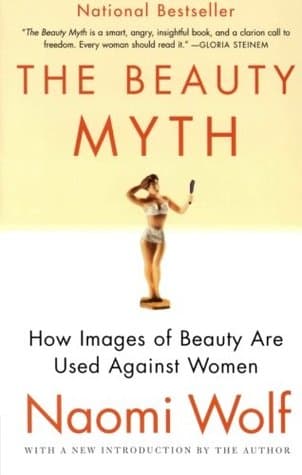
- The Beauty Myth
Naomi Wolf
3.9 (22k) average on GoodreadsPoliticsDietland dramatizes many of the theoretical arguments put forth by Wolf regarding how societal beauty standards function as a political and economic tool to maintain patriarchal control. While Wolf's work is non-fiction and academic, Walker translates these concepts into a visceral, fictional narrative, showing the personal impact of these systemic pressures.
- Nineteen Eighty-Four
George Orwell
4.2 (5.5M) average on GoodreadsFictionWinston Smith dreams of truth and rebellion in a world where Big Brother watches all, but he confronts the terrifying power of a regime that controls not just actions, but thoughts.
- The Frozen River
Ariel Lawhon
4.4 (600k) average on GoodreadsFictionIn 1789 Maine, a heroic midwife's diary helps her expose a murder and get justice in a town that wants to silence her.
- A Man Called Ove
Fredrik Backman
4.4 (569k) average on GoodreadsFictionA stubborn widower, who lives by strict rules, finds his quiet world changed by a lively new family next door, making him face his past and find happiness in human connection.





Enjoyed the summary?
A summary gives you the shape of the book. The book itself has the detail, the examples and the voice.
Find Dietland on AmazonAs an Amazon Associate, BookBrief earns from qualifying purchases. How we're funded