
Core Idea
- Difficulty
- Medium
Key Takeaways from The Beauty Myth
The Beauty Myth as a Counter-Revolution
As women gain power, the beauty myth intensifies to maintain social control.
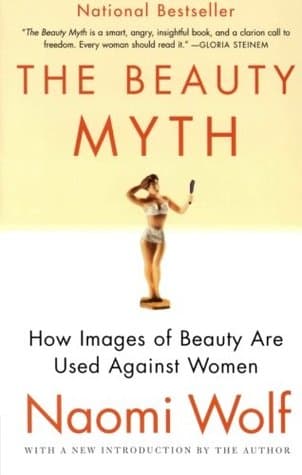
Wolf's main idea is that the beauty myth isn't a natural desire for attractiveness. Instead, it's a social construct created to counter the progress of the women's liberation movement. When women achieved legal, economic, and political equality, new ways of control were needed to keep them from using their new power. The beauty myth, by making women focus their energy, time, and money on an impossible ideal of physical perfection, effectively puts them back in a subordinate role. This argument is strong because it shows beauty standards not as cultural growth, but as a political tool to keep women busy and without power, even when society seems to be progressing. This insight challenges the idea that beauty is a personal choice.
“The greater the power women have, the more formidable and beautiful they must be to wield it.”
In the book: Wolf traces the rise of diet culture, cosmetic surgery, and the intensified focus on female appearance in media during the same period women were entering the workforce and achieving suffrage.
Try this: Recognize that societal pressure to conform to beauty standards is not benign; it's a mechanism of control. Critically evaluate media portrayals of beauty and question the motives behind industries that profit from female insecurity.
Beauty as a Currency of Power
Physical attractiveness becomes a non-monetary currency women must possess to navigate society.
Wolf says beauty acts as a 'currency' for women in a male-dominated society, much like money or status for men. This 'currency' affects a woman's social standing, job prospects, and even how worthy she is seen to be of love and respect. But unlike other currencies, its value is set by others, always changing, and temporary, which causes constant insecurity. This idea helps explain why women spend so much on their appearance, often at a high personal cost. They aren't just trying to look good; they are trying to gain a form of capital needed to get by and get ahead in a system that rewards it, even as it criticizes women for focusing on it.
“Beauty is a currency system. It is not an innate object of desire, but a currency system that is in the service of the patriarchy.”
In the book: Wolf discusses how women's attractiveness can influence hiring decisions, social acceptance, and even how seriously their opinions are taken in professional settings.
Try this: Challenge the implicit bias that equates beauty with competence or trustworthiness. Advocate for merit-based evaluations and consciously resist judging women based on their appearance.
The Four Points of the Iron Maiden
Diet, cosmetics, surgery, and pornography form a system of control over women's bodies.
Wolf breaks down the beauty myth into four main parts, which she calls the 'Iron Maiden': diet, cosmetics, surgery, and pornography. Each part, she argues, contributes to the systemic oppression of women by setting impossible standards, causing self-hatred, and turning female bodies into products. Diet culture promotes starvation and body image issues; cosmetics promise change but reinforce feelings of inadequacy; surgery offers invasive 'fixes' for natural aging or perceived flaws; and pornography reduces women to sexual objects, dictating what is 'desirable.' This framework shows how different industries work together to create a widespread system of control over women's physical selves. This systematic breakdown is one of the book's best insights, offering a clear way to understand modern beauty culture.
“The Iron Maiden is the female torture device that is the beauty myth, and it has four points: diet, cosmetics, surgery, and pornography.”
In the book: Wolf meticulously details the historical rise and psychological impact of each of these industries, showing how they profit from female insecurity and perpetuate impossible ideals.
Try this: Consciously resist participating in these industries when they promote self-hatred or unrealistic standards. Support body positivity movements and media that challenge these norms.
The Tyranny of Youth and Thinness
The beauty myth disproportionately punishes women for aging and for natural body variations.
A key part of the beauty myth, according to Wolf, is its constant demand for youth and thinness. These ideals are largely impossible to reach and maintain. This pressure punishes women for natural aging and for having diverse body types. By making youth the highest form of beauty, the myth makes women 'outdated' as they age, eroding their self-worth and social visibility. Similarly, the constant pursuit of an impossibly thin ideal pushes women into unhealthy behaviors and ongoing dissatisfaction with their natural bodies. This argument highlights the cruelty and unachievability of beauty standards, showing them as a tool of psychological torment designed to keep women always striving and self-critical, rather than self-accepting and strong.
“A woman's face is her autobiography. A woman's body is her story. The beauty myth seeks to erase both.”
In the book: Wolf cites the immense pressure on female celebrities to remain youthful and thin, and the negative media portrayals of women who deviate from these norms.
Try this: Challenge ageism and fatphobia in media and personal interactions. Celebrate diverse body types and embrace the natural process of aging as a sign of lived experience.
Internalized Oppression and Self-Surveillance
Women internalize beauty standards, becoming their own most effective jailers.
One of the most harmful aspects of the beauty myth is how women internalize it. Wolf argues that women learn to police themselves, constantly comparing their appearance to impossible standards. This self-monitoring becomes a constant, draining mental burden, taking energy away from intellectual and career pursuits. External pressure turns into an internal critic, making women their own 'jailers' in the search for elusive perfection. This psychological part of the myth is powerful because it explains how societal control can last even without obvious force. It creates constant anxiety and self-doubt that stops women from reaching their full potential and challenging the systems that oppress them.
“The beauty myth is not about women, it is about men's fear of women's liberation.”
In the book: Wolf describes how women spend countless hours on grooming, dieting, and self-critique, often at the expense of other activities or opportunities.
Try this: Practice self-compassion and mindfulness to recognize and challenge the internalized 'beauty myth' voice. Focus on internal growth and achievements rather than external validation.
Beauty and Violence: A Disturbing Link
The beauty myth, by objectifying women, contributes to a culture that tolerates violence against them.
Wolf connects the beauty myth to society's tolerance of violence against women. By reducing women to their physical appearance and valuing them mainly for their 'beauty,' the myth dehumanizes them. This objectification, Wolf argues, makes it easier for society to justify or ignore violence, as if women who don't meet beauty standards, or whose beauty is 'damaged,' are less worthy of protection or respect. The focus on female looks can shift blame from the attacker to the victim, focusing on how a woman 'presented herself' instead of the violent act itself. This argument reminds us of the serious real-world consequences of being obsessed with looks, extending beyond mere vanity to basic human rights and safety.
“When we define women by their beauty, we make them disposable when that beauty fades or is violated.”
In the book: Wolf discusses how media often frames victims of violence in terms of their physical attractiveness, and how 'beauty' can be used to justify or condemn women.
Try this: Challenge victim-blaming narratives and firmly reject any justification of violence based on a woman's appearance. Advocate for legal and social systems that protect women regardless of their perceived beauty.
The Economic Exploitation of Insecurity
Industries profit immensely from women's perpetual insecurity about their appearance.
Wolf details how the beauty industry—including cosmetics, fashion, diet, and plastic surgery—is a multi-billion dollar business that thrives on female insecurity. These industries don't aim to 'fix' women but to keep a cycle of dissatisfaction going, ensuring a continuous market for their products and services. They create ever-changing beauty standards, making sure women can never truly reach perfection, thus guaranteeing lifelong consumption. This economic analysis is important because it shows the commercial basis of the beauty myth, revealing it not as a natural cultural event but as a highly profitable system. Understanding this economic motive helps explain the constant pressure on women to conform, showing it as a calculated business strategy.
“The beauty myth is always actually about money.”
In the book: Wolf provides statistics on the vast profits of the beauty industry and the marketing tactics used to target women, from early adolescence through old age.
Try this: Become a conscious consumer, questioning the motives behind advertising and products that promise 'perfection.' Redirect funds from appearance-based spending to investments in education, experiences, or personal growth.
Reclaiming True Beauty: Beyond the Myth
True beauty lies in authenticity, strength, and inner life, not external conformity.
While "The Beauty Myth" mostly criticizes, Wolf also offers a path to freedom. She argues that true beauty isn't about fitting external, manufactured standards, but about expressing one's true self, building inner strength, and engaging with the world intellectually and emotionally. This means rejecting external judgment and reclaiming one's body and self-image from industries that seek to exploit them. This is the book's most empowering message, encouraging women to define beauty on their own terms, to value their intelligence, creativity, and agency over superficial appearance. It advocates for a shift from passive object to active subject, where a woman's worth is linked to her being, not her looking.
“Beauty is not a universal constant, but a social construct designed to keep women in their place.”
In the book: Wolf encourages women to find solidarity, to challenge media representations, and to prioritize their intellectual and emotional development over physical pursuits.
Try this: Cultivate a strong sense of self-worth independent of appearance. Surround yourself with people who value your intellect and character. Engage in activities that foster personal growth and self-expression.
The Myth's Impact on Sexuality
The beauty myth distorts female sexuality, making it about performance rather than pleasure.
Wolf argues that the beauty myth deeply affects female sexuality, turning it from a private, personal experience into another area for performance and self-monitoring. Women learn that their sexual desirability depends on meeting specific, often unrealistic, beauty standards. This external pressure can lead to a disconnect from their own bodies and desires, as they focus on appearing 'sexy' to others rather than experiencing genuine pleasure. This part of the myth is especially harmful because it invades one of the most personal and potentially empowering aspects of a woman's life, turning it into another source of anxiety and self-judgment. It reinforces the idea that women's bodies exist for the gratification of others, rather than for their own control and enjoyment.
“The beauty myth teaches women to see their sexuality as a performance for others, rather than a source of their own pleasure and power.”
In the book: Wolf discusses how pornography and popular culture dictate what is considered 'sexy' for women, often prioritizing specific body types and behaviors over genuine intimacy or female agency.
Try this: Reclaim your sexuality as a personal and private domain. Prioritize your own pleasure and desire over perceived external expectations. Engage in open conversations about healthy and consensual sexuality.
Solidarity as a Weapon
Breaking the beauty myth requires collective action and mutual support among women.
A repeated idea, though not always directly stated, is that breaking down the beauty myth needs women to act together and support each other. The myth thrives on competition, making women compete with each other for external approval. By recognizing their shared oppression and refusing to compete, women can collectively reduce the myth's power. Wolf suggests that when women support each other, celebrate diverse forms of beauty, and prioritize their collective freedom over individual attempts to 'win' the beauty game, they create a strong force for change. This focus on community and shared experience offers a hopeful way forward, suggesting that individual acts of resistance become stronger when backed by a network of supportive women.
“When women refuse to compete for male approval, the beauty myth begins to unravel.”
In the book: Wolf implicitly advocates for feminist movements and consciousness-raising groups as essential tools for challenging patriarchal structures.
Try this: Build supportive relationships with other women, actively challenging beauty-based comparisons and competition. Join or create communities that promote body positivity, self-acceptance, and female empowerment.
Quiz
10 questions on the main ideas. Each answer comes with a short explanation.
Question 1
What is the central theme of Naomi Wolf's "The Beauty Myth"?
- The historical evolution of fashion trends.
- The societal pressure on women to conform to an idealized standard of beauty.
- The economic impact of the cosmetics industry.
- The psychological effects of aging on women's self-esteem.
Show answer
B. The societal pressure on women to conform to an idealized standard of beauty. The book argues that the modern obsession with physical perfection, termed the 'beauty myth,' serves as a form of social control that restricts women.
Question 2
According to Naomi Wolf, what is a potential negative consequence of the beauty myth for modern women?
- Increased confidence and self-acceptance.
- Greater professional success and autonomy.
- An endless cycle of hope, self-consciousness, and self-hatred.
- A stronger sense of community among women.
Show answer
C. An endless cycle of hope, self-consciousness, and self-hatred. Wolf posits that the impossible standards of the beauty myth lead to a detrimental cycle of emotions for women striving to meet them.
Question 3
The excerpt suggests that despite progress in women's rights, Wolf is concerned about which parallel form of social control?
- The lingering influence of traditional gender roles in the workplace.
- The economic disparities between men and women.
- The beauty myth and its impact on female identity.
- The lack of representation of women in politics.
Show answer
C. The beauty myth and its impact on female identity. Wolf identifies the beauty myth as a significant, yet perhaps less obvious, form of social control that exists alongside the advancements of the women's movement.
Question 4
Wolf describes the beauty myth as trapping modern women in an "endless spiral of hope, self-consciousness, and self-hatred." This implies that the myth is:
- A source of motivation and personal growth.
- A temporary phase that women eventually overcome.
- A psychologically damaging and persistent phenomenon.
- A benign cultural trend with no real negative impact.
Show answer
C. A psychologically damaging and persistent phenomenon. The description of an 'endless spiral' indicates a continuous and damaging psychological effect, rather than a fleeting or positive one.
Question 5
The excerpt contrasts the 'evident progress of the women's movement' with the 'troubling' nature of the beauty myth. This suggests Wolf believes:
- The women's movement has been entirely successful in liberating women.
- Progress in one area does not negate challenges in another.
- The beauty myth is a direct result of the women's movement's failures.
- Societal progress is linear and without contradiction.
Show answer
B. Progress in one area does not negate challenges in another. Wolf highlights a paradox: while women gain power, they are simultaneously constrained by new forms of societal pressure, like the beauty myth.
Question 6
The phrase 'impossible definition of "the flawless beauty"' implies that the standard promoted by the beauty myth is:
- Achievable with moderate effort.
- Based on natural variations in human appearance.
- Unrealistic and unattainable for most women.
- A universally agreed-upon ideal across all cultures.
Show answer
C. Unrealistic and unattainable for most women. The word 'impossible' directly indicates that the standard is beyond reach, suggesting it's an artificial and unattainable ideal.
Question 7
Naomi Wolf's work is described as a 'bestselling classic that redefined our view of the relationship between beauty and female identity.' This suggests the book:
- Offered a superficial analysis of beauty standards.
- Provided a groundbreaking and influential perspective.
- Reinforced existing societal beliefs about beauty.
- Focused solely on historical beauty practices.
Show answer
B. Provided a groundbreaking and influential perspective. Being a 'bestselling classic' that 'redefined our view' indicates a significant impact and a novel, influential perspective on the topic.
Question 8
The excerpt positions "The Beauty Myth" within which academic or intellectual disciplines?
- Sociology, Economics, and Anthropology.
- Literature, History, and Art.
- Politics, Psychology, and Philosophy.
- Biology, Medicine, and Genetics.
Show answer
C. Politics, Psychology, and Philosophy. The provided text explicitly states the book belongs to Politics, Psychology, and Philosophy.
Question 9
Wolf's argument that the beauty myth may prove 'just as restrictive as the traditional image of homemaker and wife' suggests a comparison of:
- Economic opportunities available to women in different eras.
- The severity of societal limitations imposed on women.
- The level of political activism among women.
- The advancement of feminist theory over time.
Show answer
B. The severity of societal limitations imposed on women. This comparison highlights that the 'beauty myth' imposes significant restrictions on women's lives, comparable in their limiting effect to the traditional roles Wolf mentions.
Question 10
Considering the description, the 'beauty myth' functions as a mechanism for social control by:
- Encouraging women to focus on personal development and education.
- Diverting women's energy and attention towards unattainable physical ideals, thus limiting their potential.
- Promoting a healthy and balanced lifestyle through fitness and nutrition.
- Fostering genuine self-love and acceptance.
Show answer
B. Diverting women's energy and attention towards unattainable physical ideals, thus limiting their potential. By focusing women's efforts on achieving 'impossible' beauty standards, the myth distracts them from other pursuits and fosters insecurity, thereby controlling their actions and self-perception.
The Beauty Myth FAQ
What is the central argument of Naomi Wolf's "The Beauty Myth"?
The central argument of "The Beauty Myth" is that the concept of beauty in modern society functions as a form of social control, trapping women in an endless pursuit of unattainable physical perfection. This obsession, Wolf argues, distracts from women's real progress and power.
How does "The Beauty Myth" relate to feminism?
"The Beauty Myth" is a seminal work in feminist literature. It critiques how societal pressures around beauty can undermine the gains of the feminist movement by focusing women's energy and self-worth on appearance rather than on their achievements and autonomy.
What does Naomi Wolf mean by the "beauty myth"?
The "beauty myth" refers to the pervasive and often impossible standards of physical attractiveness that society imposes on women. Wolf argues that these standards are not natural but are constructed to maintain patriarchal power structures and limit women's freedom.
Who is the target audience for "The Beauty Myth"?
The book is primarily aimed at women, particularly those who have felt pressured by societal beauty standards. However, its insights are relevant to anyone interested in gender politics, media studies, psychology, and the social construction of identity.
What are some of the consequences of the beauty myth for women?
Wolf outlines several negative consequences, including increased anxiety, low self-esteem, eating disorders, unnecessary cosmetic surgeries, and a diversion of time and resources away from more substantive pursuits. It fosters a culture of self-consciousness and self-hatred.
How has "The Beauty Myth" influenced contemporary discussions about beauty?
The book has been highly influential in sparking critical conversations about media portrayals, the fashion and cosmetic industries, and the psychological impact of beauty standards. It laid the groundwork for much of the later discourse on body positivity and critiques of unrealistic beauty ideals.
Is "The Beauty Myth" still relevant today?
Yes, "The Beauty Myth" remains highly relevant. Despite some shifts, contemporary society continues to grapple with intense beauty pressures amplified by social media and the digital age. Wolf's analysis provides a crucial lens through which to understand these ongoing issues.
What is the difference between traditional female roles and the "beauty myth" as a form of control?
While traditional roles confined women to domestic spheres, the beauty myth offers a seemingly more progressive, yet equally restrictive, form of control. It co-opts women's newfound freedoms by channeling their aspirations into the pursuit of physical perfection, effectively keeping them preoccupied and self-policing.
What kind of research does Naomi Wolf use in "The Beauty Myth"?
Wolf draws on a wide range of sources, including historical analysis, anthropology, psychology, sociology, and cultural criticism. She examines historical trends, media representations, and scientific studies to support her arguments.
What does Wolf suggest as an alternative to the beauty myth?
While not offering a simple solution, Wolf advocates for women to recognize the beauty myth for what it is—a social construct—and to reject its hold on their self-worth. She encourages a focus on inner qualities, individual agency, and collective action to challenge these oppressive standards.
About the author

Naomi Wolf is an American author and political activist known for her work on feminism and cultural criticism. Her notable book, The Beauty Myth, critiques societal standards of beauty and their impact on women's lives. Wolf's writings often explore themes of gender, power, and identity in contemporary society.
Similar books
- 1984
George Orwell
4.2 (3.1M) average on GoodreadsPoliticsIn a future where surveillance and thought control are absolute, a man's search for truth clashes with the Party, showing that hope can be a form of rebellion.
- Animal Farm
George Orwell
4.0 (2.7M) average on GoodreadsPoliticsA farm animals' rebellion against humans turns into a pig-led dictatorship, showing how power corrupts and revolutionary ideals are betrayed.
- Freakonomics: A Rogue Economist Explores the Hidden Side of Everything
Steven D. Levitt
4.0 (709k) average on GoodreadsBusinessThis book uses economic principles to reveal the surprising incentives behind everything from drug dealing and real estate to cheating teachers and the decline of crime.
- I Am Malala: The Story of the Girl Who Stood Up for Education and Was Shot by the Taliban
Malala Yousafzai
4.1 (419k) average on GoodreadsPoliticsA teenage girl from a Taliban-controlled valley refuses to give up her books, becoming a global voice for education even after an assassination attempt.
- Atlas Shrugged
Ayn Rand
3.7 (354k) average on GoodreadsPoliticsIn a dystopian America where innovators vanish, a brilliant heiress races to uncover the truth behind the disappearing industrialists and the enigmatic John Galt, who vows to stop the world's progress.
- The Art of War
Sun Tzu
4.0 (330k) average on GoodreadsBusinessLearn ancient strategies for outsmarting rivals, whether on the battlefield or in the boardroom.






Enjoyed the summary?
A summary gives you the shape of the book. The book itself has the detail, the examples and the voice.
Find The Beauty Myth on AmazonAs an Amazon Associate, BookBrief earns from qualifying purchases. How we're funded