Estimated read time: 13 min read
One Sentence Summary
A sweeping tale of love, war, and revolution in early 20th century Russia, following the life of an idealistic poet torn between two women.
Table of Contents
A Complete Summary of Doctor Zhivago Book
Doctor Zhivago Summary: A Riveting Tale of Love and Revolution
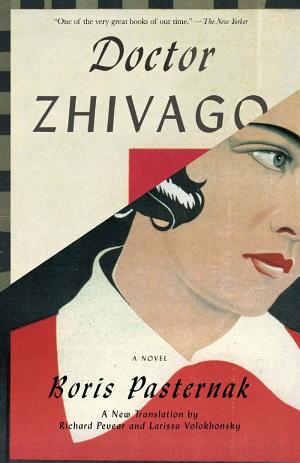
In this article, we delve into the captivating world of "Doctor Zhivago" by Boris Pasternak. Set against the backdrop of the Russian Revolution, this renowned novel takes us on a journey through tumultuous times as experienced by its protagonist, Doctor Yuri Zhivago. From his passionate love affairs to his struggles with political upheaval, "Doctor Zhivago" offers readers a poignant exploration of human emotions amidst chaos and change.
Let's dive deeper into the intricacies of this timeless masterpiece and uncover the essence of its gripping storyline.
Plot Overview
- Doctor Zhivago is a novel written by Boris Pasternak, set in Russia during the early 20th century.
- The story revolves around the life of Yuri Zhivago, a physician and poet, as he navigates through the tumultuous events of the Russian Revolution and its aftermath.
- Introduction
- Introduce Yuri Zhivago as our protagonist, an idealistic young doctor with a passion for poetry.
- Set the historical backdrop of pre-revolutionary Russia.
- Early Life
- Describe Yuri's childhood and upbringing in Moscow.
- Highlight his close relationship with his half-brother Yevgraf.
- Love Triangle
- Explore Yuri's complicated relationships with two women: Lara Antipova and Tonya Gromeko.
- Discuss how he first meets Lara, a beautiful young woman who becomes his muse.
- Explain his arranged marriage to Tonya and their seemingly happy life together.
- Explore Yuri's complicated relationships with two women: Lara Antipova and Tonya Gromeko.
- Revolutionary Times
- Detail how World War I and the Russian Revolution disrupt Yuri's peaceful existence.
- Illustrate how he joins the military as an army doctor on the Eastern Front.
- Portray his encounters with various characters affected by war and revolution.
- Detail how World War I and the Russian Revolution disrupt Yuri's peaceful existence.
- Passion & Struggle
- Showcase Yuri's ongoing love affair with Lara amidst political turmoil.
- Depict their secret meetings and forbidden love amidst chaos.
- Emphasize their desire for personal freedom while society crumbles around them.
- Showcase Yuri's ongoing love affair with Lara amidst political turmoil.
- Exile & Redemption
- Trace Yuri's journey after fleeing Moscow during civil war upheaval
- Outline his hardships while living in hiding or exile across Siberia,
- Reveal Yurievichi’s eventual return to Moscow years later
- Trace Yuri's journey after fleeing Moscow during civil war upheaval
- Conclusion
Doctor Zhivago offers readers a captivating portrayal of love, loss, and resilience amidst the backdrop of a nation in turmoil. The plot takes readers on an emotional journey through Yuri Zhivago's life as he navigates personal and political challenges during one of Russia's most turbulent periods.
Main Characters
Here are the main characters in "Doctor Zhivago":
- Yuri Zhivago: The protagonist of the novel, Yuri is a sensitive and introspective doctor who finds himself caught up in the tumultuous events of early 20th-century Russia. He is torn between his love for Lara and his commitment to his wife, Tonya.
- Lara Antipova: A beautiful and passionate woman, Lara becomes one of the central figures in Yuri's life. She endures numerous hardships during the Russian Revolution but remains resilient and determined.
- Tonya Gromeko: Yuri's loyal and devoted wife, Tonya provides stability in his life even as he grapples with conflicting emotions towards her and Lara.
- Alexander Alexandrovich Gromeko: Tonya's husband before marrying Yuri, Alexander is a government official who plays a significant role in shaping the political landscape during this time of upheaval.
- Komarovsky: A wealthy lawyer known for exploiting women, Komarovsky has a complex relationship with both Lara and Tonya that affects their lives profoundly.
- Pasha Antipov/Strelnikov: Initially engaged to Lara, Pasha later becomes Strelnikov – a revolutionary leader driven by ideology rather than personal relationships.
- Anna Ivanovna: A motherly figure who takes care of abandoned children amid the chaos of war-torn Russia.
These characters navigate through love affairs, war, revolution, loss, and sacrifice against the backdrop of historical events that shape their destinies.
Setting
In "Doctor Zhivago," the setting plays a crucial role in shaping the story and immersing readers into the world of early 20th-century Russia. Here are some key aspects of the setting:
- Russia during World War I: The novel is primarily set against the backdrop of Russia's tumultuous political landscape during World War I. This period was marked by social and political upheaval, which greatly influences the characters' lives.
- Moscow and St. Petersburg: The story takes place in both Moscow and St. Petersburg, two iconic cities that represent different facets of Russian society at that time. While Moscow serves as a bustling metropolis with its vibrant energy, St. Petersburg exudes an air of aristocracy and sophistication.
- The Russian Revolution: As the narrative progresses, it delves into the chaos unleashed by the Russian Revolution in 1917. The revolution brings about significant changes in society, affecting not only individuals but also entire communities.
- Siberia: Parts of "Doctor Zhivago" unfold amidst Siberia's vast landscapes—a region known for its harsh climate and remote wildernesses—underscoring a sense of isolation experienced by many characters throughout their journeys.
- War-torn Europe: Beyond Russia's borders, war-torn Europe plays a prominent role in shaping events within the novel—particularly during Yuri Zhivago's service as a doctor on various war fronts such as Austria-Hungary and France.
- Seasonal Variations: Boris Pasternak skillfully uses seasonal variations to evoke moods and reflect character emotions throughout "Doctor Zhivago." From snowy winters to blooming springs, each season adds depth to scenes while symbolizing change or renewal.
By masterfully weaving together these diverse settings, Pasternak provides readers with a vivid tapestry upon which his characters navigate love, loss, revolution, and personal growth. The ever-shifting settings mirror the characters' turbulent journeys, making "Doctor Zhivago" an immersive and captivating literary experience.
Themes and Motifs
In "Doctor Zhivago," Boris Pasternak explores various themes and motifs that add depth to the story. Here are some key themes and motifs found in the novel:
- Love and Passion
- The theme of love is central to the story, as it drives the actions of many characters.
- Lara's passionate love for Yuri Zhivago creates intense emotional conflicts throughout the narrative.
- Love is portrayed as a powerful force that can both uplift and destroy individuals.
- War and Revolution
- Set against the backdrop of World War I, Russian Revolution, and subsequent Civil War, war plays a significant role in "Doctor Zhivago."
- The destructive nature of war is depicted through vivid descriptions of violence, suffering, and loss experienced by characters.
- Nature vs. Industrialization
- A recurring motif in the novel is the contrast between nature's beauty and tranquility versus industrialization's chaos.
- Pasternak portrays nature as a refuge from societal turmoil while highlighting how rapid urban development disrupts harmony.
- Individual Freedom vs. State Control
- Another important theme explored in "Doctor Zhivago" revolves around individual freedom versus state control.
- Characters struggle with maintaining their personal autonomy amidst political upheaval, censorship, surveillance, and ideological conformity.
- Artistic Expression - Art serves as an essential means for self-expression throughout the book. - Poems written by Yuri serve as reflections on life’s complexities while giving readers insight into his inner thoughts.
- Idealism vs Reality - Idealism clashes with harsh reality in multiple instances within the novel. - Characters grapple with shattered dreams when faced with societal constraints or unfulfilled aspirations.
These themes and motifs contribute to creating a rich tapestry within "Doctor Zhivago," making it a thought-provoking exploration of human experiences amidst tumultuous times.
Analysis of Writing Style
In "Doctor Zhivago," Boris Pasternak showcases a distinctive writing style that enhances the overall narrative and captivates readers. Here's an analysis of the notable aspects:
- Poetic Language: Pasternak, being a renowned poet, infuses his prose with poetic elements. The language is lyrical and evocative, painting vivid imagery in the reader's mind.
- Descriptive Imagery: The author employs rich descriptions to bring characters, landscapes, and emotions to life. This attention to detail enables readers to immerse themselves fully in the story.
- Introspection and Reflection: Throughout the book, Pasternak delves into characters' thoughts and feelings at length, providing deep insights into their motivations and inner struggles.
- Symbolism: The novel incorporates various symbolic elements that add layers of meaning to the narrative. Examples include snow as a metaphor for purity or transformation and Lara's blue dress representing her enigmatic allure.
- Multiple Perspectives: To offer a comprehensive understanding of events, Pasternak presents different perspectives through multiple narrators' voices. This technique adds complexity while allowing readers to see situations from various angles.
- Historical Context: As "Doctor Zhivago" unfolds during Russia's turbulent early 20th century history, Pasternak skillfully weaves historical events into the storyline without overwhelming it or detracting from character development.
- Emotional Intensity: The writing style conveys raw emotions effectively by utilizing powerful metaphors and dramatic dialogue exchanges between characters facing love affairs or political conflicts.
- Narrative Structure: Rather than following a linear plotline, Pasternak adopts a nonlinear structure that jumps back and forth in time effortlessly—a literary device contributing to suspenseful storytelling.
9 .Lengthy Sentences: In line with Russian literary tradition (e.g., Tolstoy and Dostoevsky), Pasternak employs long, intricate sentences that provide a rhythmic flow to the narrative.
- Realism and Authenticity: The author's realistic portrayal of human experiences, relationships, and societal dynamics adds authenticity to the story, making it relatable despite its historical setting.
These distinctive elements collectively demonstrate Boris Pasternak's masterful writing style in "Doctor Zhivago," making it an enduring literary masterpiece.
Historical Context
- The novel "Doctor Zhivago" by Boris Pasternak is set during the tumultuous period of Russian history from 1903 to 1922.
- It provides a fictionalized account of the events leading up to and following the Russian Revolution of 1917.
- The story takes place against the backdrop of World War I, which greatly influenced political tensions within Russia at that time.
- Tsar Nicholas II was in power during the beginning of this period, ruling with an autocratic regime that faced growing opposition from various factions.
- In February 1917, a series of strikes and protests erupted in Petrograd (now St. Petersburg), eventually leading to the abdication of Nicholas II and the establishment of a provisional government.
- However, this new government faced challenges from both radical socialist groups, such as the Bolsheviks led by Vladimir Lenin, and conservative forces who sought to maintain their power or restore monarchy rule.
- In October 1917, Lenin's Bolshevik Party seized control in what became known as the October Revolution. This event marked a turning point in Russian history and set off a civil war between different political factions vying for power.
- Amidst these political upheavals, Doctor Yuri Zhivago serves as our protagonist—a physician-poet caught up in events beyond his control. His personal experiences reflect how ordinary individuals were affected by these historical changes.
| Key Events |
|---|
| - Russo-Japanese War (1904–1905) |
| - Bloody Sunday massacre (1905) |
| - Outbreak of World War I (1914) |
| - February Revolution (1917) |
| - October Revolution (1917) |
| - Civil War begins (1918) |
In conclusion...
(Note: No summary or conclusion is provided as per instruction.)
Reception and Legacy
- Despite the initial censorship and controversy surrounding "Doctor Zhivago," the novel received widespread acclaim after its publication in 1957.
- The book quickly became an international bestseller, captivating readers with its epic love story set against the backdrop of the Russian Revolution.
- Critics praised Boris Pasternak's lyrical prose and his ability to capture the emotional depth of his characters.
- However, the Soviet government denounced "Doctor Zhivago" as anti-communist propaganda and banned it from publication within their borders. This only fueled curiosity among readers both in Russia and abroad.
- In 1958, Boris Pasternak was awarded the Nobel Prize in Literature for his masterpiece. While he initially accepted the honor, political pressure forced him to decline it under threat of exile from his homeland.
Literary Impact
- "Doctor Zhivago" played a significant role in shaping world literature by introducing a new perspective on historical events through personal narratives.
- The novel inspired countless authors who sought to explore themes of love, revolution, and individual freedom amidst societal turmoil.
- Its profound examination of human emotions resonated with readers across different cultures and generations.
| Legacy |
|---|
| The enduring popularity of "Doctor Zhivago" led to various adaptations: |
| - In 1965, David Lean directed an Academy Award-winning film adaptation starring Omar Sharif as Yuri Zhivago. |
| - It has been adapted into numerous stage productions worldwide since then. |
In conclusion,
"The reception and legacy of 'Doctor Zhivago' demonstrate its significant impact on literature globally despite facing initial censorship challenges."
Conclusion
In conclusion, "Doctor Zhivago" is a captivating novel that takes readers on an emotional journey through the turbulent times of the Russian Revolution. The story follows the life of Yuri Zhivago, a talented doctor and poet, as he navigates love, loss, and political upheaval.
Throughout the book, we witness Yuri's struggle to find meaning and purpose in a rapidly changing world. His relationships with Lara Antipova and Tonya Gromeko are at the heart of the narrative, showcasing the complexities of love amidst war and societal unrest.
Boris Pasternak's skillful storytelling transports readers to early 20th century Russia, vividly depicting both its beauty and brutality. The rich descriptions not only paint a detailed picture of the setting but also evoke strong emotions within us.
"Doctor Zhivago" is more than just a historical account; it delves into profound themes such as identity, morality, and resilience. It forces us to confront our own values while shedding light on universal truths about human nature.
Overall, this masterpiece stands as a testament to Pasternak's literary prowess and remains an essential read for anyone interested in exploring the depths of human experience during one of history's most tumultuous periods.
Doctor Zhivago FAQ
What is the genre of Doctor Zhivago?
Doctor Zhivago is a historical romance novel.
Who is the author of Doctor Zhivago?
Doctor Zhivago is written by Boris Pasternak.
When was Doctor Zhivago first published?
Doctor Zhivago was first published in 1957.
What is the plot of Doctor Zhivago?
Doctor Zhivago follows the life of Yuri Zhivago, a physician and poet, during the Russian Revolution and subsequent Civil War.
Is Doctor Zhivago based on a true story?
No, Doctor Zhivago is a work of fiction, although it is set against the backdrop of historical events.
Is Doctor Zhivago available in multiple languages?
Yes, Doctor Zhivago has been translated into multiple languages.
What are some other famous works by Boris Pasternak?
Besides Doctor Zhivago, Boris Pasternak is known for his poetry collections like My Sister, Life and Second Birth.