
Estimated read time: 8 min read
One Sentence Summary
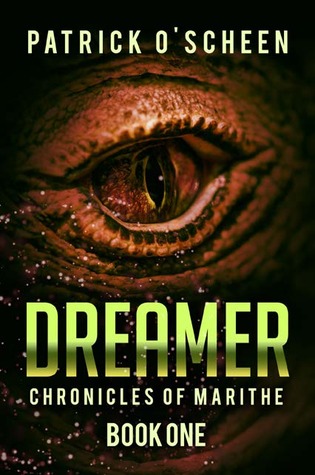
"Dreamer" by Patrick O'Scheen is a captivating tale of a young boy's journey to overcome adversity and embrace the power of imagination to transform his reality.
Table of Contents
Introduction
Imagine stepping into the world of Dreamer by Patrick O'Scheen—a novel that masterfully blends the raw intensity of human ambition with the delicate threads of hope and despair. This book captures the essence of chasing dreams in a world that often seems determined to crush them. Through vivid storytelling and deeply relatable characters, O'Scheen invites readers, especially college students and lecturers, to explore the complexities of aspiration, failure, and resilience. Whether you're a dreamer yourself or someone who has witnessed dreams shatter, Dreamer offers a profound, engaging narrative that resonates on multiple levels.
Historical Context
Dreamer is set against the backdrop of the early 21st century, a period marked by rapid technological advancements, economic fluctuations, and shifting cultural landscapes. This era is crucial in understanding the pressures and opportunities that shape the characters’ journeys.
- Technological Boom: The rise of social media and digital platforms plays a subtle yet significant role in influencing the characters' aspirations.
- Economic Uncertainty: Post-recession challenges affect the socio-economic status of several characters, adding layers to their struggles.
- Cultural Shifts: The narrative reflects changing values around success, identity, and community, mirroring real-world societal debates.
While the story is fictional, it echoes the tensions and hopes of a generation navigating a complex world, making it a valuable text for understanding contemporary human experiences.
Brief Synopsis
Plot Overview
At its core, Dreamer chronicles the life of Jamie Harper, a young artist from a modest background who aspires to break free from societal constraints and redefine success on his own terms. The story follows Jamie’s tumultuous journey through creative blocks, personal betrayals, and existential crises, all while grappling with the elusive nature of dreams.
Jamie’s quest is not solitary; the narrative interweaves the lives of friends, mentors, and rivals, each embodying different facets of ambition and disappointment. The plot unfolds through a series of emotionally charged episodes that reveal the costs and rewards of dreaming big.
Setting
The novel is primarily set in a bustling metropolitan city—a microcosm of diversity, opportunity, and struggle. The urban backdrop is vibrant yet unforgiving, with contrasts between gleaming skyscrapers and neglected neighborhoods symbolizing the duality of hope and hardship.
Time-wise, Dreamer spans approximately five years, a period sufficient to witness significant growth and transformation in the characters' lives. The atmosphere oscillates between the electric energy of youthful optimism and the sobering realities of adult responsibilities.
Main Characters
| Name | Role | Key Traits | Importance to the Plot |
|---|---|---|---|
| Jamie Harper | Protagonist | Passionate, determined, vulnerable | Central figure whose dreams drive the narrative |
| Mia Collins | Best Friend | Supportive, pragmatic, empathetic | Jamie’s confidante and moral anchor |
| Victor Lane | Rival Artist | Competitive, charismatic, cynical | Represents alternative paths and challenges Jamie’s ideals |
| Sophia Grant | Mentor | Wise, nurturing, experienced | Guides Jamie through creative and personal growth |
| Marcus Reed | Antagonist | Ambitious, manipulative, resourceful | Obstacles Jamie must overcome to achieve his dreams |
Each character is meticulously crafted to reflect different attitudes toward aspiration, success, and failure, enriching the narrative’s depth and relatability.
Plot Summary
Part 1: Seeds of Ambition
The story begins with Jamie’s early struggles as a budding artist, juggling part-time jobs and creative pursuits. His passion is palpable, yet so are his doubts. The reader witnesses Jamie's first encounters with Mia and Victor, setting the stage for complex interpersonal dynamics.
- Jamie’s discovery of an old sketchbook sparks his commitment to art.
- Mia encourages Jamie to pursue practical goals alongside his dreams.
- Victor’s cutting critiques challenge Jamie’s confidence but also fuel his determination.
Part 2: Trials and Tribulations
As Jamie ventures deeper into the art world, obstacles multiply. Financial instability, creative blocks, and strained relationships test his resolve.
- Jamie faces rejection from galleries, leading to self-doubt.
- A romantic subplot with Sophia introduces themes of trust and vulnerability.
- Marcus Reed’s interference threatens Jamie’s opportunities, highlighting the darker side of ambition.
Part 3: The Turning Point
The narrative reaches a crescendo when Jamie experiences a profound personal loss that forces him to reevaluate his priorities and definitions of success.
- Jamie’s breakthrough comes not from external validation but from an internal realization.
- Reconciliation with Mia and a renewed mentorship with Sophia provide emotional support.
- Jamie’s art begins to reflect deeper themes, resonating with a wider audience.
Part 4: Resolution and Reflection
In the final chapters, Jamie attains a measure of success that feels authentic and hard-earned. The story closes on a reflective note, emphasizing the ongoing nature of dreaming.
- Jamie organizes his first solo exhibition, symbolizing achievement.
- Relationships stabilize, though challenges remain, underscoring life’s complexity.
- The closing scene suggests that dreaming is less about the destination and more about the journey.
Themes and Motifs
Central Themes
- The Nature of Dreams: The book explores what it means to dream genuinely—balancing idealism with realism.
- Resilience in Adversity: Jamie’s story is a testament to persistence amidst setbacks.
- Identity and Self-Discovery: Characters grapple with defining themselves beyond societal expectations.
- The Cost of Ambition: Success is portrayed as multifaceted, with emotional and ethical implications.
Recurring Motifs
- Art as Expression: Art symbolizes personal truth and transformation.
- Urban Landscape: The cityscape mirrors internal conflicts and societal pressures.
- Light and Darkness: Symbolic contrasts highlight moments of hope and despair throughout the narrative.
These themes invite readers to reflect on their own dreams, the obstacles they face, and the values that guide them.
Literary Techniques and Style
Patrick O'Scheen’s writing style in Dreamer is notable for its lyrical prose, blending poetic imagery with accessible language. The narrative employs a third-person limited perspective, primarily focusing on Jamie, allowing intimate access to his thoughts and emotions.
Key techniques include:
- Symbolism: Objects like Jamie’s sketchbook and recurring motifs of light enhance thematic depth.
- Non-linear Narrative: Flashbacks and foreshadowing enrich the storytelling without causing confusion.
- Dialogue: Realistic and sharp, dialogue reveals character motivations and tensions effectively.
- Emotional Pacing: The author balances introspective moments with dynamic scenes to maintain reader engagement.
O'Scheen’s style strikes a balance between literary sophistication and readability, making Dreamer suitable for academic discussions and casual reading alike.
Author's Background
Patrick O'Scheen is an acclaimed contemporary author known for his insightful exploration of human psychology and societal issues. His background in visual arts deeply informs his narrative approach, evident in his vivid descriptions and thematic focus on creativity.
- Influences: O'Scheen’s work is influenced by modernist literature and urban culture.
- Previous Works: Notable titles include Fragments and City Lights, both praised for their emotional depth.
- Legacy: O'Scheen has been recognized for his ability to connect with young adults and foster discussions about ambition and identity.
His unique combination of artistic sensibility and literary skill makes Dreamer a standout in modern fiction.
Key Takeaways
- Dreams are complex and multifaceted, requiring both passion and pragmatism.
- Resilience is essential when facing inevitable setbacks.
- Self-discovery is a continuous process intertwined with external challenges.
- Success is subjective and often comes with unforeseen costs.
- Relationships and support systems play a crucial role in personal growth.
Reader's Takeaway
Readers of Dreamer will find themselves emotionally invested in Jamie’s journey, experiencing the highs and lows of pursuing a dream. The novel encourages introspection about personal ambitions and societal definitions of success. It offers a nuanced perspective that neither romanticizes nor dismisses the struggle of dreamers.
Emotionally, the book resonates with anyone who has felt the sting of failure or the elation of breakthrough. Intellectually, it provides rich material for discussions on identity, ambition, and the role of art in society.
Conclusion
Dreamer by Patrick O'Scheen is more than just a story about chasing dreams; it is an exploration of what it means to live authentically in a world full of challenges. Its compelling characters, rich themes, and masterful prose make it a valuable read for students, educators, and anyone intrigued by the human spirit’s resilience. Dive into this novel to uncover insights about ambition, identity, and the enduring power of hope. You’ll find that, in the end, the true dreamer is the one who dares to continue dreaming despite it all.
Dreamer FAQ
What is the book 'Dreamer' by Patrick O'Scheen about?
'Dreamer' is a novel by Patrick O'Scheen that explores the journey of a young protagonist who pursues their dreams against all odds, delving into themes of ambition, perseverance, and self-discovery.
Who is the main character in 'Dreamer'?
The main character in 'Dreamer' is a young individual whose name is revealed throughout the story, characterized by their determination and passion to achieve their dreams.
What are the central themes of 'Dreamer'?
The central themes of 'Dreamer' include ambition, resilience, the power of dreams, overcoming obstacles, and the journey towards self-fulfillment.
Is 'Dreamer' suitable for young adult readers?
Yes, 'Dreamer' is suitable for young adult readers as it addresses themes and challenges that resonate with that age group, such as identity, aspirations, and personal growth.
What genre does 'Dreamer' belong to?
'Dreamer' falls under the genre of contemporary fiction with inspirational and coming-of-age elements.
Does 'Dreamer' have any sequels or related works?
As of now, 'Dreamer' is a standalone novel by Patrick O'Scheen, with no official sequels or related works.
What inspired Patrick O'Scheen to write 'Dreamer'?
Patrick O'Scheen was inspired to write 'Dreamer' by his own experiences and observations about the importance of pursuing one's dreams despite challenges.
Where can I purchase or read 'Dreamer'?
'Dreamer' is available for purchase at major bookstores, online retailers, and may also be available at local libraries.


