


.jpg)
Estimated read time: 12 min read
Table of Contents
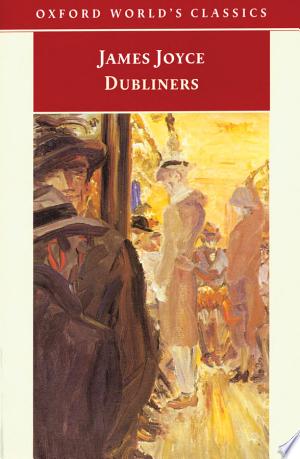
Dubliners is a collection of fifteen short stories written by James Joyce. Set in Dublin, Ireland, during the early 20th century, the book provides a realistic and often bleak depiction of the lives of ordinary Dubliners. Let's delve into the key characters of Dubliners and analyze their roles, traits, backgrounds, and relationships.
List of Characters
| Character | Story |
|---|---|
| Gabriel Conroy | The Dead |
| Eveline Hill | Eveline |
| Jimmy Doyle | After the Race |
| Farrington | Counterparts |
| Mr. Duffy | A Painful Case |
| Maria | Clay |
| Little Chandler | A Little Cloud |
| Mrs. Kearney | A Mother |
Role Identification
Gabriel Conroy (The Dead)
Gabriel serves as the central character in the final story of the collection, "The Dead." He is an introspective and self-aware man who attends his aunt's annual dinner party. Gabriel's role is to symbolize the themes of self-discovery, mortality, and the contrast between the living and the dead.
Eveline Hill (Eveline)
Eveline is the protagonist of the story named after her. She is a young woman who experiences conflicting emotions about leaving her oppressive home. Eveline's role explores themes of paralysis, duty, and the fear of change.
Jimmy Doyle (After the Race)
Jimmy Doyle is a young, ambitious Irishman who longs to be accepted among the wealthy elite. His role sheds light on the illusions of grandeur, the pursuit of success, and the consequences of misplaced aspirations.
Farrington (Counterparts)
Farrington is a clerk who works in a law firm and faces constant frustration and dissatisfaction in both his personal and professional life. His role highlights the destructive effects of anger, resentment, and the cyclical nature of poverty.
Mr. Duffy (A Painful Case)
Mr. Duffy is an introverted and emotionally detached man who becomes involved in a brief yet intense relationship with a married woman. His role signifies the isolation and emotional detachment experienced by many Dubliners.
Maria (Clay)
Maria is a loyal and devoted maid who celebrates Halloween with her fellow workers. Her role represents the struggles faced by women in lower-class occupations and the limited options available to them for personal fulfillment.
Little Chandler (A Little Cloud)
Little Chandler is a meek and frustrated writer who longs for artistic success but finds himself trapped in a monotonous middle-class existence. His role explores themes of escapism, unfulfilled aspirations, and the limitations of social status.
Mrs. Kearney (A Mother)
Mrs. Kearney is a determined and overbearing stage mother who relentlessly pursues opportunities for her daughter's musical career. Her role highlights the complexities of family dynamics, societal expectations, and the sacrifices made for success.
Character Descriptions
Gabriel Conroy (The Dead)
Gabriel is a middle-aged man with thinning hair and glasses. He is characterized as reserved and thoughtful, often lost in his own thoughts. Gabriel's appearance reflects his inner contemplation and his role as an observer rather than an active participant.
Eveline Hill (Eveline)
Eveline is a young woman in her late teens with brown hair and a somber demeanor. Her physical appearance mirrors her internal struggle and feelings of paralysis. Eveline's appearance represents her stagnant existence and her inability to break free from her oppressive circumstances.
Jimmy Doyle (After the Race)
Jimmy Doyle is a vibrant and energetic young man in his early twenties. He is described as having a ruddy complexion and lively eyes. Jimmy's appearance reflects his ambition and enthusiasm for success, as well as his naivety and immaturity.
Farrington (Counterparts)
Farrington is a disheveled and worn-out man in his thirties. He is depicted as having a shabby appearance and a permanent scowl. Farrington's physical appearance reflects his dissatisfaction and frustration with his life and the hostile environment in which he exists.
Mr. Duffy (A Painful Case)
Mr. Duffy is a tall and thin man with a melancholic expression. He wears a neat beard and dresses conservatively. Mr. Duffy's appearance mirrors his reserved and aloof nature, as well as his desire for order and control.
Maria (Clay)
Maria is a small and plump woman with a kind face and gentle eyes. She wears a simple and modest servant's uniform. Maria's appearance represents her role as a nurturing and caring individual, as well as her limited opportunities for personal fulfillment.
Little Chandler (A Little Cloud)
Little Chandler is a slight and sensitive man with a timid demeanor. He is often described as having nervous hands and darting eyes. Little Chandler's appearance reflects his introverted nature and his lack of assertiveness or confidence.
Mrs. Kearney (A Mother)
Mrs. Kearney is a determined and formidable woman with a commanding presence. She dresses elegantly and exudes confidence and authority. Mrs. Kearney's appearance signifies her role as a strong-willed and ambitious individual, willing to go to great lengths for her daughter's success.
Character Traits
Gabriel Conroy (The Dead)
- Thoughtful
- Observant
- Self-conscious
- Intellectually inclined
- Socially awkward
Eveline Hill (Eveline)
- Timid
- Resigned
- Loyal
- Indecisive
- Dutiful
Jimmy Doyle (After the Race)
- Ambitious
- Impressionable
- Naive
- Eager
- Materialistic
Farrington (Counterparts)
- Frustrated
- Resentful
- Aggressive
- Disillusioned
- Confrontational
Mr. Duffy (A Painful Case)
- Introverted
- Emotionally detached
- Reserved
- Analytical
- Isolated
Maria (Clay)
- Caring
- Devoted
- Submissive
- Content
- Limited ambitions
Little Chandler (A Little Cloud)
- Dreamy
- Insecure
- Envious
- Dissatisfied
- Self-doubting
Mrs. Kearney (A Mother)
- Determined
- Demanding
- Manipulative
- Ambitious
- Stubborn
Character Background
Gabriel Conroy (The Dead)
Gabriel is an educated man who works as a teacher and a book reviewer. He comes from a well-off family, which has allowed him to live a comfortable and privileged life. Gabriel's background provides him with a certain level of social status but also adds pressure to live up to his family's expectations.
Eveline Hill (Eveline)
Eveline comes from a working-class background, living in a small house with her abusive father and her siblings. Her mother is deceased, and Eveline carries the weight of responsibilities upon her. Her background contributes to her sense of duty and the fears associated with leaving behind the only life she has known.
Jimmy Doyle (After the Race)
Jimmy Doyle is the son of a wealthy businessman. He has grown up in a privileged environment, attending the best schools and associating with the upper class. His background shapes his desire to be accepted among the elite and his pursuit of success without fully understanding the consequences.
Farrington (Counterparts)
Farrington comes from a lower-class background, struggling to make ends meet. He leads a monotonous life, working as a clerk and facing constant frustration. Farrington's background highlights the challenges faced by many Dubliners in poverty and the cyclical nature of their lives.
Mr. Duffy (A Painful Case)
Mr. Duffy is a middle-class man who leads a solitary existence. He is a skilled mathematician and works as a bank clerk. His background reflects his desire for order and control, as well as his detachment from emotional connections and societal expectations.
Maria (Clay)
Maria is a servant working for a wealthy family. Her background is one of limited opportunities and the absence of personal fulfillment. Maria's background underscores the constraints that women in lower-class occupations face, as well as their reliance on others for validation and support.
Little Chandler (A Little Cloud)
Little Chandler comes from a lower-middle-class background. He works as a clerk and aspires to be a poet. His background emphasizes the limitations of his social status and the frustrations of unfulfilled artistic ambitions.
Mrs. Kearney (A Mother)
Mrs. Kearney comes from a middle-class background and is determined to achieve success for her daughter in the world of music. Her background highlights the pressure and sacrifices made by parents for their children's success, as well as the clash between societal expectations and personal desires.
Character Arcs
Gabriel Conroy (The Dead)
Gabriel experiences a profound self-realization during the course of the story. Initially, he is self-conscious and socially awkward. However, his encounter with his wife's revelation about her past love brings a new level of understanding of life and death. Gabriel's character arc involves the recognition of his own mortality and the desire to live a more authentic and meaningful life.
Eveline Hill (Eveline)
Eveline's character arc revolves around her internal struggle to leave behind her oppressive home and make a significant life decision. Initially, fear and duty consume her, leading her to abandon her plans for escape. Eveline's character arc highlights the paralysis experienced by many Dubliners and the consequences of succumbing to societal pressures.
Jimmy Doyle (After the Race)
Jimmy Doyle's character arc demonstrates the disillusionment and disappointment that arise when one puts material success above personal values. Initially full of hope and ambition, Jimmy's association with the wealthy elite leads to a rude awakening. His character arc depicts the dangers of misplaced aspirations and the cost of social climbing.
Farrington (Counterparts)
Farrington's character arc showcases the destructive consequences of anger and resentment. His frustrations and dissatisfaction with life lead to increasingly aggressive and self-destructive behavior. Farrington's character arc illustrates the cyclical nature of poverty and the perpetual struggle faced by many Dubliners.
Mr. Duffy (A Painful Case)
Mr. Duffy's character arc encompasses his emotional detachment and subsequent awakening to the possibility of love and connection. His encounter with Mrs. Sinico initially reinforces his desire for isolation, but her death forces him to confront the consequences of his emotional detachment. Mr. Duffy's character arc explores the complexities of relationships and the limitations of personal choices.
Maria (Clay)
Maria's character arc portrays her limited opportunities for personal fulfillment and the reliance on others for validation. She initially finds contentment in her role as a caretaker but experiences a sense of loss and disappointment during the course of the story. Maria's character arc highlights the constraints faced by women in lower-class occupations and the unfulfilled potential resulting from societal expectations.
Little Chandler (A Little Cloud)
Little Chandler's character arc reflects his yearning for artistic success and the frustrations associated with unfulfilled aspirations. The encounter with his successful friend ignites a sense of envy and dissatisfaction with his own life. Little Chandler's character arc brings him face-to-face with the limitations of his social status and the power of personal choice.
Mrs. Kearney (A Mother)
Mrs. Kearney's character arc revolves around her relentless pursuit of success for her daughter. Initially, her determination and demands propel her daughter's musical career forward. However, Mrs. Kearney's uncompromising nature ultimately results in disappointment and the collapse of her plans. Her character arc explores the sacrifices made by parents and the clash between personal desires and societal expectations.
Relationships
Gabriel Conroy (The Dead)
Gabriel has a complex relationship with his wife, Gretta, which undergoes a transformative shift during the course of the story. His admiration for her initially borders on idolization, but their encounter at the end of the story forces Gabriel to reevaluate their relationship and confront his own insecurities.
Eveline Hill (Eveline)
Eveline has deep ties with her family and particularly feels a sense of duty towards her abusive father. Her relationship with her lover, Frank, represents her desire for a new life and freedom from her oppressive circumstances. However, her loyalty to her family ultimately outweighs her romantic aspirations.
Jimmy Doyle (After the Race)
Jimmy Doyle aspires to be accepted by the wealthy elite and forms friendships with individuals from privileged backgrounds. His relationships with these characters highlight his naivety and desire to fit in, as well as the fleeting nature of superficial connections.
Farrington (Counterparts)
Farrington's relationships with his colleagues and superiors at work are marked by animosity and power dynamics. His interactions outside of work, particularly with his friends at the pub, showcase the bonds formed among individuals facing similar frustrations.
Mr. Duffy (A Painful Case)
Mr. Duffy enters into a relationship with Mrs. Sinico, a married woman with whom he initially finds companionship and shared intellectual interests. However, their relationship ends tragically due to Mrs. Sinico's perceived betrayal, leaving Mr. Duffy isolated and detached once again.
Maria (Clay)
Maria's relationships are primarily with her fellow servants and her employers. She finds solace and camaraderie in these relationships but ultimately faces a sense of disappointment and isolation when her expectations for the Halloween party are not met.
Little Chandler (A Little Cloud)
Little Chandler's relationships revolve around his wife, Annie, and his friend, Gallagher. His relationship with his wife is strained, with tensions arising from his unfulfilled artistic aspirations and a difference in desires for socializing. His encounter with Gallagher highlights the disparities in their lives and fuels his feelings of inadequacy.
Mrs. Kearney (A Mother)
Mrs. Kearney's relationships are centered around her daughter's musical aspirations. Her interactions with event organizers, musicians, and other parents showcase her relentless pursuit of opportunities for her daughter. However, her uncompromising nature strains her relationships and ultimately leads to disappointment.
In conclusion, the collection of Dubliners provides a nuanced and realistic depiction of various characters living in Dublin during the early 20th century. Each character serves as a vessel through which Dublin's societal and cultural complexities are explored, offering readers a profound understanding of the human condition. Through their roles, traits, backgrounds, character arcs, and relationships, Joyce masterfully captures the struggles, desires, and limitations faced by ordinary Dubliners.


