
Estimated read time: 10 min read
One Sentence Summary
Teenager Matt Freeman must prevent a sinister organization from opening a portal for ancient evil in Peru, discovering new powers and allies along the way.
Table of Contents
Introduction
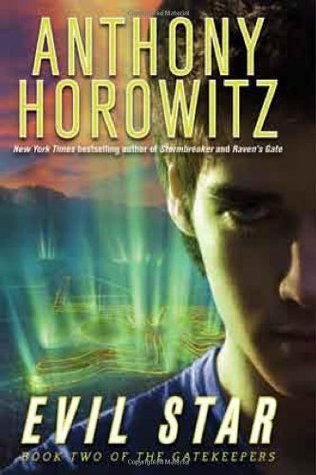
Step into a world where ancient prophecies, secret societies, and supernatural dangers collide—welcome to Evil Star, the second gripping installment in Anthony Horowitz’s acclaimed The Gatekeepers series. With the fate of humanity teetering on the edge, this novel seamlessly blends thrilling action, chilling suspense, and a dash of dark humor. Horowitz, best known for his Alex Rider series, crafts a narrative here that’s both intellectually stimulating and emotionally immersive, making Evil Star a must-read for college students, literature enthusiasts, and anyone craving an electrifying fantasy adventure.
Historical Context
The Era of Modern Fantasy and Global Threats
Evil Star was published in 2006, at a time when young adult fantasy was dominating global bestseller lists. Think of the Harry Potter craze or the rise of dystopian fiction like The Hunger Games. Horowitz taps into this zeitgeist but carves out a unique niche by combining ancient mythologies with conspiratorial thrillers reminiscent of Dan Brown’s The Da Vinci Code.
The book’s central premise revolves around ancient forces—known as the Old Ones—locked away millennia ago and now threatening a return. Horowitz draws inspiration from South American folklore, British occult traditions, and the classic “chosen one” narrative, crafting a tale that feels both timeless and contemporary.
Real-World Inspirations
The secret societies, shadowy organizations, and global conspiracies in Evil Star mirror real-life historical groups such as the Freemasons, adding a layer of intrigue and historical resonance. Furthermore, the book’s Peruvian setting hearkens to the rich mythologies and archaeological wonders of the Andes—think Machu Picchu, Nazca Lines, and mysterious lost civilizations.
Brief Synopsis
Plot Overview
Matt Freeman, once an ordinary British teenager, has discovered he is one of the Gatekeepers—five children tasked with saving the world from the resurrection of the Old Ones, monstrous entities bent on global destruction. After foiling their plans in Raven’s Gate, Matt finds himself drawn to Peru, where a second gate is rumored to exist. Teaming up (often reluctantly) with the sarcastic and streetwise Pedro, Matt faces secret societies, betrayals, and supernatural threats, all leading to a heart-pounding race against time.
Setting
The novel moves from the foggy streets of London to the vibrant, perilous landscapes of Peru. From bustling city life to remote Andean villages, Horowitz paints a vivid picture of every locale, using setting not just as a backdrop but as a character in itself. The Peruvian Andes, with their breathtaking heights and hidden dangers, amplify the sense of isolation and urgency that drives the plot.
Main Characters
Let’s break down the novel’s most significant characters in the table below:
| Name | Role | Key Traits | Importance to Plot |
|---|---|---|---|
| Matt Freeman | Protagonist, Gatekeeper | Brave, reluctant, psychic | Central hero; must prevent the opening of Evil Star |
| Pedro | Second Gatekeeper (Peruvian boy) | Resourceful, loyal, mute | Matt’s ally; key to the ancient prophecy |
| Richard Cole | Guardian, former journalist | Protective, skeptical, loyal | Matt’s mentor and support figure |
| Professor Chambers | Academic, supporter of Matt | Intelligent, determined | Aids Matt’s mission; provides historical context |
| Diego Salamanda | Main antagonist, billionaire | Charismatic, ruthless | Seeks to unleash the Old Ones for personal gain |
| Fabian | Salamanda’s henchman | Menacing, cunning | Physical threat to Matt and Pedro |
| The Nexus | Secret society of protectors | Secretive, fractured | Attempt to help Matt, but often hinder him |
Plot Summary
The Call to Adventure
After the traumatic events of Raven’s Gate, Matt tries to adjust to normal life. But “normal” doesn’t last. He’s plagued by nightmares and psychic visions, including cryptic images of Peru and a mysterious star. The Nexus, a secret society dedicated to stopping the Old Ones, reaches out, but Matt finds their methods—and their trustworthiness—questionable at best.
The London Intrigue
Strange incidents begin in London: Matt senses he’s being watched, and dangerous men pursue him. He narrowly escapes assassination attempts, thanks in part to his psychic abilities. The Nexus’s leader, Professor Chambers, reveals that the second gate—another potential entrance for the Old Ones—lies in Peru. Matt is unwilling at first, but circumstances (and a powerful sense of responsibility) force his hand.
Journey to Peru
Matt travels to Peru with Richard Cole, his loyal guardian. The culture shock is immediate and profound. The pair are soon separated by the schemes of Salamanda, a charismatic billionaire obsessed with ancient prophecies. Matt’s journey becomes a desperate scramble through bustling Lima, rural villages, and treacherous mountain passes.
Meeting Pedro
Matt encounters Pedro, a mute street boy with a mysterious connection to the supernatural. Though language is a barrier, Pedro’s loyalty and street smarts prove indispensable. Together, they flee Salamanda’s henchmen, uncover hidden allies, and decipher ancient clues.
The Race Against Evil
The plot accelerates as Matt and Pedro realize they are both Gatekeepers, bound by destiny and ancient magic. They face betrayals, supernatural obstacles, and the growing power of the Old Ones. The climax involves a desperate attempt to prevent Salamanda from opening the second gate beneath the titular “Evil Star”—a celestial alignment prophesied to bring doom.
The Resolution
Without revealing major spoilers, suffice it to say: the final chapters are a whirlwind of action, sacrifice, and revelations. Matt and Pedro’s bond is tested, and the fate of the world is left hanging by a thread. The ending sets the stage for the next installment while providing satisfying closure to this chapter.
Themes and Motifs
Destiny Versus Free Will
Matt’s journey is a powerful meditation on fate and personal agency. He didn’t choose to be a Gatekeeper, but he must accept his role—or risk global catastrophe. Horowitz challenges readers to consider how much control we really have over our destinies.
The Power of Friendship and Trust
Matt and Pedro’s partnership highlights the importance of connection, even across cultural and linguistic barriers. Their growing trust provides both emotional depth and comic relief.
Good Versus Evil
The classic battle takes center stage, but Horowitz complicates matters with morally ambiguous characters (like the Nexus) and villains who believe they’re saviors, not destroyers.
The Dangers of Power
Salamanda’s thirst for supernatural power serves as a warning about unchecked ambition. The book asks: what are we willing to risk for control or immortality?
Cross-Cultural Encounters
The Peru setting allows Horowitz to explore the clash—and fusion—of British and South American perspectives, myths, and worldviews.
Table: Major Themes and Their Manifestations
| Theme | Manifestation in Story | Broader Relevance |
|---|---|---|
| Destiny vs. Free Will | Matt’s reluctant acceptance of his powers | Choices in the face of fate |
| Friendship and Trust | Matt and Pedro’s evolving relationship | Power of human connection |
| Good vs. Evil | Battle against Salamanda and Old Ones | Moral ambiguity in real life |
| Dangers of Power | Salamanda’s ambition and its costs | Ethical use of knowledge and power |
| Cross-Cultural Encounters | British/Peruvian alliances and misunderstandings | Globalization and cultural empathy |
Literary Techniques and Style
Narrative Structure
Horowitz employs a third-person limited perspective, primarily following Matt but occasionally shifting to other viewpoints to heighten suspense. This allows readers to access Matt’s internal struggles while keeping some mysteries tantalizingly out of reach.
Pacing and Suspense
Short chapters, cliffhanger endings, and rapid scene changes keep the action moving. Horowitz is a master of the “page-turner”—just when you think Matt is safe, a new threat emerges.
Symbolism
The “Evil Star” is more than a celestial event; it symbolizes impending doom and the cyclical nature of evil. The gates themselves are metaphors for boundaries—between worlds, between childhood and adulthood, between good and evil.
Realism Meets Fantasy
While the supernatural elements are front and center, Horowitz grounds the story in authentic details: the sights, sounds, and smells of Peru; the everyday struggles of street children like Pedro; the skepticism of adults like Richard.
Dialogue and Humor
Despite the dark subject matter, Horowitz injects humor through Richard’s dry wit and the cultural misunderstandings between characters. This lightness balances the tension and endears the characters to the reader.
Author's Background
About Anthony Horowitz
Anthony Horowitz is one of Britain’s most celebrated contemporary writers. Before The Gatekeepers series, he achieved global fame with the Alex Rider books, which blend espionage and adventure. Horowitz has also penned acclaimed TV series (Foyle’s War, Midsomer Murders) and adult novels.
Influences and Legacy
Horowitz’s work is influenced by classic adventure tales (think The Lord of the Rings, Indiana Jones), Gothic fiction, and real-world history. His knack for blending genres—fantasy, thriller, mystery—has inspired a generation of readers and writers alike.
Impact on Readers
Horowitz’s novels are often used in classrooms for their rich themes and accessible prose. Evil Star in particular is lauded for introducing complex ideas (destiny, cross-cultural understanding) in a fast-paced, entertaining package.
Key Takeaways
- Destiny is a double-edged sword: Accepting one’s role can be empowering or terrifying.
- Courage often comes from unlikely places: Matt and Pedro are ordinary kids facing extraordinary odds.
- Friendship transcends barriers: Even language and culture can’t stop true connection.
- Power corrupts: Beware those who seek it for selfish reasons.
- History repeats itself: Ancient evils resurface when ignored.
Reader's Takeaway
Reading Evil Star is like riding a rollercoaster through ancient ruins, shadowy alleys, and psychic landscapes. You’ll find yourself rooting for the underdog, questioning the motives of every adult, and maybe—just maybe—wondering what secrets lie hidden in your own world.
Emotionally, the book delivers both heart-pounding suspense and moments of genuine warmth. Intellectually, it challenges you to think about fate, power, and what it means to be a hero.
Conclusion
Evil Star stands out not just as a thrilling young adult fantasy, but as a thoughtful exploration of destiny, power, and the bonds that unite us across continents and cultures. Anthony Horowitz weaves together myth, mystery, and modern-day realism to create a story that’s as entertaining as it is thought-provoking.
Whether you’re a student seeking a page-turner with substance, a lecturer looking for a classroom-friendly adventure, or simply a reader in search of your next literary obsession, Evil Star offers a gateway to adventure—and a reminder that sometimes, the fate of the world rests in the hands of the most unlikely heroes.
So why not open the gate and step into Horowitz’s world? You might just find yourself changed by the journey.
Evil Star FAQ
What is 'Evil Star' by Anthony Horowitz about?
'Evil Star' is the second book in The Power of Five series. It follows Matthew Freeman, a teenager with supernatural powers, as he travels to Peru to stop the evil organization known as the Old Ones from unleashing chaos on the world.
Do I need to read the first book before 'Evil Star'?
Yes, it's recommended to read 'Raven's Gate,' the first book in The Power of Five series, to understand the characters and ongoing plot.
Who are the main characters in 'Evil Star'?
The main characters include Matt Freeman, Richard Cole (Matt’s guardian), and Pedro, a local boy who helps Matt in Peru. The antagonists are the Old Ones and their followers.
What is the central theme of 'Evil Star'?
The novel explores themes of good versus evil, destiny, friendship, and courage in the face of overwhelming odds.
Is 'Evil Star' suitable for young readers?
'Evil Star' is generally suitable for young adults and older children, typically ages 10 and up, though it contains some dark themes and suspenseful moments.
Where does the story in 'Evil Star' take place?
The majority of 'Evil Star' is set in Peru, particularly in the city of Lima and the surrounding Andes mountains.
How does 'Evil Star' connect to the rest of The Power of Five series?
'Evil Star' continues the overarching story of Matt and the other Gatekeepers as they try to prevent the Old Ones from returning to power. It introduces new characters and sets up events for the following books.
What genre is 'Evil Star'?
'Evil Star' is a supernatural adventure novel with elements of mystery, fantasy, and thriller.
Is there a film or TV adaptation of 'Evil Star'?
As of now, there is no official film or TV adaptation of 'Evil Star,' although the series has long been rumored for adaptation.


