
Estimated read time: 9 min read
One Sentence Summary
"Fear-Less" by Kate Dow offers practical tools and insights to help women overcome anxiety and self-doubt, empowering them to live more confident and authentic lives.
Table of Contents
Introduction
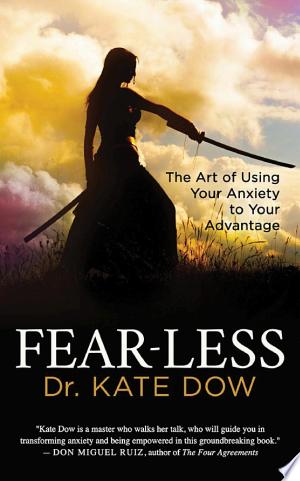
Imagine if you could grab your fears by the collar, look them dead in the eye, and say, “Not today!” That’s the spirit pulsing through Fear-Less: The Art of Using Anxiety to Your Advantage by Dr. Kate Dow. Whether you’re a college student facing exams, a lecturer navigating academic politics, or anyone caught in anxiety’s grip, this book delivers a roadmap to not just manage fear, but to thrive because of it. Dr. Dow’s blend of psychology, personal narrative, and practical exercises makes Fear-Less a must-read for anyone ready to turn anxiety into an unexpected superpower.
Author's Expertise and Credibility
Before we dive in, let’s answer the burning question: Why trust Kate Dow on fear?
Dr. Kate Dow is a clinical psychologist, leadership coach, and mindfulness expert with decades of experience helping individuals—and especially women—overcome anxiety. She draws from a unique blend of Western clinical practice and Eastern philosophies, grounding her advice in both science and lived experience. Her own journey through debilitating anxiety gives her insights a rare authenticity. If you’re looking to learn from someone who’s walked the walk, Dr. Dow is your guide.
| Author | Credentials | Notable Contributions |
|---|---|---|
| Dr. Kate Dow | PhD, Clinical Psychology; Leadership Coach | Advocate for women’s empowerment, expert in mindfulness-based therapy |
Summary of Main Ideas
At its core, Fear-Less is about reimagining your relationship with anxiety. Dr. Dow argues that fear is not an enemy to vanquish, but a messenger to understand. The book’s central ideas revolve around:
- Recognizing anxiety’s roots in biology and experience
- Learning to “befriend” your fear through mindfulness and self-compassion
- Redefining vulnerability as a source of strength
- Building practical habits to transform anxiety into growth
- Reclaiming personal power in a world that often amplifies fear
In-Depth Explanation of Key Ideas
1. Anxiety as Messenger, Not Monster
Dr. Dow kicks off with a vivid story about a panic attack she had before a major presentation. Rather than painting anxiety as a villain, she reframes it as a signal—your brain and body’s way of communicating that something matters deeply to you. By listening to the message behind the fear, you can uncover unmet needs, hidden strengths, and new possibilities.
2. Mindfulness and Self-Awareness: Your Secret Weapons
The book is rich with mindfulness practices—techniques for anchoring attention in the present. Dow walks you through breathwork, body scans, and gentle self-inquiry. Her approach is refreshingly non-judgmental. You’re not trying to “fix” yourself, but to observe what’s happening with curiosity and kindness.
3. The Power of Vulnerability
Echoing thinkers like Brené Brown, Dow argues that vulnerability isn’t a weakness—it’s the birthplace of courage. She invites readers to reflect honestly on their fears and to share them in safe contexts. By naming your vulnerabilities, you reduce their power to control you.
4. Transforming Fear through Action
The book is full of actionable strategies: journaling prompts, visualization exercises, and step-by-step plans for facing challenging situations. Each chapter ends with “Fear-Less Practices”—short activities designed to move you from insight to action.
5. The Social Dimension of Fear
Dr. Dow doesn’t ignore the bigger picture: the ways in which society, culture, and gender expectations shape our experience of fear. She especially addresses women’s unique anxieties and the pressure to “play small.” Her message: Your fear is not just personal, it’s political—and overcoming it can be an act of empowerment.
Practical Applications
So, how can you use what Dr. Dow teaches in everyday life? Here’s how her methods translate into action for students, lecturers, and anyone in between:
- In the Classroom: Use mindfulness to calm pre-exam jitters or public speaking nerves.
- On Campus: Practice self-compassion when facing academic setbacks or social anxiety.
- In Leadership: Embrace vulnerability to foster trust and open communication.
- In Daily Life: Apply grounding exercises during moments of overwhelm or uncertainty.
- In Relationships: Communicate fears openly, transforming conflict into connection.
Supporting Evidence and Examples
Dr. Dow’s approach is rooted in both research and real-life stories:
- Research: She references studies on mindfulness-based stress reduction, cognitive behavioral therapy, and the neuroscience of fear.
- Personal Stories: Dow shares her own struggles with anxiety, making the book relatable and human.
- Client Experiences: Throughout the book, case studies illustrate how others have applied her methods to overcome everything from social anxiety to fear of failure.
| Key Concept | Research Supported? | Real-Life Example Included? |
|---|---|---|
| Mindfulness | Yes | Yes |
| Self-Compassion | Yes | Yes |
| Vulnerability | Yes | Yes |
| Social Context | Yes | Yes |
Critical Insights
Fear-Less isn’t just another self-help book promising quick fixes. Dr. Dow is upfront about the complexity of anxiety—there’s no magic bullet. However, her blend of compassion, practicality, and academic rigor sets this book apart.
Strengths:
- Integrates science and personal narrative with actionable steps.
- Addresses both individual and societal dimensions of fear.
- Offers tools that are accessible, even for beginners.
Potential Limitations:
- Readers seeking a purely cognitive-behavioral approach may find the mindfulness focus unfamiliar.
- The primary focus is on women’s experiences, though the tools are broadly applicable.
Key Benefits for Readers
What do you stand to gain from Fear-Less? Here’s what Dr. Dow offers:
- Greater self-awareness: Understand what your anxiety is telling you.
- Emotional resilience: Learn to ride the waves of fear rather than being drowned by them.
- Increased confidence: Step into new challenges with tools to manage uncertainty.
- Deeper connections: Use vulnerability to build stronger, more authentic relationships.
- Empowerment: Reclaim agency in the face of societal pressures.
Reader's Takeaway
If you’ve ever felt like fear is running the show—dictating your choices, holding you back, or leaving you exhausted—Fear-Less offers a new script. Dr. Dow’s message is both comforting and galvanizing: You can befriend your anxiety and even use it as fuel for growth. Expect to walk away with practical strategies, a deeper sense of self-compassion, and the conviction that courage isn’t about being fearless, but about daring to move forward despite your fears.
Literary Techniques and Style
Dr. Dow’s writing is clear, conversational, and laced with gentle humor. She’s not afraid to poke fun at her own missteps, making the book feel like a conversation with a wise, non-judgmental friend. The narrative structure alternates between personal anecdotes, client stories, research summaries, and practical exercises. This blend keeps the reader engaged while reinforcing key concepts.
Notable Techniques:
- Anecdotes: Dow’s personal stories break down barriers and invite empathy.
- Guided Exercises: Each chapter ends with “Fear-Less Practices,” turning theory into action.
- Metaphors: Fear is described as a “messenger,” “alarm bell,” or even an “unruly pet”—making abstract concepts memorable.
- Reflection Prompts: Questions scattered throughout encourage active engagement.
Themes and Motifs
Central Themes
| Theme | Description | Relevance to Readers |
|---|---|---|
| Fear as Information | Fear isn’t the enemy; it’s a message that something matters. | Encourages self-inquiry |
| Vulnerability | True strength lies in embracing, not hiding, our anxieties. | Promotes authenticity |
| Mindfulness | Presence and acceptance disrupt anxiety’s power. | Offers practical tools |
| Empowerment | Overcoming fear is a personal and, at times, political act. | Inspires confidence |
| Growth through Action | Small, daily steps can transform lifelong patterns of avoidance. | Makes change feel attainable |
Motifs
- The Journey: Fear management is described as a lifelong path, not a destination.
- The Inner Critic: Recurrent discussions about self-talk and internalized negativity.
- The Body: Frequent reminders to check in with physical sensations as clues to emotional states.
Author's Background
Dr. Kate Dow’s journey is as compelling as her advice. Raised in a culture that rewards achievement and punishes vulnerability, Dow spent years battling her own anxiety—often in silence. Her turning point came when she began integrating mindfulness, self-compassion, and somatic practices into her life and clinical work. Today, she’s an advocate for women’s empowerment and a sought-after speaker on mental health and leadership.
Other Works: Dr. Dow is known for her workshops and coaching programs focused on mindful leadership. Her impact is felt in both clinical and corporate settings, especially among women seeking to reclaim their voices.
Key Takeaways
- Fear is not your foe—it’s a messenger.
- Mindfulness and self-compassion are powerful antidotes to anxiety.
- Vulnerability is a form of courage.
- Changing your relationship to fear is a process, not a one-time fix.
- Small, consistent actions can yield profound change.
- Societal and cultural factors shape our experience of fear.
- Empowerment comes from both self-understanding and collective action.
Reader's Takeaway
Fear-Less leaves you with a sense of hope and practical empowerment. It’s an invitation to stop battling your anxiety and start listening to it. This book doesn’t promise a life without fear—it promises a life where you can fear less and live more. For students, lecturers, and lifelong learners, it’s a toolkit for facing the inevitable uncertainties of academic and personal life with greater clarity, compassion, and confidence.
Conclusion
In a world that often tells us to “just be brave” or “think positive,” Fear-Less stands out as a refreshingly honest, research-backed, and deeply compassionate guide to living with anxiety. Dr. Kate Dow’s blend of personal narrative, scientific insight, and actionable practices ensures that every reader—whether you’re cramming for finals, preparing for your first lecture, or simply navigating life’s ups and downs—will find tools for growth and healing. If you’re ready to turn your fear from a stumbling block into a stepping stone, this book is your map. Don’t just read Fear-Less—put it into practice, and discover how much more you’re capable of, anxiety and all.
Fear-Less FAQ
What is 'Fear-Less' by Kate Dow about?
'Fear-Less' is a self-help book focused on helping women overcome self-doubt, anxiety, and fear. Using a blend of psychology, mindfulness, and personal anecdotes, Kate Dow provides strategies to build self-confidence, resilience, and empowerment.
Who is the target audience for 'Fear-Less'?
The book is primarily aimed at women who struggle with fear, self-doubt, and anxiety, especially those seeking personal growth and empowerment. However, its insights can be valuable to anyone interested in overcoming fear.
What are some key concepts discussed in the book?
Key concepts include understanding the roots of fear, mindfulness techniques, emotional intelligence, self-compassion, and practical exercises to reframe limiting beliefs and build courage.
Does the book offer practical exercises or tools?
Yes, 'Fear-Less' includes a variety of practical tools, journaling prompts, mindfulness exercises, and step-by-step practices designed to help readers confront and overcome their fears.
Is 'Fear-Less' based on scientific research?
Kate Dow integrates scientific research in psychology and neuroscience alongside her clinical experience and personal stories, making the advice evidence-based and relatable.
Can men benefit from reading 'Fear-Less'?
While the book is tailored to women's experiences, the principles and strategies can benefit anyone wanting to manage fear and build self-confidence.
Is this book suitable for someone new to self-help literature?
Yes, 'Fear-Less' is accessible and reader-friendly, making it suitable for beginners as well as those familiar with personal development.
Does the book address workplace or professional fears?
Yes, the book covers fears related to career advancement, public speaking, and professional relationships, offering advice for overcoming obstacles in the workplace.
Are there any companion resources available for 'Fear-Less'?
Kate Dow provides additional resources, such as guided meditations and worksheets, on her website to complement the book's teachings.