

Estimated read time: 12 min read
Table of Contents
- List of Characters
- Role Identification
- Character Descriptions
- Character Traits
- Character Background
- Character Arcs
- Relationships
- In-Depth Character Analyses
- Character Interactions and Dynamics
- Thematic Analysis through Characters
- Character Impact on Story Structure
- Character Development and Reader Engagement
- Final Thoughts
- Summary Table: Character Overview
- Character Quotations (Key Lines)
- Conclusion
List of Characters
| Character Name | Role in Story | Description |
|---|---|---|
| Fox | Protagonist | A clever, mischievous fox |
| Mr. Knox | Main Character | A mild-mannered, frustrated friend |
| Chicks | Minor Characters | Appear in various tongue-twisters |
| Mr. Brown | Minor Character | Briefly appears in a rhyming sequence |
| Tweedle Beetles | Minor Characters | Involved in the complex beetle battle |
Role Identification
| Character Name | Main Role in Story |
|---|---|
| Fox | Challenges Mr. Knox with tongue-twisters, drives the plot's action |
| Mr. Knox | Reacts to Fox's challenges, provides comic frustration and resistance |
| Chicks | Serve as props in tongue-twisters, add chaos to the rhymes |
| Mr. Brown | A supporting character in one sequence |
| Tweedle Beetles | Central to the book's climactic tongue-twister sequence |
Character Descriptions
Fox
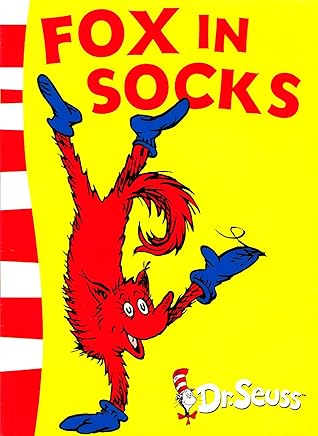
The Fox is the energetic, inventive force behind the story. He invents elaborate tongue-twisters and persistently presents them to Mr. Knox. The Fox delights in word play and enjoys seeing Mr. Knox struggle. He is clever, quick-thinking, and relentless in his pursuit of fun.
Mr. Knox
Mr. Knox is the straight man to Fox's antics. He is polite and patient at first, but quickly becomes frustrated with the Fox's increasingly complex rhymes. Mr. Knox is earnest and well-meaning, but uncomfortable with word games. He represents the average reader's struggle with tongue-twisters.
Chicks
These minor characters appear as part of the tongue-twisters. They perform silly actions, such as sitting on bricks. Their main purpose is to complicate the rhymes and add visual and verbal chaos.
Mr. Brown
Mr. Brown is a supporting character who appears in one of the Fox's tongue-twisters. He is mostly a prop for the rhyme, with no significant personality traits.
Tweedle Beetles
The Tweedle Beetles are involved in the book's most famous tongue-twister. They are part of a complicated scene involving bottles, paddles, and battles. Their role is to push the tongue-twister to its most complex form.
Character Traits
| Character Name | Key Traits | Evidence from Text |
|---|---|---|
| Fox | Clever, mischievous, persistent | Creates complex tongue-twisters, never gives up |
| Mr. Knox | Patient, polite, frustrated, earnest | Tries to keep up, expresses his frustration |
| Chicks | Silly, energetic | Involved in playful rhymes |
| Mr. Brown | Neutral, passive | Present in rhyme, not active |
| Tweedle Beetles | Competitive, chaotic, persistent | Engage in a complex, ongoing battle |
Character Background
Fox
The Fox's background is not explicitly provided, but his personality is clear. He is a lover of wordplay and mischief. The Fox may represent the playful side of childhood, always looking for fun and challenge. He is the initiator, always pushing the boundaries of language.
Mr. Knox
Mr. Knox's background is also not described in detail. He seems to be an ordinary, sensible character who prefers simplicity over complexity. His reactions suggest he has little experience with tongue-twisters and is easily overwhelmed by chaos.
Chicks
The Chicks are generic supporting characters. They serve to complicate the tongue-twisters and add a sense of whimsy to the story. Their background is not relevant to the plot.
Mr. Brown
Mr. Brown is a minor character who briefly appears. His background is not given, and he exists only to serve the rhyme.
Tweedle Beetles
The Tweedle Beetles appear in the final, most complex tongue-twister. Their background is not detailed, but they symbolize the escalating complexity and absurdity of the Fox's challenges.
Character Arcs
| Character Name | Initial State | Key Changes Throughout Story | Final State |
|---|---|---|---|
| Fox | Eager to challenge | Increases complexity of tongue-twisters | Still playful and triumphant |
| Mr. Knox | Patient and polite | Grows increasingly frustrated and overwhelmed | Stands up to Fox, asserts himself |
| Chicks | Passive, involved props | Participate in escalating rhymes | Remain props, no change |
| Mr. Brown | Neutral | Briefly involved in a rhyme | Unchanged, exits quickly |
| Tweedle Beetles | Not present | Enter at climax, part of chaos | Remain in chaos |
Fox's Character Arc
At the beginning, Fox is eager and playful. He invents simple tongue-twisters, enjoying Mr. Knox's attempts. As the story progresses, Fox becomes more enthusiastic and competitive. He increases the difficulty and absurdity of the rhymes. Despite Mr. Knox's mounting frustration, Fox shows no sign of relenting. By the end, Fox remains unchanged—still mischievous, still triumphant, and proud of his linguistic prowess.
Mr. Knox's Character Arc
Mr. Knox starts as a polite and willing participant. He tries to keep up with Fox's games, but quickly finds himself overwhelmed. His frustration mounts as the tongue-twisters become more complex. In the climax, Mr. Knox finally asserts himself. He tells Fox that he has had enough, standing up for his own limits. This moment of self-assertion marks the only significant change in the story.
Relationships
| Character Pair | Nature of Relationship | Key Moments |
|---|---|---|
| Fox & Mr. Knox | Antagonist/Protagonist; playful rivalry | Fox invents rhymes; Mr. Knox tries & struggles |
| Fox & Chicks | Creator/Props | Chicks used in tongue-twisters |
| Mr. Knox & Chicks | Shared chaos | Both struggle with Fox's challenges |
| Fox & Tweedle Beetles | Creator/Props | Beetles used in climactic tongue-twister |
| Mr. Knox & Tweedle Beetles | Victim/Chaos | Mr. Knox overwhelmed by beetle battle |
Fox and Mr. Knox
This is the central relationship in the book. Fox enjoys challenging Mr. Knox, who is the unwilling participant in Fox's games. Their dynamic drives the story. Fox is mischievous, while Mr. Knox is increasingly frustrated. The relationship is competitive but not mean-spirited. It represents the playful tension between challenge and comfort.
Fox and the Chicks
Fox uses the Chicks as part of his tongue-twisters. They rarely interact directly, as the Chicks are props for the rhymes. Their relationship is one of creator and subject.
Mr. Knox and the Chicks
Mr. Knox is often caught up in the chaos caused by the Chicks. He is frustrated by their involvement in the tongue-twisters, but does not interact with them directly.
Fox and the Tweedle Beetles
The Tweedle Beetles are the ultimate props in Fox's most complex tongue-twister. Fox delights in the absurdity of the beetle battle, pushing Mr. Knox to his limit.
Mr. Knox and the Tweedle Beetles
Mr. Knox is overwhelmed by the complexity of the Tweedle Beetle sequence. It represents the peak of his frustration and confusion.
In-Depth Character Analyses
Fox
Personality and Motivation
Fox is defined by his love of fun, challenge, and wordplay. He is clever and persistent, never tiring of inventing new tongue-twisters. Fox's motivation seems to be the joy of the challenge itself. He is not malicious; he simply wants to see how far he can push Mr. Knox.
Behavioral Patterns
Fox is relentless. When Mr. Knox complains or hesitates, Fox only ramps up the complexity. He thrives on resistance and takes pride in his cleverness.
Symbolism
Fox can be seen as a symbol of childhood mischief and the thrill of linguistic play. He represents the creative, challenging aspects of language. He is the embodiment of the book's playful spirit.
Mr. Knox
Personality and Motivation
Mr. Knox is kind, patient, and earnest. He wants to please Fox but quickly becomes overwhelmed. His main desire is for simplicity and understanding, not chaos.
Behavioral Patterns
Mr. Knox tries his best to keep up, but his patience wears thin. He expresses his frustration directly, yet remains polite. Eventually, he asserts himself.
Symbolism
Mr. Knox represents the reader, especially children who may struggle with the book's tongue-twisters. His arc mirrors the experience of being challenged and learning to set boundaries.
Chicks
Personality and Motivation
The Chicks are playful and energetic, though their personalities are not well-developed. They exist mainly to complicate the tongue-twisters.
Behavioral Patterns
They follow the Fox's lead, participating in increasingly absurd scenarios.
Symbolism
The Chicks add a layer of whimsy and chaos, representing the unpredictable nature of language.
Mr. Brown
Personality and Motivation
Mr. Brown is a flat character. He appears only as required by the rhyme and is not given a personality.
Behavioral Patterns
He is passive and does not interact with other characters meaningfully.
Symbolism
Mr. Brown is a device for the rhyme, not a fully developed character.
Tweedle Beetles
Personality and Motivation
The Tweedle Beetles are persistent and competitive. They are caught in a never-ending, escalating battle.
Behavioral Patterns
They paddle and battle, adding layers of complexity to the final tongue-twister.
Symbolism
The Tweedle Beetles embody the chaos and complexity of language at its most extreme.
Character Interactions and Dynamics
| Interaction Type | Characters Involved | Description | Significance |
|---|---|---|---|
| Challenge | Fox & Mr. Knox | Fox challenges Mr. Knox with rhymes | Drives plot, creates tension |
| Escalation | Fox & Props | Fox adds Chicks, Bricks, Tweedle Beetles to rhymes | Increases complexity, tests Mr. Knox |
| Resistance | Mr. Knox & Fox | Mr. Knox objects, expresses discomfort | Builds conflict, leads to character growth |
| Chaos | Mr. Knox & Props | Mr. Knox overwhelmed by Chicks and Tweedle Beetles | Heightens stakes, creates climax |
| Resolution | Mr. Knox & Fox | Mr. Knox finally asserts boundaries | Marks end of story, lessons on limits |
Thematic Analysis through Characters
Challenge and Play
Fox's relentless challenges symbolize the joy and frustration of play, especially with language. The story examines how far one can be pushed before play stops being fun.
Learning and Limits
Mr. Knox's journey reflects the need to assert boundaries. Children, like Mr. Knox, must learn when to say "enough" in play or learning situations.
Chaos and Complexity
The supporting characters—Chicks, Mr. Brown, Tweedle Beetles—represent the increasing complexity of the challenge. Their inclusion elevates the chaos, mirroring the way language can become overwhelming.
Character Impact on Story Structure
| Character Name | How They Move the Plot | How They Affect the Theme |
|---|---|---|
| Fox | Creates each new challenge | Embodies playfulness and creativity |
| Mr. Knox | Reacts to and resists the challenges | Represents limits and frustration |
| Chicks | Complicate the tongue-twisters | Symbolize chaos and whimsy |
| Mr. Brown | Briefly supports a rhyme | No major thematic impact |
| Tweedle Beetles | Conclude the escalation, set climax | Embody ultimate complexity |
Character Development and Reader Engagement
The interplay between Fox and Mr. Knox is the heart of "Fox in Socks." The book's charm lies in the ever-increasing complexity of the rhymes and Mr. Knox's growing frustration. Young readers identify with Mr. Knox's struggle, while also laughing at the Fox's clever mischief. The minor characters add to the fun and challenge of reading aloud.
The characters support Dr. Seuss's goal: to make reading playful, challenging, and rewarding. The story encourages perseverance and shows that it's okay to say "stop" when things get too overwhelming.
Final Thoughts
"Fox in Socks" is not a character-driven narrative in the traditional sense, but its characters are crucial to its charm and effectiveness. Fox, as instigator, and Mr. Knox, as the beleaguered participant, form a classic comic duo. The minor characters heighten the chaos and fun, making the book a memorable reading experience.
Despite their simplicity, these characters are memorable and serve a vital role in engaging children with language. The interplay of challenge and resistance, chaos and order, fun and frustration, is what makes "Fox in Socks" a beloved classic.
Summary Table: Character Overview
| Character Name | Role | Traits | Arc Summary | Relationships |
|---|---|---|---|---|
| Fox | Instigator | Clever, playful, persistent | Unchanged, triumphant | Challenges Mr. Knox, uses others |
| Mr. Knox | Straight man | Patient, frustrated, earnest | Grows assertive | Victim to Fox's games |
| Chicks | Props | Silly, energetic | Unchanged | Add chaos to Fox's rhymes |
| Mr. Brown | Minor prop | Passive | Unchanged | Briefly involved with Fox's rhyme |
| Tweedle Beetles | Climactic prop | Competitive, chaotic | Unchanged | Central in final tongue-twister |
Character Quotations (Key Lines)
| Character | Quotation | Context |
|---|---|---|
| Fox | "Fox in socks, our game is done, sir." | After Mr. Knox finally objects |
| Mr. Knox | "I can't say it. I won't say it!" | Expressing frustration |
| Fox | "Try to say this, Mr. Knox, sir." | Introducing a new challenge |
Conclusion
The characters of "Fox in Socks" are simple in design yet effective in execution. Fox is the provocateur, embodying playful mischief and the love of language. Mr. Knox is the relatable everyman, struggling with the chaos of Fox’s word games. The supporting characters—Chicks, Mr. Brown, Tweedle Beetles—serve to complicate the tongue-twisters and heighten the book’s playful energy.
Through their interactions, Dr. Seuss creates a dynamic and engaging reading experience that delights, challenges, and ultimately empowers young readers. The book is a testament to the power of play, the complexity of language, and the importance of knowing one’s limits. "Fox in Socks" endures because its characters, though simple, are perfectly crafted for their purpose.


