
Estimated read time: 8 min read
One Sentence Summary
"Frog" by Mo Yan explores the complex consequences of China's one-child policy through the life of a rural midwife grappling with the moral and social implications of her work.
Table of Contents
Introduction
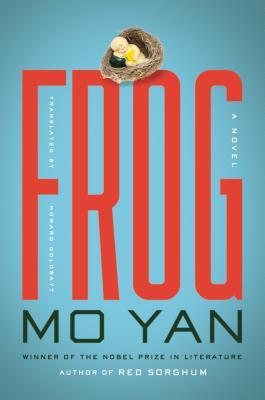
Mo Yan’s Frog is a profound and evocative novel that plunges readers into the complex social, cultural, and political undercurrents of modern China. Known for his rich storytelling and unflinching portrayal of rural life, Mo Yan uses Frog to explore the controversial subject of China's one-child policy and its far-reaching consequences. This novel is not just a story about family and tradition; it is a powerful examination of human resilience, moral ambiguity, and the intricate dance between personal choice and state control.
Celebrated with the Nobel Prize in Literature in 2012, Mo Yan’s work captures the essence of Chinese history’s turbulent transitions through a narrative that is as emotionally gripping as it is intellectually stimulating. Frog stands out as a significant literary contribution that challenges readers to confront difficult questions about ethics, identity, and societal change.
Historical Context
The One-Child Policy and Its Impact
China's one-child policy, introduced in 1979, was a radical government initiative aimed at controlling the country’s rapidly growing population. This policy mandated that most couples could have only one child, with exceptions varying by region and ethnicity. While it successfully slowed population growth, it also led to complex social issues such as gender imbalances, forced abortions, and profound ethical dilemmas.
Mo Yan’s Frog is deeply rooted in this historical context, illustrating the human stories behind the headlines and statistics. The novel reflects the intense pressure exerted by the state on individuals, especially in rural areas where traditional values often clashed with government mandates.
Rural China in the Late 20th Century
The setting of Frog mirrors a time when China was undergoing rapid transformation—from a predominantly agrarian society to an emerging global economic powerhouse. Rural communities faced severe hardships, including poverty, limited access to healthcare, and the struggle to adapt to new policies. The novel’s rural backdrop provides a vivid canvas that contrasts the personal and political, the intimate and the institutional.
Brief Synopsis
Plot Overview
Frog follows the life of Tadpole, a Chinese writer and narrator, as he reflects on the life of his aunt, Gugu (meaning "Aunt Frog"), a midwife who becomes a central figure in the enforcement of the one-child policy. The story unfolds through Tadpole’s recollections, weaving between past and present, personal and political.
Gugu, once a compassionate caregiver, becomes a symbol of the policy’s harsh enforcement—she performs abortions and sterilizations, sometimes against the wishes of the women involved. The novel explores her internal conflicts, the consequences of her actions on families, and the societal transformations that ripple through rural China.
Setting
Set primarily in rural China during the late 20th century, the novel vividly captures the atmosphere of villages grappling with government mandates and traditional customs. The changing seasons, the rhythm of village life, and the intricate social fabric are portrayed with sensory detail, enriching the reader’s immersion into the setting.
Main Characters
| Name | Role | Key Traits | Importance to the Plot |
|---|---|---|---|
| Tadpole | Narrator/Writer | Reflective, observant, conflicted | Provides perspective and frames the story |
| Gugu | Midwife/Aunt | Strong-willed, compassionate yet conflicted | Central figure enforcing family planning |
| Tadpole’s Father | Farmer | Traditional, pragmatic | Represents rural values and generational tensions |
| Village Women | Various | Victims and survivors | Illustrate the human cost of policy |
Plot Summary
Early Life and Aspirations
The novel begins with Tadpole’s memories of his childhood and the influential role his aunt Gugu played in the village. She was once revered for her skills as a midwife and healer. However, with the advent of the one-child policy, her role dramatically shifts from caregiver to enforcer.
Gugu’s Transformation
Gugu’s transformation is the emotional core of the narrative. Initially empathetic, she becomes a figure torn between duty and morality. Her participation in forced abortions and sterilizations weighs heavily on her conscience, revealing the personal toll of political policies.
Societal Repercussions
As the story progresses, the novel explores the broader effects of the policy on families and communities. It depicts heartbreak, resistance, and adaptation. The narrative highlights how individuals navigate the tension between compliance and rebellion, tradition and change.
Tadpole’s Reflections
Through Tadpole’s eyes, readers witness the long-term impact of these events. His writing offers a meta-narrative on memory, storytelling, and the search for understanding in a rapidly changing world.
Themes and Motifs
The Conflict Between Tradition and Modernity
One of the central themes of Frog is the tension between deeply rooted cultural traditions and the imposition of modern state policies. The novel examines how rural communities reconcile—or fail to reconcile—these conflicting forces.
Moral Ambiguity and Human Complexity
Mo Yan does not present characters as purely heroic or villainous. Instead, Frog delves into the moral complexities faced by individuals navigating difficult choices, emphasizing empathy and understanding over judgment.
The Body and Autonomy
The novel poignantly addresses issues of bodily autonomy and state control, particularly through Gugu’s role in reproductive healthcare. It raises profound ethical questions about the limits of government intervention in private lives.
Memory and Storytelling
The narrative structure of Frog emphasizes the power of memory and storytelling as tools for grappling with history and identity. Tadpole’s reflections underscore how personal and collective histories intertwine.
Literary Techniques and Style
Narrative Structure
Frog employs a nonlinear narrative, with frequent shifts between past and present. This structure mirrors the fragmented nature of memory and allows Mo Yan to gradually reveal layers of the story.
Symbolism
The title itself, Frog, is symbolic. Frogs often represent fertility and transformation in Chinese culture, encapsulating the novel’s themes of birth, life, and change. Gugu’s nickname deepens this symbolism, linking her identity to both creation and destruction.
Realism and Magical Realism
While grounded in stark realism, Mo Yan’s prose occasionally incorporates elements of magical realism, enhancing the emotional resonance and thematic depth. His vivid descriptions and earthy humor create a rich, immersive reading experience.
Language and Style
Mo Yan’s writing is known for its lyrical yet accessible style. He balances poetic imagery with straightforward language, making complex societal issues relatable and engaging.
Author's Background
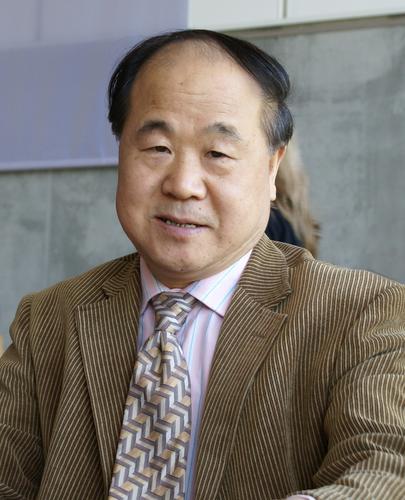
Mo Yan (pen name meaning “Don’t Speak”) is the pen name of Guan Moye, a Chinese novelist born in 1955 in Gaomi, Shandong Province. His upbringing in a rural farming community profoundly influenced his literary themes and style. Mo Yan’s works often blend folklore, history, and contemporary social critique.
His acclaimed novels—including Red Sorghum and Big Breasts and Wide Hips—explore the struggles of ordinary people against the backdrop of China’s turbulent 20th century. Awarded the Nobel Prize in Literature in 2012, Mo Yan is recognized for his ability to portray the complexity of Chinese society with unflinching honesty and artistic innovation.
Key Takeaways
- Frog offers a nuanced exploration of China’s one-child policy and its human consequences.
- The novel highlights the moral ambiguity faced by individuals caught between state demands and personal ethics.
- Mo Yan’s storytelling emphasizes the power of memory and narrative to process historical trauma.
- The rural setting provides a vivid backdrop that contrasts tradition with modernity.
- Frog challenges readers to consider the balance between societal good and individual rights.
Reader's Takeaway
Readers of Frog will find themselves deeply moved by the emotional complexity and ethical dilemmas portrayed. The novel encourages empathy for those living under immense social pressure and invites thoughtful reflection on the costs of political policies on personal lives.
The narrative’s blend of humor, tragedy, and insight makes the book accessible yet profound. It offers a compelling lens through which to understand contemporary China and universal themes of family, identity, and moral choice.
Conclusion
Mo Yan’s Frog stands as a masterful literary work that transcends cultural boundaries to address universal questions about human dignity, memory, and the often painful price of progress. Through the intimate story of Gugu and Tadpole, readers gain a multifaceted understanding of China’s one-child policy and its reverberations across generations.
This novel is essential reading for anyone interested in modern Chinese literature, social history, or the ethical complexities of state power. Its rich narrative and thematic depth invite readers to engage in meaningful dialogue about the intersections of personal and political life.
For students, lecturers, and general readers alike, Frog provides a compelling, thought-provoking journey—one that lingers long after the final page is turned. Exploring this book further promises rich rewards in understanding not only China’s past but also the enduring human spirit.
Frog FAQ
What is the main theme of the book 'Frog' by Mo Yan?
'Frog' primarily explores the complex and often painful consequences of China's one-child policy, focusing on themes of family, responsibility, and social change.
Who is the protagonist of 'Frog'?
The protagonist is Tadpole, a writer who reflects on his aunt Gugu’s life and her role as a midwife during the enforcement of the one-child policy.
How does Mo Yan portray the one-child policy in 'Frog'?
Mo Yan presents the one-child policy with nuance, showing both its intended social benefits and the personal tragedies and moral dilemmas it caused.
What narrative style is used in 'Frog'?
'Frog' is written in a reflective, semi-autobiographical style, blending fiction with historical and social commentary.
Is 'Frog' based on true events?
While 'Frog' is a work of fiction, it draws heavily on real historical events and social realities surrounding China's family planning policies.
What is significant about the character Gugu in 'Frog'?
Gugu is a complex character—she is a midwife who enforces the one-child policy but also struggles with the ethical implications of her actions.
Has 'Frog' received any notable awards?
'Frog' helped solidify Mo Yan’s reputation as a major literary figure and contributed to his winning the Nobel Prize in Literature in 2012.
What cultural insights does 'Frog' provide?
'Frog' offers deep insights into rural Chinese life, traditional family values, and the societal impact of government policies.
Is 'Frog' suitable for readers unfamiliar with Chinese history?
Yes, though some background on China's one-child policy might enhance understanding, the novel provides enough context for general readers.
Where can I find an English translation of 'Frog'?
English translations of 'Frog' are available through major book retailers and libraries, often translated by Howard Goldblatt.



