
Estimated read time: 7 min read
One Sentence Summary
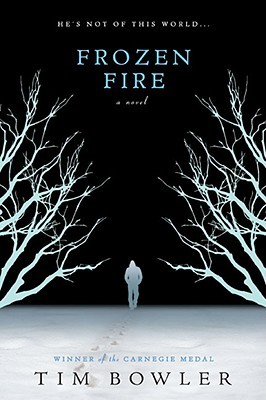
"Frozen Fire" by Tim Bowler is a gripping young adult novel about a boy who discovers a mysterious, injured stranger and becomes entangled in a suspenseful journey of secrets and survival.
Table of Contents
Introduction
Tim Bowler’s Frozen Fire is a compelling young adult novel that intertwines mystery, psychological depth, and haunting suspense. Since its publication, the book has captivated readers with its intense emotional landscape and enigmatic plot. It stands out not only as a thrilling narrative but also as a study of human resilience and the intricate dynamics of memory and identity. This summary delves into the novel’s core elements, providing college students and lecturers with an insightful overview that bridges literary analysis and reader engagement.
Historical Context
Frozen Fire was published in 1999, a period when young adult literature began embracing darker, more complex themes. The late 20th century saw a surge in novels exploring psychological trauma, self-discovery, and identity crises, reflecting broader societal conversations around mental health and adolescence. Bowler’s work fits squarely within this trend, offering a narrative that challenges readers to confront uncomfortable truths about memory and trust. Although not directly tied to specific historical events, the novel’s exploration of psychological tension mirrors the era’s growing awareness of trauma’s impact.
Brief Synopsis
Plot Overview
At its heart, Frozen Fire is a gripping mystery revolving around two teenagers, Nik and Jess, whose lives intersect under extraordinary circumstances. Nik discovers Jess unconscious and apparently injured at the bottom of a cliff. When she wakes, she has no memory of who she is or how she got there. Nik takes it upon himself to protect her and unravel the mystery of her identity and the events leading to her fall. As Nik delves deeper, the narrative unfolds layers of suspense, emotional turmoil, and dark secrets, culminating in a revelation that challenges perceptions and tests their survival instincts.
Setting
The novel is set in a small, somewhat isolated town on the English coast. The rugged cliffs and the omnipresent sea create a backdrop of natural beauty tinged with menace. This setting contributes significantly to the novel’s atmosphere, evoking feelings of isolation and danger while underscoring the characters' emotional states. The cold, often bleak environment mirrors the internal struggles the characters face, enhancing the novel’s psychological tension.
Main Characters
| Name | Role | Key Traits | Importance to Plot |
|---|---|---|---|
| Nik | Protagonist | Compassionate, determined, introspective | Central figure who discovers Jess and seeks to uncover the truth |
| Jess | Mysterious Girl | Amnesiac, vulnerable, enigmatic | Catalyst for the plot’s mystery and emotional core |
| Mr. Jessup | Antagonist Figure | Secretive, menacing | Represents the threat and hidden dangers surrounding Jess |
| Nik’s Father | Supporting Character | Absent, troubled | Adds depth to Nik’s background and emotional complexity |
Plot Summary
Discovery and Rescue
Nik’s discovery of Jess at the cliff’s edge is the novel’s inciting incident. His immediate decision to help her establishes his character as empathetic and courageous. Jess’s amnesia introduces the central mystery, creating narrative tension as readers, alongside Nik, seek to piece together her past.
Building Trust and Unveiling Secrets
As Nik shelters Jess, their relationship evolves from strangers to confidants. The novel explores themes of trust and vulnerability here. Nik’s protective instincts clash with his uncertainty about Jess’s true identity. Simultaneously, subtle clues hint at a darker past, increasing suspense.
Confrontation with Reality
The middle sections reveal fragments of Jess’s memories and the dangers she escaped. Nik faces external threats linked to Jess’s past, heightening the stakes. This section blends psychological drama with physical peril, demonstrating Bowler’s skill in pacing and mood control.
Climax and Resolution
Without revealing spoilers, the climax involves a confrontation that forces both characters to confront their fears and truths. The resolution ties together emotional and narrative threads, offering catharsis while leaving room for reflection on the story’s deeper questions about identity and trust.
Themes and Motifs
Identity and Memory
Central to Frozen Fire is the exploration of how memory shapes identity. Jess’s amnesia symbolizes the fragility of self-knowledge and the quest for truth. The novel prompts readers to consider how much of who we are depends on our memories and experiences.
Trust and Vulnerability
The novel examines the complexities of trust, especially in uncertain circumstances. Nik and Jess must navigate their vulnerabilities carefully, reflecting broader themes of human connection and the risks inherent in opening oneself to others.
Survival and Resilience
Physical and psychological survival are repeatedly tested. The harsh coastal environment and the characters’ internal struggles underscore resilience as both a theme and a motif. The novel suggests that survival is as much about emotional endurance as physical endurance.
Isolation and Connection
The setting amplifies feelings of isolation, which contrasts with the developing bond between Nik and Jess. This tension highlights the human need for connection even in the bleakest circumstances.
Literary Techniques and Style
Tim Bowler employs a narrative style marked by vivid imagery, tight pacing, and psychological depth. His prose is accessible yet evocative, making the novel appealing to young adult readers while maintaining literary sophistication.
Narrative Structure
The story unfolds primarily through Nik’s perspective, providing intimate access to his thoughts and emotions. This limited viewpoint enhances suspense, as readers discover facts alongside the protagonist.
Symbolism
The cliffs and the sea serve as potent symbols of danger, change, and the subconscious. The title Frozen Fire itself evokes paradox—something seemingly contradictory that reflects the novel’s exploration of conflicting emotions and situations.
Realism and Psychological Depth
While the plot contains thriller elements, Bowler grounds it in realistic emotional experiences. The portrayal of trauma, trust issues, and adolescent turmoil adds authenticity and depth.
Author's Background
Tim Bowler is a British author renowned for his contributions to young adult literature. His works often blend mystery with psychological insight, appealing to readers seeking both entertainment and depth. Bowler’s background in literature and his interest in exploring complex emotional landscapes inform his writing style. Other notable works include Storm Catchers and River Boy, which similarly delve into themes of identity and personal challenge.
Bowler’s impact lies in his ability to address serious themes within accessible narratives, making his books valuable resources for educators and students studying contemporary young adult fiction.
Key Takeaways
- Frozen Fire offers a nuanced exploration of memory’s role in shaping identity.
- The novel challenges readers to consider the nature of trust and vulnerability.
- Bowler’s use of setting and symbolism enhances thematic depth.
- The psychological realism enriches the thriller narrative, providing emotional resonance.
- The story encourages reflection on resilience in the face of physical and emotional adversity.
Reader's Takeaway
Readers are likely to find Frozen Fire both thrilling and thought-provoking. The emotional intensity and moral ambiguities invite readers to empathize deeply with the characters’ struggles. For students and lecturers, the novel provides fertile ground for discussions on narrative technique, theme analysis, and character development. Its balance of suspense and psychological insight ensures a memorable reading experience that resonates beyond the final page.
Conclusion
Tim Bowler’s Frozen Fire is more than a young adult thriller; it is a profound meditation on identity, memory, and human connection. Its evocative setting and compelling characters draw readers into a world where survival means confronting not only external threats but also internal demons. This summary has outlined the novel’s key aspects, inviting readers to explore its layers and appreciate its literary craftsmanship. Whether for academic study or personal enrichment, Frozen Fire stands as a significant work that continues to engage and inspire.
Frozen Fire FAQ
What is the main plot of 'Frozen Fire' by Tim Bowler?
'Frozen Fire' follows the story of a boy named Luke who is haunted by the mysterious death of his father. As he uncovers secrets about his past and the village he lives in, he embarks on a journey filled with suspense, supernatural elements, and self-discovery.
Who is the target audience for 'Frozen Fire'?
'Frozen Fire' is primarily aimed at young adult readers, but its themes of mystery, identity, and emotional struggle make it appealing to adult readers who enjoy psychological thrillers and supernatural stories.
What are some key themes explored in 'Frozen Fire'?
The book explores themes such as grief and loss, the search for identity, the power of memory, and the conflict between reality and the supernatural.
Is 'Frozen Fire' part of a series or a standalone novel?
'Frozen Fire' is a standalone novel by Tim Bowler and does not belong to any series.
How does the setting influence the story in 'Frozen Fire'?
The remote and atmospheric setting of the village plays a crucial role in creating a mood of mystery and tension, influencing the characters' emotions and the unfolding of the plot.
What genre does 'Frozen Fire' belong to?
'Frozen Fire' is a blend of psychological thriller, mystery, and supernatural fiction.
Are there any notable awards or recognitions for 'Frozen Fire'?
'Frozen Fire' has received critical acclaim for its gripping narrative and emotional depth, and Tim Bowler is an award-winning author known for his young adult novels.
What is the writing style of Tim Bowler in 'Frozen Fire'?
Tim Bowler's writing in 'Frozen Fire' is atmospheric and evocative, with a focus on creating suspense and exploring the protagonist's inner emotions.
Can 'Frozen Fire' be used for educational purposes?
Yes, 'Frozen Fire' is often used in educational settings to discuss themes of adolescence, grief, and psychological complexity, as well as to analyze narrative techniques.


