

Synopsis
Covers the whole plot, including the ending.
- Difficulty
- Easy
- Pacing
- Moderate
- Mood
- Quirky, Humorous, Romantic, Bittersweet, Reflective
- Read it if
- You enjoy quirky, supernatural high school stories with a blend of humor, romance, and a touch of the macabre, or if you've ever felt invisible and yearned to be seen.
- Skip it if
- You prefer realistic fiction, are sensitive to themes of death played for dark humor, or dislike stories with a strong 'mean girl' dynamic (even if it's subverted).
Ghostgirl Plot Summary
Covers the whole plot, including the ending.
The Unseen Girl
Charlotte Usher is an overlooked high school student at Hawthorne High. She is obsessed with fitting in with the popular crowd, especially the 'Wenches'—Petula, Scarlet, and Wendy. Her main goal is to get the attention of Damen Dylan, the most popular boy in school. She plans her senior year carefully, believing it is her last chance to be noticed. Charlotte spends her days watching popular students, dreaming of a life where she is included. She even imagines conversations with Damen, practicing how she would act if he ever spoke to her. Her existence feels like a perpetual shadow, a ghost even before her actual death, as she navigates the social hierarchy of Hawthorne High.
A Gummy Bear's Demise
During a boring English class, Charlotte secretly eats gummy bears. Distracted, she chokes on one, her airway blocked. She tries to signal for help, but her classmates and teacher, Ms. O'Shaughnessy, ignore her. She dies in a room full of people, completely unseen and unheard, mirroring her life's struggle for recognition. Her death is ordinary, anticlimactic, and tragically fitting for a girl who felt invisible, reinforcing her deepest fears about her significance.
Awakening in the Afterlife
Charlotte awakens in a strange, dimly lit place that looks like a high school, but with an eerie, otherworldly feel. She quickly realizes she is dead and has arrived at a purgatory for deceased teenagers. This 'afterlife high school' is filled with other dead students, all stuck between worlds. She meets a group of 'ghost-kids' who are also trying to understand their new existence. The rules of this afterlife are unclear, and Charlotte is disoriented, still clinging to her earthly desires, especially the yearning for popularity and a connection with Damen Dylan. Her new reality is a bizarre mirror of the life she just lost.
Meet the Ghost-Kids
In the afterlife, Charlotte meets a diverse group of ghost-kids. Among them are the sarcastic and gloomy Scarlet, who died in an accident, and the artistic, free-spirited Wendy, who died from a brain aneurysm. These are not the popular 'Wenches' she knew in life, but rather a collection of outcasts, much like Charlotte herself. Despite their differences, they form an unlikely bond, navigating the strange rules and boredom of their new existence together. They share stories of their deaths and their lingering attachments to the living world, with Charlotte still primarily focused on Damen and her social aspirations.
The Ghostly Prank
Still obsessed with Damen Dylan, Charlotte plans to get his attention from the afterlife. She convinces Scarlet and Wendy to help her stage a ghostly intervention. Their goal is to create supernatural occurrences that will make Damen notice her, even if he doesn't know it's her. They try to move objects, cause strange noises, and subtly influence events around him. Their initial attempts are clumsy and often fail, showing their inexperience as ghosts. However, Charlotte is determined, believing that if she can just make Damen acknowledge her existence, even after death, it will validate her life.
Possession and Petula's Popularity
Charlotte discovers that ghosts can possess the living, and she sees this as her chance to experience the popular life she always wanted. She targets Petula, the queen bee of the Wenches, and successfully possesses her body. For a brief time, Charlotte enjoys Petula's popularity, attending parties, interacting with Damen, and experiencing the social acceptance she was denied in life. However, she quickly realizes that Petula's life is not as perfect as it seems. The constant pressure to maintain an image, the shallowness of the interactions, and the underlying insecurities make her question if popularity is truly what she desires, showing her the emptiness of her former aspiration.
Damen's Grief and the Séance
Surprisingly, Damen Dylan is deeply affected by Charlotte's death. He feels guilt and regret, believing he could have done something to help her. This unexpected grief makes him withdraw and question his own life. Petula, seeing an opportunity to regain Damen's attention and solidify her social standing, organizes a séance, supposedly to contact Charlotte's spirit. Charlotte, still a ghost, observes this, feeling a mix of bittersweet triumph that Damen cares, and frustration at Petula's manipulation. The séance becomes a central event for both the living and the dead, bringing Charlotte closer to her ultimate goal.
The Truth Revealed
At the height of the séance orchestrated by Petula, Charlotte takes her chance. With the combined help of Scarlet and Wendy, Charlotte manages to appear more clearly than ever before. She creates undeniable signs, moving objects and causing a chill in the room, specifically targeting Damen. She projects her thoughts and feelings, making him realize that the ghost is indeed Charlotte. This moment is a powerful breakthrough, as Damen finally acknowledges her, not just as a ghost, but as the Charlotte he overlooked. It is a poignant and public validation of her existence, fulfilling her lifelong wish, though in an unusual way.
The First Kiss
Following her appearance at the séance, Charlotte and Damen share an emotional connection that goes beyond life and death. Damen, now aware of Charlotte's presence, communicates with her, expressing his regret and growing affection. In a tender moment, they share their first kiss. It is an ethereal experience, a meeting of spirits and a sign of their connection. This kiss marks a shift for Charlotte; her obsession with popularity fades, replaced by the genuine love and acceptance she finds with Damen, proving that true connection is more important than social status.
The Choice and the Crossing
As Charlotte's connection with Damen deepens, she is given a choice by the mysterious figures who oversee the afterlife. She can remain as a ghost, tied to the living world and Damen, or she can choose to 'cross over' to the next stage of the afterlife, a journey that would mean leaving Damen behind forever. This decision weighs heavily on her. Her time as a ghost has taught her lessons about self-worth and the true meaning of connection, challenging her initial desires for popularity. She realizes that her journey is not just about being seen, but about understanding herself.
A bittersweet Farewell
After much thought, Charlotte makes the difficult but selfless decision to cross over. She realizes that staying with Damen as a ghost would prevent both of them from fully living (or moving on). She shares a final, heartfelt farewell with Damen, assuring him of her love and encouraging him to live his life fully. This act of letting go shows her growth from a girl desperate for attention to a mature spirit embracing her destiny. It is a bittersweet moment, full of love and sorrow, but also peace and acceptance. Charlotte's journey ends with this profound act of self-discovery and sacrifice.
New Beginnings
Having made her choice, Charlotte crosses over, leaving the earthly plane and the purgatorial high school behind. She steps into a new, brighter realm of the afterlife, accompanied by Scarlet and Wendy, who also choose to move on. Here, she finds a sense of belonging and peace she never experienced in life. Her journey from an invisible girl to a self-assured spirit is complete. She has learned that true popularity comes from within, and that genuine connections are more valuable than superficial social status. Charlotte, no longer defined by her past desires, is finally free to embrace her eternal future.
Principal Figures
Charlotte Usher
Protagonist
A perpetually invisible high school student who dies and becomes a ghost, still yearning for popularity.
Charlotte Usher is the central protagonist, a socially awkward and insecure teenager who feels utterly invisible at Hawthorne High. Her primary motivation in life is to achieve popularity and win the affection of Damen Dylan. She is an observer, meticulously studying the popular crowd, but lacks the confidence to truly engage. After her untimely death by gummy bear, her desires initially remain the same, driving her ghostly antics. She is earnest, a bit naive, and deeply longs for connection and validation.
Relationships: Damen Dylan (Object of her affection, later her ghostly love interest.); Scarlet (Sarcastic ghost friend and confidante.); Wendy (Artistic ghost friend and confidante.); Petula (Rival for Damen's attention, queen bee of the Wenches.)
Damen Dylan
Love Interest
The popular and handsome boy at Hawthorne High, initially oblivious to Charlotte, but later deeply connected to her.
Damen Dylan is the quintessential popular high school boy, charming, athletic, and seemingly perfect. He is initially unaware of Charlotte's existence, representing the unattainable ideal she strives for. His character develops significantly after Charlotte's death, as he grapples with unexpected grief and guilt, realizing his superficiality. He is kind-hearted beneath his popular facade and capable of deep emotion, eventually forming a profound connection with Charlotte.
Relationships: Charlotte Usher (Object of her affection, later her ghostly love interest.); Petula (Ex-girlfriend, part of the popular crowd.)
Scarlet
Supporting
A cynical and sarcastic ghost-kid in the afterlife, who becomes Charlotte's loyal friend.
Scarlet is one of the first ghost-kids Charlotte befriends in the afterlife. She is characterized by her sharp wit, cynicism, and a perpetually gloomy demeanor, often making dark jokes about their predicament. Despite her tough exterior, Scarlet is fiercely loyal to her friends and possesses a hidden vulnerability. She died in a tragic accident involving a bus and carries a lot of unresolved feelings, which she masks with sarcasm. She acts as a grounded, albeit morbid, voice of reason for Charlotte.
Relationships: Charlotte Usher (Close ghost friend and confidante.); Wendy (Close ghost friend and confidante.)
Wendy
Supporting
An artistic and free-spirited ghost-kid, Charlotte's other close friend in the afterlife.
Wendy is the third member of Charlotte's ghost-kid trio. She is portrayed as artistic, gentle, and somewhat ethereal, often expressing herself through drawings and a dreamy perspective. Wendy died from a brain aneurysm, a sudden and unexpected end to her life. She is a calming presence, often offering a more optimistic or philosophical viewpoint compared to Scarlet's cynicism. She is supportive of Charlotte's endeavors, even the more outlandish ones, and provides emotional balance to the group.
Relationships: Charlotte Usher (Close ghost friend and confidante.); Scarlet (Close ghost friend and confidante.)
Petula
Antagonist/Rival
The queen bee of Hawthorne High's popular crowd, Charlotte's rival for Damen's affection.
Petula is the embodiment of everything Charlotte aspires to be in life: popular, beautiful, and the center of attention. She is the leader of the 'Wenches' and Damen Dylan's ex-girlfriend. Petula is vain, manipulative, and often cruel, using her social power to maintain her status. She is driven by a need for attention and control, especially over Damen. When Charlotte possesses her, the reader gets a glimpse into the pressures and insecurities that lie beneath Petula's perfect facade, revealing her own vulnerabilities.
Relationships: Damen Dylan (Ex-girlfriend, still seeks his attention.); Charlotte Usher (Rival, later unknowingly possessed by Charlotte.)
Ms. O'Shaughnessy
Mentioned/Minor
Charlotte's English teacher, whose obliviousness contributes to Charlotte's unnoticed death.
Ms. O'Shaughnessy is Charlotte's English teacher, a figure of authority who, like most others, fails to notice Charlotte's presence. She is depicted as somewhat detached and absorbed in her own world, delivering lectures while Charlotte chokes to death in her classroom. Her obliviousness serves as a poignant symbol of Charlotte's invisibility in life and the tragically mundane circumstances of her death. She represents the adult world's detachment from the intricate social struggles of teenagers.
The Wenches (Scarlet and Wendy in life)
Supporting/Rivals
The popular clique at Hawthorne High, led by Petula, embodying Charlotte's aspirations.
In life, the Wenches are the popular girl clique at Hawthorne High, consisting of Petula, Scarlet, and Wendy. They represent the pinnacle of social status that Charlotte desperately craves. While Petula is the clear leader, the other two (who share names with Charlotte's ghost friends, creating a deliberate irony) follow her lead. They are initially depicted as shallow and self-absorbed, reinforcing the superficiality of Charlotte's initial desires. Their presence highlights Charlotte's outsider status.
Relationships: Petula (Leader of the clique.); Charlotte Usher (Subject of Charlotte's observation and longing.)
Themes & Insights
The Desire for Visibility and Acceptance
This is the novel's main theme. Charlotte's entire existence, both before and after death, is driven by her desperate need to be seen, acknowledged, and accepted by her peers, especially the popular crowd. Her ghostly actions are all attempts to make her presence known, ending with her appearance to Damen at the séance. The irony is that she becomes truly 'visible' only after she is physically gone, highlighting the often-unseen struggles of adolescents. The theme explores the universal human need for belonging and the lengths one might go to achieve it.
“I was invisible. I was a ghost. I was dead.”
The Superficiality of Popularity
The novel critiques the empty promise of high school popularity. Charlotte's obsession with the Wenches and Damen Dylan is slowly deconstructed. When she possesses Petula, she experiences the 'popular' life firsthand, only to find it filled with stress, pretense, and a lack of genuine connection. This experience teaches her that the perceived glamour of popularity often hides deep insecurities and superficial relationships, ultimately not providing the fulfillment she truly seeks. Her journey reveals that true happiness lies in authentic connections, not social status.
“Being popular wasn't what I thought it would be. It was just another kind of prison.”
Life, Death, and the Afterlife
The book explores life, death, and what might lie beyond in a whimsical yet thought-provoking way. Charlotte's death is sudden and ordinary, yet it opens the door to a unique afterlife that mirrors her earthly existence. The 'afterlife high school' is a purgatory where souls must come to terms with their pasts before moving on. The narrative uses the supernatural to examine existential questions, such as what defines a person after death, what unfinished business ties us to the living, and the process of letting go and finding peace.
“Sometimes you have to die to really live.”
Finding True Connection
Ultimately, Charlotte's journey is about discovering the value of true connection over superficial acceptance. Her bond with Damen, formed across the veil of death, is deeper and more meaningful than any interaction she had with the popular kids. More importantly, her friendships with Scarlet and Wendy provide her with genuine support and understanding, something she lacked in life. These relationships teach her the importance of being seen and loved for who she truly is, not for any fabricated popular image. This theme culminates in her decision to move on, prioritizing Damen's future and her own spiritual growth.
“It wasn't about being seen by everyone anymore. It was about being truly seen by someone.”
Plot Devices & Literary Techniques
The Afterlife High School
A purgatorial setting where deceased teenagers reside, mirroring their unfinished earthly lives.
This is the primary setting for much of Charlotte's post-death journey. It functions as a unique form of purgatory, a high school for ghosts who have unfinished business or unresolved issues from their living days. It's a place where they learn to navigate their new existence, interact with other deceased teenagers, and eventually decide whether to 'cross over' or remain tied to the living world. The mirroring of a high school emphasizes the idea that many adolescents die before fully figuring out who they are, forcing them to confront these issues even in death.
Ghostly Possession
The ability of ghosts to temporarily inhabit the bodies of the living.
Ghostly possession is a key plot device that allows Charlotte to directly experience the life she always coveted. By possessing Petula, Charlotte gains a first-hand, unfiltered look into the world of the popular, revealing its inherent flaws and pressures. This device is crucial for Charlotte's character development, as it directly challenges her preconceived notions about popularity and helps her realize its superficiality. It also creates comedic and dramatic situations as Charlotte struggles to control Petula's actions and thoughts.
The Unfinished Business Trope
Ghosts are tied to the living world by unresolved desires, particularly Charlotte's yearning for popularity and Damen's attention.
This classic ghost story trope is central to Charlotte's motivation. Her 'unfinished business' isn't a specific task, but rather her unfulfilled desire for visibility, popularity, and love from Damen Dylan. This unresolved emotional attachment keeps her tethered to the living world and prevents her from moving on. Her journey as a ghost is essentially the process of resolving this business, learning that true fulfillment comes from within and from genuine connection, rather than external validation. Only when she achieves this understanding can she choose to cross over.
Dramatic Irony
The audience is aware of Charlotte's ghostly presence and intentions, while most living characters remain oblivious.
Dramatic irony is prevalent throughout the novel, especially in the early stages when Charlotte is a ghost trying to interact with the living. The reader is privy to Charlotte's thoughts, feelings, and actions, knowing she is a ghost attempting to influence events, while the living characters (particularly Damen and Petula) are unaware of her spectral presence. This creates both humor and pathos, as Charlotte's desperate attempts to be noticed often go unseen or are misinterpreted, highlighting her initial invisibility even in death. It underscores the profound disconnect between Charlotte's world and the world of the living.
Ghostgirl Quotes
“Being dead wasn't all that different from being alive. Just a lot colder.”
“The problem with being invisible is that you're not really invisible. You're just ignored.”
“Sometimes the only way to get what you want is to stop wanting it.”
“Love isn't about finding someone to live with. It's about finding someone you can't live without.”
“It's hard to be a rebel when you're already dead.”
“The greatest tragedy is not death, but life without a purpose.”
“Maybe the real popularity was in being yourself, even if no one else understood it.”
“You can't really start living until you've faced your own end.”
“Sometimes, the most beautiful things are the ones you can't quite touch.”
“Friendship is about seeing people for who they are, not what they can do for you.”
“Being a ghost means you have all the time in the world, but no one to spend it with.”
“It turns out, the afterlife had its own set of cliques.”
“Everyone has a story, even the ones you can't see.”
Quiz
10 questions on the plot and the characters. Each answer comes with a short explanation.
Question 1
How did Charlotte Usher die?
- She was hit by a car.
- She choked on a gummy bear.
- She fell down a flight of stairs.
- She had a sudden heart attack.
Show answer
B. She choked on a gummy bear. Charlotte's death, a central plot point, occurs when she chokes on a gummy bear, a seemingly mundane and ironic end for someone so desperate to be noticed.
Question 2
What is the name of the 'Afterlife' high school where Charlotte ends up?
- Spirit Academy
- Doom High
- Death Prep
- Saturn Academy
Show answer
D. Saturn Academy After her death, Charlotte finds herself attending Saturn Academy, a high school for the deceased, which mirrors the social hierarchy of her living school.
Question 3
Who is the boy Charlotte is obsessed with while she is alive?
- Damen
- Blaise
- Petula
- Damen D'Angelo
Show answer
D. Damen D'Angelo Charlotte's primary crush and the object of her desire for popularity is Damen D'Angelo, the most popular boy in school.
Question 4
What is the main reason Charlotte wants to return to the living world?
- To get revenge on her bullies.
- To attend the Fall Ball with Damen D'Angelo.
- To apologize to her parents.
- To warn her friends about gummy bears.
Show answer
B. To attend the Fall Ball with Damen D'Angelo. Charlotte's driving motivation to interact with the living world, even after death, is her desire to achieve her ultimate popular-girl fantasy: attending the Fall Ball with Damen D'Angelo.
Question 5
Which of these characters is NOT one of the 'popular' girls Charlotte envies?
- Petula
- Blaise
- Candy
- Scarlet
Show answer
B. Blaise Petula, Candy, and Scarlet are the three popular girls Charlotte desperately wants to emulate and be accepted by. Blaise is a character Charlotte meets in the afterlife.
Question 6
What is the primary theme explored in 'Ghostgirl'?
- The importance of academic achievement.
- The fleeting nature of life and death.
- The desire for acceptance and the pursuit of popularity.
- The dangers of unhealthy eating habits.
Show answer
C. The desire for acceptance and the pursuit of popularity. The novel explicitly explores the universal feeling of invisibility and the extreme lengths people, especially teenagers, will go to achieve popularity and acceptance.
Question 7
What unique ability does Charlotte discover she has as a ghost, which she uses to try and influence the living world?
- She can possess people's bodies.
- She can move objects with her mind.
- She can communicate through dreams.
- She can turn visible at will.
Show answer
A. She can possess people's bodies. Charlotte learns she can possess the bodies of the living, which she uses as a means to get closer to Damen and achieve her social goals, often with chaotic results.
Question 8
Who is Petula Kensington?
- Charlotte's best friend.
- The head cheerleader and Charlotte's rival for Damen's attention.
- A teacher at Saturn Academy.
- Damen D'Angelo's sister.
Show answer
B. The head cheerleader and Charlotte's rival for Damen's attention. Petula Kensington is the quintessential 'mean girl' and head cheerleader, who is already dating Damen D'Angelo, making her Charlotte's main obstacle in her pursuit of popularity and Damen.
Question 9
What is the ultimate lesson Charlotte learns about popularity by the end of the book?
- Popularity is worth any sacrifice.
- True happiness comes from within and genuine connections, not external validation.
- Being a ghost makes it easier to be popular.
- It's impossible for anyone to truly change their social status.
Show answer
B. True happiness comes from within and genuine connections, not external validation. Through her journey as a ghost, Charlotte learns that her obsession with popularity was misguided and that genuine connections and self-acceptance are far more valuable than superficial social status.
Question 10
What is the significance of the Fall Ball in the story?
- It's where Charlotte first meets Damen D'Angelo.
- It's the event Charlotte desperately wants to attend with Damen, symbolizing her ultimate popularity goal.
- It's the night Charlotte dies.
- It's a mandatory event for all students at Saturn Academy.
Show answer
B. It's the event Charlotte desperately wants to attend with Damen, symbolizing her ultimate popularity goal. The Fall Ball serves as the pinnacle of Charlotte's living-world aspirations. Her dream of attending it with Damen D'Angelo fuels much of her ghostly interference and represents the popular life she craved.
Ghostgirl FAQ
What is the central premise of Ghostgirl and how does Charlotte Usher die?
The central premise of Ghostgirl is about an unpopular high school girl, Charlotte Usher, who dies and becomes a ghost, still yearning for popularity and the attention of her crush, Damen Dylan. Charlotte dies by choking on a gummy bear in her bedroom, an ironic and somewhat mundane end for someone who felt so insignificant in life.
Who are the 'Wannabees' and what role do they play in Charlotte's afterlife?
The 'Wannabees' are a trio of popular, beautiful, and mean girls: Petula, Scarlett, and Bethany. In Charlotte's afterlife, they continue to be her tormentors, especially Petula, who is Damen Dylan's girlfriend and Charlotte's main rival, even in death, for Damen's affection and social standing.
How does Charlotte interact with the living world after her death, particularly with Damen?
Charlotte, as a ghost, can interact with the living world in limited ways, primarily through subtle manipulations of objects and by influencing dreams. She uses these abilities to try and get Damen's attention, often by creating 'signs' or 'omens' that she hopes he will interpret as messages from her or as reasons to break up with Petula.
What is the 'Afterlife Support Group' and who are its key members?
The 'Afterlife Support Group' is a gathering of other deceased students at Hawthorne High, led by the enigmatic Mr. Perkus, who teaches them how to navigate their spectral existence. Key members include the dramatic and fashion-obsessed Prue, the intellectual and philosophical James, and the perpetually-hungry, quiet Dead Ed, all of whom offer Charlotte varying degrees of friendship and advice.
What is Charlotte's ultimate goal throughout the book, and does she achieve it?
Charlotte's ultimate goal is to become popular and win the affections of Damen Dylan, believing this will validate her existence even in death. While she does gain a form of recognition and even a connection with Damen, she ultimately learns that true happiness comes from self-acceptance and genuine relationships, not from the fleeting approval of others, leading to a more nuanced fulfillment than her initial goal.
What is the significance of the 'red string of fate' mentioned in the book?
The 'red string of fate' is a recurring motif, a metaphorical invisible thread connecting predestined lovers. Charlotte often sees herself and Damen tied by this string, fueling her belief that they are meant to be together, despite the obstacles of life and death. It symbolizes her romantic idealism and her hope for a destined connection.
How does Mr. Perkus's past influence his role as a guide for the deceased students?
Mr. Perkus reveals that he too was once a student at Hawthorne High who died tragically, and he initially struggled with his ghostly existence, much like Charlotte. His past experiences give him empathy and understanding, allowing him to guide the new ghosts with practical advice and philosophical insights gained from his own journey of acceptance and purpose in the afterlife.
Are there any clues to Charlotte's death or her invisible nature before the actual event?
Yes, the book subtly hints at Charlotte's feeling of invisibility and her impending death. Her constant struggle to be noticed, her internal monologue about being overlooked, and even the way people seem to literally 'look through' her in her living days, all foreshadow her eventual transformation into an actual ghost, making her invisibility literal.
What is the symbolic meaning behind the gummy bear that causes Charlotte's death?
The gummy bear, a common and seemingly innocent candy, symbolizes the mundane and often overlooked aspects of life that can have profound consequences. It highlights the randomness and suddenness of death, contrasting sharply with Charlotte's grand romantic aspirations and the dramatic social hierarchy she inhabits, underscoring the irony of her demise.
How does Charlotte's initial obsession with popularity reflect a common adolescent psychological struggle?
Charlotte's obsession with popularity reflects the intense adolescent need for validation, acceptance, and belonging within a social hierarchy. Her belief that popularity will bring happiness and solve her problems is a common psychological struggle for teenagers, who often equate external approval with self-worth, highlighting the pressure to conform and be seen.
How does Charlotte's ghostly existence force her to confront her own identity and self-worth?
As a ghost, Charlotte is stripped of her physical presence and the superficial markers of identity she once relied on, forcing her to look inward. She can no longer rely on clothes or social interactions in the same way, pushing her to re-evaluate what truly defines her and leading her to understand that her worth comes from within, not from external validation.
Discuss the psychological impact of being 'invisible' on Charlotte, both before and after her death.
Before death, Charlotte's perceived invisibility led to feelings of loneliness, insecurity, and a desperate yearning for recognition, shaping her self-perception negatively. After death, her literal invisibility initially amplifies these feelings, but it also paradoxically grants her a unique perspective, allowing her to observe others without being seen, which eventually aids in her personal growth and understanding of human nature.
How does the novel explore the concept of grief and loss, particularly from the perspective of the deceased?
The novel explores grief not only from the perspective of the living who mourn Charlotte but also from Charlotte's own experience of losing her life, her future, and her physical existence. She grapples with the loss of her dreams and the inability to interact with her family, forcing her to process her own 'death' and find a new purpose in the afterlife.
Is 'Ghostgirl' ultimately a cautionary tale or a story of redemption and self-discovery?
While 'Ghostgirl' contains elements of a cautionary tale about the dangers of superficiality and the pursuit of popularity, it ultimately leans more towards a story of redemption and self-discovery. Charlotte's journey through the afterlife allows her to transcend her initial shallow desires and find genuine connections and a sense of purpose, leading to profound personal growth.
How does the book's satirical tone contribute to its underlying messages about high school and social status?
The book's satirical tone, through exaggerated characters like the 'Wannabees' and the dramatic scenarios, highlights the absurdity and often cruel nature of high school social hierarchies. It uses humor to critique the superficial values placed on popularity and appearance, making its underlying messages about self-acceptance and authenticity more digestible and impactful to a young adult audience.
What is the significance of Charlotte eventually finding peace with her spectral existence rather than trying to reverse it?
Charlotte finding peace with her spectral existence signifies her acceptance of her new reality and a move beyond her initial denial and longing for her old life. It represents a profound shift from wishing to be seen in the living world to finding meaning and purpose in the afterlife, ultimately showing maturity and a form of self-actualization, where she embraces who she is, even as a ghost.
How does the ending of the book challenge conventional notions of 'happily ever after' in romance novels?
The ending of 'Ghostgirl' challenges conventional 'happily ever afters' by not having Charlotte return to life or definitively end up with Damen in a traditional romantic sense. Instead, her 'happy ending' is one of self-acceptance, finding her true place, and contributing positively to the afterlife community. This suggests that happiness can be found in unexpected forms and doesn't always conform to societal expectations of love and life.
Could Charlotte's entire afterlife experience be interpreted as a metaphor for a profound period of self-reflection and growth?
Yes, Charlotte's afterlife experience can certainly be interpreted as a metaphor for a profound period of self-reflection and growth. Her death and subsequent spectral journey represent a psychological 'death' of her old, insecure self, allowing her to gain new perspectives, learn empathy, and ultimately 'reborn' into a more confident and self-aware individual, even if literally still a ghost.
About the author

Tonya Hurley is an author known for her work in young adult fiction. Her notable book, "Ghostgirl," explores themes of life, death, and the challenges of adolescence through a unique narrative lens. Hurley's writing often blends elements of the supernatural with relatable teenage experiences.
Similar books
- The Princess Diaries
Meg Cabot
4.0 (624) average on GoodreadsYoung AdultFeatures a relatable, awkward protagonist navigating high school and self-discovery with a touch of fantasy/wish fulfillment.
- Warm Bodies
Isaac Marion
3.9 (99k) average on GoodreadsFantasyExplores a unique, supernatural romance where the protagonist is no longer fully human, dealing with themes of life, death, and transformation.
- Twilight
Stephenie Meyer
3.9 (842) average on GoodreadsLiterary FictionWhile both feature supernatural romance in a high school setting, Ghostgirl offers a lighter, more satirical tone and a protagonist who is literally unseen, rather than merely an outsider. Ghostgirl focuses more on the protagonist's journey of self-discovery through social invisibility rather than the intense, life-altering love triangle of Twilight.
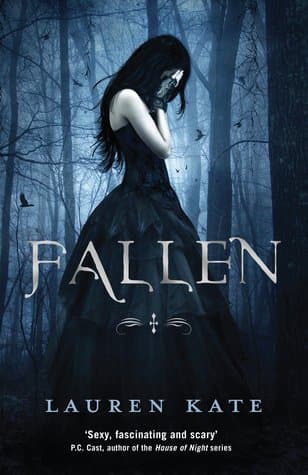
- Fallen
Lauren Kate
4.1 (2k) average on GoodreadsFantasyBoth novels explore supernatural romance, but Fallen centers on angels and demons with a more epic, destiny-driven narrative. Ghostgirl, in contrast, focuses on the mundane afterlife of deceased teenagers, providing a more grounded (if still fantastical) exploration of adolescent anxieties and the desire for a normal life, even after death.
- Harry Potter and the Sorcerer's Stone
J.K. Rowling
4.5 (7M) average on GoodreadsFantasyRescued from a miserable life under the stairs, an orphaned boy discovers he's a wizard destined for a magical school, where he uncovers a dangerous secret tied to the dark wizard who murdered his parents.
- The Hunger Games
Suzanne Collins
4.3 (6.4M) average on GoodreadsFantasyIn a future where children fight to the death on live television, Katniss Everdeen volunteers for the arena, turning a death sentence into a fight for survival and a spark of rebellion.





Enjoyed the summary?
A summary gives you the shape of the book. The book itself has the detail, the examples and the voice.
Find Ghostgirl on AmazonAs an Amazon Associate, BookBrief earns from qualifying purchases. How we're funded