
Synopsis
Covers the whole plot, including the ending.
- Difficulty
- Easy
- Pacing
- Moderate
- Mood
- Heartwarming, Hopeful, Slightly Spooky, Cultural
- Read it if
- You enjoy heartwarming graphic novels about family, illness, cultural traditions, and overcoming fear.
- Skip it if
- You prefer complex adult narratives or are not a fan of the graphic novel format.
Ghosts Plot Summary
Covers the whole plot, including the ending.
Moving to Bahía de la Luna
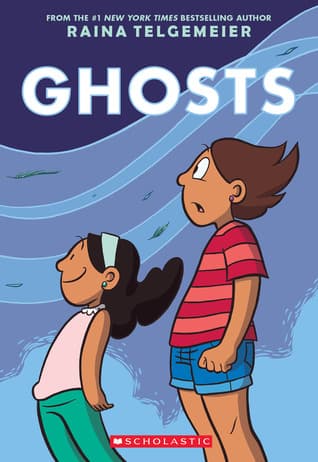
Catrina 'Cat' and her younger sister, Maya, move with their parents from Southern California to Bahía de la Luna, a small coastal town in Northern California. The move is mainly for Maya's health, as she has cystic fibrosis, and the cool, salty air helps her lungs. Cat is unhappy about leaving her friends and familiar places, showing her frustration and worry about the unknown. Maya, however, is more hopeful and excited about the new adventure. Their parents try to comfort Cat, stressing Maya's health, but Cat remains quiet and nervous about their new life.
The Ghost Tour Invitation
Soon after arriving in Bahía de la Luna, Cat and Maya meet their new neighbor, Carlos. Carlos is shy at first but then shares a big secret about the town: many ghosts live there. He invites the sisters on a 'ghost tour,' explaining that ghosts are a normal, accepted part of the community. Maya, fascinated and unafraid, is eager to go, seeing it as an exciting new experience. Cat, though, is scared of seeing spirits and wants nothing to do with Carlos's invitation, which further shows her worries about their new, unusual home.
Maya's First Ghost Encounter
Despite Cat's fear, Maya's interest in ghosts grows. She wanders off during a family outing and meets a friendly ghost named Pedro, a boy who died many years ago. Pedro is kind and playful, and Maya quickly becomes friends with him, seeing him as a new friend rather than something to fear. Cat, realizing Maya is gone, is frantic. When she finds Maya talking to an invisible entity, her fear grows, a sharp contrast to Maya's happy acceptance. This meeting confirms Maya's belief and excitement about the town's spirits, while making Cat more reluctant.
Learning About Día de los Muertos
Carlos starts teaching Cat and Maya about the local ghost traditions, especially the upcoming Día de los Muertos (Day of the Dead) celebration. He explains that on this special day, the line between the living and the dead thins, allowing ghosts to become more visible and interact with their living relatives. Carlos describes building altars (ofrendas) and offering food and memories to welcome back loved ones. Maya is thrilled by the idea of openly interacting with ghosts and possibly seeing Pedro more, but Cat stays uncomfortable and overwhelmed by the cultural differences and the constant presence of the supernatural.
Cat's Growing Fear and Isolation
As Día de los Muertos gets closer, Cat's fear of ghosts increases. She sees quick glimpses of them and feels their presence, making her more uneasy in their new home. Her fear creates a distance between her and Maya, who is embracing the town's culture. Cat feels alone, unable to share Maya's excitement and feeling like an outsider in Bahía de la Luna. Her parents, while supporting Maya's curiosity, are less aware of Cat's inner struggle, leaving Cat to deal with her fears mostly alone.
Maya's Health Worsens
During the Día de los Muertos preparations, Maya's health worsens significantly. Her cystic fibrosis symptoms get worse, leading to coughing and more tiredness. This setback reminds Cat of Maya's chronic illness and her fragile life. The worsening health scare changes Cat's view, making her realize that her fear of ghosts, while real, is less important than the chance of losing her sister. This event strengthens Cat's decision to put Maya's happiness and well-being first, even if it means facing her deepest fears.
The Ofrenda and a Shared Moment
Inspired by Carlos's explanations and her wish to make Maya happy, Cat decides to help her sister build an ofrenda in their home for Día de los Muertos. They gather photos of deceased relatives and place Maya's favorite snacks and toys on the altar. As they work, Cat starts to understand the deeper meaning of the tradition. It is a way to remember and honor loved ones, not just to fear their spirits. This act, driven by her love for Maya, is a small but important step in Cat's journey to accepting the supernatural parts of Bahía de la Luna.
Día de los Muertos Celebration
On the night of Día de los Muertos, the entire town of Bahía de la Luna comes alive with celebrations. People gather in the plaza, with colorful decorations, music, and food. Cat, still hesitant at first, is drawn into the festive mood. She sees families openly interacting with their ghost relatives, sharing laughter and stories. She sees the joy and comfort the tradition brings to the community, realizing that the ghosts are not just scary figures but loved family members. This public display of acceptance and love begins to lessen Cat's deep-seated fear.
Cat's Breakthrough and Acceptance
During the Día de los Muertos festivities, Cat has a powerful experience. She sees Pedro, Maya's ghost friend, and also meets other spirits, including her own deceased abuelo (grandfather). The spirits appear not as terrifying figures, but as gentle, translucent presences. She realizes that the ghosts are not there to harm but to connect with their living loved ones, powered by memory and affection. This direct, personal meeting, especially with her abuelo, helps Cat finally overcome her fear. She understands that the ghosts are a beautiful, essential part of life and memory in Bahía de la Luna.
A New Beginning for Cat and Maya
With her fear of ghosts gone, Cat feels peaceful and like she belongs in Bahía de la Luna. She can now share in Maya's excitement and wonder, making their sisterly bond stronger. She understands that the ghosts are part of the town's unique charm, and that accepting them means accepting her new home and its culture. The story ends with Cat feeling more at ease, having found a way to handle her worries and accept the extraordinary reality of her new life. She looks forward to her future in Bahía de la Luna, with Maya and their spectral friends.
Ghosts Characters
Catrina 'Cat' Calaveras
Protagonist
A cautious and anxious older sister who fears the supernatural.
Cat is the older sister of Maya, initially portrayed as a reluctant and anxious individual. She is deeply uncomfortable with change and is particularly terrified of ghosts and the supernatural. Her primary motivation is a fierce, albeit sometimes overprotective, love for her younger sister, Maya. Cat often internalizes her fears and struggles, making her feel isolated. Her journey revolves around confronting her deepest anxieties, not just for herself but primarily for Maya's happiness and well-being.
Relationships: Maya Calaveras (Younger sister, Cat is fiercely protective but also sometimes exasperated by Maya's fearlessness.); Carlos (Neighbor and friend who introduces her to the town's ghost culture.); Parents (Supportive, but sometimes unaware of the depth of Cat's anxieties.)
Maya Calaveras
Supporting
Cat's younger sister, living with cystic fibrosis, who is joyful and unafraid of ghosts.
Maya is Cat's younger sister and suffers from cystic fibrosis, which necessitates their move to Bahía de la Luna. Despite her illness, Maya is characterized by her boundless optimism, curiosity, and fearlessness, especially when it comes to ghosts. She quickly befriends the spirits of the town and embraces the local culture, serving as a foil to Cat's apprehension. Maya's health struggles are a central element, driving many of Cat's decisions and emotional development.
Relationships: Catrina Calaveras (Older sister, Maya looks up to her and often challenges Cat's fears.); Pedro (Ghost friend, a source of joy and wonder for Maya.); Parents (Loved and cared for, their move is for her health.)
Carlos
Supporting
A local boy who guides Cat and Maya through the town's ghost culture.
Carlos is Cat and Maya's neighbor in Bahía de la Luna. He is knowledgeable about the town's unique relationship with ghosts and the traditions surrounding Día de los Muertos. Carlos acts as a calm, patient guide, explaining the customs and the nature of the spirits to the sisters. He is instrumental in helping Cat understand that the ghosts are not to be feared but are a natural and cherished part of the community's heritage. His gentle demeanor helps to slowly chip away at Cat's initial resistance.
Relationships: Catrina Calaveras (Friend and guide, he helps her understand the town's customs.); Maya Calaveras (Friend, he shares his knowledge of ghosts with her.)
Pedro
Supporting
A friendly ghost boy who befriends Maya.
Pedro is one of the ghosts living in Bahía de la Luna. He is a young boy who died many years ago but remains a playful and friendly spirit. He quickly forms a bond with Maya, appearing to her and engaging in games. Pedro represents the benevolent and non-threatening nature of the ghosts in the town, serving as a direct counterpoint to Cat's initial perception of them as scary. His presence helps to illustrate the beauty and normalcy of the ghost population in Bahía de la Luna.
Relationships: Maya Calaveras (Close friend, he provides her with a unique form of companionship.)
Cat and Maya's Parents
Supporting
Supportive parents who prioritize Maya's health and try to ease Cat's transition.
The parents are loving and supportive figures who make the significant decision to move their family to Bahía de la Luna for Maya's health. They are generally understanding of Cat's initial unhappiness but are perhaps less aware of the depth of her fear of ghosts. They encourage both girls to adapt to their new surroundings and embrace the local culture, though they don't fully grasp the supernatural reality until later. Their primary concern is the well-being and happiness of their daughters.
Relationships: Catrina Calaveras (Parents, they try to support her despite her reluctance.); Maya Calaveras (Parents, they are dedicated to her health and happiness.)
Abuelo (Cat's Grandfather)
Mentioned
Cat's deceased grandfather, whose spirit helps her overcome her fear.
Cat's Abuelo is her deceased grandfather, who appears to her as a benevolent ghost during the Día de los Muertos celebration. His appearance is a pivotal moment for Cat, as it allows her to connect with a loved one who has passed on, making the concept of ghosts less abstract and terrifying. He represents the loving, familial aspect of the spirits in Bahía de la Luna and plays a crucial role in Cat's emotional breakthrough and acceptance of the supernatural.
Relationships: Catrina Calaveras (Grandfather, his ghost helps her overcome her fear.)
Ghosts Themes
Coping with Illness and Mortality
Maya's cystic fibrosis is a main theme. It shows how fragile life is and how chronic illness affects a family. The move to Bahía de la Luna is directly because of Maya's health, and her occasional health scares highlight the constant threat of her condition. This theme contrasts with the town's acceptance of death through its ghost culture, offering a unique view of mortality. Cat's fear of losing Maya drives her actions, pushing her to overcome her own fears for her sister's happiness, as seen when Maya's health gets worse before Día de los Muertos.
“Just because you can't see something doesn't mean it's not there. And just because you can see something doesn't mean it can hurt you.”
Acceptance of Change and the Unknown
Cat's initial dislike of moving and her deep fear of ghosts show her struggle with change and the unknown. She holds onto what is familiar and is very uncomfortable with the new, supernatural reality of Bahía de la Luna. The story follows her slow journey from fear and denial to accepting and embracing her new home and its customs. This theme is clear in her initial refusal to join Carlos's ghost tour, contrasting with her later participation in Día de los Muertos and her ability to see and interact with spirits.
“It's not about being scared, Cat. It's about remembering.”
Sisterly Love and Sacrifice
The bond between Cat and Maya is the story's emotional center. Cat's deep love and protectiveness for Maya motivate her to face her biggest fears. Despite their different personalities—Cat's worry versus Maya's hope—their connection stays strong. Cat's choice to help Maya build an ofrenda and join Día de los Muertos, despite her terror, is a powerful act of sacrifice driven by her wish for Maya's happiness, especially given Maya's illness. This theme shows how love can help people overcome personal challenges.
“I would do anything for Maya, even if it meant facing my worst fear.”
Cultural Identity and Heritage
The novel integrates Mexican cultural traditions, especially Día de los Muertos, into the story. The town of Bahía de la Luna has a strong cultural identity where the living and the dead live together peacefully. Building ofrendas, celebrating in the plaza, and remembering ancestors are central to the town's way of life. This theme explores how culture offers comfort, connection, and a unique perspective on life and death, contrasting with Cat's initial outsider view and her eventual immersion into this rich heritage.
“On Día de los Muertos, the veil between worlds is thinnest. That's when we can see our loved ones who have passed on.”
Plot Devices & Literary Techniques
Foreshadowing
Hints of future events or revelations about the town's nature.
Foreshadowing is used early in the story to establish the supernatural elements of Bahía de la Luna. Cat's fleeting glimpses of shadowy figures or a sense of being watched before she even knows about the ghosts subtly prepares the reader for the town's unique reality. Carlos's initial mysterious demeanor and his invitation to a 'ghost tour' without full explanation also serve as foreshadowing, building anticipation and setting the tone for the fantastical elements to come.
Symbolism of Día de los Muertos
The holiday symbolizes remembrance, acceptance of death, and the continuity of family.
Día de los Muertos is not just a setting but a powerful symbol in the narrative. It symbolizes the town's healthy relationship with death and remembrance, contrasting sharply with Cat's fear of it. The altars (ofrendas) symbolize the enduring connection between the living and the dead, a place where memories and love transcend physical absence. The celebration itself symbolizes community, tradition, and the idea that death is a part of life, not an end, ultimately helping Cat to reframe her understanding of mortality and the supernatural.
The 'Veil' Between Worlds
A metaphorical and literal barrier between the living and the dead.
The concept of a 'veil' between the living and the dead, which thins during Día de los Muertos, functions as a key plot device. It provides a magical explanation for the visibility and interaction of ghosts. This device not only drives the plot by setting a timeline for the most significant ghost encounters but also serves to justify the supernatural elements within the story's reality. It offers a tangible explanation for the otherwise intangible presence of spirits, making their interactions with the living more comprehensible and impactful for Cat's journey.
Character Foils
Contrasting characters highlighting each other's traits and development.
Maya serves as a significant character foil to Cat. Maya's unwavering optimism, curiosity, and fearlessness regarding ghosts directly contrast with Cat's anxiety, fear, and reluctance. This dynamic highlights Cat's internal struggles and external reactions more sharply. Maya's acceptance of the supernatural pushes Cat to confront her own fears, demonstrating the impact of their contrasting perspectives on each other's growth. The foil relationship underscores the central theme of overcoming fear through love and acceptance.
Ghosts Quotes
“There are different kinds of ghosts. Not all of them are scary.”
“Everywhere you go, there are ghosts. Of people, of memories, of feelings.”
“Sometimes you just have to do things even if they're scary.”
“I wish I could be brave like you.”
“It's okay to be scared. Everyone is scared sometimes.”
“The Day of the Dead isn't about being sad. It's about remembering and celebrating.”
“Maybe being scared is just part of it. Part of being alive.”
“We moved to Bahía de la Luna because the air is good for Maya.”
“You can't let your fear stop you from living.”
“Some ghosts are just feelings that linger.”
“It's not about being fearless, it's about doing what you need to do despite the fear.”
“We don't forget them. We remember them.”
“Being here makes me feel... closer to everything.”
“Sometimes the scariest things are the ones inside your head.”
Quiz
10 questions on the plot and the characters. Each answer comes with a short explanation.
Question 1
Why does Catrina's family move to Bahía de la Luna?
- Her parents got new jobs there.
- Maya's cystic fibrosis will benefit from the coastal air.
- They wanted to live closer to their relatives.
- Catrina wanted to go to a new school.
Show answer
B. Maya's cystic fibrosis will benefit from the coastal air. The family moves to Bahía de la Luna specifically because the cool, salty air from the sea is beneficial for Maya's cystic fibrosis.
Question 2
What is the name of Catrina's little sister?
- Mia
- Maria
- Maya
- Molly
Show answer
C. Maya Catrina's little sister, who has cystic fibrosis, is named Maya.
Question 3
What medical condition does Catrina's sister, Maya, have?
- Asthma
- Cystic fibrosis
- Diabetes
- Allergies
Show answer
B. Cystic fibrosis Maya suffers from cystic fibrosis, which is why the family moves to the coast for her health.
Question 4
What is Catrina's initial reaction to the news that there are ghosts in Bahía de la Luna?
- She is excited and wants to meet them.
- She is indifferent and doesn't care about them.
- She wants nothing to do with them and is scared.
- She tries to prove they don't exist.
Show answer
C. She wants nothing to do with them and is scared. Unlike Maya, Catrina is initially very fearful of the ghosts and wants nothing to do with them.
Question 5
What is the name of the town Catrina's family moves to?
- Bahía del Sol
- Bahía de la Luna
- Puerto Azul
- Costa Serena
Show answer
B. Bahía de la Luna The family relocates to the coastal town of Bahía de la Luna.
Question 6
What special event involving ghosts approaches as the family settles into their new home?
- A ghost parade
- A time when ghosts reunite with their loved ones
- A ghost festival
- A ghost hunting competition
Show answer
B. A time when ghosts reunite with their loved ones The story mentions that a significant time of year is approaching when ghosts reunite with their loved ones, which is a central plot point.
Question 7
What is the central internal conflict Catrina faces throughout the story?
- Her desire to make new friends versus her shyness.
- Her fear of ghosts versus her love for her sister and Maya's desire to interact with them.
- Her struggle with her grades versus her artistic passions.
- Her jealousy of Maya's attention versus her understanding of Maya's illness.
Show answer
B. Her fear of ghosts versus her love for her sister and Maya's desire to interact with them. Catrina's primary internal conflict is her deep fear of ghosts, which she must overcome for the sake of her sister Maya, who is eager to meet them.
Question 8
How does the neighbor inform Catrina and Maya about the ghosts in Bahía de la Luna?
- They see a ghost together.
- The neighbor tells them it's an open secret.
- The neighbor gives them a book about local legends.
- They overhear the neighbor talking about ghosts to someone else.
Show answer
B. The neighbor tells them it's an open secret. The neighbor is the one who reveals the secret about the ghosts in Bahía de la Luna to the girls.
Question 9
What is Maya's primary motivation regarding the ghosts of Bahía de la Luna?
- To find a cure for her illness through their magic.
- To prove to Catrina that ghosts are friendly.
- She is determined to meet one.
- To use them to scare away bullies.
Show answer
C. She is determined to meet one. Maya, in contrast to Catrina, is highly enthusiastic and determined to meet a ghost.
Question 10
What overarching theme is suggested by Catrina needing to overcome her fears 'for her sister's sake - and her own'?
- The importance of facing one's fears for personal growth and for the well-being of loved ones.
- The idea that ghosts are not as scary as they seem.
- The challenges of moving to a new place.
- The bond between siblings is always stronger than fear.
Show answer
A. The importance of facing one's fears for personal growth and for the well-being of loved ones. The phrase 'for her sister's sake - and her own' highlights the theme of overcoming personal fears not just for self-improvement, but also out of love and responsibility towards family, especially given Maya's illness.
Ghosts FAQ
What is the primary reason Catrina's family moves to Bahía de la Luna?
Catrina's family moves to Bahía de la Luna primarily because her younger sister, Maya, has cystic fibrosis. The cool, salty air from the Northern California coast is believed to be beneficial for Maya's respiratory health, offering a better environment for her condition.
How does Catrina initially feel about moving to Bahía de la Luna?
Catrina is initially unhappy about the move to Bahía de la Luna. She resents leaving her friends and her familiar life behind, feeling uprooted and isolated in the new, seemingly strange town.
What secret does a neighbor reveal to Catrina and Maya about their new town?
A neighbor named José reveals to Catrina and Maya that Bahía de la Luna is a town inhabited by ghosts. He explains that the ghosts are a normal part of the community and are often seen, especially as the Día de los Muertos festival approaches.
What are Maya's feelings about the ghosts in Bahía de la Luna?
Maya is fascinated and determined to meet a ghost. Despite her illness, she approaches the supernatural with a sense of wonder and excitement, viewing them as potential friends rather than something to fear.
What is the central conflict Catrina faces throughout the story?
Catrina's central conflict is overcoming her profound fear of ghosts to support her sister, Maya. She must learn to put aside her anxieties about the supernatural for Maya's happiness and to embrace the unique culture of Bahía de la Luna, ultimately for her own growth.
How does the annual 'Día de los Muertos' festival influence the plot?
The annual Día de los Muertos festival serves as a crucial plot device, building anticipation for the reunion of the living and the dead. It provides a deadline for Catrina to confront her fears and is the setting for the climax where she finally engages with the ghosts and experiences their peaceful nature.
What is the significance of the 'ofrendas' and offerings seen during the festival?
The 'ofrendas' and offerings signify remembrance and connection to loved ones who have passed. They are a way for the living to honor the dead, providing comfort and a sense of continuity, and they help Catrina understand the benevolent nature of the ghosts.
How does Maya's health condition, cystic fibrosis, subtly drive Catrina's actions?
Maya's cystic fibrosis subtly drives Catrina's actions by creating a constant underlying tension and a sense of urgency. Catrina often feels compelled to protect Maya and fulfill her wishes, even if it means confronting her own fears, because of Maya's fragile health and limited time.
What role does the character of José play in guiding Catrina and Maya?
José acts as a cultural guide and mentor for Catrina and Maya. He introduces them to the concept of ghosts in Bahía de la Luna, explains the traditions of Día de los Muertos, and offers a reassuring perspective on the spirits, helping Catrina to gradually understand and accept them.
How does Catrina's fear manifest psychologically throughout the story?
Catrina's fear manifests as avoidance, anxiety, and a tendency to isolate herself. She initially shies away from any mention of ghosts, experiences physical discomfort, and struggles with internal conflict as she tries to reconcile her fear with her desire to support Maya.
What psychological impact does Maya's illness have on Catrina?
Maya's illness creates a sense of protectiveness and responsibility in Catrina, but also underlying stress and a potential for grief. Catrina feels a strong need to make Maya happy and provide positive experiences, sometimes at the expense of her own comfort, due to the fragility of Maya's health.
How does Catrina's journey with the ghosts reflect a coming-of-age theme?
Catrina's journey reflects a coming-of-age theme as she confronts her fears, learns to adapt to a new environment, and prioritizes her sister's well-being over her own discomfort. Her transformation from a fearful, reluctant girl to one who embraces the unique aspects of her new home signifies her personal growth and maturity.
What is the psychological significance of Catrina learning to see the ghosts as benevolent rather than terrifying?
Catrina learning to see ghosts as benevolent signifies her ability to overcome preconceived notions and embrace new perspectives. Psychologically, it represents her moving past primal fear to a place of understanding, empathy, and acceptance of the unknown, which is crucial for her emotional well-being and integration into her new community.
Is the presence of ghosts in Bahía de la Luna meant to be literal or metaphorical?
The presence of ghosts in Bahía de la Luna is presented literally within the narrative, as characters interact with them directly. However, it also serves a metaphorical purpose, representing the unknown, change, and the way different cultures approach death and remembrance.
How does the book challenge typical perceptions of ghosts in Western culture?
The book challenges typical Western perceptions of ghosts, which often portray them as frightening or malevolent, by depicting them as friendly, integral members of the community. It emphasizes the cultural tradition of Día de los Muertos, where spirits are welcomed and celebrated, rather than feared.
What message does the story convey about embracing different cultures and traditions?
The story strongly conveys the message that embracing different cultures and traditions can lead to personal growth and understanding. Catrina's initial resistance gives way to acceptance, showing that openness to new customs, like those surrounding Día de los Muertos, can enrich one's life and perspective.
Could the ghosts be interpreted as a symbol for Maya's own fragile life and the inevitability of loss?
Yes, the ghosts could be interpreted as a poignant symbol for Maya's fragile life and the inevitability of loss. Their constant presence and the theme of remembrance subtly underscore the preciousness of life and the importance of cherishing loved ones, especially given Maya's illness.
How does the ending suggest Catrina's future relationship with Bahía de la Luna?
The ending suggests Catrina's future relationship with Bahía de la Luna will be one of acceptance and belonging. Having overcome her fears and embraced the town's unique culture, she is now more integrated and at peace, indicating she will find happiness and a sense of home there.
About the author

Raina Telgemeier is an American graphic novelist known for her engaging stories aimed at young readers. Her notable works include "Smile," which explores her childhood experiences, "Drama," a tale of middle school theater, "Sisters," a graphic memoir about family dynamics, and "Ghosts," which delves into themes of culture and loss.
Similar books
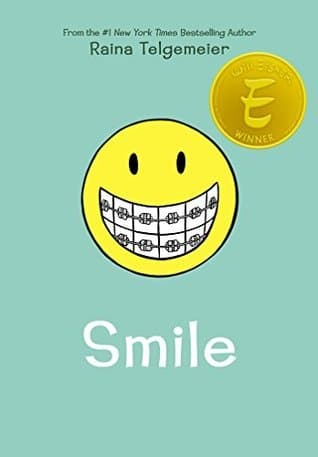
- Smile
Raina Telgemeier
4.3 (183k) average on GoodreadsChildren'sAnother bestselling graphic memoir by the same author, focusing on relatable childhood experiences.
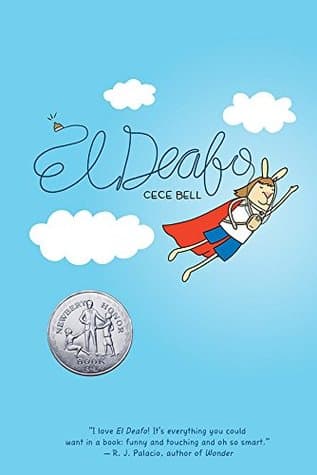
- El Deafo
Cece Bell
4.2 (59k) average on GoodreadsBiographyA graphic novel dealing with a child's health struggles and finding acceptance, with a similar heartfelt tone.
- Nineteen Eighty-Four
George Orwell
4.2 (5.5M) average on GoodreadsFictionWinston Smith dreams of truth and rebellion in a world where Big Brother watches all, but he confronts the terrifying power of a regime that controls not just actions, but thoughts.
- The Frozen River
Ariel Lawhon
4.4 (600k) average on GoodreadsFictionIn 1789 Maine, a heroic midwife's diary helps her expose a murder and get justice in a town that wants to silence her.
- A Man Called Ove
Fredrik Backman
4.4 (569k) average on GoodreadsFictionA stubborn widower, who lives by strict rules, finds his quiet world changed by a lively new family next door, making him face his past and find happiness in human connection.
- The Art of Racing in the Rain
Garth Stein
4.2 (452k) average on GoodreadsFictionThrough the eyes of Enzo, a wise and observant dog, a race car driver's family navigates a journey of love, loss, and resilience, learning that life's most important lessons often come in the curves, not just on the straightaways.




Enjoyed the summary?
A summary gives you the shape of the book. The book itself has the detail, the examples and the voice.
Find Ghosts on AmazonAs an Amazon Associate, BookBrief earns from qualifying purchases. How we're funded