

Estimated read time: 7 min read
One Sentence Summary
"Going Wild" by Lisa McMann follows a teenage girl who embarks on a transformative wilderness adventure to heal from personal loss and discover her inner strength.
Table of Contents
Introduction
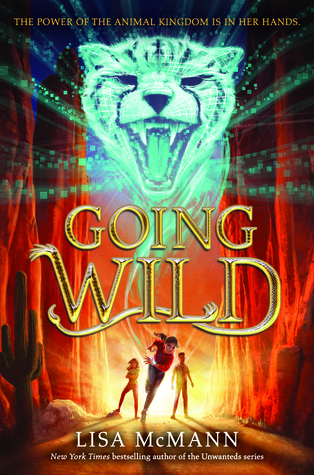
Going Wild by Lisa McMann is a gripping young adult novel that plunges readers into a suspenseful adventure filled with unexpected twists and emotional depth. Known for her ability to weave thrilling narratives that resonate with young audiences, McMann captures the essence of self-discovery and survival against a backdrop of nature's untamed wilderness. This novel stands out not only as an exciting read but also as a poignant exploration of courage, friendship, and the human spirit's resilience.
This summary aims to provide college students and lecturers with a comprehensive understanding of Going Wild, highlighting its thematic richness, narrative structure, and character development. Whether you're preparing for academic discussion or simply curious about McMann’s work, this overview offers insightful analysis without spoiling the novel’s critical surprises.
Historical Context
Though Going Wild is a contemporary novel, its setting and themes echo timeless human experiences. The story unfolds in a modern-day world where the wilderness remains a powerful symbol of freedom, danger, and the unknown. The novel reflects growing societal interests in environmental awareness and the challenges of surviving in nature, themes that resonate strongly with the 21st-century context of climate change and outdoor exploration.
McMann’s story also subtly dialogues with classic survival literature, drawing inspiration from works like Gary Paulsen’s Hatchet and Jon Krakauer’s Into the Wild. These references enrich the narrative, offering readers a modern take on the age-old human confrontation with nature.
Brief Synopsis
Plot Overview
At its core, Going Wild is the story of a young protagonist thrust into an unexpected situation where survival becomes paramount. The narrative follows the protagonist's journey from vulnerability to strength, as they navigate not only the physical challenges of the wild but also the emotional upheavals triggered by isolation and danger.
The plot unfolds with a blend of suspense, action, and introspective moments. Readers are taken on a rollercoaster ride through dense forests, unpredictable weather, and encounters with wildlife, all while unraveling personal secrets and forging new bonds.
Setting
The novel is set in a vast, untamed wilderness that serves as both a character and a crucible. The setting is meticulously described, immersing readers in the sensory experiences of the wild—the sounds of rustling leaves, the biting cold of night, and the ever-present tension of an uncertain environment.
This natural world contrasts sharply with the protagonist’s previous life, emphasizing themes of transformation and self-reliance. The wilderness is not just a backdrop but a catalyst for growth, shaping the narrative’s emotional and thematic arcs.
Main Characters
| Name | Role | Key Traits | Importance to Plot |
|---|---|---|---|
| Protagonist (Name varies by edition) | Central character | Brave, resourceful, introspective | Drives the narrative; faces survival challenges |
| Supporting Friend | Companion/ally | Loyal, empathetic | Provides emotional support and teamwork |
| Antagonist (if any) | Source of conflict | Mysterious, threatening | Creates tension and obstacles |
| Wildlife/Nature | Environmental forces | Unpredictable, majestic | Symbolizes challenge and freedom |
This table summarizes the main characters without revealing specific identities, preserving the novel’s surprises while clarifying their narrative roles.
Plot Summary
Introduction to the Wild
The story begins with the protagonist entering the wilderness, either by choice or circumstance. Early chapters set the tone with vivid descriptions of the environment and initial challenges, such as finding shelter and food. The protagonist’s internal conflicts—fear, hope, determination—are introduced here.
Rising Conflict and Survival Challenges
As the narrative progresses, obstacles intensify. Weather becomes harsh, resources dwindle, and the protagonist faces moments of doubt and danger. Encounters with wildlife and natural hazards test their skills and resolve. This section also highlights the growth of relationships with other characters, adding emotional depth.
Climax: Confrontation and Revelation
The story reaches a peak when the protagonist confronts the greatest challenge, which may include a life-threatening situation or a critical decision. This moment is charged with tension and reveals key character traits and thematic insights.
Resolution and Reflection
In the closing chapters, the aftermath of the climax unfolds. The protagonist emerges transformed, having gained not only survival skills but also profound self-understanding. The novel ends on a note that balances closure with the enduring mystery of the wild.
Themes and Motifs
Survival and Self-Reliance
One of the novel’s central themes is the struggle for survival in an unforgiving environment. McMann explores how adversity fosters self-reliance and personal growth. The protagonist’s journey symbolizes the universal human challenge of overcoming obstacles through courage and ingenuity.
Nature as a Living Entity
The wilderness is portrayed not just as a setting but as a powerful presence influencing events and emotions. This motif invites readers to reflect on humanity’s relationship with nature—both its beauty and its dangers.
Friendship and Trust
Throughout the narrative, relationships play a crucial role. Trust and companionship emerge as vital for emotional sustenance and practical survival. These connections underscore the importance of social bonds in facing life’s challenges.
Identity and Transformation
The protagonist’s experience in the wild serves as a metaphor for inner transformation. Themes of identity, self-discovery, and maturity are woven into the plot, inviting readers to consider how extreme circumstances reveal true character.
Literary Techniques and Style
Lisa McMann employs a dynamic narrative style characterized by vivid imagery and a fast-paced plot. Her use of first-person perspective immerses readers in the protagonist’s thoughts and feelings, creating an intimate and immediate experience.
Symbolism is prominent, especially in the portrayal of nature. Elements like weather, animals, and landscapes carry deeper meaning, reflecting the protagonist’s emotional states and thematic concerns.
McMann’s dialogue is natural and engaging, lending authenticity to character interactions. The pacing balances tension and reflection, maintaining reader interest while allowing space for character development.
Author's Background
Lisa McMann is an acclaimed author known for her contributions to young adult literature. With a background in education and creative writing, McMann brings a deep understanding of adolescent psychology and narrative craft to her work.
Her previous novels, such as Wake and The Unwanteds series, have garnered critical acclaim for their imaginative storytelling and emotional resonance. McMann’s writing often explores themes of identity, courage, and the supernatural, appealing to both teen and adult readers.
Her impact on the genre is significant, inspiring readers to explore complex themes through accessible and compelling stories.
Key Takeaways
- Going Wild is a compelling exploration of survival, courage, and personal growth in a natural setting.
- The wilderness serves as both a literal and symbolic landscape, shaping the protagonist’s transformation.
- Relationships and trust are crucial themes that emphasize human connection amid adversity.
- McMann’s vivid imagery and engaging narrative style make the novel both thrilling and thought-provoking.
- The story invites readers to reflect on their own capacities for resilience and self-discovery.
Reader's Takeaway
Readers can expect an emotionally engaging and intellectually stimulating experience that combines adventure with profound thematic depth. The novel’s blend of suspense and introspection offers insights into human nature and our complex relationship with the natural world. It encourages readers to consider how challenges can lead to growth and how the wild—both external and internal—shapes our identities.
Conclusion
Lisa McMann’s Going Wild stands out as a vital contribution to young adult literature, offering a richly textured narrative that is both entertaining and meaningful. Its exploration of survival, friendship, and transformation resonates across age groups and academic disciplines. This summary invites readers to delve into the novel themselves, promising a journey that is as enlightening as it is thrilling.
For students and educators, Going Wild provides fertile ground for discussions on themes of nature, identity, and resilience. Its accessible yet profound storytelling makes it an excellent choice for classroom study or personal exploration. Dive into McMann’s wild world and discover the enduring power of courage and connection.
Going Wild FAQ
What is the main theme of 'Going Wild' by Lisa McMann?
'Going Wild' explores themes of survival, adventure, self-discovery, and the connection between humans and nature.
Who is the protagonist in 'Going Wild'?
The protagonist is Stacey, a teenage girl who embarks on a challenging journey into the wilderness.
What challenges does Stacey face in the story?
Stacey faces natural obstacles in the wild, including harsh weather, dangerous terrain, and encounters with wildlife, as well as her own fears and self-doubt.
Is 'Going Wild' suitable for young readers?
Yes, 'Going Wild' is appropriate for young adult readers and those who enjoy adventure and survival stories.
What genre does 'Going Wild' fall under?
'Going Wild' is primarily a young adult adventure novel with elements of survival fiction.
Does the book include any educational content about nature or survival skills?
Yes, the book incorporates realistic survival scenarios and provides insights into wilderness skills and the natural environment.
Is 'Going Wild' a standalone book or part of a series?
'Going Wild' is a standalone novel.
What inspired Lisa McMann to write 'Going Wild'?
Lisa McMann was inspired by her interest in nature and survival stories, aiming to create an engaging tale about courage and resilience.
Where is the setting of 'Going Wild'?
The story is set in a remote wilderness area, emphasizing the isolation and challenges of surviving in the wild.


