
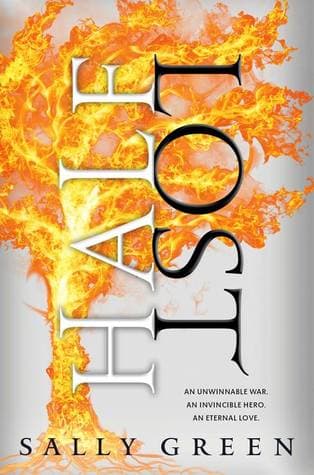
Synopsis
Covers the whole plot, including the ending.
- Difficulty
- Medium
- Pacing
- Fast
- Mood
- Dark, Intense, Emotional, Desperate, Action-packed
- Read it if
- You enjoy dark, action-packed YA fantasy with a strong focus on internal struggle, moral ambiguity, and intense relationships, and you're ready for a poignant, high-stakes conclusion to a trilogy.
- Skip it if
- You prefer lighthearted fantasy, dislike tragic endings, or are looking for a standalone novel without prior series knowledge.
Half Lost Plot Summary
Covers the whole plot, including the ending.
The War's Toll and a Desperate Search
The Alliance, led by Marcus and Nesbitt, loses ground against the White Witches' Council. Seventeen-year-old Nathan Byrn, a strong but unstable fighter, sees visions of his own death and an endless line of Hunters. He carries the weight of his kill count, a constant reminder of the war's brutality. His main goal, beyond survival, is to find the witch Ledger and get an amulet he believes is vital for the Alliance's success and his own peace. Ledger is known to have a powerful artifact, rumored to change the war's direction. Nathan's personal quest for revenge against Annalise, who betrayed him, still links to the larger conflict.
A Moment of Peace and a Difficult Choice
Amidst the harsh reality of war, Nathan finds brief moments of connection with Gabriel. Gabriel, Nathan's closest companion and lover, worries about Nathan's worsening mental state and increasing violence. He urges Nathan to leave the war behind. He suggests a life together, away from the conflict and bloodshed, where they could find peace. This creates a conflict for Nathan, torn between his love for Gabriel and his sense of duty, revenge, and the need to protect his friends and the Alliance. He struggles with the idea of a peaceful future versus the demands of his war-torn present.
The Pursuit of Ledger and the Amulet
Nathan, with Gabriel and other Alliance members, starts a dangerous mission to find Ledger. The journey is risky, involving moving secretly through White Witch territory, fighting Hunters, and facing the constant threat of capture or death. They follow clues and rumors, their path leading through desolate lands and hidden safe houses. The amulet is thought to hold great power, able to boost a witch's abilities or give a key advantage in battle, making its retrieval essential. The pressure grows as the Alliance suffers more losses, highlighting the urgency of their quest.
Confrontation with Annalise and the Truth
Nathan eventually meets Annalise, the White Witch who betrayed him earlier. The confrontation is filled with years of resentment, pain, and a desire for revenge. However, during their tense meeting, Annalise reveals her true reasons and the circumstances that led to her actions. Her explanations are not simple, showing a more complex picture of her choices and the pressures she faced within the White Witch Council. Nathan must rethink his beliefs about her, grappling with the complexity of her betrayal and the difficult moral landscape of their world. This encounter challenges his simple view of good and evil.
Ledger's Secrets and the Amulet's Power
After many trials, Nathan and his companions reach Ledger. Ledger, a powerful and mysterious witch, reveals the amulet's true nature. It is not just a power-boosting artifact but a device that can manipulate and amplify magical energies on a huge scale, possibly changing the war's direction. However, its use comes with great risks and a dark history. Ledger explains how it works and the possible results of wielding such power. Nathan realizes the amulet is a double-edged sword, offering salvation but also demanding a terrible price.
The Alliance's Last Stand
With the amulet's potential understood, the Alliance, weakened, prepares for a final battle. Marcus, Nesbitt, and the remaining fighters gather their forces, knowing this will be their last stand against the White Witch Council's large numbers and power. Strategies are discussed, and sacrifices are considered. Nathan, now with the amulet, is central to their plan, but the burden of its power and the visions of his death weigh on him. The tension is clear as they face the reality that victory is not guaranteed, and many will not survive.
Nathan's Sacrifice and the Amulet's Activation
In the final battle, as the Alliance faces defeat, Nathan makes a terrible, final choice. He understands that the amulet needs a life to unleash its full power. Remembering his visions of a golden death, he sacrifices himself to save his friends and secure a future for the Alliance. He activates the amulet, channeling immense magical energy through himself. The act is painful and overwhelming, turning him into a conduit for a power that sweeps across the battlefield, devastating the White Witch forces and turning the war in one powerful moment. His sacrifice is a profound and tragic act of love and defiance.
Gabriel's Grief and the Aftermath
After Nathan's sacrifice, Gabriel is heartbroken. He struggles to cope with the loss of the man he loved, their envisioned future shattered. The Alliance, though victorious, must rebuild, dealing with the cost of their freedom. The White Witch Council is broken, its tyranny ended, but the world is scarred. Gabriel, with other survivors like Nesbitt and Marcus, begins the difficult process of healing and rebuilding. The victory is bittersweet, overshadowed by the great personal losses suffered by those who fought for it.
A New Beginning, Without Nathan
Years pass, and the world slowly heals and rebuilds. The remaining Alliance members work to create a fairer society, free from the White Witch Council's oppression. Gabriel, still grieving Nathan's absence, dedicates himself to this new future, honoring Nathan's memory through his actions. The war's scars remain, but there is hope for a better tomorrow. Nathan's sacrifice becomes a legend, a founding story for the new generation, ensuring his courage and love are never forgotten, even as life moves on without him.
Echoes of the Past, Glimmers of Hope
The final scenes show a world changed by Nathan's actions. The divisions between White and Black Witches are not gone, but a path towards living together has been made. Gabriel, older and wiser, reflects on the past, on Nathan's spirit, his struggles, and his heroism. While the pain of loss never fully leaves, there is a sense of peace and the promise of a future where such sacrifices might not be needed. The book ends with an acknowledgment of Nathan's lasting legacy and the fragile hope for a truly free and unified magical world.
Half Lost Characters
Nathan Byrn
Protagonist
A half-code witch, burdened by his powers and the war, seeking revenge and peace.
Nathan is a seventeen-year-old half-code witch, the son of a White Witch mother and the most feared Black Witch father, Marcus. He possesses unique and formidable magical abilities, including the power to transform and a heightened sense of smell. Throughout the series, he is hunted, tortured, and forced to kill, making him increasingly volatile and hardened. He struggles with his identity, torn between the White and Black sides of his heritage, and constantly battles the darkness within himself. His primary drives are survival, protecting his loved ones, and seeking justice for the wrongs committed against him.
Relationships: Gabriel (Lover and closest confidante, a source of unwavering love and hope.); Marcus (Father, a powerful Black Witch who Nathan initially feared but eventually relies on.); Nesbitt (Mentor and friend, a pragmatic leader of the Alliance.); Annalise (Former lover and betrayer, a complex relationship of love, hate, and eventual understanding.)
Gabriel
Supporting
A Black Witch and Nathan's unwavering lover, offering emotional support and a vision of peace.
Gabriel is a kind, empathetic, and loyal Black Witch. He is Nathan's steadfast companion, confidant, and lover. Despite the brutality of the war, Gabriel maintains a strong moral compass and consistently tries to guide Nathan away from the path of violence and despair. He represents the possibility of a peaceful future and a life beyond the constant conflict. His love for Nathan is profound and unconditional, and he is willing to risk everything for Nathan's well-being and happiness. Gabriel often acts as Nathan's anchor, reminding him of his humanity.
Relationships: Nathan Byrn (Lover and closest companion, the emotional core of his life.)
Marcus
Supporting
Nathan's powerful Black Witch father, a formidable but often absent leader.
Marcus is Nathan's father, a legendary and feared Black Witch. He is incredibly powerful, ruthless, and pragmatic, often making difficult decisions for the greater good of the Black Witches and later, the Alliance. While his relationship with Nathan is complex and often strained, he cares for his son in his own way, offering guidance and protection. Marcus is a strategic thinker and a formidable fighter, playing a crucial role in leading the Alliance against the White Witch Council. He embodies the harsh realities of their world but also possesses a deep, if often unexpressed, love for Nathan.
Relationships: Nathan Byrn (Son, a complex relationship marked by fear, respect, and a developing understanding.)
Nesbitt
Supporting
A pragmatic and loyal leader within the Alliance, a mentor figure to Nathan.
Nesbitt is a capable and level-headed leader within the Alliance. She is a loyal friend and mentor to Nathan, often providing guidance and practical advice. Nesbitt is a survivor, experienced in the harsh realities of the war, and her pragmatism helps ground the more impulsive members of the Alliance. She is dedicated to the cause of freedom and works tirelessly to strategize and organize the resistance efforts. Her presence offers a sense of stability and reliability amidst the chaos.
Relationships: Nathan Byrn (Friend and mentor, offering practical guidance and support.)
Annalise
Supporting
A White Witch who betrayed Nathan, whose motivations are revealed to be more complex than they appeared.
Annalise is a White Witch who was once Nathan's lover and friend but later betrayed him, leading to his capture and torture. Her actions fueled Nathan's desire for revenge. However, as the story progresses, her character is revealed to be more nuanced. She operated under immense pressure and manipulation from the White Witch Council, making choices she believed were necessary for her own survival and the protection of others. Her internal conflict and the complex reasons behind her betrayal add depth to the narrative, challenging Nathan's simplistic view of good and evil.
Relationships: Nathan Byrn (Former lover, a relationship marked by betrayal, pain, and a difficult understanding.)
Ledger
Supporting
An enigmatic and powerful witch who possesses the crucial amulet.
Ledger is a mysterious and exceptionally powerful witch, known to possess the ancient amulet that Nathan seeks. She is a guardian of powerful knowledge and ancient magic, living in relative isolation. Ledger is not aligned with either the White or Black Witches in the traditional sense, operating on her own principles and understanding of magic. She serves as a gatekeeper to crucial information and tools, testing Nathan's resolve and understanding of the true cost of power. Her wisdom and the secrets she holds are vital to the Alliance's ultimate success.
Cora
Mentioned
Nathan's White Witch mother, whose legacy and sacrifice profoundly influenced him.
Cora is Nathan's White Witch mother, who sacrificed herself to protect him when he was a child. Although she is deceased before the events of 'Half Lost,' her memory and the circumstances of her death deeply affect Nathan. She represents the White Witch side of his heritage and the inherent conflict within him. Her love for Nathan, despite the dangers of having a half-code child, is a powerful motivator for him, shaping his understanding of family and sacrifice.
Relationships: Nathan Byrn (Mother, whose sacrifice profoundly shaped his life.)
The Council of White Witches
Antagonist
The tyrannical governing body of White Witches, responsible for the oppression of Black Witches.
The Council of White Witches represents the primary antagonistic force in the series. They are a rigid, oppressive governing body that enforces strict laws against Black Witches, persecuting and often executing them. Their ideology is rooted in purity and control, believing Black Witches to be inherently evil and dangerous. They wield immense political and magical power, driving the war against the Alliance. The Council's actions and policies are the direct cause of much of the suffering and conflict in Nathan's world, making them the ultimate symbol of the tyranny the Alliance fights against.
Half Lost Themes
The Cost of War and Survival
The novel explores the psychological and physical cost of long conflict. Nathan's rising kill count, his worsening mental state, and the constant threat of death for him and his loved ones show the devastating impact of war. The Alliance's shrinking numbers and their grim sacrifices, like Nathan's final act, show that victory often comes at a terrible price. This theme is clear in Nathan's visions of his own death and Gabriel's pleas for Nathan to leave the fight, showing the personal cost of survival.
“The war had taken so much from him, from all of them. But it had also made him into something else, something powerful and terrible.”
Love and Sacrifice
Love, in its various forms, is a driving force and a source of both strength and pain. Gabriel's unconditional love for Nathan offers him comfort and a vision of a peaceful future, serving as a hope amidst the darkness. Nathan's loyalty and love for his friends and the Alliance lead him to make the ultimate sacrifice, choosing their future over his own. The book shows that true love often demands personal sacrifice, as seen in Nathan's final act, which comes from his desire to protect those he cares about most, even if it means losing himself.
“He loved Gabriel, more than he loved life itself. And that love was the reason he had to do this.”
Identity and Duality
Nathan's identity as a half-code witch, caught between the White and Black magical worlds, is central to the story. He constantly struggles with the 'dark' nature from his father and the 'good' he seeks, influenced by his mother and Gabriel. This internal conflict is heightened by the war, forcing him to do things he hates while fighting for a just cause. The book explores how outside events and personal choices shape one's identity, and whether heritage truly dictates one's path, or if they can forge their own, often through great struggle.
“He was half-White, half-Black, and entirely lost in the space between.”
The Nature of Good and Evil
The novel challenges simple ideas of good and evil by showing morally complex characters and situations. While the White Witch Council is clearly tyrannical, individual White Witches like Annalise have complex reasons, acting under pressure or for reasons they believe are right. Conversely, Nathan, a protagonist, must commit violent acts, blurring the lines of what is 'good' in a war-torn world. The story suggests that good and evil are not fixed but are results of choice, circumstance, and the views of those involved, making moral judgments difficult.
“There were no good witches or bad witches, only witches who chose to do good or chose to do bad.”
Plot Devices & Literary Techniques
The Amulet
A powerful magical artifact capable of immense energy manipulation.
The amulet serves as a crucial MacGuffin and a catalyst for the climax. It is rumored to hold incredible power, leading Nathan and the Alliance on a perilous quest to acquire it. Once its true nature is revealed by Ledger, it becomes clear that it's not just a weapon but a device that requires a tremendous sacrifice to unleash its full potential. The amulet directly facilitates Nathan's final, self-sacrificing act, acting as the instrument through which he turns the tide of the war, making it the focal point of the narrative's resolution.
Nathan's Visions
Precognitive glimpses of the future, particularly his own death.
Nathan's recurring visions, especially those of his own 'golden death' and the endless line of Hunters, function as a form of foreshadowing. They create a sense of impending doom and inevitability, building tension throughout the narrative. These visions not only hint at the tragic climax but also serve to highlight Nathan's deteriorating mental state and his growing acceptance of his fate. They are a constant reminder of the high stakes and the potential cost of his actions, guiding his choices towards his ultimate sacrifice.
The Tally of Kills
A magical mark on Nathan's arm, counting his kills.
The tally of kills on Nathan's arm is a symbolic plot device that visually represents the psychological burden of war and the erosion of his innocence. Each mark signifies a life taken, constantly reminding Nathan and the reader of the violence he has committed. It functions as a tangible manifestation of his transformation from a hunted boy into a killer, reflecting the moral compromises he is forced to make. The tally emphasizes the theme of the cost of war and makes Nathan's internal struggle with his own 'darkness' more concrete and visceral.
Gabriel's Plea for Peace
Gabriel's consistent arguments for Nathan to abandon the war.
Gabriel's repeated attempts to convince Nathan to run away and live a peaceful life serve as a constant counterpoint to the brutal reality of the war. This device highlights Nathan's internal conflict between love and duty, and between self-preservation and sacrifice. Gabriel's pleas represent an alternative path, a vision of hope and normalcy that Nathan yearns for but ultimately cannot choose. It amplifies the tragedy of Nathan's final decision, as he foregoes the peace Gabriel offers for the greater good, making his sacrifice even more poignant.
Half Lost Quotes
“I can’t do it without you. I can’t be me without you.”
“Living takes courage. To live for yourself, to live for those you love.”
“Sometimes you have to let things go, no matter how much you want to hold on to them.”
“There are some things you can’t outrun, no matter how fast you are.”
“The hardest part of being strong is knowing when to be weak.”
“Grief is a beast, but it’s a beast you can tame, if you try.”
“You can’t choose who you love, and you can’t choose who loves you.”
“Even when everything is broken, there is still a way to put it back together, even if it’s not the same.”
“The future isn’t written. It’s a blank page, waiting for you to write on it.”
“Sometimes the greatest battles are fought within yourself.”
“Love is not a weakness. It is the greatest strength of all.”
“We are all just trying to survive, one way or another.”
“The past is a shadow that follows you, but it doesn't have to define you.”
“To truly live, you have to be willing to lose everything.”
Quiz
10 questions on the plot and the characters. Each answer comes with a short explanation.
Question 1
What is Nathan Byrn's primary personal goal in 'Half Lost' beyond helping the Alliance?
- To find a cure for his visions.
- To get revenge on Annalise.
- To escape with Gabriel to a peaceful life.
- To acquire the amulet from Ledger.
Show answer
B. To get revenge on Annalise. The summary explicitly states Nathan's personal goal is 'getting revenge on Annalise, the girl he once loved before she committed an unthinkable crime.'
Question 2
Who is Gabriel to Nathan Byrn in 'Half Lost'?
- His primary enemy in the Council of White Witches.
- A powerful White Witch protecting the amulet.
- His closest companion who urges him to run away.
- The leader of the Alliance forces.
Show answer
C. His closest companion who urges him to run away. The summary describes Gabriel as Nathan's 'closest companion' who 'urges Nathan to run away with him, to start a peaceful life together.'
Question 3
What is the primary tyrannical force the Alliance is fighting against in 'Half Lost'?
- A rogue group of Black Witches.
- The Council of White Witches in England.
- An ancient order of Hunter witches.
- A powerful individual named Ledger.
Show answer
B. The Council of White Witches in England. The summary states Nathan is 'no closer to ending the tyrannical rule of the Council of White Witches in England.'
Question 4
What specific item does Nathan believe could help save himself and the Alliance?
- A forbidden spellbook.
- A powerful wand from the past.
- An amulet protected by Ledger.
- A hidden stash of magical ingredients.
Show answer
C. An amulet protected by Ledger. The summary mentions that 'An amulet protected by the extremely powerful witch Ledger could be the tool Nathan needs to save himself and the Alliance.'
Question 5
What specific type of visions has Nathan Byrn started to suffer from?
- Visions of his past childhood memories.
- Visions of a golden moment when he dies, and an endless line of Hunters.
- Visions of Annalise seeking forgiveness.
- Visions of the Alliance winning the war effortlessly.
Show answer
B. Visions of a golden moment when he dies, and an endless line of Hunters. The summary clearly states: 'And lately Nathan has started to suffer from visions: a vision of a golden moment when he dies, and of an endless line of Hunters, impossible to overcome.'
Question 6
What is the broader thematic focus of the 'Half Bad' trilogy, as described in the summary, beyond just being a story about witches?
- A detailed history of European witch covens.
- A focus on political intrigue and alliances between nations.
- A visceral look at survival and exploitation, the nature of good and evil, and the risks for love.
- An exploration of different magical systems and their origins.
Show answer
C. A visceral look at survival and exploitation, the nature of good and evil, and the risks for love. The summary concludes by stating the book 'is more than a story about witches. It’s a heart-achingly visceral look at survival and exploitation, the nature of good and evil, and the risks we take for love.'
Question 7
Despite his rising kill count, what is Nathan's current state regarding the war against the Council of White Witches?
- He is on the verge of single-handedly winning the war.
- He is no closer to ending their tyrannical rule.
- He has successfully defeated several key Council members.
- He has made a secret alliance with a faction of the Council.
Show answer
B. He is no closer to ending their tyrannical rule. The summary states: 'Nathan’s tally of kills is rising, and yet he’s no closer to ending the tyrannical rule of the Council of White Witches in England.'
Question 8
What is the primary reason Annalise is a target of Nathan's revenge?
- She joined the Council of White Witches.
- She betrayed Nathan by revealing his location to Hunters.
- She committed an unthinkable crime against him.
- She stole a powerful magical artifact from him.
Show answer
C. She committed an unthinkable crime against him. The summary mentions Nathan's goal of 'getting revenge on Annalise, the girl he once loved before she committed an unthinkable crime.' The specific crime is hinted at as being personal and severe.
Question 9
Despite Gabriel's love and plea to run away, what is implied about its potential impact on Nathan's situation?
- Gabriel's love is guaranteed to save Nathan from the war and himself.
- Gabriel's love might not be enough to save Nathan from the war or the person he has become.
- Gabriel's love is a distraction that will ultimately lead to Nathan's downfall.
- Gabriel's love is the only thing keeping Nathan from joining the Council.
Show answer
B. Gabriel's love might not be enough to save Nathan from the war or the person he has become. The summary states: 'But even Gabriel’s love may not be enough to save Nathan from this war, or from the person he has become,' implying a significant challenge despite their bond.
Question 10
What is Nathan's current internal struggle, as indicated by the summary?
- He is struggling to learn new magical abilities.
- He is losing his mind and grappling with the person he has become.
- He is trying to decide which side of the war he truly belongs to.
- He is fighting against an internal curse placed upon him.
Show answer
B. He is losing his mind and grappling with the person he has become. The summary opens by stating Nathan 'is losing his mind' and later questions if Gabriel's love can save him 'from the person he has become,' indicating a deep internal struggle.
Half Lost FAQ
What is the central conflict Nathan Byrn faces at the beginning of 'Half Lost'?
Nathan Byrn is deeply entrenched in the war against the Council of White Witches, but the Alliance is losing, and Nathan himself is struggling with his growing kill count and deteriorating mental state. He's also driven by a personal quest for revenge against Annalise, who betrayed him, complicating his focus on the larger war.
What is the significance of the amulet protected by Ledger?
The amulet is presented as a potential weapon or tool that Nathan needs to save himself and the Alliance from the oppressive Council. Its acquisition is a significant plot point, suggesting it holds a key to turning the tide of the war or offering Nathan a personal solution.
What kind of visions does Nathan begin to experience, and what do they foreshadow?
Nathan starts experiencing two distinct visions: one of a 'golden moment' when he dies, and another of an 'endless line of Hunters.' These visions are ominous, foreshadowing his potential death and the overwhelming odds the Alliance faces, highlighting the grim reality of his situation.
What is Gabriel's role in Nathan's life during this final book?
Gabriel is Nathan's closest companion and a source of emotional support and an alternative path. He urges Nathan to abandon the war and run away with him to pursue a peaceful life, representing a powerful counter-narrative to Nathan's violent trajectory and desire for revenge.
What is the ultimate goal Nathan is trying to achieve, both for the Alliance and himself?
Nathan's ultimate goal is to end the tyrannical rule of the Council of White Witches for the Alliance. Personally, he seeks revenge on Annalise for her past betrayal, and also longs to save himself from the destructive path he's on, hinting at a desire for peace or redemption.
How does the 'golden moment' vision connect to Nathan's fate?
The 'golden moment' vision directly foreshadows Nathan's eventual death, suggesting that his demise will be significant and perhaps even beautiful or purposeful, rather than just a tragic end. It frames his sacrifice as a pivotal event, giving his death a sense of destiny.
What is the deeper meaning behind the 'endless line of Hunters' vision?
This vision symbolizes the seemingly insurmountable odds the Alliance faces, representing the vast and relentless power of their enemies. It suggests that even with Nathan's power, the sheer number of adversaries makes victory appear almost impossible, reinforcing the desperation of their situation.
How does Annalise's past crime continue to influence Nathan's actions in 'Half Lost'?
Annalise's 'unthinkable crime' fuels Nathan's desire for personal revenge, diverting some of his focus and emotional energy from the war. This unresolved personal vendetta creates internal conflict and drives some of his dangerous decisions, complicating his role as a weapon for the Alliance.
What does Ledger's protection of the amulet imply about its power and significance?
Ledger's status as an 'extremely powerful witch' guarding the amulet implies that the amulet itself possesses immense power or holds critical information. Its protection by such a formidable figure suggests it is not merely a weapon but something vital to the balance of power or the ultimate resolution of the conflict.
How does Nathan's rising kill count psychologically impact him?
Nathan's rising kill count deeply affects his mental state, leading to a loss of self and potentially contributing to his deteriorating sanity. This constant violence forces him to confront the person he has become, blurring the lines between hero and monster, and causing significant internal turmoil.
What psychological conflict does Gabriel's offer present to Nathan?
Gabriel's offer of a peaceful life creates a profound psychological conflict for Nathan, forcing him to choose between love and personal peace, or duty and revenge. It highlights his internal struggle between his desire for normalcy and the violent path he feels compelled to follow, challenging his identity as a warrior.
How does the theme of 'survival and exploitation' manifest through Nathan's character?
Nathan embodies survival and exploitation as he is constantly fighting for his life while also being used as a weapon by the Alliance. His powers are exploited for war, and his personal well-being is often secondary to the strategic needs of others, leading to his psychological breakdown.
In what ways does Nathan's transformation into a 'person he has become' reflect the nature of good and evil?
Nathan's transformation explores the blurred lines of good and evil as he commits violent acts for what he believes is a just cause. He questions if his methods, even for a 'good' outcome, make him inherently evil, forcing him to grapple with the moral implications of his actions and identity.
Is Nathan's desire for revenge against Annalise ultimately justified or a destructive obsession?
This is open to interpretation. While Annalise committed an 'unthinkable crime,' Nathan's relentless pursuit of revenge could be seen as a destructive obsession that detracts from the greater war effort and his own mental health. It highlights the moral ambiguity of his character and the corrosive nature of vengeance.
Does Gabriel's love offer a genuine escape for Nathan, or is it a temporary reprieve from his destiny?
Gabriel's love presents a powerful alternative, suggesting a genuine path to peace. However, given the overarching narrative of war and Nathan's visions of death, it could also be interpreted as a beautiful but ultimately unattainable dream, a temporary reprieve from a destiny he cannot escape, making his choice impactful.
How does the book challenge traditional notions of heroism through Nathan's character?
The book challenges heroism by portraying Nathan as a deeply flawed and morally compromised protagonist who is a 'weapon' rather than a traditional hero. His internal struggles, rising kill count, and quest for revenge complicate his heroic status, suggesting that saving the world might require morally ambiguous actions.
What is the significance of the book being set in 'modern-day Europe' for its themes?
Setting the story in modern-day Europe grounds the fantastical elements in a relatable reality, allowing the themes of war, exploitation, and moral compromise to resonate more deeply. It suggests that even in a contemporary setting, ancient conflicts and prejudices can persist, making the struggle feel more immediate and relevant.
How does 'Half Lost' contribute to the overall message of the 'Half Bad' trilogy?
As the final book, 'Half Lost' brings the trilogy's exploration of identity, prejudice, and survival to a head. It culminates Nathan's journey of self-discovery amidst extreme violence, cementing the series' message about the costs of war, the nature of power, and the enduring strength of love and personal choice in the face of adversity.
About the author

Sally Green is a British author known for her young adult fiction. She is best recognized for her "Half" trilogy, which includes "Half Bad," "Half Wild," and "Half Lost," exploring themes of magic and identity in a contemporary setting. Her works have garnered attention for their unique take on the fantasy genre.
Similar books
- The Hunger Games
Suzanne Collins
4.3 (6.4M) average on GoodreadsFantasyFeatures a young protagonist forced into brutal conflict, grappling with survival and moral compromises.
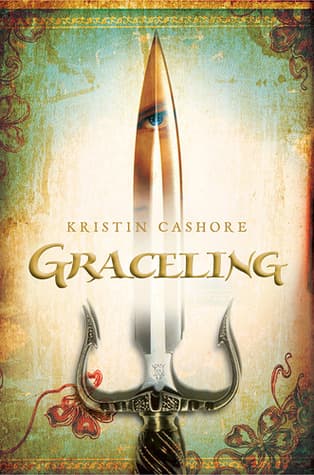
- Graceling
Kristin Cashore
4.1 (385k) average on GoodreadsFantasyFocuses on a 'graced' individual with deadly skills, navigating a world of political intrigue and personal identity.
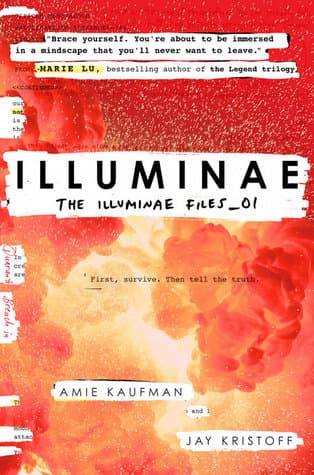
- Illuminae
Amie Kaufman
4.3 (114k) average on GoodreadsThrillerSimilar to Half Lost, Illuminae does not shy away from character deaths and morally ambiguous situations, presenting a grittier, high-stakes narrative where protagonists face dire consequences. Both series push the boundaries of YA conventions by embracing darker themes and the harsh realities of survival, though Illuminae utilizes a unique multimedia format. (Kristoff & Kaufman, 2015)
- A Court of Thorns and Roses
Sarah J. Maas
4.2 (476k) average on GoodreadsFantasyWhile both are YA fantasy, Half Lost differs from A Court of Thorns and Roses in its primary focus. Maas's series places a stronger emphasis on intricate world-building, detailed political systems, and a more prominent, often sensual, romantic arc. Green's trilogy, conversely, prioritizes the brutal realities of war and the psychological impact on its characters, with romance being a secondary, albeit significant, element. (Maas, 2015)
- Harry Potter and the Sorcerer's Stone
J.K. Rowling
4.5 (7M) average on GoodreadsFantasyRescued from a miserable life under the stairs, an orphaned boy discovers he's a wizard destined for a magical school, where he uncovers a dangerous secret tied to the dark wizard who murdered his parents.
- 1984
George Orwell
4.2 (3.1M) average on GoodreadsPoliticsIn a future where surveillance and thought control are absolute, a man's search for truth clashes with the Party, showing that hope can be a form of rebellion.




Enjoyed the summary?
A summary gives you the shape of the book. The book itself has the detail, the examples and the voice.
Find Half Lost on AmazonAs an Amazon Associate, BookBrief earns from qualifying purchases. How we're funded