

Synopsis
Covers the whole plot, including the ending.
- Difficulty
- Medium
- Pacing
- Moderate
- Mood
- Gritty, Cynical, Bleak, Alienating, Raw
- Read it if
- You appreciate raw, unvarnished coming-of-age stories, gritty realism, and explorations of alienation and the human condition through a dark, cynical lens.
- Skip it if
- You prefer optimistic narratives, polished prose, or find explicit descriptions of violence, alcoholism, and despair too challenging.
Ham on Rye Plot Summary
Covers the whole plot, including the ending.
A Miserable Childhood
Henry Chinaski's earliest memories are of the oppressive atmosphere in his parents' Los Angeles home. His father, Henry Chinaski Sr., is a bullying, often violent man who constantly belittles Henry and subjects him to arbitrary punishments, like locking him out of the house. His mother, Emily, is passive and often enables his father's behavior, offering Henry little comfort. He attends elementary school feeling like an outsider, socially awkward and small. His only solace comes from occasional visits to the library, where he discovers books, providing a temporary escape from his bleak reality. This early period establishes Henry's deep sense of alienation and resentment toward authority.
The Onset of Acne and Social Ostracization
As Henry enters his teenage years, he develops severe acne, covering his face and body with boils. This condition, combined with his awkward demeanor, makes him an outcast at school. Girls mock him, and even boys avoid him. His father responds by forcing painful, ineffective home remedies and public humiliation, blaming Henry for his appearance. The constant pain and social rejection deepen Henry's sense of worthlessness and anger. He retreats further into himself, finding solace in reading and the occasional illicit drink, which offers temporary numbness. His physical appearance becomes a constant reminder of his otherness.
First Encounters with Alcohol and Rebellion
During high school, Henry's drinking intensifies. He starts frequenting local bars with a fake ID, finding a temporary sense of belonging among other outcasts. Alcohol offers an escape from his self-consciousness and the harsh realities of his home life and school. He begins to purposefully antagonize his teachers and peers, finding satisfaction in his rebellion. His grades suffer, and his relationship with his father worsens, marked by increasingly violent confrontations. These experiences solidify his anti-establishment views and his reliance on drink, setting a pattern for his adult life.
High School and the Search for Connection
Henry navigates high school as an outcast, but still wants connection. He forms a fleeting friendship with a fellow misfit named Frank, with whom he shares cynical observations and attempts at petty rebellion. He also has his first awkward encounters with girls, which are often humiliating and reinforce his feelings of inadequacy. One incident involves a disastrous attempt to take a girl to a dance, where his social ineptitude and appearance lead to further rejection. These painful experiences contribute to his understanding of human nature and fuel his growing misanthropy, even as they highlight his deep desire for acceptance.
The Great Depression and Economic Hardship
The Great Depression casts a long shadow over Henry's formative years. His father, a former milkman, struggles to find work, often taking menial jobs and becoming more bitter. The family lives in constant fear of poverty, with arguments over money a frequent occurrence. Henry sees firsthand the desperation and hopelessness that grip many around him, reinforcing his cynical view of society and the American dream. He sees how economic hardship can crush the spirit, and this observation solidifies his rejection of conventional aspirations and his understanding of life as a struggle.
Leaving Home and the Drifter's Life
After a lackluster graduation from high school, Henry finally leaves his parents' house, a move he sees as liberation. However, freedom quickly becomes aimlessness and struggle. He takes on a series of dead-end jobs — working in a dog biscuit factory, a pickle factory, and various other manual labor positions. He drifts from cheap rooming house to cheaper rooming house, constantly broke and often hungry. His experiences in these jobs expose him to the harsh realities of working-class life and the exploitation of laborers. He continues to drink heavily, finding solace in the bottom of a bottle and in the company of other marginalized figures he meets.
Literary Awakening and the Desire to Write
Amidst his drifting and drinking, Henry's love for literature deepens. He spends countless hours in public libraries, devouring books by authors like D.H. Lawrence, John Fante, and Knut Hamsun. These writers, with their raw and honest portrayals of life, resonate deeply with Henry's own experiences and worldview. He begins to feel a desire to express himself through writing, seeing it as a potential escape from his bleak existence and a way to articulate the pain and absurdity he observes. This newfound ambition provides a glimmer of purpose in an otherwise desolate life, though the path to becoming a writer seems daunting.
Brief Encounters and Fleeting Relationships
Henry's interactions with women remain largely transactional and unfulfilling. He has brief, often awkward sexual encounters, typically with prostitutes or women he meets in bars. These relationships lack emotional intimacy and often leave him feeling more isolated. He struggles to connect on a deeper level, his self-consciousness and cynicism acting as barriers. These experiences reinforce his belief that genuine connection is elusive, and he often retreats into his own world, finding more comfort in books and alcohol than in the complexities of human relationships. Each encounter further solidifies his view of love and intimacy as unattainable.
The Cycle of Drunkenness and Despair
As the novel progresses, Henry's life settles into a grim routine. He moves from one squalid room to another, from one menial job to the next, with heavy drinking as his constant companion. He frequently finds himself without money, sometimes resorting to petty theft or scrounging for food. The despair of his situation is palpable, yet he rarely expresses it openly, instead internalizing his suffering and observing the world with detached cynicism. This period highlights the relentless grind of poverty and the numbing effect of alcohol, as Henry struggles to find meaning or stability in a world that seems determined to crush him.
Confrontations and the Rejection of Society
Throughout his early adulthood, Henry's contempt for conventional society, authority, and the 'normal' way of life grows stronger. He frequently gets into arguments or physical altercations, often fueled by alcohol, with landlords, employers, or strangers in bars. He sees hypocrisy and superficiality everywhere and refuses to conform. His interactions are often characterized by a defiant, confrontational attitude. This rejection is not merely rebellious; it stems from a deep belief that society is corrupt and meaningless, and that the only authentic path is one of individual struggle and defiance, even if it leads to further isolation.
The Enduring Loneliness
As the narrative concludes, Henry Chinaski remains a solitary figure. While he has experienced various jobs, brief encounters, and moments of despair, he has not formed any lasting, meaningful connections. His loneliness is a pervasive theme, punctuated by his reliance on alcohol and literature as his primary companions. The world has proven to be brutal and indifferent, and Henry has adapted by building walls around himself, observing humanity with a cynical eye. The novel leaves him on the cusp of his writing career, still struggling, but with an understanding that his suffering and observations might form the basis of his art.
Ham on Rye Characters
Henry Chinaski
Protagonist
A sensitive, alienated, and rebellious young man struggling through a brutal adolescence and early adulthood.
Henry Chinaski is the novel's protagonist and Bukowski's alter ego. From a young age, he is an outsider, tormented by his abusive father, neglected by his mother, and later ostracized by his peers due to severe acne. He is intelligent and sensitive, finding solace in literature, but also deeply cynical and prone to violence, fueled by alcohol. He despises authority, conventional society, and hypocrisy. His primary drive is to survive, escape his miserable circumstances, and find some form of authentic existence, often through self-destruction and rebellion.
Relationships: Henry Chinaski Sr. (Father) (Abusive, controlling, and deeply resented); Emily Chinaski (Mother) (Passive, enabling, distant, and a source of quiet disappointment); Frank (Brief, cynical high school friend); Various women (Transactional, unfulfilling sexual encounters)
Henry Chinaski Sr.
Antagonist/Supporting
Henry's abusive, authoritarian father, a symbol of conventional failure and cruelty.
Henry Chinaski Sr. is a central antagonist in Henry's early life. He is a former milkman who struggles with unemployment during the Great Depression, leading to increased bitterness and volatility. He is physically and emotionally abusive towards Henry, constantly belittling him, imposing arbitrary punishments, and blaming him for his own misfortunes. He embodies the hypocrisy and failed aspirations of the 'American dream' that Henry comes to despise. His cruelty instills in Henry a deep-seated resentment of authority and a desire for rebellion.
Relationships: Henry Chinaski (Abusive father-son relationship, marked by fear and hatred); Emily Chinaski (Dominant husband, with Emily as his submissive wife)
Emily Chinaski
Supporting
Henry's passive and ineffectual mother, who offers little protection or comfort.
Emily Chinaski is Henry's mother, a quiet and often submissive woman who largely enables her husband's abuse. While she occasionally offers Henry small comforts, she rarely intervenes to protect him from his father's cruelty. Her passivity and emotional distance contribute to Henry's sense of loneliness and abandonment. She represents a kind of tragic helplessness, trapped in a miserable marriage and unable to forge a strong connection with her son. Henry views her with a mix of pity and quiet disappointment.
Relationships: Henry Chinaski (Distant, ineffectual mother-son relationship); Henry Chinaski Sr. (Submissive wife to a dominant and abusive husband)
Frank
Supporting
A brief high school friend who shares Henry's cynical outlook and rebellious spirit.
Frank is one of Henry's few friends during his high school years. He is a fellow misfit who shares Henry's disdain for school, authority, and conventional society. They bond over their mutual cynicism, their shared experiences of alienation, and their attempts at petty rebellion. Frank provides Henry with a fleeting sense of camaraderie, a rare connection in Henry's otherwise isolated adolescence. Their friendship is short-lived, reflecting the transient nature of Henry's early relationships.
Relationships: Henry Chinaski (Brief, cynical high school friendship)
The Great Depression
Mentioned
The pervasive economic hardship that shapes the characters' lives and the novel's backdrop.
While not a character in the traditional sense, the Great Depression acts as a powerful, ever-present force in the novel. It is the backdrop against which Henry's family struggles, exacerbating his father's bitterness and forcing Henry into a life of poverty and transient labor. Its effects are seen in the widespread unemployment, the dilapidated living conditions, and the general sense of despair that permeates society. The Depression shapes Henry's cynical worldview and his understanding of life as a constant struggle for survival.
D.H. Lawrence
Mentioned
An author whose works inspire Henry's literary awakening.
D.H. Lawrence represents the literary figures and works that deeply influence Henry Chinaski. Henry discovers Lawrence's books in the public library and finds in them a raw honesty and a departure from conventional morality that resonates with his own burgeoning worldview. Lawrence's writing, along with that of other authors like John Fante, inspires Henry's own desire to write and provides a sense of intellectual and emotional escape from his dismal reality. He is a symbol of the alternative path Henry seeks.
Relationships: Henry Chinaski (Literary inspiration and mentor figure)
Mrs. Finkelstein
Supporting
A landlady who briefly employs Henry and embodies the mundane struggles of the working class.
Mrs. Finkelstein is a landlady who gives Henry a job tending to her property. She is a practical, hardworking woman who represents the everyday struggles of people trying to make ends meet during the Depression. Her interactions with Henry are largely transactional, and she sees him primarily as a worker. She is neither kind nor cruel, but simply pragmatic, reflecting the harsh realities of survival. Her character highlights the monotonous and often unrewarding nature of the odd jobs Henry takes on.
Relationships: Henry Chinaski (Employer-employee relationship)
The Prostitutes/Bar Women
Supporting
The women Henry encounters in bars and brothels, representing fleeting, transactional relationships.
These unnamed women represent Henry's early sexual experiences and his inability to form meaningful emotional connections. They are often prostitutes or women he picks up in bars, and his interactions with them are characterized by a lack of intimacy and a transactional nature. They reflect Henry's deep-seated loneliness and his struggle with vulnerability, as well as the casual, often brutal, sexual landscape of his early adulthood. They are temporary figures in his life, serving as brief distractions from his pervasive isolation.
Relationships: Henry Chinaski (Brief, transactional sexual encounters)
Ham on Rye Themes
Alienation and Loneliness
From his earliest childhood, Henry Chinaski is an outsider, feeling disconnected from his family, peers, and society. His abusive home life, severe acne, and cynical worldview isolate him, driving him to seek solace in books and alcohol. This theme shows in his inability to form lasting relationships, his preference for solitary activities like reading, and his constant sense of being 'other.' Even when surrounded by people, such as in bars or workplaces, Henry often feels profoundly alone, observing humanity from a distance. His alienation becomes a defining characteristic, shaping his resilience and his eventual path as a writer.
“I was an outcast. I was always an outcast. The more I tried to be like them, the more they hated me. I was a freak.”
The Brutality of Poverty and the American Dream's Failure
The novel is set against the Great Depression, and poverty is a relentless force shaping Henry's life. His father's struggles with unemployment and the family's constant financial insecurity highlight the harsh realities of economic hardship. Henry sees how poverty can crush spirits, make people desperate, and strip away dignity. The 'American Dream' is a cruel illusion, particularly for the working class. Henry's experiences with dead-end jobs and transient living reinforce his cynicism about societal promises and his rejection of conventional aspirations, leading him to embrace a life outside the mainstream.
“It was a Depression, all right. The Depression had been going on for years and it was going to go on for years more. It was a good thing to be born into if you wanted to learn about life.”
Rebellion and Anti-Establishment Sentiment
Henry Chinaski's life is a continuous act of rebellion against authority and societal norms. From defying his abusive father to antagonizing teachers and rejecting conventional jobs, he constantly pushes back against expectations. His drinking, his choice of literature, and his desire to write are all forms of defiance against a world he perceives as hypocritical and oppressive. This rebellion is not always conscious or political; it often stems from a visceral rejection of anything that seeks to control or diminish him. It is his way of asserting his individuality and maintaining a sense of self in a hostile environment.
“They all wanted me to be something I wasn't. They wanted me to be a good boy, a good student, a good worker. But I couldn't be any of those things.”
The Search for Authenticity and Self-Discovery
Despite the misery and aimlessness, Henry's journey is a search for an authentic self. He rejects the superficiality he sees in others and in societal expectations, often choosing a path of hardship and isolation in pursuit of what feels real. His discovery of literature, particularly authors who write with raw honesty, becomes a catalyst for this search. Alcohol, while destructive, also helps remove inhibitions and confront harsh truths. His experiences, no matter how brutal, forge his unique voice and perspective, ultimately leading him toward writing as the truest expression of his authentic self.
“I was looking for something, anything, that felt real. Everything else felt like a lie.”
The Destructive and Redemptive Power of Art
While Henry's early life is dominated by drinking and despair, art, specifically literature, is a redemptive force. His hours spent in public libraries, devouring books by authors like D.H. Lawrence, provide an escape, an education, and a sense of connection he lacks in real life. These books not only introduce him to different worlds and ideas but also validate his own feelings of alienation and anger. The realization that writing can express his brutal experiences and observations eventually gives his life purpose, transforming his suffering into potential art. This theme highlights how creativity can arise from the darkest of circumstances.
“The library saved me, not my parents, not the schools, not the church. The library.”
Plot Devices & Literary Techniques
First-Person Narrative (Chinaski's Voice)
The story is told entirely from Henry Chinaski's subjective, raw, and unvarnished perspective.
The novel is narrated in the first person by Henry Chinaski, allowing readers direct access to his thoughts, feelings, and cynical observations. This unfiltered voice is characterized by its bluntness, dark humor, and lack of sentimentality, mirroring Bukowski's signature style. The first-person perspective immerses the reader in Henry's internal world, making his alienation and suffering deeply personal. It also allows for subjective interpretations of events, as Henry's biases and resentments color his descriptions of other characters and situations, reinforcing his role as an unreliable yet compelling narrator.
Bildungsroman (Coming-of-Age Story)
The narrative traces Henry Chinaski's development from childhood into early adulthood.
Ham on Rye functions as a dark Bildungsroman, chronicling Henry Chinaski's formative years from early childhood through his twenties. The novel focuses on his psychological and moral growth, or lack thereof, as he navigates a brutal home life, social ostracization, poverty, and his earliest experiences with alcohol, sex, and work. While it follows the traditional structure of a coming-of-age story, it subverts the typical positive trajectory, depicting a protagonist who becomes hardened and cynical rather than integrated into society. His 'education' comes from the streets and bars, not formal institutions.
Symbolism of Alcohol
Alcohol serves as both a destructive coping mechanism and a temporary escape from reality.
Alcohol is a pervasive symbol throughout the novel, representing Henry's primary coping mechanism for dealing with pain, loneliness, and the harshness of his life. It is both destructive, leading to poor decisions and further despair, and paradoxically, a source of temporary solace and courage. It allows him to numb his feelings, interact with others, and briefly escape the anxieties of his existence. The act of drinking, often alone or with other outcasts, symbolizes his rejection of conventional society and his embrace of a self-destructive yet authentic path.
The Motif of Physical Deformity (Acne)
Henry's severe acne symbolizes his internal and external alienation and suffering.
Henry's debilitating acne is a powerful and recurring motif. It is not merely a physical ailment but a symbol of his profound otherness and the internal torment he experiences. The boils and sores on his face and body make him physically repulsive to others, leading to social ostracization and deepening his sense of self-loathing. It represents the visible manifestation of his suffering and isolation, a constant reminder of his inability to fit in. His father's cruel reactions to it further underscore the theme of abuse and the lack of compassion in Henry's life.
Ham on Rye Quotes
“That's the trouble with the world. We've got too many people on the top and not enough on the bottom.”
“I was an observer, and I liked it that way. I was a spectator of my own life.”
“The world was a great put-on. The world was a put-on, and I was on the put-on.”
“How in the hell could a man enjoy being awakened at 6:30 AM, by an alarm clock, leap out of bed, dress, force-feed, shit, piss, brush teeth, comb hair, and fight traffic to get to a place where essentially you made money for someone else and were asked to be grateful for the opportunity?”
“I felt like I was living in a dream, and not a very good one.”
“I didn't want to be a man. I wanted to be a worm.”
“Alcohol is probably the greatest of all problem solvers.”
“It was impossible to get a bad education in our schools. It was impossible to get a good one either.”
“I was just another body, another statistic, and I liked it that way. It was a good way to be.”
“People are strange: they are constantly angered by trivial things, but on a grand scale, they are silent.”
“The only good thing about a man is that he can die.”
“I was going to be a great writer. I was going to be the greatest writer of all time. I was going to write a book that would change the world.”
“There was no answer, there was never any answer. There was only the next thing.”
“It was a good life, if you didn't weaken.”
Quiz
10 questions on the plot and the characters. Each answer comes with a short explanation.
Question 1
What is the name of Henry Chinaski's alter ego, as presented in 'Ham on Rye'?
- Charles Bukowski
- Henry Chinaski
- John Fante
- William Saroyan
Show answer
B. Henry Chinaski The protagonist and narrator of 'Ham on Rye' is Henry Chinaski, who serves as Charles Bukowski's alter ego.
Question 2
During which major historical period does Henry Chinaski's coming-of-age primarily occur in the novel?
- World War I
- The Roaring Twenties
- The Great Depression
- World War II
Show answer
C. The Great Depression The novel explicitly states that Henry's coming-of-age takes place during 'the desperate days of the Great Depression'.
Question 3
What country does Henry Chinaski's childhood begin in, before moving to the United States?
- England
- Germany
- France
- Russia
Show answer
B. Germany The synopsis mentions Henry's 'harrowingly cheerless childhood in Germany' before his family moved.
Question 4
What physical ailment does Henry suffer from during his high school years, heavily impacting his self-esteem?
- Asthma
- A broken leg
- Severe acne
- Blindness
Show answer
C. Severe acne The synopsis specifically mentions 'acne-riddled high school years,' which is a significant part of Henry's struggle.
Question 5
Which author's collection at the Los Angeles Public Library is mentioned as one of Henry's adolescent discoveries?
- Ernest Hemingway
- F. Scott Fitzgerald
- D. H. Lawrence
- John Steinbeck
Show answer
C. D. H. Lawrence The synopsis explicitly states Henry's discovery of 'the Los Angeles Public Library's collection of D. H. Lawrence.'
Question 6
What recurring theme in 'Ham on Rye' is exemplified by Henry's difficult childhood and his struggles to connect with others?
- The pursuit of the American Dream
- The celebration of family values
- Alienation and social isolation
- The triumph of optimism
Show answer
C. Alienation and social isolation The description highlights Henry's 'long, lonely years' and portrays him as an 'outcast,' directly pointing to themes of alienation and isolation.
Question 7
What is one of the primary coping mechanisms Henry discovers and frequently engages with during his adolescence?
- Organized sports
- Religious devotion
- Alcohol consumption
- Academic excellence
Show answer
C. Alcohol consumption The synopsis lists 'his adolescent discoveries of alcohol, women, and the Los Angeles Public Library's collection of D. H. Lawrence.'
Question 8
How does the narrative voice of 'Ham on Rye' contribute to its overall tone and portrayal of Henry Chinaski's experiences?
- It uses an overly formal and academic style, contrasting with the crude subject matter.
- It adopts a highly romanticized and sentimental tone, idealizing Henry's struggles.
- It employs a 'raw voice' that is 'crude, brutal, and savagely funny,' reflecting Henry's reality.
- It is detached and objective, offering no insight into Henry's internal thoughts.
Show answer
C. It employs a 'raw voice' that is 'crude, brutal, and savagely funny,' reflecting Henry's reality. The description explicitly states the book is told 'in the raw voice of alter ego Henry Chinaski' and offers a 'crude, brutal, and savagely funny portrait.'
Question 9
The title 'Ham on Rye' is an allusion to what common experience or theme in Henry Chinaski's life?
- His love for gourmet food and fine dining.
- The simple, often unappealing, and mundane aspects of his impoverished existence.
- A specific sandwich he always ate during a moment of profound happiness.
- A metaphor for his desire to travel the world.
Show answer
B. The simple, often unappealing, and mundane aspects of his impoverished existence. While not explicitly in the synopsis, the title 'Ham on Rye' is widely interpreted as symbolizing the bleak, uninspired, and common fare of poverty and a struggle for basic sustenance, reflecting Henry's 'hardscrabble youth' and the 'desperate days of the Great Depression.'
Question 10
What kind of 'portrait' of an outcast's coming-of-age does 'Ham on Rye' aim to provide, according to the description?
- A sanitized and idealized portrait.
- A purely tragic and mournful portrait.
- A crude, brutal, and savagely funny portrait.
- A scholarly and analytical portrait.
Show answer
C. A crude, brutal, and savagely funny portrait. The synopsis directly states that 'Ham on Rye' offers a 'crude, brutal, and savagely funny portrait of an outcast's coming-of-age.'
Ham on Rye FAQ
What is the central conflict or struggle Henry Chinaski faces throughout his youth?
Henry Chinaski's central struggle is his profound alienation and inability to connect with societal norms or his peers. He constantly feels like an outsider, battling the expectations of his abusive father and the superficiality he perceives in school and social interactions, leading to a deep sense of loneliness and rebellion.
How does Henry's relationship with his father shape his early life and personality?
Henry's relationship with his father is characterized by severe physical and emotional abuse, leading to a deep-seated resentment and a hardened, cynical worldview. This constant threat of violence makes him withdrawn, distrustful of authority, and fuels his later anti-establishment sentiments and desire for escape.
What role does Henry's mother play in his development, and how does it differ from his father's influence?
Henry's mother is largely passive and submissive, often failing to protect him from his father's abuse, which contributes to Henry's feeling of abandonment and lack of a strong emotional anchor. While she offers fleeting moments of tenderness, her inability to intervene effectively solidifies Henry's sense of isolation and his disillusionment with traditional family structures.
How does Henry's severe acne affect his social interactions and self-perception during adolescence?
Henry's severe acne, particularly his boils, profoundly exacerbates his existing feelings of ugliness and alienation, making him even more socially awkward and self-conscious. It serves as a visible manifestation of his internal turmoil and reinforces his outcast status, driving him further into isolation and resentment towards others.
What are some of Henry's early coping mechanisms for dealing with his difficult home life and social struggles?
Henry initially copes by withdrawing into himself, reading voraciously at the public library, and developing a detached, cynical observational style. Later, he discovers alcohol as a potent escape, using it to numb his pain and temporarily alleviate his social anxieties, setting a pattern for his adult life.
Are there any subtle indications of Henry's future as a writer within the narrative, beyond his reading habits?
Yes, beyond his extensive reading, Henry often observes his surroundings and the people in them with a keen, almost journalistic eye, mentally cataloging their flaws and absurdities. His internal monologues are frequently sharp and critical, demonstrating an early inclination towards detailed observation and a unique voice, even if not yet channeled into formal writing.
Does the book offer any clues about why Henry's father is so abusive, or is it left as an unexplained aspect of his character?
While not explicitly stated, the book subtly hints at Henry's father's own insecurities and failures, particularly during the Great Depression. His inability to find steady work and maintain his perceived status likely fueled his frustrations, which he then projected onto Henry through violence, seeking to control at least one aspect of his chaotic life.
Are there any recurring symbols or motifs that foreshadow Henry's later life or philosophical outlook?
The image of the horse races, which Henry occasionally attends, symbolizes the arbitrary nature of luck and the allure of fleeting escape, foreshadowing his adult fascination with gambling and his often-fatalistic worldview. The constant presence of poverty and decay also reinforces his cynical perspective on the 'American Dream'.
How does Henry's early encounter with D.H. Lawrence's books at the library influence his nascent understanding of sexuality and rebellion?
Reading D.H. Lawrence introduces Henry to a world of raw, uninhibited sexuality and a critique of societal repression, which deeply resonates with his own burgeoning desires and rebellious spirit. It provides him with an intellectual framework for his anti-conformist leanings and validates his unconventional thoughts on human nature.
How does Henry's experience with the school system contribute to his sense of alienation and his anti-authoritarian stance?
The school system, with its rigid rules, superficial social hierarchies, and uninspiring curriculum, alienates Henry by failing to engage his intellect or address his emotional needs. He perceives it as another oppressive institution, reinforcing his distrust of authority figures and solidifying his anti-authoritarian mindset.
To what extent does Henry's physical appearance (acne, height, general unkemptness) contribute to his psychological development and self-image?
Henry's physical appearance is central to his psychological development, as his severe acne and perceived ugliness are constant sources of shame and rejection. This leads to a profound sense of inferiority, social anxiety, and a defensive, cynical shell that protects him from further hurt, shaping his self-image as an undesirable outcast.
Analyze Henry's attraction to women who are also outcasts or perceived as 'damaged,' such as the girl he dates who has a difficult home life.
Henry is often drawn to women who are themselves outcasts or 'damaged' because he sees a reflection of his own alienation and pain in them. This shared experience creates a sense of understanding and reduces his feelings of inadequacy, as he doesn't feel the need to conform to societal expectations with them.
How does the pervasive atmosphere of the Great Depression impact Henry's psychological state and his outlook on life?
The Great Depression's pervasive poverty and desperation deeply scar Henry's psychological state, instilling a profound sense of hopelessness and cynicism about the future. It reinforces his belief in the futility of ambition and hard work, contributing to his fatalistic worldview and his eventual embrace of a marginalized existence.
Is Henry Chinaski a sympathetic character, or is the reader meant to observe his flaws without necessarily rooting for him?
Henry Chinaski is a complex character whose experiences evoke both sympathy and critical observation. While his difficult childhood and profound alienation garner understanding, his often-brutal honesty, misogynistic tendencies, and self-destructive choices prevent unconditional rooting, encouraging a more nuanced, detached appreciation of his journey.
How does the raw, unvarnished narrative style contribute to the book's themes of authenticity and disillusionment?
The raw, unvarnished narrative style directly mirrors Henry's authentic, unfiltered perspective on a disillusioning world. It strips away pretense, forcing the reader to confront the harsh realities of his youth without sentimentality, thereby reinforcing the themes of societal hypocrisy and the search for genuine experience amidst squalor.
To what extent is 'Ham on Rye' a critique of the American Dream, particularly during the Depression era?
'Ham on Rye' functions as a powerful critique of the American Dream, especially as it was presented during the Depression. Henry's experiences demonstrate that hard work and conformity do not guarantee success or happiness, but often lead to abuse, alienation, and a life of quiet desperation, exposing the dream as a hollow promise for many.
Does the humor in the novel serve to lighten the bleakness, or does it often underscore the tragedy and absurdity of Henry's life?
The humor in 'Ham on Rye' primarily serves to underscore the tragedy and absurdity of Henry's life, rather than merely lightening the bleakness. His sardonic observations and the dark comedic situations he finds himself in often highlight the futility and senselessness of his suffering, adding another layer to the novel's cynical worldview.
How does the title 'Ham on Rye' relate to the themes and overall tone of the novel?
The title 'Ham on Rye' is deceptively simple and almost mundane, reflecting the ordinary, often unglamorous, and somewhat bleak reality of Henry's youth. It subtly suggests a basic, unadorned existence, hinting at the lack of luxury or comfort and the raw, unpolished nature of the narrative and its protagonist's life.
What is the significance of Henry's occasional acts of rebellion, such as stealing or fighting, in shaping his identity?
Henry's occasional acts of rebellion, like stealing or fighting, are crucial in shaping his identity as they represent his attempts to assert agency and reject societal norms that he finds oppressive. These acts, though often clumsy or self-destructive, are his way of pushing back against a world that constantly seeks to diminish or control him, solidifying his outcast status.
About the author

Charles Bukowski was a prolific German-American poet and novelist, often celebrated for his raw, autobiographical style. His notable works include 'Notes of a Dirty Old Man,' 'Factotum,' and 'Ham on Rye,' which vividly depict the gritty realities of working-class life and his own struggles with alcohol and poverty. Bukowski's unflinching prose and anti-establishment themes have cemented his status as a counter-culture icon.
Similar books
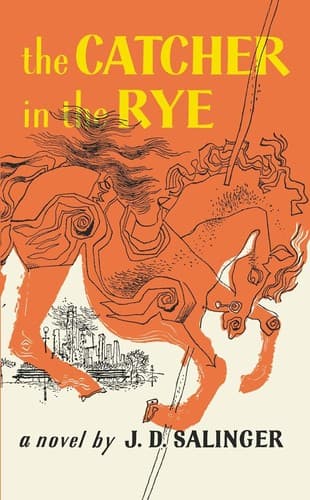
- The Catcher in the Rye
J.D. Salinger
3.8 (2.7M) average on GoodreadsYoung AdultExplores teenage angst and disillusionment with society, though Bukowski's is far more nihilistic and explicit.
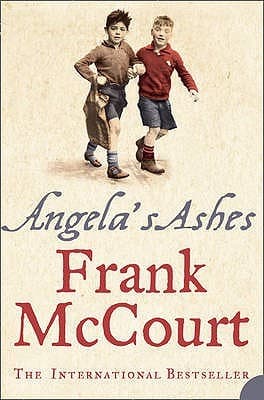
- Angela's Ashes
Frank McCourt
4.1 (540k) average on GoodreadsBiographyBoth novels depict childhoods marred by extreme poverty and hardship. However, McCourt's Angela's Ashes, despite its grim realities, often maintains a certain warmth, humor, and an underlying resilience that leads to an eventual triumph of spirit. Ham on Rye, in contrast, offers a more consistently bleak and nihilistic outlook, with Chinaski's struggles often leading to further despair rather than a path to overcoming adversity. Bukowski's tone is considerably more cynical and less forgiving.
- Nineteen Eighty-Four
George Orwell
4.2 (5.5M) average on GoodreadsFictionWinston Smith dreams of truth and rebellion in a world where Big Brother watches all, but he confronts the terrifying power of a regime that controls not just actions, but thoughts.
- The Frozen River
Ariel Lawhon
4.4 (600k) average on GoodreadsFictionIn 1789 Maine, a heroic midwife's diary helps her expose a murder and get justice in a town that wants to silence her.
- A Man Called Ove
Fredrik Backman
4.4 (569k) average on GoodreadsFictionA stubborn widower, who lives by strict rules, finds his quiet world changed by a lively new family next door, making him face his past and find happiness in human connection.
- The Art of Racing in the Rain
Garth Stein
4.2 (452k) average on GoodreadsFictionThrough the eyes of Enzo, a wise and observant dog, a race car driver's family navigates a journey of love, loss, and resilience, learning that life's most important lessons often come in the curves, not just on the straightaways.




Enjoyed the summary?
A summary gives you the shape of the book. The book itself has the detail, the examples and the voice.
Find Ham on Rye on AmazonAs an Amazon Associate, BookBrief earns from qualifying purchases. How we're funded