

Synopsis
Covers the whole plot, including the ending.
- Difficulty
- Medium
- Pacing
- Moderate
- Mood
- Thought-provoking, Melancholy, Hopeful, Culturally Rich
- Read it if
- You're interested in a nuanced exploration of identity, love, and societal pressures in a non-Western cultural context, particularly with LGBTQ+ themes.
- Skip it if
- You prefer lighthearted romance or stories with straightforward happy endings for all characters.
If You Could Be Mine Plot Summary
Covers the whole plot, including the ending.
A Secret Love in Tehran
Sahar, seventeen, has loved her best friend, Nasrin, since childhood. Their love grew through stolen glances, secret touches, and quiet promises. They live in Tehran, Iran, where their same-sex relationship is forbidden and illegal, punishable by prison or death. Despite the constant danger, they hold onto their private moments, finding comfort and passion with each other. Sahar dreams of a future where they can be open, but society's harsh rules cast a shadow, forcing them to keep their love completely secret, even from family.
The Arranged Marriage Announcement
Their secret world breaks when Nasrin's parents announce her arranged marriage to a rich doctor. This news crushes Sahar, who sees it as the end of their dreams together. Nasrin, while outwardly agreeing with her family, tries to assure Sahar that their relationship can continue quietly. She says the marriage will give her money and a cover for their secret meetings. Sahar cannot accept this, seeing only a future where Nasrin belongs to another and their love becomes a more painful secret.
A Desperate Solution: Sex Reassignment Surgery
Desperate to be with Nasrin, Sahar finds a legal option in Iran: while homosexuality is illegal, sex reassignment surgery (SRS) is legal and even funded by the government. It is seen as a medical fix for those whose gender identity does not match their biological sex. This idea sparks a radical thought in Sahar: if she becomes a man, she could legally marry Nasrin and they could be together openly, without fear. This extreme solution offers Sahar a small hope in a bad situation, appearing as the only way to a socially accepted union with the woman she loves, but at a huge personal cost.
Seeking Guidance and Information
With her new plan, Sahar starts researching sex reassignment surgery. She secretly visits Dr. Hamidi, a doctor known for these procedures, to learn about the physical and mental aspects of transition. During her visits, she meets Parisa, a young transgender man who has already had the surgery. Parisa shares his experiences, both the difficulties and the freedom, giving Sahar a firsthand account of the journey. These meetings give Sahar important insights into the major changes she would undergo, making her face giving up her female identity for her love for Nasrin.
Nasrin's Reaction and Growing Doubts
Sahar eventually tells Nasrin her drastic plan, expecting her to share her desperate hope. But Nasrin reacts with shock, confusion, and worry, not fully understanding Sahar's sacrifice or the meaning of such a big change. Nasrin is at first overwhelmed, struggling to grasp how Sahar could change her body and identity so much. Her reaction makes Sahar doubt for the first time, wondering if Nasrin truly understands how big this is and if their love is strong enough for such an extreme change.
The Weight of Expectation and Identity
As Sahar gets closer to her decision, she struggles with the huge personal cost of sex reassignment surgery. She thinks about her female identity, the body she has known her whole life, and the woman she is. The thought of losing this part of herself, even for Nasrin, becomes harder to bear. She questions if she is truly willing to give up her core identity and physical form, not because she feels gender dysphoria, but only as a way to an end—a way to make her forbidden love legal. This inner conflict causes great emotional pain, showing the deep ethical and personal problem she faces.
A Conflicted Farewell
Before Nasrin's wedding, Sahar and Nasrin share a sad and conflicted goodbye. Their past intimacy is now mixed with sorrow and uncertainty. Nasrin, preparing for a life with another person, struggles to fully commit to Sahar's extreme plan, or perhaps to fully admit the depth of their forbidden love against societal rules. Sahar, in turn, feels the painful reality of Nasrin slipping away, even as she thinks about a future where she might become a man to get her back. This moment shows the deep sadness of their situation, where love is not enough to overcome their world's strict rules.
The Aftermath of Nasrin's Wedding
Nasrin's wedding happens, leaving Sahar heartbroken and lost. The reality of Nasrin being married to someone else sinks in, forcing Sahar to face her situation. The future she had imagined, where she would become a man to marry Nasrin, now feels far away and perhaps wrong. The initial desperation that drove her radical plan begins to fade, replaced by a growing understanding that her decision should be about her own truth, not just a means to an end. This time marks a turning point for Sahar as she starts to rethink her reasons.
Meeting Ali and New Perspectives
During this difficult time, Sahar connects with Ali, a transgender man she met through Dr. Hamidi. Ali becomes an important person in Sahar's journey, not as a love interest, but as a friend and guide. Through their talks, Ali shares his true experiences of gender dysphoria and the deep relief and authenticity he found in his transition. He helps Sahar understand the difference between transitioning because of true identity and transitioning out of desperation for love. Ali's view encourages Sahar to look inside and consider her own feelings about her gender, separate from her love for Nasrin.
A New Understanding of Self
Through talking with Ali and thinking about herself, Sahar begins to understand that her wish to transition was mostly a desperate attempt to be with Nasrin, not a true feeling of gender dysphoria. She realizes that while she loves Nasrin deeply, giving up her female identity is not the way to true happiness or fulfillment. She starts to accept herself as a gay woman, knowing that her identity is real, even if it is forbidden in her society. This realization is both freeing and painful, as it means letting go of the specific future she imagined with Nasrin, but also accepting her true self.
Confronting Nasrin and Moving Forward
Sahar eventually confronts Nasrin, expressing her pain and her new understanding of her identity. She realizes that their love, while deep, cannot thrive under the rules of Nasrin's marriage or Sahar's planned sacrifice. Sahar understands that she cannot force Nasrin to choose her, nor can she change herself for someone else's acceptance. She begins to make her own path, accepting that her love for Nasrin, while lasting, may not happen the way she once hoped. This is a difficult but necessary step towards self-acceptance and independent growth for Sahar, as she starts to imagine a future where her happiness does not rely only on Nasrin.
Embracing a Difficult Truth
By the end, Sahar accepts her identity as a gay woman, understanding the challenges and dangers this brings in Iranian society. She chooses to live truly, even if it means a life of secrecy and possible hardship, rather than giving up her true self for a conditional love. While the pain of losing Nasrin as she imagined is real, Sahar finds a quiet strength in accepting herself. The story ends with Sahar facing her future, dealing with her identity and desires in a world that mostly rejects them, but with a new sense of personal honesty and the courage to be herself.
Principal Figures
Sahar
Protagonist
A young woman deeply in love with her best friend, grappling with identity and societal constraints.
Sahar is a seventeen-year-old Iranian girl, fiercely intelligent and deeply emotional. Her defining characteristic is her profound, unwavering love for her best friend, Nasrin, a love that has been the cornerstone of her life since childhood. She is sensitive, passionate, and initially driven by a desperate hope to find a way to be with Nasrin, even if it means making extreme sacrifices. Sahar is also courageous in her pursuit of love, willing to challenge societal norms, but her journey forces her to confront the true meaning of identity and self-acceptance beyond romantic attachment.
Relationships: Nasrin (Best friend and secret lover); Ali (Friend and mentor figure); Dr. Hamidi (Medical consultant)
Nasrin
Supporting
Sahar's best friend and secret love, caught between her desires and societal expectations.
Nasrin is Sahar's childhood best friend and the object of her deep affection. She shares a clandestine, passionate love with Sahar but is also more pragmatic and outwardly compliant with the expectations of Iranian society. When her parents arrange her marriage, she tries to rationalize continuing her relationship with Sahar in secret, seeking comfort and security in the arranged match while still wanting Sahar in her life. She struggles with the weight of tradition and her own desires, ultimately making choices that prioritize her safety and societal standing, though not without internal conflict and affection for Sahar.
Relationships: Sahar (Best friend and secret lover); Reza (Arranged fiancé/husband)
Ali
Supporting
A transgender man who offers Sahar guidance and a different perspective on identity.
Ali is a young transgender man whom Sahar meets through Dr. Hamidi. He has undergone sex reassignment surgery and is living authentically as a man. Ali is kind, empathetic, and serves as a crucial mentor figure for Sahar. He provides Sahar with a genuine, lived perspective on gender dysphoria and the complexities of transitioning, helping her to distinguish between a true desire for gender affirmation and a desperate attempt to solve a relationship problem. His honesty and self-acceptance are instrumental in Sahar's own journey of self-discovery.
Relationships: Sahar (Friend and confidant); Dr. Hamidi (His surgeon)
Dr. Hamidi
Supporting
A doctor who performs sex reassignment surgeries, providing information and medical context.
Dr. Hamidi is the medical professional Sahar consults regarding sex reassignment surgery. He is knowledgeable and professional, explaining the procedures and processes involved in transitioning. While he facilitates the medical aspect of gender change, he also provides a space for Sahar to explore her motivations, albeit from a medical standpoint. He introduces Sahar to Parisa (Ali), which proves to be a pivotal moment in Sahar's understanding of herself. He represents the legal, albeit complex, avenue for gender transition in Iran.
Relationships: Sahar (Patient/Consultant); Ali (Patient/Consultant)
Reza
Mentioned
Nasrin's arranged fiancé and later husband.
Reza is the respectable and well-to-do doctor whom Nasrin's parents arrange for her to marry. He is presented as a stable and socially acceptable match, representing the traditional expectations for marriage in Iranian society. While not a fully developed character, he symbolizes the societal forces that separate Sahar and Nasrin, and the 'normal' life that Nasrin is expected to lead. He is a catalyst for Sahar's desperate plan, embodying the obstacle to her love with Nasrin.
Relationships: Nasrin (Arranged fiancé/husband)
Sahar's Mother
Supporting
Sahar's mother, who represents the traditional values and anxieties of Iranian society.
Sahar's mother is a loving but traditional parent who worries about Sahar's future and adherence to societal norms. While she may not fully understand Sahar's inner turmoil or her true feelings, she embodies the pervasive cultural expectations and the fear of social stigma. Her concerns highlight the pressures Sahar faces to conform, even if it means suppressing her true self. She represents the well-intentioned but ultimately restrictive environment in which Sahar must navigate her identity and desires.
Relationships: Sahar (Mother-daughter)
Themes & Insights
Forbidden Love and Societal Oppression
This theme explores the challenges and dangers faced by individuals in love in a society that makes their relationship illegal. Sahar and Nasrin's secret love brings both joy and fear, forcing them to hide their true feelings. Nasrin's arranged marriage and Sahar's consideration of sex reassignment surgery both come from the oppressive societal rules that deny them the right to love openly. The story shows the emotional cost of living under such a threat, where love itself becomes an act of rebellion, always shadowed by fear of being found out and punished.
“In Iran, being a homosexual is a crime punishable by death. But to be a man trapped in a woman's body is seen as nature's mistake, and gender reassignment is legal.”
Identity vs. Self-Sacrifice
This theme looks at the difficult choice of giving up one's identity for love or social acceptance. Sahar thinks about having sex reassignment surgery, not because she identifies as male, but as a desperate way to legally marry Nasrin. Her inner struggle highlights the question of what one will give up to be with the person they love, and if such a sacrifice leads to true happiness. The contrast with Ali, who genuinely transitions due to gender dysphoria, shows the difference between living truly and changing oneself for outside reasons, pushing Sahar to eventually accept her true identity as a gay woman.
“Was I willing to lose myself, to become someone I was not, all for the sake of love? Or was this who I was meant to be, a man in a woman's body?”
The Nature of Love and Commitment
The novel examines different aspects of love and commitment, especially under pressure. Sahar's love for Nasrin is all-consuming, leading her to consider extreme actions. Nasrin's love, while real, is more practical and tied to her need for security and social acceptance, leading her to accept an arranged marriage while hoping to continue her secret relationship with Sahar. The story questions if love can truly grow when one person makes such a big sacrifice, and if commitment can last when one person's identity is against how they can be together. It suggests that true love requires honesty from both people.
“I loved her so much it hurt, a constant ache in my chest that told me she was mine, and I was hers, even if the world said otherwise.”
Authenticity and Self-Acceptance
This theme explores the journey to understanding and accepting oneself, especially in a restrictive environment. Sahar first considers transitioning as a way to an end, a way to 'fix' her 'problem' of loving another woman. However, through talking with Ali and thinking about herself, she realizes that true happiness means accepting who she truly is—a gay woman—rather than following societal rules or having a physical change that does not match her inner gender identity. Her final decision to accept her identity, despite the dangers, shows a strong act of self-acceptance and honesty.
“Maybe the real bravery wasn't in changing who I was, but in accepting who I already was, even if it was dangerous.”
The Double-Edged Sword of Legality
The book highlights the ironic and complex laws around sex reassignment surgery in Iran. While homosexuality is punishable by death, gender transition is legal and even supported by the state. This is based on a religious idea that sees gender dysphoria as a 'mistake of nature.' This creates a unique and morally unclear situation, offering a possible 'solution' for gay people to legally marry, but at the cost of their true gender identity. The theme explores how legal systems, even when they seem progressive, can be used to force conformity and suppress true identity, making people choose difficult paths.
“It was a strange twisted logic, that a woman could become a man, but two women could never truly be together.”
Plot Devices & Literary Techniques
The Legal Loophole of SRS
The legal allowance of sex reassignment surgery (SRS) in Iran.
This device is central to the plot, providing Sahar with what she perceives as a desperate solution to her forbidden love. The fact that SRS is legal and even subsidized in Iran, while homosexuality is illegal, creates the core conflict and the ethical dilemma. It's a plot device that drives Sahar's extreme consideration and allows for the exploration of themes like identity, self-sacrifice, and the complexities of societal and religious laws. It's not a genuine solution for Sahar, but it acts as a powerful catalyst for her self-discovery.
Arranged Marriage
Nasrin's parents arranging her marriage to a doctor.
The arranged marriage serves as the primary inciting incident that escalates the conflict between Sahar and Nasrin's love and societal expectations. It acts as an external pressure that forces both characters to confront the reality of their situation. For Sahar, it's the catalyst for her desperate plan to undergo SRS. For Nasrin, it represents the path of least resistance and social acceptance, creating a direct obstacle to Sahar's vision of their future together. This device immediately raises the stakes and forces difficult choices upon the characters.
The Mentor Figure (Ali)
The character of Ali, a transgender man who has undergone SRS.
Ali functions as a crucial mentor figure for Sahar, providing an authentic voice and perspective on gender transition. He is not a romantic interest but a guide who helps Sahar understand the profound difference between genuine gender dysphoria and transitioning for external reasons. His lived experience and honesty are instrumental in helping Sahar to critically examine her own motivations and ultimately accept her true identity. Ali's presence prevents Sahar from making a decision based purely on desperation, offering an alternative path of self-acceptance.
Internal Monologue
Sahar's extensive inner thoughts and reflections.
Sahar's internal monologue is a pervasive plot device that grants the reader deep access to her emotional turmoil, her reasoning, and her evolving understanding of herself. It allows the author to explore complex themes of identity, love, and sacrifice from Sahar's perspective, without relying solely on dialogue or external action. This device is crucial for conveying the nuances of her internal conflict, particularly as she grapples with the idea of changing her gender for love, and her eventual journey towards self-acceptance.
If You Could Be Mine Quotes
“I was tired of being the girl who liked girls in a country where it was a crime. I was tired of being the girl who liked girls in a family where it was a sin.”
“It was like watching a movie of my own life, but I was just a spectator, not a participant.”
“Love isn't a choice, it's a feeling. And sometimes, you can't help who you feel it for.”
“The idea of becoming a boy, of having a penis, of being able to marry Nasrin, was so absurd and yet so tantalizing.”
“We were two halves of a whole, but the world insisted on tearing us apart.”
“Sometimes the bravest thing you can do is just keep breathing.”
“It was easier to pretend to be someone else than to be punished for who I really was.”
“The surgery was a way out, but it was also a way in. A way into a life I never imagined, with a person I couldn't imagine living without.”
“In a country where being gay was a crime, sometimes the only way to be together was to change who you were.”
“My heart ached with a longing so deep it felt like a physical wound.”
“I wanted to be brave enough to love her openly, but bravery didn't pay the bills or keep you out of jail.”
“The future was a blank canvas, and I was terrified of what I might paint on it.”
“Sometimes the greatest acts of love are the ones that break your own heart.”
“It wasn't about being a man or a woman; it was about being with her.”
Quiz
10 questions on the plot and the characters. Each answer comes with a short explanation.
Question 1
What is the central conflict Sahar faces regarding her relationship with Nasrin in Iran?
- Nasrin's parents disapprove of Sahar's social class.
- Homosexuality is illegal and severely punished in Iran.
- Sahar's family wants her to marry someone else.
- Nasrin wants to move to a different country.
Show answer
B. Homosexuality is illegal and severely punished in Iran. The book explicitly states that Iran is a dangerous place for two girls in love, where they could be beaten, imprisoned, or executed.
Question 2
What is Nasrin's initial reaction when her parents announce her arranged marriage?
- She immediately breaks off contact with Sahar.
- She tries to convince Sahar they can continue their relationship in secret.
- She decides to run away with Sahar.
- She expresses excitement about marrying the doctor.
Show answer
B. She tries to convince Sahar they can continue their relationship in secret. Nasrin tries to persuade Sahar that they can go on as they have been, only now with new comforts provided by the decent, well-to-do doctor Nasrin will marry.
Question 3
What is Sahar's 'perfect solution' to be with Nasrin openly?
- They will both move to a country where same-sex marriage is legal.
- Sahar will undergo sex reassignment surgery to become a man.
- Nasrin will divorce her arranged husband and marry Sahar in secret.
- They will pretend to be cousins and live together.
Show answer
B. Sahar will undergo sex reassignment surgery to become a man. Sahar discovers that sex reassignment is legal and accessible in Iran, and as a man, she could be the one to marry Nasrin.
Question 4
What is the key difference in how Iranian law views homosexuality versus being a transgender person?
- Both are equally illegal and punishable.
- Homosexuality is a crime, but being a man trapped in a woman's body is seen as a mistake of nature and sex reassignment is legal.
- Homosexuality is tolerated, but gender reassignment is strictly forbidden.
- Only men can undergo sex reassignment legally; women cannot.
Show answer
B. Homosexuality is a crime, but being a man trapped in a woman's body is seen as a mistake of nature and sex reassignment is legal. The text states, 'In Iran, homosexuality may be a crime, but to be a man trapped in a woman’s body is seen as nature’s mistake, and sex reassignment is legal and accessible.'
Question 5
What is Sahar's primary motivation for considering sex reassignment surgery?
- She has always felt like she was meant to be a man.
- She wants to be able to marry Nasrin and love her openly.
- She wants to escape her family's expectations for her as a woman.
- She seeks to gain social status and privileges afforded to men in Iran.
Show answer
B. She wants to be able to marry Nasrin and love her openly. The text explicitly states, 'As a man, Sahar could be the one to marry Nasrin.' Her motivation is to be with Nasrin exclusively and openly.
Question 6
What is the central thematic question posed by Sahar's dilemma?
- The importance of economic stability in marriage.
- The conflict between personal identity and societal expectations/love.
- The challenges of long-distance relationships.
- The role of parental approval in romantic relationships.
Show answer
B. The conflict between personal identity and societal expectations/love. The final question of the synopsis, 'Is saving her love worth sacrificing her true self?' directly addresses the conflict between identity and love.
Question 7
How long have Sahar and Nasrin been in love, according to the description?
- Since they were teenagers.
- Since they were six years old.
- Only for the past year.
- Since Nasrin's arranged marriage was announced.
Show answer
B. Since they were six years old. The synopsis states, 'Seventeen-year-old Sahar has been in love with her best friend, Nasrin, since they were six.'
Question 8
What does Sahar dream of that contrasts with Nasrin's suggestion after her arranged marriage?
- Sahar dreams of moving to a Western country, while Nasrin wants to stay in Iran.
- Sahar dreams of marrying a different man, while Nasrin wants to marry the doctor.
- Sahar dreams of loving Nasrin exclusively and openly, while Nasrin suggests continuing their relationship in secret after marriage.
- Sahar dreams of becoming a doctor herself, while Nasrin wants a simpler life.
Show answer
C. Sahar dreams of loving Nasrin exclusively and openly, while Nasrin suggests continuing their relationship in secret after marriage. Nasrin tries to persuade Sahar that they can go on as they have been, only now with new comforts. But Sahar dreams of loving Nasrin exclusively—and openly.
Question 9
The synopsis describes Sahar's potential sacrifice as 'risking her life.' In what way is this true, beyond the immediate physical danger of being a lesbian?
- Undergoing major surgery is inherently life-threatening.
- Sacrificing her 'true self' implies a metaphorical death of identity, a core part of her being.
- Her family might disown her, leaving her without support.
- The arranged marriage could lead to violence if she interferes.
Show answer
B. Sacrificing her 'true self' implies a metaphorical death of identity, a core part of her being. The phrase 'Is saving her love worth sacrificing her true self?' implies that giving up her identity as a woman to be with Nasrin is a profound personal loss, a 'risk' to her sense of self, even if not a direct physical threat.
Question 10
What is the specific age of Sahar at the beginning of the story?
- Six years old
- Thirteen years old
- Seventeen years old
- Twenty years old
Show answer
C. Seventeen years old The synopsis explicitly states: 'Seventeen-year-old Sahar has been in love with her best friend, Nasrin, since they were six.'
If You Could Be Mine FAQ
What is the central conflict Sahar faces regarding her love for Nasrin?
Sahar is deeply in love with her best friend, Nasrin, but their romantic relationship is illegal and punishable by severe penalties in Iran. This forces them to keep their love a secret, creating immense emotional strain and a constant threat of discovery. The conflict intensifies when Nasrin's parents arrange her marriage to a doctor.
How does Nasrin initially react to her arranged marriage and what does she propose to Sahar?
Nasrin initially tries to convince Sahar that their relationship can continue as it has, even after her marriage. She suggests that the marriage will provide new comforts and security, implying their secret rendezvous could persist. This shows her struggle to reconcile societal expectations with her feelings for Sahar.
What extreme solution does Sahar consider to be with Nasrin, and why is it legally possible in Iran?
Sahar considers undergoing sex reassignment surgery to become a man. This is legally possible in Iran because, while homosexuality is forbidden, being a transgender person is categorized as a medical condition, a 'mistake of nature,' making gender-affirming care permissible. Sahar believes this could allow her to marry Nasrin openly.
What is the core dilemma Sahar faces in pursuing her plan?
Sahar's core dilemma is choosing between her love for Nasrin and her own identity. While becoming a man might allow her to legally marry Nasrin, it means sacrificing her true self and living in a body that isn't her own. This choice forces her to confront the painful reality of loving someone she cannot openly be with as herself.
Beyond the main couple, what other characters are significant to Sahar's journey?
Sahar interacts with her parents, who have traditional expectations, and potentially other friends or community members who represent the societal pressures she faces. The doctor Nasrin is arranged to marry also plays a role, albeit indirectly, by representing the conventional path Nasrin is expected to take.
How does the cultural context of Iran amplify the stakes for Sahar and Nasrin?
The cultural context of Iran, with its strict religious laws and severe penalties for homosexuality, amplifies the stakes immensely. Their love is not just socially disapproved but literally life-threatening, making every stolen kiss and secret promise carry profound risk. This constant danger underscores the desperation of Sahar's proposed solution.
What subtle hints might there be about Nasrin's true feelings or her capacity for commitment?
Nasrin's willingness to go through with an arranged marriage while simultaneously suggesting she and Sahar can continue their secret affair might subtly hint at her own internal conflict or a more pragmatic, perhaps less exclusive, view of love than Sahar's. This could foreshadow a divergence in their desires for the future. Her desire for 'new comforts' might also suggest a leaning towards societal security.
Are there any characters who offer a different perspective on love or identity that Sahar might encounter?
Sahar might encounter characters who have navigated similar societal constraints or who hold more liberal views, either openly or privately. Perhaps an older relative or a clandestine community member could offer advice or a different lens through which Sahar can view her situation, providing a counterpoint to the dominant cultural narrative.
How does the concept of 'true self' evolve for Sahar throughout the narrative?
Initially, Sahar's 'true self' is intertwined with her identity as a woman who loves Nasrin. However, as she contemplates gender reassignment, her understanding of self undergoes a profound reevaluation. She must confront whether her identity is primarily defined by her gender, her love, or something deeper, separate from her physical form.
What psychological toll does living in secrecy take on both Sahar and Nasrin?
Living in constant secrecy likely inflicts severe psychological stress, anxiety, and a sense of isolation on both Sahar and Nasrin. The fear of discovery would lead to hyper-vigilance and a lack of authentic self-expression, potentially causing depression, resentment, or a fractured sense of identity for each of them. Their relationship is built on fear as much as love.
How does Sahar's desperate plan reflect a deeper psychological need beyond just being with Nasrin?
Sahar's desperate plan to transition reflects a profound psychological need for acceptance, validity, and the ability to express her love openly. It's not just about Nasrin, but about being able to live authentically and without fear, even if it means altering her physical body. It's a yearning for a life where her love isn't a crime.
What internal conflict might Nasrin be experiencing regarding her arranged marriage versus her feelings for Sahar?
Nasrin likely experiences significant internal conflict between her love for Sahar and her societal duty, fear of reprisal, and perhaps a desire for the security and comfort an arranged marriage offers. She might feel torn between personal desire and family honor, leading to guilt, confusion, and a struggle to make a choice that satisfies both her heart and her circumstances.
Is Sahar's consideration of gender reassignment truly a solution, or a tragic compromise?
This is a central interpretive question. It can be argued as a tragic compromise, forcing Sahar to sacrifice her physical and perhaps core identity to fit societal norms and maintain a relationship. However, it could also be seen as a radical act of love and self-determination within an oppressive system, a desperate attempt to create a viable future.
How does the book challenge or reinforce traditional notions of gender and sexuality?
The book challenges traditional notions by highlighting the fluidity of gender identity as a means to navigate rigid sexual norms. By presenting gender reassignment as a 'solution' to same-sex love, it ironically reinforces the idea that love must conform to heterosexual structures, even as it exposes the absurdity and pain of such restrictions. It showcases the complex interplay between identity, love, and societal pressure.
What message might the author be conveying about love and sacrifice in extreme circumstances?
The author might be conveying that love can inspire immense sacrifice, pushing individuals to extraordinary lengths to be with their beloved, even at the cost of personal identity. It suggests that while love can be powerful, oppressive societal structures can force individuals into impossible choices, questioning the true cost of such 'love' when it requires self-erasure.
Does the novel suggest there's a 'right' or 'wrong' choice for Sahar?
The novel likely avoids presenting a clear 'right' or 'wrong' choice, instead focusing on the moral and emotional complexity of Sahar's situation. It aims to explore the profound ethical dilemmas faced by individuals in oppressive environments, leaving readers to grapple with the multifaceted implications of each potential path, emphasizing empathy over judgment.
How does the title 'If You Could Be Mine' encapsulate the central themes of the book?
The title 'If You Could Be Mine' perfectly encapsulates the yearning, the conditional nature, and the obstacles to Sahar's love for Nasrin. It speaks to the 'if' – the impossible conditions and sacrifices required for their love to be realized, highlighting the deep desire for possession and belonging against a backdrop of severe societal prohibition.
About the author
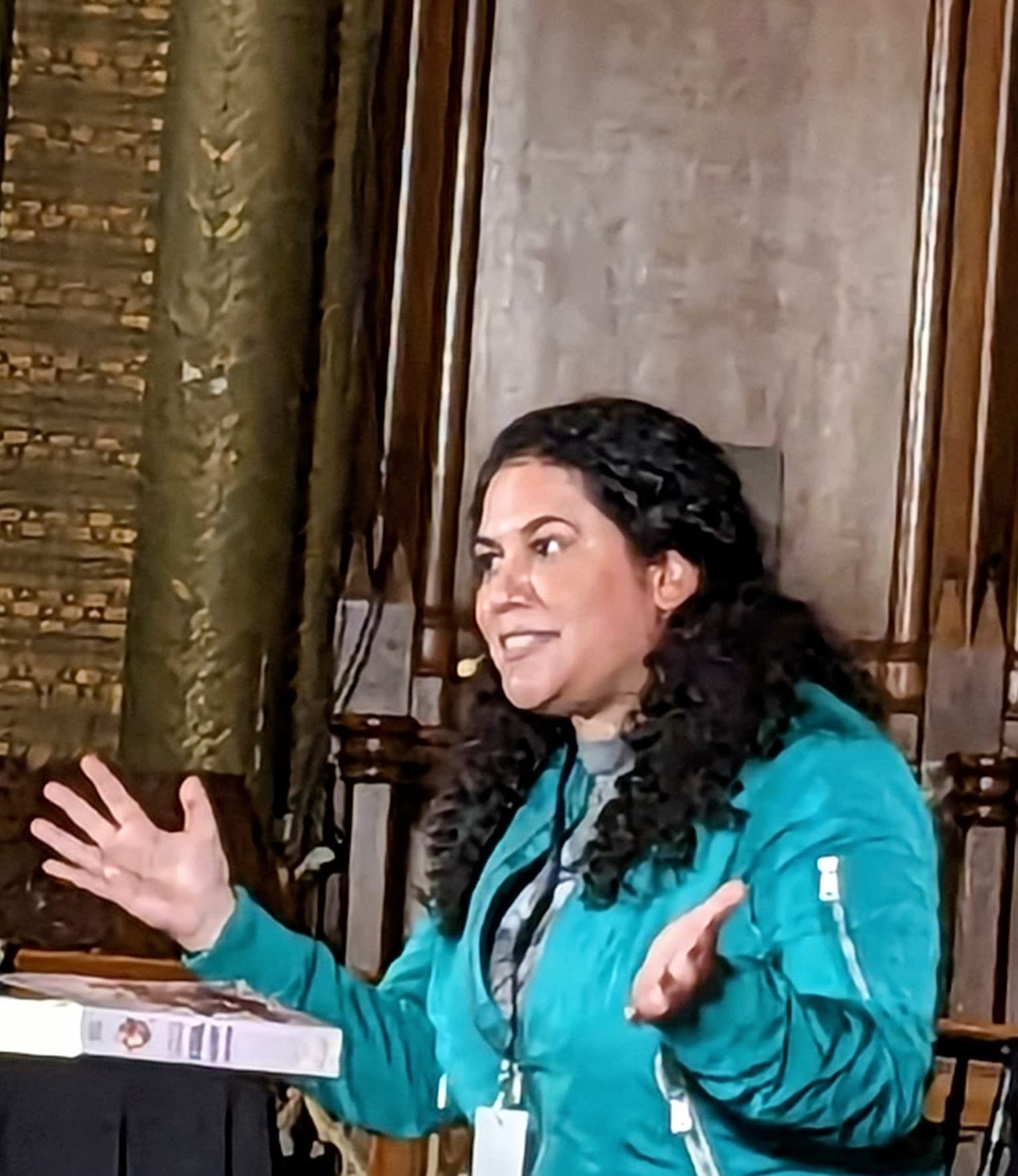
Sara Farizan is an author known for her fiction, particularly her debut novel, If You Could Be Mine, which explores themes of love and identity within the context of Iranian culture. Her work often addresses LGBTQ+ issues and the complexities of cultural expectations. Farizan's writing has garnered attention for its poignant storytelling and representation.
Similar books
- The Miseducation of Cameron Post
Emily M. Danforth
4.0 (38k) average on GoodreadsHistorical FictionFeatures a young woman grappling with her queer identity amidst societal and religious pressure.
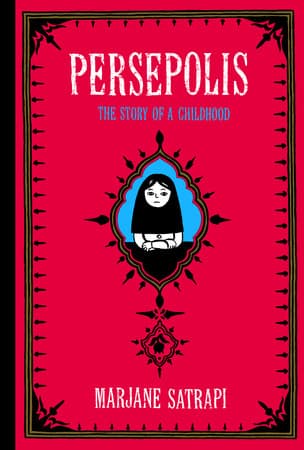
- Persepolis: The Story of a Childhood
Marjane Satrapi
4.3 (158k) average on GoodreadsBiographyOffers a coming-of-age story in Iran, dealing with political and social challenges.
- Simon vs. the Homo Sapiens Agenda
Becky Albertalli
4.3 (288k) average on GoodreadsYoung AdultSimon vs. the Homo Sapiens Agenda offers a contemporary, lighthearted, and ultimately affirming take on a gay teenager's coming-out story in a relatively liberal American setting. The stakes, while emotionally significant for Simon, are primarily social (fear of exposure, school gossip). In stark contrast, If You Could Be Mine presents literal life-or-death stakes, where the act of loving someone of the same sex is a criminal offense. Albertalli's novel celebrates the joy and normalcy of queer love, whereas Farizan's highlights the immense pain, sacrifice, and radical choices forced upon individuals in oppressive environments. Farizan's work is a stark reminder of the global disparities in LGBTQ+ rights and experiences, making Albertalli's narrative feel almost utopian by comparison.
- Harry Potter and the Sorcerer's Stone
J.K. Rowling
4.5 (7M) average on GoodreadsFantasyRescued from a miserable life under the stairs, an orphaned boy discovers he's a wizard destined for a magical school, where he uncovers a dangerous secret tied to the dark wizard who murdered his parents.
- The Hunger Games
Suzanne Collins
4.3 (6.4M) average on GoodreadsFantasyIn a future where children fight to the death on live television, Katniss Everdeen volunteers for the arena, turning a death sentence into a fight for survival and a spark of rebellion.
- To Kill a Mockingbird
Harper Lee
4.3 (4.5M) average on GoodreadsHistorical FictionIn the 1930s Jim Crow South, Harper Lee writes about racial injustice, moral growth, and the quiet courage of a lawyer father, Atticus Finch, as seen through his young daughter's eyes.





Enjoyed the summary?
A summary gives you the shape of the book. The book itself has the detail, the examples and the voice.
Find If You Could Be Mine on AmazonAs an Amazon Associate, BookBrief earns from qualifying purchases. How we're funded