Estimated read time: 6 min read
One Sentence Summary
A travelogue exploring the remote and captivating landscapes of Patagonia.
Table of Contents
Introduction
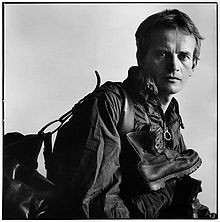
"In Patagonia" is a travel book written by Bruce Chatwin, an English writer and traveler. Published in 1977, the book is a blend of travelogue, memoir, and historical documentation. Chatwin's captivating narrative takes readers on a journey through the remote and rugged region of Patagonia, located at the southern tip of South America. With vivid descriptions and insightful observations, the book offers a unique perspective on the land, its people, and its history.
Brief Synopsis
Set in the vast and untamed landscapes of Patagonia, Chatwin's "In Patagonia" is not a conventional travel guide. Instead, it serves as a personal exploration of the region, combining history, geography, and anecdotal accounts. The book is divided into 97 short chapters, each covering a specific event, encounter, or historical fact.
Setting
Patagonia is a region encompassing the southern parts of Argentina and Chile, extending from the Andes Mountains to the Atlantic Ocean. Known for its dramatic landscapes, including mountains, glaciers, and grassy plains, Patagonia is a land of extremes. Its remote and often harsh environment has attracted explorers, adventurers, and dreamers throughout history.
Main Characters
| Character | Description |
|---|---|
| Bruce | The author and narrator of the book, an English writer and traveler. |
| Various | Various individuals encountered by Bruce during his journey through Patagonia. |
Summary of Different Story Points over Chapters
| Chapter | Summary |
|---|---|
| 1 | The author recounts a conversation with his grandmother about a piece of Patagonian brontosaurus skin that belonged to his uncle. This conversation sparks his interest in Patagonia, and he decides to embark on a journey to the region. |
| 5 | Chatwin explores the history of Patagonia, from the indigenous Tehuelche people to the arrival of European explorers and settlers. He delves into the legends and myths surrounding the region and recounts the encounters between early explorers and the native inhabitants. |
| 12 | The author describes his journey through the pampas, the vast plains of Patagonia, and encounters gauchos, the traditional Argentine cowboys, who have a deep connection to the land. He explores the gaucho way of life, their traditions, and their struggles to adapt to modernity. |
| 23 | Chatwin visits the Welsh communities in Patagonia, descendants of Welsh settlers who arrived in the late 19th century. He explores their unique culture, language, and the challenges they faced in establishing themselves in this remote corner of the world. |
| 34 | The author embarks on a trek to Mount Fitz Roy, a majestic peak in the Andes. He describes the arduous journey, the awe-inspiring beauty of the mountain, and reflects on the allure of mountain climbing. |
| 47 | Chatwin encounters a German fugitive named Hermann Eichhorn, who had settled in Patagonia to escape his past. The author delves into Eichhorn's story and contemplates the idea of escape and reinvention in the vast and remote landscapes of Patagonia. |
| 63 | The author explores the natural wonders of Patagonia, from its glaciers to its wildlife. He reflects on the fragility of these ecosystems and the impact of human interference. |
| 78 | Chatwin concludes his journey in Patagonia by visiting the Chilean side of the region. He reflects on the political and social changes taking place in both Argentina and Chile and contemplates the future of Patagonia. |
Main Events
- The author's decision to travel to Patagonia after a conversation with his grandmother about a piece of brontosaurus skin.
- Exploring the history of Patagonia and the encounters between indigenous people and European explorers.
- The author's journey through the pampas and encounters with gauchos.
- Visiting the Welsh communities in Patagonia and learning about their unique culture.
- Trekking to Mount Fitz Roy and reflecting on mountain climbing.
- Meeting Hermann Eichhorn, a German fugitive, and contemplating the idea of escape.
- Exploring the natural wonders of Patagonia, including glaciers and wildlife.
- Concluding the journey in the Chilean side of Patagonia and reflecting on the region's future.
Themes and Insights
- The allure of remote landscapes: Patagonia's vast and untamed wilderness captivates the author and serves as a metaphor for the human desire for exploration and adventure.
- The clash of cultures: The encounters between indigenous people, European settlers, and other immigrant communities highlight the complexities and conflicts that arise when different cultures coexist.
- The impact of history: By delving into the history of Patagonia, the author sheds light on how past events shape the present and influence the region's identity.
- The fragility of nature: The author reflects on the vulnerability of Patagonia's ecosystems and the need for environmental conservation.
- The search for identity: Through encounters with various individuals, the author contemplates the idea of identity and how it is shaped by one's surroundings.
Reader's Takeaway
"In Patagonia" offers readers a vivid and immersive journey through a remote and captivating region. Chatwin's lyrical prose and keen observations bring Patagonia to life, allowing readers to experience its landscapes, history, and people. The book not only serves as a travelogue but also delves into deeper themes of culture, identity, and the human connection to nature. It inspires readers to explore the world, embrace diverse cultures, and appreciate the beauty and fragility of our planet.
Conclusion
"In Patagonia" by Bruce Chatwin is a literary masterpiece that combines travel writing, memoir, and historical documentation. Through his personal journey and encounters, the author takes readers on an unforgettable exploration of the remote landscapes, rich history, and diverse cultures of Patagonia. With its evocative prose and insightful reflections, the book offers a unique perspective on a region that continues to captivate adventurers and nature enthusiasts alike.
In Patagonia FAQ
What is the main subject of 'In Patagonia'?
The main subject of 'In Patagonia' is the author's journey through the remote region of Patagonia in South America.
Is 'In Patagonia' a travelogue?
Yes, 'In Patagonia' is a travelogue where the author describes his experiences, encounters, and observations during his journey.
Is 'In Patagonia' a work of fiction or non-fiction?
'In Patagonia' is a work of non-fiction. It is based on the author's real-life experiences and the people he encountered during his travels.
What makes 'In Patagonia' a notable book?
'In Patagonia' is considered a notable book because of its unique blend of travel writing, memoir, and anthropology. It offers insights into the landscapes, history, and culture of Patagonia.
Who would enjoy reading 'In Patagonia'?
'In Patagonia' would appeal to readers who enjoy travel literature, adventure stories, and exploring different cultures. It is also recommended for those interested in the region of Patagonia.
Is 'In Patagonia' a fast-paced book?
'In Patagonia' is not a fast-paced book. It focuses more on the author's personal reflections, historical anecdotes, and the landscape of Patagonia rather than thrilling action.
Are there any illustrations or photographs in 'In Patagonia'?
No, 'In Patagonia' does not contain any illustrations or photographs. It relies solely on the author's descriptive writing to evoke the landscapes and scenes of Patagonia.
Is 'In Patagonia' suitable for a casual reader?
'In Patagonia' may not be suitable for a casual reader looking for light entertainment. It requires some degree of interest in travel and cultural exploration.
Is 'In Patagonia' part of a series?
'In Patagonia' is not part of a series. It is a standalone book by Bruce Chatwin.
Has 'In Patagonia' won any awards?
Yes, 'In Patagonia' has won several awards including the Hawthornden Prize for Literature and the E.M. Forster Award from the American Academy of Arts and Letters.