
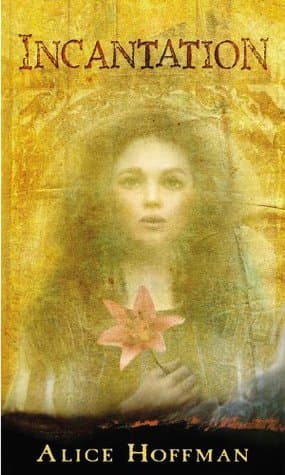
Synopsis
Covers the whole plot, including the ending.
- Difficulty
- Easy
- Pacing
- Moderate
- Mood
- Atmospheric, Poignant, Hopeful, Dark
- Read it if
- You enjoy historical fiction with a strong emotional core, themes of identity and persecution, and a touch of magical realism.
- Skip it if
- You prefer fast-paced action over character-driven narratives, or are sensitive to themes of religious persecution and betrayal.
Incantation Plot Summary
Covers the whole plot, including the ending.
The Hidden Life of Estrella
Estrella de Madrigal, a sixteen-year-old girl in Ávila, Spain, appears to be a devout Catholic, attending church and confessing sins. However, her family, like many in their community, are Marranos – Jews who outwardly converted to Catholicism to escape the Spanish Inquisition, while secretly practicing their ancestral faith. Estrella's grandmother, the matriarch, teaches her hidden rituals and traditions, such as lighting Shabbat candles in the cellar and observing dietary laws in secret. Estrella feels the constant tension and fear of exposure, knowing discovery would mean torture and death. Her world is small, limited by the need for secrecy and the constant threat of betrayal.
The Arrival of Catalina
Catalina, a beautiful and lively girl from Seville, arrives in Ávila and quickly joins Estrella's social circle. She is charming, outgoing, and seemingly open-minded, captivating Estrella and her friends, including Estrella's cousin, Chava. Catalina's presence initially brings excitement and a new perspective to Estrella's guarded life. However, Estrella notices subtle differences in Catalina's behavior and occasional pointed questions about her family's customs. Given their secret, these questions spark suspicion in Estrella, though she tries to dismiss it as paranoia. Catalina's friendship, while initially happy, also introduces unpredictable danger into Estrella's carefully built world.
Forbidden Love and Kabbalah
Estrella is drawn to Andrés, a young man from a prominent family in Ávila. Their connection grows into a secret romance, threatened by discovery, as any relationship outside Church norms could be scrutinized. At the same time, Estrella's grandmother begins teaching her the deeper mysteries of Kabbalah, the ancient Jewish mystical tradition. Estrella learns about the Tree of Life, the ten sefirot, and the power of divine names. This spiritual journey offers her comfort and a connection to something ancient and powerful, countering the fear and oppression of her daily life. Kabbalah's teachings become a source of strength and understanding for Estrella, deepening her commitment to her hidden heritage.
The Seeds of Doubt
As Catalina spends more time with Estrella and her family, her questions become more direct and her observations more unsettling. She comments on the family's Friday evening rituals, the absence of pork from their table, and other small details that, to an outsider, might seem innocent, but to Estrella, signal a dangerous curiosity. Estrella's grandmother and mother also notice Catalina's unusual interest and warn Estrella to be careful. The innocent friendship begins to feel like surveillance, and Estrella struggles with the conflict between her loyalty to Catalina and her growing fear for her family's safety. The companionship slowly becomes a source of dread, hinting at an impending betrayal.
The Betrayal and Arrest
The inevitable happens. Catalina, fueled by jealousy over Andrés's affection for Estrella and perhaps by a deeper, more malicious intent, betrays Estrella and her family to the Holy Office of the Inquisition. The authorities raid Estrella's home, finding evidence of their Jewish practices – Shabbat candles, hidden prayer books, and other forbidden items. Estrella's parents, grandmother, and younger sister, Luna, are all arrested and taken away. Estrella, not home during the raid, returns to find her house ransacked and her family gone. Her world shatters, leaving her alone, terrified, and consumed by grief and a desperate need for revenge against Catalina.
Flight and Sanctuary
After witnessing her home's devastation and her family's arrest, Estrella knows she must flee to survive. Remembering her grandmother's instructions about seeking help from 'those who understand,' she leaves Ávila, avoiding Inquisition patrols. She carries a small, hidden pouch with coins and a parchment with Kabbalistic symbols. Her journey is dangerous and solitary, marked by constant fear and the crushing weight of her family's fate. She eventually finds sanctuary with a small community of hidden Jews living in a remote, mountainous region, who offer her shelter and a fragile sense of hope amid her despair.
Reunion with Andrés
While in hiding, Estrella is unexpectedly reunited with Andrés. He had been searching for her, having learned of the Inquisition's actions and fearing for her safety. Their reunion is bittersweet, filled with the pain of shared loss and the relief of finding each other. Andrés, despite his Catholic upbringing, expresses his unwavering love and commitment to Estrella, willing to defy societal norms to be with her. He offers emotional support and helps her find purpose beyond her immediate grief and fear. Their love becomes a beacon of hope, a fragile but powerful force against the darkness of persecution, strengthening Estrella's will to survive and fight for justice.
The Plan for Revenge
Consumed by a desire for retribution, Estrella plans revenge on Catalina. Kabbalah's teachings, once a source of comfort, now become tools for her vengeful purpose. She believes she can use the mystical powers she has learned to strike back at her betrayer. Andrés, while not fully understanding the spiritual depth of her plan, supports her out of love and a shared sense of injustice. Estrella's focus narrows to Catalina, her grief turning into a burning need for justice, or at least, a reckoning. Her spiritual journey shifts from personal enlightenment to one driven by a deep need to balance the suffering inflicted upon her family.
Confrontation and Consequences
Estrella, with Andrés, returns to Ávila and confronts Catalina. The confrontation is not physical but a battle of wills and spiritual forces. Estrella uses her Kabbalistic knowledge, invoking ancient names and powers, to unleash a form of mystical justice on Catalina. The scene is charged with magical realism, as spiritual and emotional energies appear in tangible ways. Catalina suffers a devastating consequence, a reflection of her betrayal, though its exact nature is somewhat ambiguous, implying a spiritual or psychological unraveling. The act of revenge, while seemingly successful, leaves Estrella deeply shaken and questioning the true cost of her actions.
Aftermath and New Beginnings
After the confrontation, Estrella and Andrés realize they cannot stay in Ávila. They decide to leave Spain, seeking a new life where they can practice their faith freely and live without fear. They journey to a new land, carrying the indelible marks of their experiences – the trauma of persecution, the pain of loss, and the strength of their enduring love. Estrella, though forever changed by the events, finds renewed purpose in building a life with Andrés, honoring her family's memory, and preserving her heritage. The novel ends with hopeful uncertainty, acknowledging past scars but looking toward a future where love and faith can thrive.
Principal Figures
Estrella de Madrigal
Protagonist
A brave Marrano girl who discovers her true heritage and fights for justice.
Estrella is a sixteen-year-old girl living a double life in 16th-century Ávila. Outwardly Catholic, she secretly practices Judaism with her family, constantly fearing discovery by the Inquisition. She is intelligent, observant, and deeply connected to her family. Her initial naiveté gives way to a fierce determination and a profound spiritual awakening as she delves into Kabbalah. Estrella is driven by love for her family and, later, by a burning desire for justice and revenge after their betrayal and arrest.
Relationships: Catalina (Initially a close friend, later her betrayer); Andrés (Her true love and steadfast supporter); Grandmother (Her spiritual guide and teacher of Kabbalah); Parents and Luna (Her beloved family, whose loss fuels her actions)
Andrés
Supporting
Estrella's true love, a Catholic who stands by her despite the dangers.
Andrés is a young man from Ávila who falls deeply in love with Estrella. Despite his Catholic upbringing and the extreme dangers of the time, he remains loyal and devoted to her. He is kind, courageous, and willing to defy societal norms to protect Estrella. He may not fully understand the mystical aspects of her faith, but he believes in her and supports her quest for justice, offering her unwavering emotional strength and practical assistance.
Relationships: Estrella (His true love and partner); Catalina (Object of Catalina's unrequited affection)
Catalina
Antagonist
A beautiful but manipulative girl who betrays Estrella and her family.
Catalina is a new arrival in Ávila, charming and seemingly friendly, but harboring a darker, envious nature. She is captivated by Andrés and becomes jealous of his affection for Estrella. Her curiosity about Estrella's family customs quickly turns into suspicion and, ultimately, malicious betrayal. She represents the external threat of the Inquisition, but also the internal danger of envy and deceit within the community. Her actions are the catalyst for the tragedy that befalls Estrella's family.
Relationships: Estrella (False friend, rival for Andrés's affection, ultimately her victim); Andrés (Object of her unrequited affection)
Estrella's Grandmother
Supporting
The wise matriarch who guides Estrella in the ancient ways of Kabbalah.
The grandmother is the keeper of her family's Jewish traditions and the spiritual heart of the household. She is wise, resilient, and deeply devoted to her faith. She teaches Estrella the secret rituals and, more importantly, the mystical wisdom of Kabbalah, preparing her for the challenges she will face. Her teachings provide Estrella with both spiritual solace and the tools for survival and, ultimately, justice. She represents the enduring strength of faith and heritage in the face of persecution.
Relationships: Estrella (Granddaughter and spiritual apprentice); Estrella's Parents (Her children)
Estrella's Mother
Supporting
A loving parent who tries to protect her family from the Inquisition.
Estrella's mother is a devoted parent who, along with her husband, strives to maintain their secret Jewish practices while outwardly conforming to Catholicism. She is loving, cautious, and deeply fearful of the Inquisition's reach. Her primary concern is the safety and well-being of her children, especially Estrella and Luna. She supports her mother's efforts to educate Estrella in their faith, understanding the importance of passing on their heritage.
Relationships: Estrella (Daughter); Estrella's Father (Husband); Estrella's Grandmother (Mother)
Estrella's Father
Supporting
A steadfast figure who silently endures the dangers of their hidden faith.
Estrella's father is a quiet but strong presence in the family, equally committed to their secret Jewish life. He bears the heavy burden of providing for and protecting his family under constant threat. He represents the silent strength and resilience required to live as a Marrano. His love for his family is evident in his actions and his quiet acceptance of the dangers they face daily. He is a pillar of strength, even in the face of the Inquisition's terror.
Relationships: Estrella (Daughter); Estrella's Mother (Wife)
Luna
Supporting
Estrella's younger sister, a symbol of innocence and vulnerability.
Luna is Estrella's younger sister, a child who is still relatively innocent to the full dangers of their hidden life. She represents the vulnerability of the younger generation and the purity of their faith before it is hardened by fear and persecution. Her arrest, alongside her parents and grandmother, highlights the indiscriminate cruelty of the Inquisition and deepens Estrella's pain and resolve.
Relationships: Estrella (Older sister); Estrella's Parents (Parents)
Chava
Supporting
Estrella's cousin and friend, part of their shared secret community.
Chava is Estrella's cousin and a close friend, sharing the burden of their secret Marrano life. She is part of the small circle of young people who navigate the complexities of their hidden faith. Chava provides Estrella with companionship and a sense of normalcy amidst the constant fear. Her presence helps to illustrate the broader community of hidden Jews in Ávila.
Relationships: Estrella (Cousin and friend)
Themes & Insights
Faith and Persecution
The central theme explores faith's lasting power in the face of extreme persecution. Estrella's family, like many Marranos, risks everything to maintain their Jewish identity and traditions in secret, under the constant threat of the Spanish Inquisition. This theme appears through hidden rituals in the cellar, fear of discovery, and the tragic arrest of Estrella's family. It highlights spiritual resilience and a deep commitment to one's heritage, even when it means sacrificing life. The novel uses historical context to show the timeless struggle for religious freedom.
“We were all of us shadows, living in the shadows, and every day was a lesson in how to disappear.”
Identity and Self-Discovery
Estrella's journey is one of self-discovery, moving from a fragmented identity to embracing her true self. Initially, she is torn between her outward Catholic persona and her hidden Jewish heritage. Her immersion into Kabbalah, guided by her grandmother, helps her understand and accept her true spiritual and cultural identity. The persecution she faces forces her to shed her false self and embody her ancestors' strength and wisdom, leading her to claim her heritage fully and find inner power. This theme connects deeply with her spiritual growth and her understanding of who she truly is.
“When you know who you are, no one can take that away from you. No one can steal your soul.”
Betrayal and Revenge
The theme of betrayal is personified by Catalina, whose envy and malice lead to the devastating exposure and arrest of Estrella's family. This act shatters Estrella's world and fuels her quest for revenge. The novel explores betrayal's destructive nature and the complex emotions it brings – grief, rage, and the desire for retribution. Estrella's eventual confrontation with Catalina, using her Kabbalistic knowledge, examines the moral ambiguities of revenge and whether it truly brings peace or merely continues suffering.
“There was a fire inside her now, a fire that had been lit by betrayal and fueled by grief.”
Love and Resilience
Amid the darkness of persecution and betrayal, the theme of love, particularly between Estrella and Andrés, provides resilience and hope. Their forbidden love crosses religious and societal barriers, offering comfort and strength to Estrella. Andrés's unwavering loyalty and commitment give her a reason to fight and survive. This theme shows how love can be a refuge and a driving force, helping individuals endure unimaginable hardships and find the courage to build a new future, even after deep loss.
“Love, she learned, was not a fragile thing. It was a weapon, a shield, a fire against the cold.”
The Power of Story and Memory
The novel emphasizes the importance of preserving stories and memories, especially in communities facing erasure. The secret practice of Judaism itself is an act of memory and storytelling, passing traditions from one generation to the next. Estrella's grandmother actively transmits Kabbalah's stories and teachings, ensuring their survival through Estrella. This theme shows how cultural and spiritual heritage, maintained through oral tradition and hidden texts, provides strength and identity, even when official history tries to suppress it. Remembering becomes an act of defiance and survival.
“Our history is written in our blood, not in their books.”
Plot Devices & Literary Techniques
Magical Realism
Interweaving mystical elements into a realistic historical setting.
Alice Hoffman employs magical realism to blend the harsh realities of the Spanish Inquisition with the mystical elements of Kabbalah. This device is evident in Estrella's spiritual experiences, her grandmother's profound wisdom, and especially in the climactic confrontation with Catalina, where spiritual energies manifest in tangible, yet subtly ambiguous ways. The magical realism enhances the themes of faith and identity, suggesting that there are forces beyond the mundane that influence the characters' lives and the unfolding of events, giving a sense of the divine in a world of human cruelty.
Foreshadowing
Hints and clues that suggest future events and dangers.
Foreshadowing is used throughout the novel to build tension and suspense. Catalina's overly curious questions about Estrella's family customs, her pointed observations about their behavior, and the grandmother's warnings all subtly hint at the impending betrayal and the dangers of their hidden life. This device keeps the reader on edge, aware of the lurking threat, and emphasizes the constant fear and paranoia that Estrella and her family live under, making the eventual betrayal feel both inevitable and devastating.
Symbolism (Candles/Light)
The use of candles and light to represent faith, hope, and hidden truth.
Candles and light are potent symbols in 'Incantation.' The Shabbat candles, lit in secret in the cellar, represent the hidden flame of faith and tradition that Estrella's family keeps alive. Light, generally, symbolizes truth, hope, and divine presence, especially in the context of Kabbalah. In contrast, darkness represents the oppression of the Inquisition and the fear of exposure. The act of lighting candles, even in secret, becomes a powerful ritual of defiance and an affirmation of their enduring spirit and heritage against the encroaching darkness.
The Journey Motif
Estrella's physical and spiritual quest for survival and justice.
The journey motif encompasses both Estrella's literal flight from Ávila after her family's arrest and her deeper spiritual journey of self-discovery and transformation. Her physical journey through the wilderness to find sanctuary mirrors her internal quest to understand her faith, harness its power, and ultimately seek justice. This device emphasizes her growth from a protected girl to a resilient woman, capable of navigating both external dangers and internal turmoil, ultimately leading her to a new beginning.
Incantation Quotes
“There are some things you cannot forget, no matter how hard you try.”
“Fear can make you do terrible things, but love can make you do even more.”
“Sometimes, the only way to be safe is to be invisible.”
“The heart remembers what the mind tries to forget.”
“Every secret has a way of coming out, eventually.”
“We are all made of stardust and stories.”
“Magic is real, if you know where to look.”
“There are places where evil cannot touch, if you only believe.”
“To be truly free, you must first be brave enough to be yourself.”
“Even in the darkest night, there is always a flicker of light.”
“Love is not a choice, but a destiny.”
“The past is never truly gone; it lives within us.”
“Silence can be louder than any scream.”
“Sometimes, the only way to heal is to remember.”
Quiz
10 questions on the plot and the characters. Each answer comes with a short explanation.
Question 1
What is Estrella's family secretly practicing, which she discovers early in the novel?
- Alchemy
- Kabbalah
- Witchcraft
- Astrology
Show answer
B. Kabbalah Estrella discovers her family secretly practices Kabbalah, the ancient Jewish mystical tradition, which is central to her journey of self-discovery.
Question 2
What is the primary danger faced by Estrella and her family, as Marranos, in the historical setting of the novel?
- War with neighboring kingdoms
- Economic hardship and poverty
- Persecution by the Spanish Inquisition
- Plague and disease
Show answer
C. Persecution by the Spanish Inquisition As Marranos, Spanish Jews secretly practicing their faith, Estrella and her family constantly face the threat of persecution, torture, and death at the hands of the Spanish Inquisition.
Question 3
Who is the friend whose betrayal ultimately leads to devastating consequences for Estrella?
- Manuel
- Catalina
- Saul
- Felicia
Show answer
D. Felicia Felicia, Estrella's supposed friend, betrays her and her family's secret practices to the Inquisition, unleashing unimaginable evil.
Question 4
What is the significance of the 'incantation' in the title to Estrella's journey?
- It refers to a specific spell she casts to escape danger.
- It symbolizes the hidden prayers and ancient wisdom her family uses to survive.
- It is a coded message used by the Marranos to communicate.
- It is the name of a secret society she joins.
Show answer
B. It symbolizes the hidden prayers and ancient wisdom her family uses to survive. The 'incantation' represents the hidden prayers, blessings, and ancient wisdom of Kabbalah that Estrella's family practices in secret, serving as their spiritual lifeline and a source of strength.
Question 5
Estrella's true love interest in the story is:
- A Christian nobleman who tries to protect her.
- A young man from a neighboring village who shares her faith.
- A soldier in the Spanish army.
- Her childhood friend, Felicia's brother.
Show answer
B. A young man from a neighboring village who shares her faith. Estrella finds true love with a young man who shares her hidden faith and understanding of Kabbalah, representing a connection beyond the dangers of their world.
Question 6
What specific historical period and location does 'Incantation' primarily take place in?
- 16th century England
- 15th century Spain
- 17th century France
- 14th century Italy
Show answer
B. 15th century Spain The novel is set in 15th-century Spain, during the height of the Spanish Inquisition's persecution of Jews and conversos.
Question 7
How does Estrella's mother attempt to protect her children from the dangers of their hidden faith?
- By arranging for them to marry into wealthy Christian families.
- By teaching them to perfectly blend in with Christian society and deny their heritage.
- By sending them to live in another country.
- By converting to Christianity herself to set an example.
Show answer
B. By teaching them to perfectly blend in with Christian society and deny their heritage. Estrella's mother instills in her children the necessity of living a double life, outwardly conforming to Christian society while secretly practicing their Jewish faith, a common strategy for Marranos.
Question 8
A central theme of the novel is the tension between outward conformity and inner identity. How is this theme most powerfully explored through Estrella's character?
- Her struggle to choose between two potential romantic partners.
- Her desire to become a powerful leader in the Christian community while secretly maintaining her faith.
- Her journey from an unaware girl to a woman embracing her true Jewish heritage despite extreme danger.
- Her decision to publicly denounce her family's practices to save herself.
Show answer
C. Her journey from an unaware girl to a woman embracing her true Jewish heritage despite extreme danger. Estrella's entire arc revolves around this tension: she starts unaware of her family's true identity, then slowly embraces her hidden Jewish heritage and the wisdom of Kabbalah, finding her true self despite the immense risks of doing so.
Question 9
What is the ultimate fate of many of the Marrano community, including Estrella's family, once their secrets are exposed?
- They are exiled to other European countries.
- They are forced to pay large fines and publicly apologize.
- They face torture, imprisonment, and execution by the Inquisition.
- They are allowed to convert to Christianity and live peacefully.
Show answer
C. They face torture, imprisonment, and execution by the Inquisition. When their secrets are exposed, Marranos faced the brutal realities of the Spanish Inquisition, which included torture, imprisonment, and public execution, often by burning at the stake (auto-da-fé).
Question 10
How does the novel explore the concept of 'loss and rebirth' for Estrella?
- She loses her fortune but gains a new social status.
- She experiences the loss of her family and innocence, leading to a spiritual and personal transformation.
- She loses her faith but finds a new purpose in political activism.
- She loses her memory but slowly regains it, becoming a different person.
Show answer
B. She experiences the loss of her family and innocence, leading to a spiritual and personal transformation. Estrella endures immense loss—of her family, her childhood, and her perceived safety—but these traumatic events force her to undergo a profound spiritual and personal rebirth, fully embracing her identity and faith.
Incantation FAQ
What is the central conflict Estrella faces in 'Incantation'?
Estrella, a Marrano Jew in 16th-century Spain, grapples with the constant fear of exposure and persecution by the Inquisition while secretly practicing Judaism. Her personal conflict intensifies as she discovers her family's hidden faith and navigates the treacherous line between outward conformity and inner belief, ultimately leading to a devastating betrayal that shatters her world.
Who is Estrella's primary love interest in the novel, and what is the nature of their relationship?
Estrella falls in love with Cristóbal, a seemingly kind and intellectual young man from a prominent 'Old Christian' family. Their relationship blossoms through shared intellectual pursuits and a mutual attraction, but it is fraught with danger due to their differing backgrounds and the societal pressures of the time, making their connection a risky endeavor for Estrella.
What role does the 'kabbalah' play in Estrella's journey and the narrative?
The kabbalah, an ancient Jewish mystical tradition, serves as Estrella's spiritual awakening and a source of strength. Through her grandmother and mother, Estrella learns the hidden meanings and practices, which connect her to her heritage and provide a framework for understanding her world and inner self, ultimately guiding her through profound loss and rebirth.
How does the historical setting of the Spanish Inquisition impact the characters' daily lives?
The Spanish Inquisition casts a constant shadow of terror over the characters, forcing Marrano Jews like Estrella's family to live double lives, outwardly conforming to Catholicism while secretly adhering to Jewish traditions. This pervasive fear dictates their social interactions, limits their expressions of identity, and makes every decision, from marriage to friendship, a potential life-or-death gamble.
Who is Catalina, and what is her significance to Estrella's story?
Catalina is Estrella's childhood best friend, and her significance lies in her devastating betrayal. Initially a close confidante, Catalina's jealousy and resentment, fueled by societal prejudices and personal insecurities, lead her to denounce Estrella and her family to the Inquisition, unleashing unimaginable evil and irrevocably changing Estrella's life.
Are there any subtle foreshadowing elements regarding Catalina's eventual betrayal?
Yes, subtle hints of Catalina's underlying jealousy and insecurity are present early on, particularly in her reactions to Estrella's beauty, intelligence, and burgeoning romance with Cristóbal. Her seemingly innocent probing questions about Estrella's family customs and her sometimes sharp remarks, though dismissed at first, foreshadow her deeper resentment and capacity for treachery.
What is the significance of the specific rituals or objects mentioned in relation to the kabbalah?
The rituals and objects, such as the lighting of Shabbat candles in secret or the use of specific Hebrew prayers, are not just religious practices but powerful symbols of resistance, identity, and continuity. They represent the family's unwavering faith and serve as tangible links to their heritage, providing comfort and strength in the face of persecution, and are central to Estrella's spiritual awakening.
Are there any deeper symbolic meanings behind the 'incantation' itself or its title?
The 'incantation' can be interpreted both literally as the prayers and blessings Estrella's family recites, and metaphorically as the enduring power of faith, memory, and storytelling to preserve identity in the face of annihilation. It signifies the spoken word as a form of resistance and a way to conjure strength and hope, even when all seems lost.
How does Estrella's internal struggle with her identity evolve throughout the novel?
Initially, Estrella is largely unaware of her Jewish heritage, living a seemingly normal Catholic life. Her identity struggle begins with the shocking discovery of her family's secret, leading to fear and confusion. As she learns the kabbalah, she embraces her true self, finding pride and purpose, but this newfound identity also brings immense danger and forces her to confront profound loss and resilience.
Discuss the psychological impact of living a double life on characters like Estrella and her family.
Living a double life under the Inquisition's threat creates immense psychological strain, fostering constant paranoia, anxiety, and a deep sense of isolation. Characters must suppress their true identities, leading to internal conflict and a profound distrust of outsiders, even friends. This existence breeds a pervasive fear of exposure, shaping their personalities and relationships.
How does the novel explore the psychology of betrayal through Catalina's actions?
Catalina's betrayal is rooted in a complex mix of jealousy, insecurity, and perhaps a desire for social acceptance within the dominant Christian society. Her actions highlight how personal resentments can be weaponized by broader societal prejudices, revealing the destructive psychology of envy and the ease with which fear and conformity can lead individuals to commit horrific acts against those they once claimed to love.
What psychological journey does Estrella undergo after the devastating confrontation with evil?
After the devastating confrontation, Estrella undergoes a profound psychological journey of grief, trauma, and ultimately, resilience. She must process unimaginable loss and betrayal, confronting the depths of human cruelty. Her journey becomes one of survival, finding strength in her faith and heritage, and rediscovering her capacity for love and hope amidst the ruins of her former life.
Is the ending of 'Incantation' ultimately hopeful or tragic?
While 'Incantation' contains immense tragedy and loss, its ending leans towards hope. Estrella endures unspeakable suffering, but she survives and finds a path toward a new beginning, carrying the legacy of her family and faith. The resilience of the human spirit and the enduring power of love and identity suggest a hopeful future, despite the profound scars.
How does 'Incantation' resonate with contemporary issues of prejudice and identity?
'Incantation' profoundly resonates with contemporary issues by illustrating the timeless dangers of religious intolerance, the persecution of minorities, and the struggle for identity in oppressive societies. It highlights how fear and prejudice can lead to violence and betrayal, making its themes of faith, friendship, and resilience tragically relevant in today's world.
What is the author's message regarding the power of storytelling and memory in the face of persecution?
Alice Hoffman emphasizes the critical role of storytelling and memory as acts of resistance and preservation. By passing down traditions, prayers, and personal histories, characters like Estrella's grandmother ensure that their heritage endures despite attempts to erase it. The novel suggests that memory, shared through stories, is a powerful incantation against oblivion and a source of future strength.
How does the element of 'romance' contribute to the overall themes of the book, given its tragic backdrop?
The romance between Estrella and Cristóbal serves as a powerful counterpoint to the pervasive darkness of persecution. It highlights the human need for connection and love, even in the most dangerous circumstances. Their tragic love story underscores the devastating costs of intolerance, showing how societal hatred can destroy personal happiness, yet also how love can offer a glimpse of beauty and hope.
Could Cristóbal have done anything differently to prevent the tragedy, or was he merely a victim of circumstance?
Cristóbal, while appearing sympathetic, is largely a victim of circumstance and the rigid societal structures of his time. His love for Estrella is genuine, but his privileged background and lack of understanding of the true dangers Estrella faced limit his ability to act effectively. While he might have been more discerning about Catalina or more cautious, the overwhelming power of the Inquisition made preventing the tragedy nearly impossible for an individual in his position.
What is the significance of the 'startling premise inspired by historical fact' mentioned in the synopsis?
The 'startling premise' refers to the historical reality of the Marranos – Spanish Jews who were forced to convert to Catholicism but secretly maintained their Jewish faith. This historical fact grounds the novel in a harrowing truth, giving weight to the characters' struggles and making the persecution and double lives they endure all the more poignant and historically resonant.
About the author

Alice Hoffman is a celebrated American novelist known for her magical realism and explorations of family, love, and loss. Her notable works include the bestselling 'Practical Magic' series, 'The Museum of Extraordinary Things,' and 'The Rules of Magic.' Hoffman's poignant storytelling and vivid imagery have earned her widespread critical acclaim and a dedicated readership.
Similar books
- The Book Thief
Markus Zusak
4.4 (1.8M) average on GoodreadsHistorical FictionExplores themes of persecution, resilience, and the power of love amidst historical tragedy.
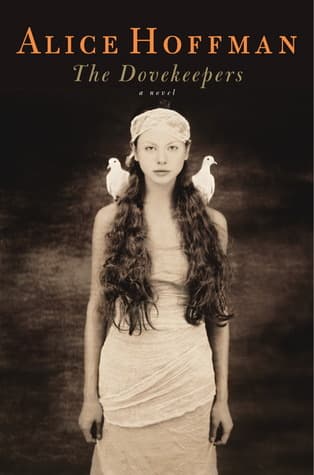
- The Dovekeepers
Alice Hoffman
4.0 (67k) average on GoodreadsHistorical FictionAnother historical novel by the same author, focusing on women's resilience and hidden histories.
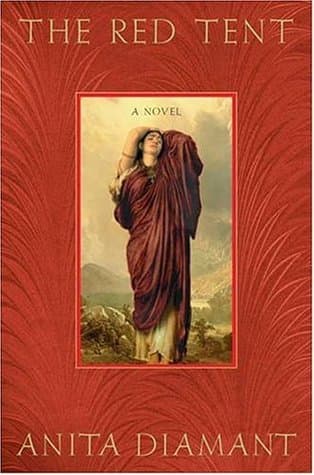
- The Red Tent
Anita Diamant
4.2 (520k) average on GoodreadsHistorical FictionA historical novel that reimagines biblical stories through a feminist lens, focusing on female bonds and ancient traditions.
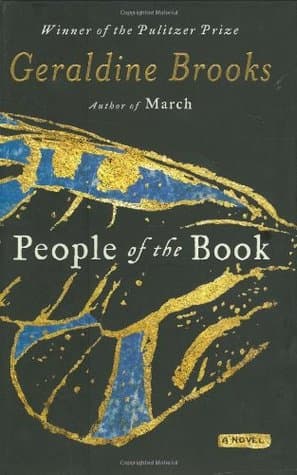
- People of the Book
Geraldine Brooks
4.0 (123k) average on GoodreadsHistorical FictionBrooks's "People of the Book" (2008) also deals with Jewish history and persecution, specifically following the journey of a Haggadah across centuries. It is an adult historical fiction, offering a much broader scope and meticulous historical detail, tracing the object through various historical periods and conflicts. "Incantation," being YA, has a narrower focus on a single protagonist and a shorter timeframe, prioritizing emotional immediacy over extensive historical exposition. Brooks's narrative is more academic and sprawling, while Hoffman's is more intimate and focused on individual experience.
- Harry Potter and the Sorcerer's Stone
J.K. Rowling
4.5 (7M) average on GoodreadsFantasyRescued from a miserable life under the stairs, an orphaned boy discovers he's a wizard destined for a magical school, where he uncovers a dangerous secret tied to the dark wizard who murdered his parents.
- The Hunger Games
Suzanne Collins
4.3 (6.4M) average on GoodreadsFantasyIn a future where children fight to the death on live television, Katniss Everdeen volunteers for the arena, turning a death sentence into a fight for survival and a spark of rebellion.


Enjoyed the summary?
A summary gives you the shape of the book. The book itself has the detail, the examples and the voice.
Find Incantation on AmazonAs an Amazon Associate, BookBrief earns from qualifying purchases. How we're funded