
Synopsis
Covers the whole plot, including the ending.
- Difficulty
- Medium
- Pacing
- Moderate
- Mood
- Atmospheric, Resilient, Tragic, Hopeful, Mystical
- Read it if
- You enjoy richly detailed historical fiction with a focus on powerful female characters and a blend of magical realism.
- Skip it if
- You prefer fast-paced action over character-driven narratives, or are sensitive to graphic depictions of historical violence and tragedy.
The Dovekeepers Plot Summary
Covers the whole plot, including the ending.
The Arrival at Masada
Yael, estranged from her father, Ben Ya'ir, because of her mother's death in childbirth, arrives at Masada after a difficult journey. She eventually works in the dovecotes. Revka, a baker's wife, arrives with her two grandsons, Ari and Ari, who are mute after witnessing their mother's murder by Roman soldiers. She seeks refuge and a new purpose. Aziza, raised as a boy by her warrior father, Eleazar ben Ya'ir, after her mother's death, comes to Masada as a skilled fighter. She is independent and committed to the cause. Shirah, a healer from Alexandria, arrives with her daughter, the silent Nia, seeking safety and a place where her abilities are accepted. Each woman is given a role, and their paths begin to connect.
The Dovecotes and Shared Lives
Yael, Revka, Aziza, and Shirah all work in the dovecotes, caring for the thousands of doves that provide food and a sense of routine for the besieged community. This shared task brings them together, despite initial differences. They learn to rely on each other, forming an unexpected bond as they navigate daily life on Masada. The dovecotes become a sanctuary where secrets are slowly revealed, and where the women find comfort in nurturing life as danger approaches. Shirah's knowledge of herbs and healing is often needed, and Revka's practical skills are valuable.
Yael's Forbidden Love
Yael, wanting connection, is drawn to Ben Simon, a married soldier and carpenter. Their attraction quickly becomes a passionate, secret affair. They meet in secret, stealing moments together despite the risks and community rules. Yael values these stolen moments, finding a sense of belonging and love she has never known. However, Shirah discovers the affair. With her intuitive understanding of people, Shirah senses the deep emotional entanglement and the potential for heartbreak and scandal within Masada's close community. This discovery adds tension to Yael's already complex life.
Aziza's Warrior Spirit and Love
Aziza, raised as a boy and skilled in combat, struggles with her identity and her place among the women. She feels most comfortable on the battlefield, not in domestic settings. She forms a close bond with Amram, a fellow warrior, and their relationship becomes a passionate love affair. Aziza’s independence and Amram’s support help her embrace her true self, as a warrior and a woman capable of deep love. Their love offers a brief escape from the siege's harsh realities, showing the strength of human connection even in desperate times. Their bond is a source of strength for both.
Shirah's Healing and Visions
Shirah, with her knowledge of herbs, ancient remedies, and a touch of magic, becomes the main healer for the Masada community. She cares for the sick and wounded, offering comfort. Beyond her medical skills, Shirah also has strong intuition and can interpret dreams and glimpse the future. Her visions, often unsettling, provide insight into Masada’s fate. She shares some of these visions with the other dovekeepers, who, though sometimes skeptical, come to rely on her wisdom. Her presence offers a unique mix of practical healing and spiritual insight, making her an essential, if mysterious, figure.
Revka's Grief and Resilience
Revka carries the deep grief of witnessing her daughter's murder by Roman soldiers, a trauma that has silenced her two young grandsons. On Masada, she dedicates herself to their care, finding new purpose in protecting and nurturing them. She struggles with her memories, often reliving the horrific event, but her love for her grandsons motivates her to survive. She also connects with the other dovekeepers, finding community and understanding that helps her begin to heal, even as the siege tightens. Her quiet strength anchors the group.
The Siege Intensifies
As the Roman army builds its ramp, the siege on Masada intensifies. Resources become scarce, and the constant threat of attack wears down the defenders' morale. The community begins to fray under the pressure. The women in the dovecotes see the growing despair, but also the unwavering determination of some. Battle sounds come closer, and the reality of their precarious situation is clear. Roman forces, led by Flavius Silva, are relentless, slowly closing in on the fortress. Hope dwindles as days turn into weeks, and survival seems increasingly unlikely.
Yael's Pregnancy and Birth
Yael discovers she is pregnant with Ben Simon's child. This brings both joy and fear, as conditions on Masada are dire. Despite the risks, she is determined to protect her unborn child. With help from Shirah and the other dovekeepers, Yael endures a difficult pregnancy. She gives birth to a daughter, Naomi. Naomi's birth, a symbol of new life amid death, brings a brief moment of hope to the besieged community. However, the child's existence also raises questions about her paternity and complicates Yael's already dangerous situation, especially with the Roman breach approaching.
The Final Stand
The Roman ramp is completed, and their forces breach Masada's walls. Recognizing inevitable defeat and unwilling to surrender, Eleazar ben Ya'ir, Masada's leader, gives a powerful speech to his people. He urges them to choose death over Roman captivity. His words resonate with the weary inhabitants, who understand the horrific fate awaiting them if captured. The decision weighs heavily on everyone, but the resolve to maintain dignity and freedom, even in death, is strong among many defenders, including the dovekeepers.
The Women's Choice and Survival
Faced with Eleazar ben Ya'ir's call for collective suicide, the dovekeepers consider their choices. Yael, holding her infant daughter Naomi, is torn between despair and the fierce instinct to protect her child. Revka, with her two silent grandsons, seeks a way to preserve their innocence. Aziza and Amram make their own solemn decision. Shirah, with Nia, consults her visions and wisdom. Ultimately, a few, including Yael and Naomi, and Revka and her grandsons, hide, choosing to live and witness the tragedy. They are discovered by the Romans after the mass suicide, becoming the only survivors mentioned by Josephus, carrying the heavy burden of memory and loss.
The Dovekeepers Characters
Yael
Protagonist
A young woman haunted by her past, seeking love and acceptance.
Yael is a young woman burdened by the belief that she caused her mother's death in childbirth, a sentiment her father, Ben Ya'ir, reinforces. This leads to a deep-seated insecurity and a longing for love and acceptance. She is initially shy and withdrawn but possesses an inner strength and fierce loyalty. Her experiences on Masada, particularly her forbidden love and subsequent motherhood, force her to confront her fears and find her own voice. She is observant and sensitive, often internalizing the pain around her.
Relationships: Ben Ya'ir (Father, estranged and critical); Ben Simon (Lover, father of her child); Revka (Fellow dovekeeper, maternal figure); Shirah (Fellow dovekeeper, mentor and friend); Aziza (Fellow dovekeeper, sisterly bond)
Revka
Protagonist
A baker's wife, traumatized by loss, finding purpose in protecting her grandsons.
Revka is a practical, grounded woman, a baker's wife whose life was shattered by the brutal murder of her daughter by Roman soldiers. This trauma has left her grandsons mute and has instilled in her a deep-seated grief and a fierce protective instinct. She is resilient and resourceful, finding solace in routine and the care of others. On Masada, she channels her grief into a renewed purpose: ensuring the survival and well-being of her grandsons. She is a quiet anchor, offering comfort and stability to the other women.
Relationships: Ari and Ari (Grandsons, her primary focus of care); Yael (Fellow dovekeeper, maternal figure); Shirah (Fellow dovekeeper, friend); Aziza (Fellow dovekeeper, friend)
Aziza
Protagonist
A warrior's daughter, raised as a boy, grappling with identity and finding love.
Aziza is a fierce and independent warrior, raised as a boy by her father, Eleazar ben Ya'ir, after her mother's death. She is skilled in combat, an expert rider and marksman, and finds her identity primarily in the masculine world of battle. This upbringing leaves her feeling alienated from traditional female roles and struggles with her femininity. She is brave, loyal, and passionate, but also guarded. Her journey on Masada involves coming to terms with her true self and finding love with Amram, which allows her to embrace both her warrior spirit and her identity as a woman.
Relationships: Eleazar ben Ya'ir (Father, leader of Masada); Amram (Lover, fellow warrior); Yael (Fellow dovekeeper, sisterly bond); Shirah (Fellow dovekeeper, mentor); Revka (Fellow dovekeeper, friend)
Shirah
Protagonist
A wise healer and sorceress from Alexandria, possessing uncanny insight and power.
Shirah is an enigmatic and powerful woman from Alexandria, skilled in ancient medicine, herbs, and what some consider magic. She possesses deep intuition and a connection to the spiritual world, often experiencing visions and prophetic dreams. She is a healer, both of bodies and spirits, and her wisdom is sought after by many. Shirah is fiercely independent and protective of her silent daughter, Nia. Despite her mystical abilities, she is grounded in compassion and a profound understanding of human nature, acting as a mentor and guide to the other dovekeepers. She represents the ancient wisdom and spiritual resilience of their people.
Relationships: Nia (Daughter, silent and mysterious); Yael (Fellow dovekeeper, mentor and friend); Revka (Fellow dovekeeper, friend); Aziza (Fellow dovekeeper, mentor)
Eleazar ben Ya'ir
Supporting
The zealous leader of Masada, Yael's father, and Aziza's father.
Eleazar ben Ya'ir is the charismatic and unyielding leader of the Sicarii rebels on Masada. He is a devout zealot, deeply committed to resisting Roman rule and preserving Jewish freedom, even if it means death. He is a powerful orator, capable of inspiring his followers to extreme acts. Personally, he is stern and unforgiving, especially towards his daughter Yael, whom he blames for her mother's death. He raised Aziza as a warrior, shaping her into a reflection of his own ideals. His ultimate decision to advocate for collective suicide defines the climax of the story.
Relationships: Yael (Estranged daughter); Aziza (Daughter, whom he raised as a son and warrior); The People of Masada (Leader and spiritual guide)
Ben Simon
Supporting
A married soldier and craftsman, Yael's secret lover.
Ben Simon is a skilled carpenter and a soldier on Masada. He is married and seemingly devoted to his family, yet he enters into a passionate, clandestine affair with Yael. He is kind and gentle, offering Yael the affection and attention she craves. While his actions are driven by desire, he also genuinely cares for Yael. His character highlights the complexities of human relationships and morality under extreme conditions, where traditional rules are often bent or broken in the face of desperation and the pursuit of connection. He represents a fleeting source of happiness and normalcy for Yael.
Relationships: Yael (Lover, father of her child); His Wife (Wife, to whom he is bound by marriage)
Amram
Supporting
A loyal warrior and Aziza's beloved.
Amram is a fellow warrior on Masada and Aziza's lover. He is strong, brave, and deeply devoted to Aziza. Unlike many, he respects and admires Aziza's warrior spirit and her unconventional nature, never attempting to diminish or change her. He provides her with unwavering support and love, allowing her to fully embrace her identity. Their relationship is one of mutual respect and passion, offering a glimpse of tenderness and connection amidst the brutality of war. He is a steadfast presence for Aziza, representing a safe haven in a dangerous world.
Relationships: Aziza (Lover and fellow warrior)
Nia
Supporting
Shirah's silent, mysterious daughter.
Nia is Shirah's daughter, a quiet and enigmatic child who rarely speaks. Her silence is not explained, adding to her mystique. She possesses an otherworldly quality, often seeming to understand more than she lets on. She is deeply connected to her mother and is often seen by her side. Nia represents innocence and the future, a fragile life in a world consumed by violence. Her presence emphasizes the theme of survival and the desperate hope for continuation, even in the darkest times. She is a symbol of the lives the women strive to protect.
Relationships: Shirah (Mother)
Flavius Silva
Antagonist
The Roman General leading the siege of Masada.
Flavius Silva is the Roman General tasked with conquering Masada. He is a formidable and relentless military leader, driven by duty and the desire to crush the Jewish rebellion. While he is the antagonist from the perspective of the Masada inhabitants, he is depicted as a strategic and methodical commander rather than purely evil. He represents the overwhelming power and efficiency of the Roman Empire. His determination to build the ramp and breach the fortress walls is a constant, looming threat throughout the novel, symbolizing the inevitable encroachment of fate.
Relationships: The People of Masada (Military adversary)
The Dovekeepers Themes
Survival and Resilience
This theme explores the will to survive against impossible odds. The women of Masada, stripped of their former lives, find new strength in the face of starvation, siege, and constant death. Revka's unwavering care for her mute grandsons, Yael's determination to protect her unborn child, and the collective effort to keep the dovecotes running all highlight this theme. Even in their final, harrowing choice, the act of a few hiding to bear witness is an ultimate act of survival, ensuring their story is not entirely lost. The dovekeepers, caring for life amid death, embody resilience.
“We were the dovekeepers, and we were the only ones left to carry the story.”
Love and Connection in Desperation
Amidst the siege, the characters seek and find various forms of love and connection, which become vital. Yael's passionate affair with Ben Simon, Aziza's deep bond with Amram, and the evolving sisterhood among the four dovekeepers all show the human need for intimacy and belonging, even in desperate circumstances. These relationships offer comfort, strength, and moments of joy that contrast with the surrounding despair. The love between the women, forged through shared hardship in the dovecotes, creates a powerful, though temporary, sanctuary.
“Love was not a thing to be wasted, not in a place where it was so scarce.”
Identity and Self-Discovery
Each woman on Masada must confront and redefine her identity. Yael sheds her guilt-ridden past to become a mother. Aziza, raised as a boy, grapples with her femininity and finds love that allows her to embrace her true self. Shirah embraces her role as a healer. Revka, initially defined by her loss, finds new purpose in protecting her grandsons. The extreme conditions remove societal expectations, allowing the women to discover their inner strengths and authentic selves in surprising ways. Their journey on Masada is as much an internal one of self-discovery as it is an external battle for survival.
“We learned who we were, not by the roles we had been given, but by the choices we made.”
Memory and Storytelling
The novel emphasizes memory and storytelling as ways to preserve history and honor the lost. The entire narrative is framed by Yael's role as a survivor, tasked with remembering and recounting Masada's events. The trauma of Revka's grandsons, silent witnesses, highlights memory's profound impact. Shirah's visions and her daughter Nia's quiet observation also contribute to this theme, suggesting that stories are carried not just through words but through experience and silence. The final act of survival is driven by the desire to ensure that the story of Masada and its people is not forgotten.
“We were the last, and we would remember. We would tell the story.”
Faith and Destiny vs. Free Will
Masada's inhabitants are deeply religious, believing in God's will and predetermined destiny, yet they constantly make choices reflecting free will. Eleazar ben Ya'ir's call for collective suicide is presented as a choice for freedom and dignity, even if it defies traditional religious tenets against self-murder. Shirah's visions hint at destiny, but the women still choose their paths. This tension between divine plan and human agency is central to the characters' struggles and decisions, particularly in the face of an inevitable and tragic end. The question of whether their fate is ordained or chosen adds depth to their suffering and resilience.
“Was it God’s will or our own desperate choice that brought us to this end?”
Plot Devices & Literary Techniques
Multiple Perspectives (First-Person)
The story is told through the alternating first-person narratives of the four main dovekeepers.
This device allows the reader to experience the events of Masada through the distinct emotional and psychological lenses of Yael, Revka, Aziza, and Shirah. Each woman's unique background, personality, and internal struggles shape her perception of the siege, the community, and her own relationships. This provides a rich, multi-faceted understanding of the events, fostering empathy for each character and highlighting the subjective nature of truth. It also allows for the gradual unveiling of their secrets and inner lives, building a complex tapestry of human experience under duress.
The Dovecotes
The dovecotes serve as a central gathering place, a source of sustenance, and a powerful symbol.
Beyond their practical function of providing food, the dovecotes are a potent symbol within the narrative. They represent life, hope, and the feminine sphere of nurturing and care amidst the masculine world of war and destruction. It is within these dovecotes that the four women form their deepest bonds, share their secrets, and find solace. The doves themselves, fragile yet resilient, mirror the women's own struggle for survival. The dovecotes become a sanctuary, a quiet place where life continues to flourish even as death looms outside the walls.
Flashbacks and Memories
Characters frequently revisit past traumas and significant life events through detailed memories.
Flashbacks are used extensively to reveal the backstories of the characters and the events that led them to Masada. Revka's recurring memories of her daughter's murder, Yael's recollection of her mother's death and her father's blame, and Shirah's memories of Alexandria all provide crucial context for their present actions and emotional states. This device deepens characterization, explains motivations, and underscores the lingering impact of trauma and the weight of their personal histories on their current experiences during the siege.
Prophecy and Visions
Shirah's ability to foresee events and interpret dreams adds a mystical and foreboding element.
Shirah's prophetic visions and her ability to interpret dreams serve as a narrative device that introduces elements of mysticism and foreshadowing. Her insights often hint at the tragic future of Masada and its inhabitants, creating a sense of impending doom and heightening the dramatic tension. While not always explicit, these visions guide her actions and provide a spiritual dimension to the narrative. They also represent a connection to ancient wisdom and a different way of understanding the world, contrasting with the purely physical struggle of the siege.
The Dovekeepers Quotes
“There are things you can't outrun, no matter how fast you are.”
“We are all the stories we tell ourselves.”
“Hope is a dangerous thing, but it's all we have.”
“Love is a kind of magic, a spell that can be broken, or renewed.”
“Sometimes the greatest courage is to simply keep breathing.”
“The past is a wound that never truly heals, only scars over.”
“We were not meant to be alone, but sometimes it is the only way to survive.”
“A secret is a heavy burden, even if it protects others.”
“There is a language in the flight of doves, if you only know how to listen.”
“To forget is to die a little, to remember is to live with the pain.”
“Even in the darkest places, there can be a flicker of light.”
“The desert holds its own kind of beauty, stark and unforgiving.”
“A mother's love is a fierce thing, capable of anything.”
“History is not just dates and battles, but the stories of those who lived them.”
Quiz
10 questions on the plot and the characters. Each answer comes with a short explanation.
Question 1
Which character's father was an expert assassin and blamed her for her mother's death in childbirth?
- Revka
- Aziza
- Yael
- Shirah
Show answer
C. Yael Yael's background is described as having a father who was an expert assassin and never forgave her for her mother's death during childbirth.
Question 2
What is the primary role of the four main women, Yael, Revka, Aziza, and Shirah, during the siege of Masada?
- Warriors defending the walls
- Dovekeepers
- Healers and shamans
- Bakers and cooks
Show answer
B. Dovekeepers The novel explicitly states that 'All are dovekeepers, and all are also keeping secrets'. This is their shared primary role on Masada.
Question 3
What historical event forms the backdrop of 'The Dovekeepers'?
- The siege of Jerusalem by the Babylonians
- The Exodus from Egypt
- The siege of Masada by the Romans in 70 C.E.
- The Maccabean Revolt
Show answer
C. The siege of Masada by the Romans in 70 C.E. The book description clearly states the novel is 'set in ancient Israel. In 70 C.E., nine hundred Jews held out for months against armies of Romans on Masada'.
Question 4
Revka arrives at Masada with her young grandsons. What trauma rendered them mute?
- They were born mute due to a rare illness.
- Witnessing the brutal murder of their mother by Roman soldiers.
- They suffered a severe fall from a great height.
- A curse placed upon their family by a witch.
Show answer
B. Witnessing the brutal murder of their mother by Roman soldiers. The description states that Revka 'watched the horrifically brutal murder of her daughter by Roman soldiers; she brings to Masada her young grandsons, rendered mute by what they have witnessed.'
Question 5
Aziza, a warrior's daughter, was raised in what unconventional manner?
- As a priestess in a desert temple.
- As a boy, becoming a fearless rider and expert marksman.
- As a scholar, studying ancient texts in Alexandria.
- As a slave, secretly learning combat skills.
Show answer
B. As a boy, becoming a fearless rider and expert marksman. Aziza is described as 'a warrior's daughter, raised as a boy, a fearless rider and an expert marksman'.
Question 6
Shirah, born in Alexandria, possesses what unique skills or knowledge?
- She is a master architect and builder.
- She is wise in ancient magic and medicine, with uncanny insight.
- She is a renowned historian and scribe.
- She is an expert in desert survival and navigation.
Show answer
B. She is wise in ancient magic and medicine, with uncanny insight. Shirah is characterized as 'wise in the ways of ancient magic and medicine, a woman with uncanny insight and power'.
Question 7
According to the ancient historian Josephus, how many women and children survived the siege of Masada?
- One woman and three children
- Two women and five children
- Three women and two children
- Four women and one child
Show answer
B. Two women and five children The introduction states, 'According to the ancient historian Josephus, two women and five children survived.'
Question 8
What commonality, beyond being dovekeepers, ties the four women together regarding their personal lives and pasts?
- They all come from the same village.
- They are all keeping secrets about their identities, origins, parentage, and loves.
- They are all sisters from the same family.
- They all share a common enemy from their past.
Show answer
B. They are all keeping secrets about their identities, origins, parentage, and loves. The text explicitly states: 'All are dovekeepers, and all are also keeping secrets - about who they are, where they come from, who fathered them, and whom they love.'
Question 9
The novel is described as Alice Hoffman's 'most ambitious and mesmerizing novel.' What aspects contribute to this description?
- Its focus solely on a single, isolated character's internal monologue.
- Its extensive imagination and research, spanning five years in writing.
- Its simple, straightforward plot without any complex character development.
- Its contemporary setting and modern themes.
Show answer
B. Its extensive imagination and research, spanning five years in writing. The opening sentence highlights that the novel is 'a tour de force of imagination and research, set in ancient Israel,' and that it took 'over five years in the writing.'
Question 10
What overarching theme about the women is emphasized by the description of them as 'extraordinarily bold, resourceful, and sensuous' and 'complex and fiercely independent'?
- Their reliance on male figures for survival.
- Their collective weakness and despair in the face of adversity.
- Their resilience, strength, and individual agency despite their desperate circumstances.
- Their complete detachment from the historical events unfolding around them.
Show answer
C. Their resilience, strength, and individual agency despite their desperate circumstances. The description emphasizes their individual strengths and characteristics ('bold, resourceful, sensuous,' 'complex and fiercely independent'), pointing to a theme of female resilience and agency.
The Dovekeepers FAQ
What is the central historical event depicted in 'The Dovekeepers'?
The novel is set during the siege of Masada in 70 C.E., where nine hundred Jewish rebels made a final stand against the Roman army. It culminates in the mass suicide of the defenders, with only two women and five children reportedly surviving, as recorded by Josephus.
Who are the four main 'dovekeepers' and how do their lives initially connect?
The four main women are Yael, Revka, Aziza, and Shirah. Their lives converge on Masada, where they are assigned to care for the doves, a task that brings them into close proximity and allows their individual stories and secrets to unfold amidst the siege.
What is Yael's backstory and her relationship with her father?
Yael's mother died giving birth to her, leading her father, an assassin, to resent and mistreat her. This difficult upbringing shaped her survival instincts and her deep-seated desire for love and acceptance, which she eventually finds in unexpected places on Masada.
What tragic event led Revka to Masada with her grandsons?
Revka, a baker's wife, witnessed the horrific murder of her daughter by Roman soldiers. This trauma rendered her young grandsons mute and spurred her to seek refuge on Masada, carrying the grief and the burden of protecting her traumatized family.
How does Aziza's upbringing differ from the other women, and what is her unique skill?
Aziza was raised as a boy by her warrior father, making her a skilled rider and expert marksman. This unconventional upbringing gave her exceptional physical prowess and a fiercely independent spirit, allowing her to serve as a soldier on Masada.
What is Shirah's role among the women and her unique abilities?
Shirah, from Alexandria, possesses knowledge of ancient magic and medicine, making her a healer and a woman of uncanny insight. She uses her wisdom to aid the community on Masada, often providing comfort and practical remedies during their desperate circumstances.
What is the significance of the 'dovekeepers' title beyond their literal duty?
Beyond their literal care for the doves, the title symbolizes the women's role as keepers of life, hope, and secrets amidst death and despair. The doves themselves represent beauty and fragility, mirroring the women's own resilience and vulnerability.
How do the women's secrets, such as parentage and forbidden love, intertwine with the siege narrative?
The women's personal secrets, including Yael's father's true identity, Aziza's forbidden love for a fellow soldier, and Shirah's magical practices, create intense personal drama that parallels the external threat of the Roman siege. These secrets fuel their motivations and ultimately shape their choices on Masada.
Is there a symbolic significance to the different paths each woman took to Masada?
Yes, each woman's journey to Masada reflects her unique trauma, resilience, and personal quest for safety or belonging. These varied paths highlight the diverse experiences of the Jewish people during the Roman occupation and underscore the common human desire for survival.
How does the novel explore the psychological impact of trauma through characters like Revka and her grandsons?
Revka's grief and her grandsons' muteness vividly portray the lasting psychological scars of violence and loss. Their silent suffering emphasizes how trauma can manifest physically and emotionally, creating a powerful testament to the human spirit's struggle to cope with unspeakable horrors.
What role does love, both familial and romantic, play in the women's survival and choices on Masada?
Love serves as a powerful motivator for the women, driving their desire to live and protect those they care for. Familial love, like Revka's for her grandsons, and romantic love, like Aziza's, provide solace, strength, and a reason to endure, even in the face of impending doom.
How does the author portray the internal conflict between hope and despair among the besieged on Masada?
The author meticulously depicts the ebb and flow of hope and despair through the characters' daily struggles, small victories, and ultimate realization of their fate. This internal conflict is a constant undercurrent, highlighting the psychological toll of prolonged siege and the human capacity for both resilience and resignation.
In what ways do the women challenge traditional gender roles within the ancient setting?
The women defy ancient gender expectations through their strength, resourcefulness, and active participation in survival. Aziza, raised as a warrior, and Shirah, a powerful healer, particularly exemplify this, demonstrating that courage and wisdom are not exclusive to men, even in a patriarchal society.
How does the novel reinterpret or expand upon the historical account of Masada, particularly the survival of two women?
The novel uses the bare historical fact of two female survivors as a springboard to imagine the rich inner lives and diverse experiences of the women who might have been there. It offers a fictionalized, humanized perspective on the siege, giving voice to those often overlooked in historical records.
What is the significance of magic and superstition, as embodied by Shirah, in a story grounded in historical tragedy?
Shirah's magic and understanding of ancient rituals provide a counterpoint to the brutal reality of the siege, offering comfort, a sense of control, and a connection to something beyond the physical world. It explores how people turn to faith and belief in the face of overwhelming despair.
How does the novel explore themes of sacrifice and legacy in the context of the Masada siege?
The novel delves into the profound sacrifices made by the Masada defenders, not just in their final act, but in their daily endurance. It also examines the legacy they leave behind, whether through the stories carried by the survivors or the symbolic weight of their resistance against overwhelming odds, ensuring their memory endures.
What ethical dilemmas do the characters face regarding survival versus honor?
The characters grapple with the agonizing choice between the perceived honor of dying in defiance and the desperate instinct to survive. This dilemma is central to the Masada narrative, forcing each character to confront their deepest values and fears, ultimately leading to a collective decision with profound consequences.
How does the setting of Masada itself act as a character in the story?
Masada, with its harsh desert environment, isolation, and formidable defenses, is almost a character in itself. It symbolizes both a refuge and a trap, its unforgiving landscape mirroring the difficult choices and desperate circumstances of the people who sought sanctuary within its walls.
About the author

Alice Hoffman is a celebrated American novelist known for her magical realism and explorations of family, love, and loss. Her notable works include the bestselling 'Practical Magic' series, 'The Museum of Extraordinary Things,' and 'The Rules of Magic.' Hoffman's poignant storytelling and vivid imagery have earned her widespread critical acclaim and a dedicated readership.
Similar books
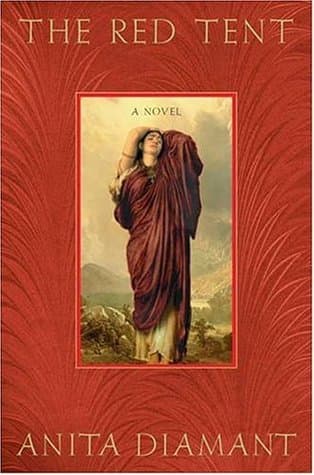
- The Red Tent
Anita Diamant
4.2 (520k) average on GoodreadsHistorical FictionExplores the lives of women in ancient biblical times, focusing on their sisterhood and resilience.
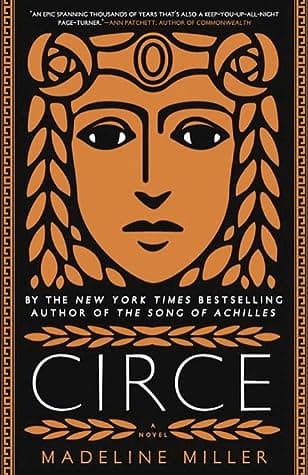
- Circe
Madeline Miller
4.3 (343k) average on GoodreadsFantasyFeatures a strong female protagonist in an ancient setting, blending history with mythical elements and a focus on personal power.
- Pachinko
Min Jin Lee
4.3 (208k) average on GoodreadsLiterary FictionFollows multiple generations of resilient women facing adversity in a historical context.
- To Kill a Mockingbird
Harper Lee
4.3 (4.5M) average on GoodreadsHistorical FictionIn the 1930s Jim Crow South, Harper Lee writes about racial injustice, moral growth, and the quiet courage of a lawyer father, Atticus Finch, as seen through his young daughter's eyes.
- The Great Gatsby
F. Scott Fitzgerald
3.9 (3.8M) average on GoodreadsHistorical FictionIn the opulent Roaring Twenties, a mysterious millionaire's lavish parties hide his desperate, tragic pursuit of a lost love, exposing the emptiness within the American Dream.
- Pride and Prejudice
Jane Austen
4.3 (3M) average on GoodreadsHistorical FictionIn a society focused on status and money, Elizabeth Bennet navigates love and pride, challenging Mr. Darcy and social expectations to find true affection.




Enjoyed the summary?
A summary gives you the shape of the book. The book itself has the detail, the examples and the voice.
Find The Dovekeepers on AmazonAs an Amazon Associate, BookBrief earns from qualifying purchases. How we're funded