
Estimated read time: 7 min read
One Sentence Summary
A man reflects on his life, relationships, and mortality while battling illness and loss.
Table of Contents
Introduction
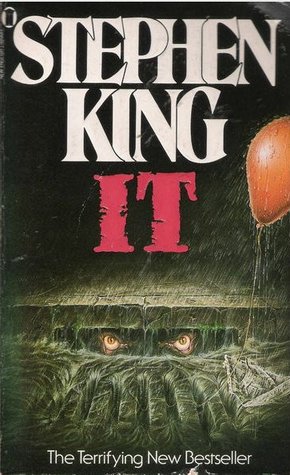
"It" is a horror novel written by Stephen King. The book was first published in 1986 and has since become one of King's most popular and enduring works. The story is set in the fictional town of Derry, Maine, and revolves around a group of children who are terrorized by an otherworldly entity that takes the form of a clown named Pennywise. The novel explores themes of friendship, fear, and the power of memory, and has been praised for its rich character development and immersive storytelling.
Brief Synopsis
The story of "It" is set in two distinct time periods: the 1950s, when the main characters are children, and the 1980s, when they are adults. The plot alternates between these two time periods, as the characters confront the evil presence that has haunted their hometown for generations.
Plot Overview and Setting
The novel opens with the brutal murder of a young boy in Derry, setting the stage for the horrors to come. The narrative then shifts to the summer of 1958, when a group of outcast children, known as the Losers' Club, come together and form a strong bond. They soon realize that their town is plagued by a malevolent force that preys on the fears of its victims, often taking the form of Pennywise the Dancing Clown.
As the children confront the terrifying entity, they uncover its dark history and learn that it resurfaces every 27 years to feed on the town's inhabitants. The story then jumps forward to the 1980s, when the now-adult members of the Losers' Club return to Derry to honor a blood oath they made as children to confront the evil once and for all.
Main Characters
The novel features a rich ensemble of characters, but the main focus is on the members of the Losers' Club, both as children and adults.
Children
| Character | Description |
|---|---|
| Bill Denbrough | The unofficial leader of the Losers' Club, haunted by the disappearance of his younger brother. |
| Ben Hanscom | A thoughtful and overweight boy with a talent for architecture. |
| Beverly Marsh | The only girl in the group, dealing with an abusive father and the challenges of adolescence. |
| Richie Tozier | A wisecracking jokester who uses humor to mask his fears. |
| Eddie Kaspbrak | A hypochondriac boy who is overly protected by his overbearing mother. |
| Stan Uris | A pragmatic and cautious member of the group. |
| Mike Hanlon | The historian of the group, often overlooked due to his race. |
Adults
| Character | Description |
|---|---|
| Bill Denbrough | Now a successful writer, still haunted by the events of his childhood. |
| Ben Hanscom | An architect who has shed his childhood weight and found professional success. |
| Beverly Marsh | Trapped in an abusive marriage, but still retains her strength and resilience. |
| Richie Tozier | A successful comedian, but still plagued by the traumas of his past. |
| Eddie Kaspbrak | Owns a limousine company and is married to a woman who resembles his overprotective mother. |
| Stan Uris | A wealthy accountant, who is deeply affected by the return to Derry. |
| Mike Hanlon | The only member of the group to remain in Derry, preserving its history. |
Story Points Over Chapters
Part One: The Shadow Before
Chapters 1-6
The novel opens with a brutal attack in 1957, introducing the town of Derry and the mysterious forces at play. Bill Denbrough creates a paper boat for his younger brother, Georgie, who is later killed by the malevolent entity lurking in the town's sewers.
Chapters 7-11
The Losers' Club comes together, and each member has a personal encounter with the terrifying entity. They discover that they all share the same experience of encountering the malevolent force.
Part Two: June of 1958
Chapters 12-16
The Losers' Club continues to bond and grow closer, facing their fears and realizing the extent of the evil that plagues their town. They vow to confront the entity and put an end to its reign of terror.
Chapters 17-22
The children face a series of harrowing trials as they delve deeper into the history of Derry and the entity that threatens their lives. They make a blood oath to return to Derry if the evil resurfaces.
Part Three: Grownups
Chapters 1-4
The narrative shifts to the 1980s, when the adult members of the Losers' Club are called back to Derry by Mike Hanlon. They struggle to recall their childhood traumas and face the daunting task of confronting the evil entity once more.
Chapters 5-9
As the adult characters reunite, they grapple with the return of their childhood fears and the sinister presence that still haunts Derry. They come to terms with the fact that they must fulfill their blood oath and put an end to the evil for good.
Main Events
- The formation of the Losers' Club and their realization that they all share encounters with the malevolent entity.
- The children's confrontations with the entity and their discovery of its dark history.
- The adult members of the Losers' Club reuniting in Derry and preparing to face the evil once again.
- The final showdown with the malevolent force, as the characters confront their deepest fears and memories.
Themes and Insights
Themes
- The Power of Friendship: The novel explores the strength that comes from the bond between the members of the Losers' Club, both as children and adults.
- The Nature of Fear: The story delves into the nature of fear and how it can be manipulated by external forces.
- The Persistence of Evil: "It" examines the enduring presence of evil and the impact it has on individuals and communities.
- The Influence of Memory: The novel highlights the power of memory and its ability to shape one's perception of reality.
Insights
- The story offers a profound exploration of childhood trauma and its long-lasting effects on individuals.
- It delves into the idea of facing one's fears and the resilience that comes from confronting the darkest aspects of one's past.
- The novel also serves as a commentary on the nature of evil and the enduring battle between good and malevolence.
Reader's Takeaway
Readers of "It" are taken on a gripping journey through the intertwined lives of the members of the Losers' Club, as they confront their deepest fears and grapple with the enduring presence of evil. The novel offers a poignant exploration of friendship, resilience, and the enduring power of memory. With its rich character development and immersive storytelling, "It" has solidified its place as a timeless and haunting classic in the horror genre.
Conclusion
Stephen King's "It" is a masterful exploration of fear, friendship, and the enduring battle between good and evil. The novel weaves a gripping narrative that spans decades, delving into the lives of its rich ensemble of characters as they confront a malevolent force that threatens to consume their town. Through its themes and insights, "It" offers readers a profound and immersive experience that lingers long after the final page is turned.
It FAQ
What is the genre of 'It' by Stephen Dixon?
The genre of 'It' is psychological fiction.
What is the book 'It' about?
The book 'It' follows the story of a man who struggles with his identity, relationships, and the challenges of daily life.
Is 'It' a horror novel?
No, 'It' is not a horror novel. It focuses more on the internal struggles and psychological aspects of the protagonist.
Is 'It' suitable for young readers?
The book 'It' contains mature themes and content, so it may not be suitable for young readers.
What is the writing style of 'It'?
The writing style of 'It' is introspective and delves deep into the thoughts and emotions of the main character.



