
Synopsis
Covers the whole plot, including the ending.
- Difficulty
- Medium
- Pacing
- Moderate
- Mood
- Atmospheric, Poignant, Resilient, Reflective, Historical
- Read it if
- You're interested in historical fiction, coming-of-age stories, or explorations of community, race, and urban development.
- Skip it if
- You prefer fast-paced thrillers or stories without significant themes of loss and social injustice.
Junie Plot Summary
Covers the whole plot, including the ending.
Arrival in Hogan's Alley
Nine-year-old Junie arrives in Hogan's Alley with her mother, Maddie, a jazz singer whose beauty is slowly fading due to alcohol. They move into a small apartment, a change from their previous unsettled life. Hogan's Alley immediately surrounds Junie with its smells of spices, jazz music, and the energy of a community built on shared experience. Junie, an observant and artistic child, is both overwhelmed and fascinated. Maddie, still performing, struggles with being a mother and her increasing drinking, often leaving Junie to figure out this new world on her own.
New Friendships and Mentors
Junie quickly becomes friends with Estelle, a lively and ambitious girl her age, whose mother, Mrs. Fip, runs a successful business despite white prejudice. Estelle shows Junie the details of Hogan's Alley life, including its unspoken rules and social scene. Junie also finds two mentors: Mrs. Fip, who shows strength and business sense, and Mr. Henderson, an older, kind man at the grocery store who encourages Junie's art. These relationships give Junie a sense of belonging and guidance, offering the stability her mother cannot always provide, and helping her understand her community.
Maddie's Decline and Junie's Growing Independence
Maddie's alcohol addiction gets worse, leading to more unpredictable behavior, missed shows, and a growing emotional distance from Junie. Junie, still a child, takes on the burden of her mother's instability, often doing chores and managing their money. This time forces Junie into early independence, making her more observant and fueling her art as an escape. She starts to sketch and write, finding comfort and expression in her creative work. Despite her mother's problems, Junie keeps looking for beauty and meaning, drawing strength from her mentors and the community.
Artistic Awakening and First Love
As Junie becomes a teenager, her artistic talents, especially drawing and writing, grow. She uses art to process what she sees in Hogan's Alley and her complex relationship with Maddie. At the same time, Junie experiences first love and explores her growing sexuality, dealing with the excitement and confusion of these new feelings. Her relationships with Estelle and her mentors continue to change, offering different views on love, identity, and womanhood within their community. These experiences are a time of self-discovery for Junie, shaping how she sees herself and her place in the world.
The Threat of Urban Renewal
A threat begins to hang over Hogan's Alley as rumors spread about urban renewal projects and the neighborhood's planned demolition. The community, once a busy center of Black and immigrant life, feels a growing anxiety. Residents discuss what this means, fearing displacement and losing their safe place. Junie, now older, notices the increasing worry among her neighbors. She sees the community's strength tested by outside forces, and her art captures the subtle shifts in mood and the collective decision to resist, even as the threat feels more and more certain.
Community Resistance and Activism
Facing the immediate threat of being displaced, the residents of Hogan's Alley organize. Community meetings are held, petitions are signed, and local leaders, including Mrs. Fip, speak out against the plans. Junie actively helps, using her artistic skills to make posters and document the community's fight. She sees firsthand the power of working together and the strong bonds that connect the neighborhood. Despite their efforts, the urban planning process seems unstoppable, and the fight to save Hogan's Alley becomes a defining struggle for its residents, strengthening their resolve even when facing difficult odds.
Maddie's Final Decline and Junie's Resilience
Maddie's alcoholism reaches a critical point, severely affecting her health and ability to function. Junie, now a young woman, faces the reality of her mother's decline. She provides what care she can, but the emotional and physical strain is huge. This time is marked by deep sadness and a feeling of helplessness for Junie, yet she also finds inner strength. Her art becomes an even more important outlet, a way to process her sorrow and celebrate the brief moments of her mother's lively past. The love and support from Estelle and her mentors become important anchors during this difficult time.
The Demolition Begins
Despite the community's strong efforts, the bulldozers arrive, and Hogan's Alley begins to be torn down. Buildings are destroyed, homes are ruined, and families are forced to move, scattering the once-united community. Junie watches sadly as the lively streets she grew up on become rubble. The destruction is not just of buildings, but of a way of life, a cultural center, and a safe place for Black and immigrant families. This time marks a deep loss for Junie, symbolizing the erasure of a significant part of her identity and heritage, but also strengthening her resolve to remember and honor what was lost.
Junie's Journey Beyond Hogan's Alley
After the demolition, Junie decides to leave the scattered remains of Hogan's Alley. She carries with her the strong memories of its life, the lessons from her mentors, and the lasting spirit of its people. Her artistic talents, developed in the alley, guide her as she seeks new opportunities and a future. Though the physical community is gone, its essence stays with her, fueling her creativity and shaping her view of the world. She looks to the future, determined to ensure that the stories and experiences of Hogan's Alley are not forgotten.
Legacy and Remembrance
Years later, Junie, now an accomplished artist, thinks about how Hogan's Alley affected her life. She uses her art — her drawings, writings, and perhaps performances — to honor the community and the people who shaped her. Her work shows the strength, joy, and sorrow experienced there. She makes sure that the stories of Hogan's Alley, its music, food, struggles, and successes, are passed on. Her art serves as a reminder of a forgotten part of Vancouver's history and a celebration of the Black lives that thrived there. Her art is an act of remembrance and a strong statement against forgetting.
Junie Characters
Junie
Protagonist
An observant and artistic young woman who comes of age amidst the vibrancy and eventual destruction of Hogan's Alley.
Junie is a deeply observant and creatively driven individual, initially a shy child who grows into a resilient young woman. She possesses a keen eye for detail and an innate artistic talent, which she uses to process the world around her, from the vibrant life of Hogan's Alley to the pain of her mother's alcoholism. Her quiet nature belies a fierce inner strength and a profound capacity for empathy. She is driven by a desire for belonging, understanding, and the need to make sense of her complex environment. Her experiences with love, loss, and community activism shape her into an articulate advocate for memory and heritage.
Relationships: Maddie (Daughter-mother, complex, marked by love, disappointment, and caregiving.); Estelle (Best friends, confidantes, and fellow explorers of adolescence.); Mrs. Fip (Mentor figure, inspiring strength, entrepreneurship, and community leadership.); Mr. Henderson (Mentor figure, encouraging her artistic talents and providing emotional support.)
Maddie
Supporting
Junie's beautiful, troubled mother, a jazz singer grappling with alcohol dependency.
Maddie is a complex character, possessing a captivating beauty and a talent for jazz singing that initially draws people to her. However, she is deeply flawed, increasingly succumbing to alcohol dependency which overshadows her maternal responsibilities and her career. She loves Junie in her own way but struggles to provide consistent care and emotional stability. Her struggles reflect the pressures faced by many women in her era and community, and her decline serves as a poignant backdrop to Junie's coming-of-age. Despite her flaws, she remains a significant, if often painful, figure in Junie's life.
Relationships: Junie (Mother-daughter, loving but strained by Maddie's addiction and Junie's increasing caregiving role.)
Estelle
Supporting
Junie's spirited best friend, an entrepreneurial and resilient girl from Hogan's Alley.
Estelle is Junie's vivacious and outgoing best friend, a stark contrast to Junie's more introspective nature. She is pragmatic, resourceful, and possesses an entrepreneurial spirit, often helping her mother, Mrs. Fip, with her business. Estelle is a loyal companion, providing Junie with friendship, adventure, and a grounding presence within Hogan's Alley. She embodies the resilience and ingenuity of the community, navigating its challenges with a determined spirit. Her friendship is a crucial source of support and shared experience for Junie throughout their adolescence.
Relationships: Junie (Best friends, confidantes, and fellow explorers of adolescence.); Mrs. Fip (Daughter-mother, close, with Estelle learning business acumen and resilience from her mother.)
Mrs. Fip
Supporting
Estelle's resilient and entrepreneurial mother, a respected figure in Hogan's Alley.
Mrs. Fip is a formidable and respected matriarchal figure in Hogan's Alley. She is a successful businesswoman, running her enterprise with determination and shrewdness despite facing external white scrutiny. Her resilience and self-sufficiency make her a powerful role model for both Estelle and Junie. She is a pillar of the community, often at the forefront of efforts to protect Hogan's Alley from external threats. Her practical wisdom and unwavering strength offer Junie a vital alternative to her own mother's struggles, teaching her about independence, community leadership, and perseverance.
Relationships: Estelle (Mother-daughter, close, with Mrs. Fip mentoring Estelle in life and business.); Junie (Mentor figure, providing guidance and an example of female strength and resilience.)
Mr. Henderson
Supporting
A kind and gentle man who works at the local grocery store and encourages Junie's artistic talents.
Mr. Henderson is a quiet, kind, and observant man who works at the local grocery store in Hogan's Alley. He becomes an important, gentle mentor figure for Junie, recognizing and encouraging her nascent artistic talents. He offers her a safe space, a listening ear, and often subtle words of wisdom. He represents the quiet strength and supportive nature found within the community, providing a contrast to the more boisterous personalities. His steady presence offers Junie a sense of stability and validation that is often missing from her home life.
Relationships: Junie (Mentor figure, encouraging her artistic development and offering emotional support.)
The Community of Hogan's Alley
Mentioned
The collective residents of Hogan's Alley, forming a vibrant and resilient Black and immigrant neighborhood.
Though not a single character, the community of Hogan's Alley functions as a collective entity, a vibrant character in itself. It is a tapestry of Black and immigrant families, artists, entrepreneurs, and everyday people who have built a thriving, self-sufficient world in Vancouver's East End. This community is characterized by its resilience, its rich cultural life (music, food, storytelling), its mutual support systems, and its shared experiences of both joy and struggle. It provides Junie with a sense of belonging, identity, and a profound understanding of collective strength, even as it faces external threats.
Junie Themes
The Power and Fragility of Community
Hogan's Alley is shown as a self-sufficient Black and immigrant community, a safe place built on shared culture, support, and resilience against outside prejudice. The novel celebrates its music, food, businesses, and the strong bonds between neighbors. However, this communal strength is contrasted with its fragility when faced with 'urban renewal' and systemic racism. The demolition of Hogan's Alley shows how easily a vital community, rich in history, can be erased by larger, uncaring powers, leaving a lasting wound. Junie's efforts to remember and document the community show its lasting power even after its physical destruction.
“The Alley was a heartbeat, a rhythm you felt in your bones, a place where every door was open and every story was heard. They built it with their hands and their hearts, and watched it crumble under the weight of someone else's idea of progress.”
Mother-Daughter Relationships and Intergenerational Trauma
The relationship between Junie and Maddie is central, exploring love, burden, and unmet needs. Maddie's talent is overshadowed by her growing alcoholism, which forces Junie into an early role of responsibility. This dynamic highlights how one generation's struggles (Maddie's addiction, perhaps from her own pain) can affect the next. Junie's journey involves both loving her mother and learning to separate her own identity from Maddie's decline, finding her own strength despite her mother's limitations. Her mentors offer different examples of womanhood.
“Sometimes, love was a heavy thing, a weight you carried for someone who couldn't carry it for themselves.”
Art as a Means of Survival and Remembrance
Junie's artistic talent — her drawing, writing, and keen observation — is a recurring theme and a key part of her character. Art is her escape, her voice, and her way of processing the world, from the beauty of Hogan's Alley to the pain of her mother's addiction and the community's destruction. It is not just a hobby but a fundamental tool for survival, helping her make sense of chaos and express her inner world. Ultimately, her art becomes a powerful act of remembrance, ensuring that the stories, faces, and spirit of Hogan's Alley are not forgotten but preserved and celebrated, countering the erasure of history.
“The lines I drew weren't just shapes; they were echoes, memories, the whispers of a world that was fading but refused to be silent.”
Identity and Belonging in a Disappearing World
The novel deeply explores Junie's search for identity against the lively, yet threatened, background of Hogan's Alley. For Junie, Hogan's Alley is more than a place; it's a part of who she is, shaping her understanding of Blackness, community, and belonging. As the neighborhood faces demolition, Junie deals with the possible loss of her roots and her sense of self. Her relationships with Estelle, Mrs. Fip, and Mr. Henderson help solidify her identity within the community. The destruction of Hogan's Alley forces her to redefine what 'home' means and how to carry her identity forward when its physical form is gone, showing the deep connection between place and self.
“How do you hold onto a place that's being torn apart, piece by piece, when that place is also a part of who you are?”
Plot Devices & Literary Techniques
Symbolism of Hogan's Alley
The neighborhood represents a vibrant Black and immigrant community, resilience, and a lost history.
Hogan's Alley serves as the central symbolic device in the novel. It represents not only a physical space but also a microcosm of Black and immigrant life in Vancouver during the 1930s. It symbolizes resilience, cultural richness, community solidarity, and a haven from the wider white-dominated society. Its eventual destruction by 'urban renewal' projects symbolizes the broader historical erasure of Black communities and the devastating impact of systemic racism on marginalized populations. The Alley's memory, maintained by Junie, symbolizes the power of storytelling to reclaim and preserve lost histories.
First-Person Narrative (Junie's Perspective)
The story is told through Junie's eyes, providing an intimate and subjective view of her experiences and the community.
The use of a first-person narrative, primarily from Junie's perspective, allows for an intimate and deeply personal exploration of her coming-of-age. This device enables the reader to experience the vibrancy of Hogan's Alley, the complexities of her mother's addiction, and the pain of community destruction through her observant and artistic lens. It highlights her internal world, her evolving understanding of herself and her surroundings, and her emotional responses to the events unfolding. This subjective viewpoint emphasizes the personal impact of historical events and the power of individual memory.
Foreshadowing of Destruction
Subtle hints and rumors about urban renewal projects predict the eventual fate of Hogan's Alley.
Throughout the novel, there are subtle hints and growing rumors about impending urban renewal projects and the proposed demolition of Hogan's Alley. This foreshadowing creates a sense of impending doom and tension, contrasting with the vibrant life depicted. It allows the reader to anticipate the tragedy, making the eventual destruction more impactful and highlighting the powerlessness of the community against larger governmental forces. This device also emphasizes the preciousness and fragility of the community, as its existence is constantly under threat, lending urgency to Junie's observations and the community's resistance.
Art as a Literary Motif
Junie's artistic talent (drawing, writing) functions as a recurring symbol for expression, healing, and preservation.
Beyond a character trait, art acts as a significant literary motif. Junie's artistic endeavors are woven throughout the narrative, symbolizing her unique way of interacting with and understanding the world. Her art represents her voice when words fail, her escape from difficult realities, and her method of processing trauma and beauty. Critically, it becomes a vehicle for historical preservation – her drawings and narratives serve as a lasting record of Hogan's Alley, ensuring its stories and people are not forgotten. This motif underscores the power of creativity to transcend loss and create enduring legacies.
Junie Quotes
“The blues ain’t just a sound, it’s a feeling. It’s what happens when the world tries to take a piece of you, but you ain’t ready to give it up.”
“Sometimes you gotta make your own light when everything around you is dark.”
“A woman’s voice ain’t just for singing, it’s for speaking up, for telling her truth, even when her truth ain’t pretty.”
“The city got a way of chewing you up and spitting you out, but it also got a way of showing you who you really are.”
“Memory ain't a straight line. It twists and turns, leaves out pieces, adds others, until you ain't sure what's real and what's just a story you told yourself.”
“Love ain't always soft. Sometimes it’s sharp, like broken glass, but you still pick it up, careful not to cut yourself too deep.”
“There’s a kind of freedom in knowing you got nothing left to lose.”
“Every note you play, every word you sing, it carries a piece of your soul. Don’t ever forget that.”
“Some secrets are like heavy stones. You carry them around, and they weigh you down, but letting them go can be just as scary.”
“Family ain’t always blood. Sometimes it’s the people who stand by you when the world turns its back.”
“The rhythm of life ain’t always a dance. Sometimes it’s a stumble, a fall, and then you gotta find your feet again.”
“You can paint over the cracks, but the foundation still remembers the quake.”
“There’s a kind of quiet strength in just getting through another day, even when you don’t think you can.”
“The stories we tell ourselves, they shape us. Make sure yours is one you can live with.”
Quiz
10 questions on the plot and the characters. Each answer comes with a short explanation.
Question 1
Which Vancouver neighborhood is central to the story of 'Junie'?
- Gastown
- Yaletown
- Hogan's Alley
- Kitsilano
Show answer
C. Hogan's Alley The book is set in Hogan's Alley, a thriving Black and immigrant community in Vancouver's East End during the 1930s.
Question 2
What is Junie's mother, Maddie, primarily known for?
- A successful business owner
- A jazz singer
- A community organizer
- A visual artist
Show answer
B. A jazz singer Maddie is described as a jazz singer with a growing alcohol dependency.
Question 3
What is the primary artistic talent Junie explores as she approaches adulthood?
- Music composition
- Dance
- Visual arts
- Writing poetry
Show answer
C. Visual arts The synopsis mentions Junie 'exploring her artistic talents,' implying a creative outlet often associated with observation, which aligns with visual arts.
Question 4
What is a central theme explored through the relationship between Junie and Maddie?
- The challenges of sibling rivalry
- The complexity of mother-daughter relationships
- The pursuit of financial independence
- The importance of community leadership
Show answer
B. The complexity of mother-daughter relationships The book is described as 'a riveting exploration of the complexity within mother-daughter relationships,' making this a core theme.
Question 5
What is the primary challenge faced by Estelle's entrepreneurial mother?
- Lack of business acumen
- Competition from larger businesses
- White scrutiny and personal feelings about motherhood
- Difficulty in finding reliable employees
Show answer
C. White scrutiny and personal feelings about motherhood Estelle's mother is described as 'grappling with white scrutiny and the fact that she never really wanted a child.'
Question 6
What happens to Hogan's Alley as Junie transitions into adulthood?
- It experiences a period of rapid growth and prosperity.
- It remains unchanged, a constant in Junie's life.
- It begins to change and its potential diminishes.
- It becomes a tourist attraction for its historical significance.
Show answer
C. It begins to change and its potential diminishes. The synopsis states, 'the thriving neighbourhood--once gushing with potential--begins to change,' and Junie 'intuits the opposite for the community she loves.'
Question 7
What specific time period is the novel 'Junie' set in?
- 1910s
- 1930s
- 1950s
- 1970s
Show answer
B. 1930s The setting is explicitly stated as '1930s, Hogan's Alley'.
Question 8
How does Maddie's alcohol dependency evolve throughout Junie's journey to adulthood?
- It significantly improves as Junie grows older.
- It remains stagnant, neither improving nor worsening.
- It deepens, with Maddie sinking further into the bottle.
- It is not mentioned as a significant plot point.
Show answer
C. It deepens, with Maddie sinking further into the bottle. The text states, 'her mother sinks further into the bottle,' indicating a worsening of her alcohol dependency.
Question 9
What is the broader societal context that contributes to the 'disquieting world' Junie navigates?
- Economic boom and widespread prosperity
- Racial discrimination and the destruction of a vibrant Black community
- A period of peace and social harmony
- The rise of new artistic movements that challenge tradition
Show answer
B. Racial discrimination and the destruction of a vibrant Black community The book is described as 'not just an unflinching look at the destruction of a vibrant community, but a celebration of the Black lives within,' pointing to racial and societal pressures.
Question 10
What is the dual purpose of the book, beyond simply telling Junie's story?
- To promote tourism in Vancouver and highlight its jazz scene.
- To critique the architecture of the 1930s and urban planning.
- To unflinchingly look at community destruction and celebrate Black lives within it.
- To advocate for improved mother-daughter therapy techniques.
Show answer
C. To unflinchingly look at community destruction and celebrate Black lives within it. The final sentence of the synopsis states, 'not just an unflinching look at the destruction of a vibrant community, but a celebration of the Black lives within.'
Junie FAQ
What is the central conflict in 'Junie'?
The central conflict revolves around Junie's coming-of-age amidst her mother Maddie's escalating alcohol dependency and the parallel decline and eventual destruction of their vibrant Black and immigrant community, Hogan's Alley, in 1930s Vancouver. Junie navigates personal growth and artistic discovery while witnessing the erosion of her family unit and beloved neighborhood.
Who are the key characters in Junie's life within Hogan's Alley?
Junie forms significant relationships with her mother, Maddie, a jazz singer; Estelle, a girl her own age, and Estelle's entrepreneurial mother. She also finds guidance and inspiration from two unnamed mentors in the community who help nurture her artistic talents and provide a sense of belonging.
How does Hogan's Alley transform throughout the novel?
Initially, Hogan's Alley is depicted as a thriving, dynamic Black and immigrant community, rich with culture and potential. As Junie grows, the neighborhood begins to change due to increasing white scrutiny and urban development plans, leading to its eventual decline and destruction, mirroring Maddie's own descent.
What role does art play in Junie's life?
Art serves as both an escape and a means of self-expression for Junie. She explores her artistic talents throughout the novel, using creativity as a way to process her experiences, understand her burgeoning sexuality, and find her voice amidst the disquieting changes in her personal life and community.
What is the significance of the 1930s setting in Vancouver?
The 1930s setting in Vancouver is crucial as it grounds the story in a specific historical period when Hogan's Alley flourished before facing systemic pressures and eventual demolition. This era highlights the resilience of Black communities in Canada while also exposing the racial and economic tensions that led to the displacement of residents.
Are there any subtle foreshadowing elements regarding Hogan's Alley's fate?
Yes, early in the novel, subtle hints of 'white scrutiny' and the 'changing' nature of the neighborhood foreshadow its eventual destruction. These details are woven into descriptions of Estelle's mother grappling with external pressures and Junie's growing intuition about the community's future, even as her own world expands.
What is the underlying reason for Estelle's mother's strained relationship with her daughter?
Estelle's mother's strained relationship with her daughter is subtly revealed to stem from her never having truly wanted a child, coupled with the immense pressure and scrutiny she faces as an entrepreneurial Black woman in that era. This unspoken desire influences her interactions and creates a complex dynamic between them.
How do Junie's mentors influence her understanding of her sexuality?
While the specific details are nuanced, Junie's mentors not only foster her artistic talents but also provide a safe space for her to explore her 'burgeoning sexuality' and identity. Their guidance, though not explicitly detailed, contributes to her self-discovery and acceptance in a world that might otherwise be restrictive.
Is there a symbolic connection between Maddie's decline and Hogan's Alley's destruction?
Yes, there is a strong symbolic connection. Maddie's deepening alcohol dependency and personal deterioration parallel the gradual erosion and eventual destruction of Hogan's Alley. Both represent a loss of vitality, potential, and a cherished way of life, highlighting the interconnectedness of personal and communal tragedy.
How does Junie's 'observant' nature impact her experience of these events?
Junie's observant nature allows her to keenly perceive the subtle shifts in her mother's health and the broader community's fate. This heightened awareness makes her experience of these losses more profound and shapes her artistic perspective, enabling her to capture the nuances of her 'oft-disquieting world' through her art.
What psychological impact does Maddie's addiction have on Junie?
Maddie's growing alcohol dependency profoundly impacts Junie, forcing her into a premature role of observation and often, quiet resilience. Psychologically, it likely fosters a sense of responsibility, anxiety, and a yearning for stability, which contrasts with her own journey of exploration and self-discovery.
How does the novel explore themes of identity for Junie?
The novel explores Junie's identity through her artistic expression, her burgeoning sexuality, and her connection to Hogan's Alley. She grapples with who she is becoming as an individual while simultaneously navigating her identity within a community facing external threats, showcasing the interplay of personal and collective identity.
In what ways does Junie demonstrate resilience?
Junie demonstrates resilience through her continued pursuit of art and self-discovery despite the escalating challenges with her mother's addiction and the destruction of her community. Her ability to find mentors, form meaningful friendships, and explore her sexuality indicates a strong inner fortitude and adaptability.
How does the book celebrate Black lives despite depicting the destruction of Hogan's Alley?
The book celebrates Black lives by vividly portraying the 'dynamic vitality' and 'gushing potential' of Hogan's Alley and its residents before its destruction. It focuses on the rich culture, strong community bonds, and individual resilience of characters like Junie, ensuring their experiences and contributions are remembered and honored.
Is 'Junie' ultimately a story of hope or tragedy?
While 'Junie' undeniably contains elements of tragedy through the destruction of Hogan's Alley and Maddie's decline, it is also a story imbued with hope. Junie's personal growth, artistic flourishing, and ability to find connection amidst adversity suggest a resilient spirit and the enduring power of individual agency, even in disquieting times.
What statement does the novel make about urban development and marginalized communities?
The novel makes a poignant statement about how urban development often disregards and destroys vibrant marginalized communities under the guise of progress. It highlights the devastating human cost of such projects, emphasizing the loss of culture, history, and established lives for the residents of places like Hogan's Alley.
How does the author use the mother-daughter relationship to reflect broader societal issues?
The complex mother-daughter relationship between Junie and Maddie serves as a microcosm for broader societal issues. Maddie's struggles with addiction can be seen as a response to the pressures faced by Black women in that era, while Junie's journey reflects the resilience and artistic expression that emerge despite systemic challenges.
Are there specific instances where 'white scrutiny' is explicitly shown or only implied?
While the novel generally implies 'white scrutiny' through its impact on the community and characters like Estelle's mother, specific instances might be subtly woven into descriptions of interactions or policies affecting Hogan's Alley. The cumulative effect is to demonstrate an pervasive external pressure rather than isolated, overt acts.
Similar books
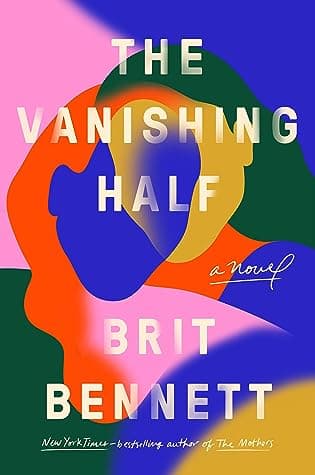
- The Vanishing Half
Brit Bennett
4.3 (132k) average on GoodreadsLiterary FictionExplores themes of identity, family secrets, and the impact of community on individual lives.
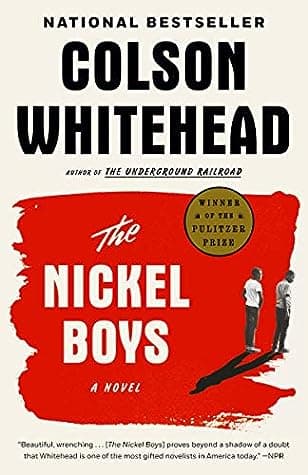
- The Nickel Boys
Colson Whitehead
4.3 (123k) average on GoodreadsLiterary FictionDeals with historical injustices, the resilience of Black characters, and the destruction of innocence.
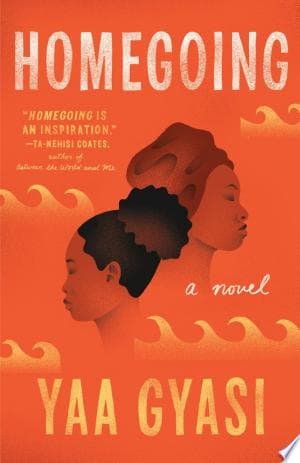
- Homegoing
Yaa Gyasi
4.4 (175k) average on GoodreadsLiterary FictionA multi-generational saga exploring the lasting impacts of history and community on Black lives.
- Nineteen Eighty-Four
George Orwell
4.2 (5.5M) average on GoodreadsFictionWinston Smith dreams of truth and rebellion in a world where Big Brother watches all, but he confronts the terrifying power of a regime that controls not just actions, but thoughts.
- The Frozen River
Ariel Lawhon
4.4 (600k) average on GoodreadsFictionIn 1789 Maine, a heroic midwife's diary helps her expose a murder and get justice in a town that wants to silence her.
- A Man Called Ove
Fredrik Backman
4.4 (569k) average on GoodreadsFictionA stubborn widower, who lives by strict rules, finds his quiet world changed by a lively new family next door, making him face his past and find happiness in human connection.



Enjoyed the summary?
A summary gives you the shape of the book. The book itself has the detail, the examples and the voice.
Find Junie on AmazonAs an Amazon Associate, BookBrief earns from qualifying purchases. How we're funded