
Estimated read time: 5 min read
One Sentence Summary
A young boy in colonial India becomes embroiled in political intrigue and espionage.
Table of Contents
Introduction
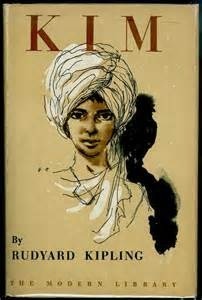
"Kim" is a classic novel written by Rudyard Kipling and first published in 1901. Set during the time of the British Raj, the novel takes the reader on an enthralling journey through the vibrant and diverse landscape of India. The story follows the adventures of Kim, an orphaned Irish boy, as he navigates the complexities of identity, espionage, and spiritual enlightenment against the backdrop of British colonial rule in India.
Brief Synopsis
Plot Overview
The story unfolds in British India, where we meet Kim, a young, street-smart boy with a talent for languages and a knack for blending into different cultures. Kim befriends a Tibetan lama and becomes his disciple, accompanying him on a pilgrimage across India. As they travel, Kim becomes embroiled in the Great Game, a political and espionage rivalry between the British and Russian Empires.
Setting
The novel is primarily set in the diverse and culturally rich landscapes of India during the late 19th century, against the backdrop of British colonial rule. From the bustling streets of Lahore to the serene beauty of the Himalayas, the novel takes the reader on a vivid journey through the varied landscapes and cultures of India.
Main Characters
Kim
A resourceful and streetwise Irish boy, Kim is the protagonist of the story. He is fluent in several Indian languages and has a natural gift for adapting to different social contexts.
The Lama
A devout and humble Tibetan monk who is on a spiritual quest. He becomes a mentor and father figure to Kim as they travel together.
Colonel Creighton
A British officer who takes an interest in Kim's abilities and recruits him as a spy in the Great Game.
Mahbub Ali
A horse trader and spy who becomes an influential figure in Kim's life. He introduces Kim to espionage and plays a significant role in shaping his destiny.
Summary of Chapters
Chapters 1-5:
Kim's childhood in Lahore, his encounter with the lama, and his introduction to the Great Game.
Chapters 6-10:
Kim's journey with the lama as they travel through India, encountering various characters and experiencing the beauty and diversity of the land.
Chapters 11-15:
Kim's involvement in espionage and his growing understanding of the political tensions between the British and Russian Empires.
Chapters 16-20:
The intensification of the Great Game, Kim's role as a spy, and his internal struggles with his identity and loyalties.
Chapters 21-25:
The climax of the Great Game, Kim's spiritual awakening, and the resolution of his personal journey.
Main Events
- Kim's chance encounter with the lama, which sets the course for his spiritual and physical journey.
- Kim's recruitment as a spy in the Great Game and his involvement in espionage activities.
- The lama's unwavering quest for spiritual enlightenment and his influence on Kim's own spiritual awakening.
- The culmination of the Great Game and Kim's realization of his true identity and purpose.
Themes and Insights
Identity and Belonging
The novel explores the theme of identity as Kim grapples with his mixed heritage and struggles to find a sense of belonging in a society marked by colonial divisions.
Spiritual Enlightenment
Through the lama's unwavering quest for spiritual enlightenment, the novel delves into the themes of faith, devotion, and the search for higher meaning in life.
Colonialism and Power
The backdrop of British colonial rule in India serves as a lens through which the novel examines themes of power, politics, and the impact of imperialism on individuals and societies.
Friendship and Loyalty
The novel portrays the deep bonds of friendship and loyalty that develop between Kim and the lama, as well as Kim's relationships with other characters such as Mahbub Ali and Colonel Creighton.
Reader's Takeaway
"Kim" is a captivating and richly textured novel that offers a compelling blend of adventure, espionage, and spiritual introspection. Through its vivid portrayal of India's diverse landscapes and cultures, the novel immerses readers in a world of intrigue and self-discovery. With its timeless themes and memorable characters, "Kim" continues to resonate with readers as a literary classic that offers both entertainment and profound insights into the human experience.
Conclusion
Rudyard Kipling's "Kim" remains a timeless masterpiece that continues to enchant readers with its evocative portrayal of India, its compelling characters, and its exploration of timeless themes. From the bustling streets of Lahore to the tranquil beauty of the Himalayas, the novel takes readers on a captivating journey through a world marked by adventure, espionage, and the quest for spiritual enlightenment. With its enduring relevance and universal appeal, "Kim" stands as a literary gem that continues to captivate the hearts and minds of readers around the world.
Kim FAQ
What is the genre of 'Kim' by Rudyard Kipling?
Kim is a novel that falls under the genres of adventure, coming-of-age, and historical fiction.
When was 'Kim' first published?
Kim was first published in 1901.
What is the setting of 'Kim'?
The novel is primarily set in British India, and it provides a vivid portrayal of the landscape, culture, and society of the region during the late 19th century.
What is the main theme of 'Kim'?
The main themes in 'Kim' include identity, belonging, espionage, and the clash of cultures.
Is 'Kim' suitable for young readers?
While 'Kim' is often considered a classic coming-of-age story, it does contain some mature themes and historical context, so it may be more suitable for older readers.