

Estimated read time: 9 min read
One Sentence Summary
In "King of Thorns," King Jorg Ancrath battles enemies both external and internal as he fights to maintain his throne and confronts the dark truths of his past.
Table of Contents
Introduction
Welcome to the brutal, mesmerizing world of King of Thorns by Mark Lawrence! This dark fantasy novel, the second installment in the acclaimed Broken Empire Trilogy, plunges readers into a medieval landscape riddled with violence, betrayal, and bitter irony. If you enjoy stories where antiheroes battle not only their enemies but their inner demons, you’re in for a treat.
Whether you’re a college student looking to discuss the book in class, a lecturer searching for fresh insights, or a casual reader hungry for a gripping tale, this summary will guide you through the maze of Lawrence’s complex plot, vivid characters, and philosophical undertones. Prepare for a story that’s as much about surviving the horrors of the world as it is about the choices that define us.
Historical Context
King of Thorns isn’t your average sword-and-sorcery adventure. Mark Lawrence sets his tale in a post-apocalyptic world that resembles medieval Europe but is haunted by the relics of a ruined, advanced civilization. The ruins of “Builder” technology—think nuclear weapons and mysterious machines—lurk beneath the castles and forests, a constant reminder of humanity’s self-destructive past.
This setting reflects the anxieties of our own age: the consequences of war, the dangers of unchecked ambition, and the haunting question—can we ever truly escape the cycles of violence that shape us? Lawrence’s world draws on the legacy of classic epics, but it’s also laced with the cynicism and existential dread of modern literature.
Brief Synopsis
Plot Overview
At its core, King of Thorns chronicles the rise of Jorg Ancrath, a teen king with a bloody past and a penchant for ruthless pragmatism. The story unfolds along two timelines: Jorg’s present struggle to defend his hard-won kingdom against the overwhelming forces of Prince Orrin of Arrow, and flashbacks to four years earlier, when Jorg embarked on a personal quest shaped by vengeance and dark magic.
Jorg’s journey is as much about conquering his own inner demons as it is about surviving external foes. He faces not only armies and assassins, but guilt, trauma, and the sinister influence of the mysterious “memory box” he carries.
Setting
Lawrence’s world is a bleak, post-apocalyptic landscape peppered with the crumbling remnants of long-lost technology. Castles loom over burned-out cities; forests are haunted by mutated horrors. The culture is feudal, brutal, and unforgiving. Every decision is a matter of life and death, and alliances are as fragile as the bones of the dead.
The atmosphere is thick with tension and irony. Humor is pitch-black, and moments of beauty are fleeting—often snuffed out by violence or betrayal.
Main Characters
The story’s ensemble is as twisted as the world they inhabit. Here’s a breakdown of the key players:
| Name | Role | Key Traits | Importance to Plot |
|---|---|---|---|
| Jorg Ancrath | Protagonist; King of Renar | Ruthless, intelligent, tormented, charismatic | Central figure; drives plot through actions, choices, and inner conflict |
| Katherine Ap Scorron | Jorg’s cousin, love interest | Haunted, strong-willed, clever | Represents Jorg’s conscience and humanity; drives emotional stakes |
| Prince Orrin of Arrow | Antagonist | Noble, charismatic, idealistic | Jorg’s chief rival; embodies the “good king” archetype |
| Miana | Jorg’s queen | Resilient, young, insightful | Political alliance through marriage; challenges Jorg’s worldview |
| Chella | Necromancer, adversary | Cunning, cold, ambitious | Represents supernatural threats and temptations |
| The Dead King | Overarching antagonist | Mysterious, powerful, malevolent | Drives the dark, supernatural plotline; manipulates events |
| Sir Makin | Jorg’s loyal knight | Loyal, gruff, pragmatic | Provides counsel, comic relief, and moral contrast |
| Gog | Mutant “Builder” child, ally | Innocent, powerful, tragic | Symbolizes lost innocence and the dangers of power |
Plot Summary
To keep things clear and spoiler-light, let’s break down the narrative into logical sections:
The Siege of Jorg’s Castle
The novel opens with Jorg facing seemingly impossible odds: his castle is under siege by Orrin of Arrow, whose army outnumbers Jorg’s forces twenty-to-one. Instead of despair, Jorg relishes the challenge—there’s a glint of mischief and madness in his defiance. As the siege unfolds, we witness Jorg’s cunning, his ability to turn even the bleakest situation to his advantage, and his reliance on both loyal friends and terrifying magic.
Flashbacks: The Memory Box
Parallel to the siege, flashbacks plunge us into Jorg’s past. Four years earlier, after the events of Prince of Thorns, Jorg embarks on a quest to recover stolen memories locked away in a “memory box.” The box is both a literal and metaphorical device—its contents hold the secrets of what Jorg did (and endured) on the night his family was murdered, and it’s a constant temptation to forget, to escape, or to confront.
The Road to Power
We see Jorg’s journey across the broken empire—meeting allies, facing enemies, and making choices that will haunt him forever. The flashbacks also introduce new threats: necromancers, mutant monsters, and the shadowy Dead King, whose influence extends beyond the grave.
Confrontations and Revelations
Back in the present, the siege becomes a psychological battle as much as a physical one. Jorg is forced to confront not only his enemies but the consequences of his past actions. The flashbacks and present-day narrative converge, revealing the true cost of Jorg’s ambition and the depth of his trauma.
The Climax: Victory and Loss
Without giving away major spoilers, suffice it to say that the story’s climax is a whirlwind of betrayal, sacrifice, and dark triumph. Jorg’s choices leave the kingdom forever changed—and the reader questioning the nature of heroism, leadership, and redemption.
Themes and Motifs
King of Thorns is more than just a tale of swords and sorcery. At its heart are questions that resonate with anyone who’s ever struggled with guilt, ambition, or the weight of their own past.
The Nature of Power
Lawrence asks: What does it mean to be a king? Is power earned or taken? Through Jorg and Orrin, we see two contrasting visions of kingship—one built on ruthless will, the other on hope and unity. The book revels in the ambiguity of leadership and the cost of ambition.
Memory and Identity
Jorg’s memory box is a brilliant metaphor for trauma and repression. Are we defined by our worst moments? Can we choose what to remember—or must we face our demons to move forward?
Violence and Redemption
Violence is ever-present, but it’s never glorified. Instead, Lawrence explores the cycle of brutality that shapes individuals and societies. Can a monster become a man again? Is redemption possible, or is it just another lie we tell ourselves?
Fate vs. Free Will
King of Thorns is obsessed with the tension between destiny and choice. Jorg’s every decision is shadowed by prophecy, manipulation, and the expectations of others. Yet he is determined to carve his own path—no matter the consequences.
Literary Techniques and Style
Mark Lawrence’s writing is razor-sharp, blending philosophical introspection with gallows humor and bursts of poetic violence.
Narrative Structure
The dual timeline structure keeps the reader off-balance, mirroring Jorg’s own fractured psyche. Flashbacks are woven seamlessly into the present-day siege, creating suspense and emotional resonance.
Symbolism
The memory box is a recurring symbol of trauma, repression, and self-discovery. The crumbling “Builder” ruins represent humanity’s lost potential—and the dangers of repeating old mistakes.
Realism and Surrealism
Lawrence’s realism is brutal: no punches are pulled when it comes to violence, suffering, or betrayal. Yet there’s a surreal, almost mythic quality to the narrative—the line between reality and nightmare is often blurred.
Distinctive Voice
Jorg’s narration is sardonic, self-aware, and laced with dark humor. He’s both unreliable and heartbreakingly honest, making it impossible not to be drawn into his twisted world.
Author’s Background
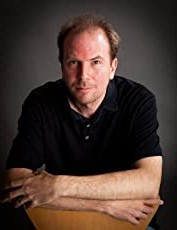
Mark Lawrence is a British-American novelist and scientist, whose day job as a research scientist in artificial intelligence brings a cool logic to his often-chaotic worlds. Lawrence’s background shapes his writing: the contrast between scientific rationality and the madness of the Broken Empire is one of the series’ greatest strengths.
His other major works include the Red Queen’s War and Book of the Ancestor trilogies, all of which blend philosophical depth with high-stakes adventure. Lawrence is celebrated for his complex antiheroes, uncompromising narratives, and willingness to tackle uncomfortable truths about human nature.
Impact and Legacy
Lawrence’s work has helped reinvigorate the grimdark fantasy genre—stories where moral ambiguity, bleak settings, and flawed protagonists take center stage. He’s inspired a new generation of writers to embrace both the darkness and beauty of the human soul.
Key Takeaways
- Power is never simple—every victory comes with a price.
- Trauma shapes us, but facing the past is the only way forward.
- Leadership is messy, ambiguous, and often lonely.
- Redemption is possible, but never easy or certain.
- Humor, even at its darkest, is a tool for survival.
Reader’s Takeaway
King of Thorns is not a story for the faint of heart. It’s a raw, unflinching look at what it means to grow up in a world without mercy. Yet, for all its violence and cynicism, the book offers moments of hope, connection, and even grace.
Readers will come away challenged—emotionally and intellectually. You’ll find yourself questioning not just the morality of the characters, but your own assumptions about leadership, forgiveness, and what it means to be “good.” And if you’re a fan of clever plotting and dark humor, you’ll find yourself laughing even as you wince.
Conclusion
King of Thorns is a masterclass in dark fantasy, blending razor-sharp prose with deep philosophical questions and unforgettable characters. Mark Lawrence pulls you into a world where every decision matters—and where the line between hero and villain is razor-thin.
Whether you’re studying the novel in a college course or reading it for pleasure, you’ll find layers of meaning to unpack and debate. This is a book that rewards rereading, discussion, and reflection. So if you’re ready to be challenged, unsettled, and ultimately transformed, King of Thorns is waiting for you.
Dare to enter the Broken Empire—and see what kind of king you might become.
King of Thorns FAQ
What is 'King of Thorns' about?
'King of Thorns' is the second book in the Broken Empire Trilogy by Mark Lawrence. It follows the story of Jorg Ancrath as he continues his quest for power, facing both internal and external enemies while grappling with his dark past and ruthless ambitions.
Who is the main character in 'King of Thorns'?
The main character is Jorg Ancrath, a young and cunning prince who is determined to become emperor at any cost, regardless of the violence and moral conflicts he faces.
Do I need to read 'Prince of Thorns' before this book?
Yes, it's highly recommended to read 'Prince of Thorns' first, as 'King of Thorns' directly continues the narrative and character development from the first book in the trilogy.
What themes are explored in 'King of Thorns'?
The novel explores themes such as ambition, revenge, power, the nature of evil, personal trauma, and the consequences of one's actions.
What genre does 'King of Thorns' belong to?
'King of Thorns' is a dark fantasy novel, featuring grim settings, complex characters, and morally grey storytelling.
How does 'King of Thorns' differ from the first book?
'King of Thorns' deepens the world-building and character complexity, using a dual timeline narrative to explore Jorg's past and present. The stakes are higher, and the story delves further into Jorg's psyche and motivations.
Is there a significant antagonist in 'King of Thorns'?
Yes, one of the main antagonists is the Prince of Arrow, who stands in opposition to Jorg's claim to the throne. The book also explores internal antagonists, such as Jorg's own memories and emotional scars.
Is 'King of Thorns' suitable for young readers?
No, the book contains graphic violence, adult themes, and dark psychological elements that make it more appropriate for mature readers.
How has 'King of Thorns' been received by critics?
'King of Thorns' has been praised for its compelling storytelling, intricate plot, and complex protagonist. However, its dark tone and violent content may not appeal to all readers.
Is there a sequel to 'King of Thorns'?
Yes, 'King of Thorns' is followed by 'Emperor of Thorns,' which concludes the Broken Empire Trilogy.


