
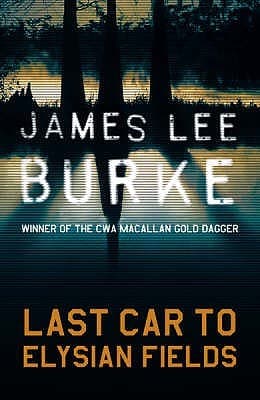
Synopsis
Covers the whole plot, including the ending.
- Difficulty
- Medium
- Pacing
- Moderate
- Mood
- Gritty, Atmospheric, Melancholy, Suspenseful, Dark
- Read it if
- You enjoy gritty, atmospheric crime thrillers with a strong sense of place, complex characters, and a blend of action and introspection.
- Skip it if
- You prefer lighthearted mysteries or are sensitive to graphic violence and themes of corruption and addiction.
Last Car to Elysian Fields Plot Summary
Covers the whole plot, including the ending.
The Disappearance of the Welches
Detective Dave Robicheaux, now living in New Iberia, Louisiana, becomes involved in a decades-old cold case: the disappearance of a wealthy New Orleans couple, Weldon and Betty Jean Welch, and their young daughter, Annie, from their summer home in the Atchafalaya Basin. The case has haunted the local community for years, with rumors and speculation swirling around their sudden vanishing. Robicheaux, initially brought in by his old friend and former boss, Cletus Purcel, feels a personal connection to the tragedy, especially the missing child. His investigation begins with re-interviewing original witnesses and sifting through dusty files. He quickly realizes that the official narrative of a simple disappearance is far from the truth, and powerful, dangerous forces were at play.
Purcel's Scheme and Robicheaux's Reluctance
Cletus Purcel, always operating on the fringes of the law, reveals his own long-standing obsession with the Welch case. He believes the Welches were murdered by a powerful criminal organization tied to a local land dispute and a hidden fortune. Purcel has a plan, involving an elaborate sting operation to draw out the perpetrators, but it requires Robicheaux's official standing and moral compass to lend it credibility. Robicheaux is wary of Purcel's methods, which often skirt the line of legality and put them both in danger, but his desire for justice for the Welch family, particularly Annie, outweighs his reservations, drawing him deeper into Purcel's dangerous game.
Encountering the Mafia and the Land Grab
As Robicheaux and Purcel search deeper, they uncover evidence linking the Welch family's disappearance to a Mafia family, the Giancanas, who were attempting to seize control of valuable land in the Atchafalaya Basin. The Welches, who owned significant tracts, had resisted selling. Robicheaux learns that the Giancanas were notorious for their brutal tactics and had a history of eliminating anyone who stood in their way. This discovery elevates the stakes of the investigation, transforming it from a cold case into a confrontation with organized crime, putting Robicheaux and his loved ones in direct peril as he inches closer to the truth behind the land grab and the Welches' fate.
The Figure of Antoinette Giancana
During his investigation, Robicheaux encounters Antoinette Giancana, the beautiful and enigmatic daughter of the Giancana crime boss. Antoinette is a complex character, seemingly trapped by her family's legacy but also possessing a dangerous allure. She provides Robicheaux with cryptic clues and warnings, often blurring the line between assistance and manipulation. Robicheaux finds himself both attracted to and repelled by her, recognizing the danger she represents while also seeing a glimmer of humanity. Their interactions add psychological tension to the narrative, as Robicheaux tries to decipher her true intentions and navigate the treacherous world of the Giancana family.
The Role of Father Jimmie
Robicheaux seeks out Father Jimmie, a defrocked priest with a checkered past and a deep knowledge of the local underworld. Father Jimmie, haunted by his own demons and connections to the Giancana family, holds key pieces of information about the Welch disappearance. He speaks in riddles and parables, often fueled by alcohol, making it difficult for Robicheaux to extract concrete facts. However, his fragmented truths and moral struggles provide crucial insights into the corrupt network that allowed the crime to remain unsolved for so long, and the complicity of various community members in the cover-up, even if indirectly.
Robicheaux's Personal Demons
The brutal nature of the Welch case, particularly the thought of young Annie's fate, deeply affects Robicheaux. His sobriety is constantly tested as he battles his own personal demons, including his past struggles with alcoholism and the lingering trauma from previous cases and his experiences in Vietnam. The evil he uncovers threatens to pull him back into destructive patterns. His wife, Molly, and his adopted daughter, Alafair, are his anchors, but the darkness of the investigation often isolates him, forcing him to confront his inner turmoil while simultaneously pursuing justice for the victims.
The Search for the Body
Driven by a gut feeling and the fragmented clues he gathers, Robicheaux becomes convinced that the bodies of the Welch family were never removed from their property but buried somewhere on their vast estate in the Atchafalaya Basin. He dedicates himself to searching the remote and swampy grounds, enduring the harsh Louisiana environment and the constant threat of those who wish to keep the truth buried. This physical search becomes a metaphor for his relentless pursuit of justice, as he battles the elements and the lingering shadows of the past, hoping to provide closure for the victims and their memory.
The Confrontation at the Welch Property
The investigation culminates in a tense and violent confrontation at the old Welch property. Robicheaux and Purcel, having pieced together enough evidence, return to the estate, knowing they are walking into a trap. They are met by Giancana enforcers, leading to a brutal shootout in the desolate Louisiana swamp. Robicheaux, with Purcel's unpredictable but effective assistance, fights for his life and for the truth, determined to expose the Giancana family's crimes and find the remains of the Welches. The scene is chaotic and deadly, pushing both men to their physical and moral limits.
The Discovery and the Confession
Amidst the chaos and violence, Robicheaux finally uncovers the graves of the Welch family on their property, confirming his long-held suspicion. The discovery is a somber but significant breakthrough. Following the confrontation, a key figure, either one of the Giancana enforcers or an accomplice, is apprehended or cornered. Under pressure, this individual provides a detailed confession, revealing the full extent of the Giancana family's involvement in the murders, the land grab scheme, and the decades-long cover-up. The confession fills in the missing pieces, exposing the brutality and ruthlessness of the crime.
Aftermath and Lingering Shadows
With the discovery of the bodies and the confession, some measure of justice is finally achieved for the Welch family. The Giancana crime family suffers a significant blow, and their power is diminished. However, the resolution is not entirely clean. Robicheaux is left with the psychological scars of the case, the violence he endured, and the moral compromises he made. The experience reinforces his deep understanding of human depravity but also his unwavering commitment to justice. The novel concludes with a sense of closure, but also with the lingering understanding that evil is never fully eradicated, and Robicheaux's battle against it is a perpetual one.
Principal Figures
Dave Robicheaux
Protagonist
A New Iberia detective haunted by his past and committed to justice.
Dave Robicheaux is a former New Orleans homicide detective, now a sheriff's deputy in New Iberia, Louisiana. He is a man of deep moral conviction, often battling his own inner demons, particularly alcoholism and the trauma of his Vietnam War experiences. He possesses a strong sense of justice and empathy, especially for victims, which drives his relentless pursuit of truth. He is a family man, devoted to his wife Molly and adopted daughter Alafair, who serve as his anchor in a world often filled with violence and corruption. His poetic, philosophical nature often contrasts with the brutal realities he faces.
Relationships: Molly Robicheaux (Wife, emotional support, moral compass); Alafair Robicheaux (Adopted daughter, source of hope and innocence); Cletus Purcel (Old friend and unpredictable partner, often a source of trouble); Antoinette Giancana (Complex, dangerous attraction/antagonism)
Cletus Purcel
Supporting
Robicheaux's morally ambiguous, violent, yet loyal friend.
Cletus Purcel is Robicheaux's long-time friend, a former cop, and now a shadowy figure operating on the fringes of the law. He is charismatic, cunning, and fiercely loyal to Robicheaux, but his methods are often brutal and ethically questionable. Purcel has a deep understanding of the criminal underworld and is not afraid to use violence to achieve his goals. He is driven by his own sense of justice, however distorted, and a desire to right wrongs, even if it means breaking every rule in the book. His presence often complicates Robicheaux's investigations but also provides him with crucial, if dangerous, assistance.
Relationships: Dave Robicheaux (Best friend, partner in crime-solving, often a source of frustration); Antoinette Giancana (Antagonistic and manipulative interactions)
Antoinette Giancana
Antagonist/Supporting
The beautiful, dangerous, and enigmatic daughter of a crime boss.
Antoinette Giancana is the alluring and complex daughter of the Giancana crime family patriarch. She is intelligent, manipulative, and deeply entangled in her family's illicit affairs, yet she also projects an air of vulnerability and a desire for something more. She plays a dangerous game, providing Robicheaux with tantalizing clues while simultaneously protecting her family's interests. Her motives are often unclear, making her a femme fatale figure who both entices and repels Robicheaux. She embodies the seductive danger of the criminal world and the moral compromises it demands.
Relationships: Dave Robicheaux (Complex attraction, informant, antagonist); Giancana Family (Daughter, bound by family loyalty and fear)
Molly Robicheaux
Supporting
Dave's steadfast and loving wife.
Molly Robicheaux is Dave's devoted and understanding wife. She is a grounding force in his turbulent life, providing him with unwavering support, love, and a sense of normalcy. Molly is aware of the dangers Dave faces and the demons he battles, but she stands by him, offering comfort and a moral compass when he feels lost. She represents the quiet strength and resilience of domestic life, a stark contrast to the violence and corruption Dave encounters in his work. Her presence is a constant reminder of what Dave is fighting for.
Relationships: Dave Robicheaux (Wife, emotional anchor); Alafair Robicheaux (Adopted mother, loving figure)
Alafair Robicheaux
Supporting
Dave and Molly's adopted daughter, a symbol of innocence and hope.
Alafair is Dave and Molly's adopted daughter, a bright and innocent child who represents hope and the future. Her presence in Dave's life is a powerful motivator, reminding him of the good in the world and the importance of fighting for justice, particularly for children like the missing Annie Welch. She is a source of joy and light, offering a stark contrast to the darkness and violence that often engulf Dave's work. Her safety and well-being are paramount to Dave, influencing many of his decisions.
Relationships: Dave Robicheaux (Adopted father, loving bond); Molly Robicheaux (Adopted mother, loving bond)
Father Jimmie
Supporting
A defrocked priest with a troubled past and connections to the underworld.
Father Jimmie is a defrocked priest, a tragic figure haunted by his own sins and his entanglement with the criminal element. He possesses fragmented knowledge of the Welch case and the Giancana family's activities, having once been a part of that world. He is often found in a state of inebriation, speaking in cryptic, guilt-ridden pronouncements that Robicheaux must decipher. Father Jimmie represents the moral decay and corruption that can infect even those who once stood for righteousness, but also the possibility of a tortured conscience seeking a measure of atonement.
Relationships: Dave Robicheaux (Informant, source of cryptic truths); Giancana Family (Past connections, source of fear and guilt)
Weldon and Betty Jean Welch
Mentioned
The wealthy couple whose disappearance is the central mystery.
Weldon and Betty Jean Welch were a prominent and wealthy New Orleans couple who vanished along with their young daughter, Annie, decades before the events of the novel. They owned valuable land in the Atchafalaya Basin, which made them targets of the Giancana crime family. Their disappearance is the catalyst for Robicheaux's investigation, representing a deep-seated injustice that has festered in the community. Though never seen alive in the story, their memory and the mystery of their fate drive the entire plot, symbolizing the innocent victims of unchecked greed and power.
Relationships: Annie Welch (Parents of the missing daughter); Giancana Family (Victims of their predatory land scheme)
Annie Welch
Mentioned
The young, innocent daughter who disappeared with her parents.
Annie Welch is the young daughter of Weldon and Betty Jean Welch, whose disappearance alongside her parents decades ago is a particularly poignant aspect of the cold case. Her innocence and the injustice of her fate deeply resonate with Dave Robicheaux, fueling his determination to solve the mystery. She represents the ultimate victim, a child caught in the crossfire of adult greed and violence. The thought of what happened to Annie is a constant source of pain and motivation for Robicheaux, personifying the deep moral imperative of his investigation.
Relationships: Weldon and Betty Jean Welch (Daughter of the missing couple)
Giancana Family (Boss)
Antagonist
The ruthless patriarch of a powerful Mafia family.
The patriarch of the Giancana family is a ruthless and powerful Mafia boss who orchestrates the land grab and the murder of the Welch family. He operates from the shadows, his influence pervasive and terrifying. He embodies the corrupting power of greed and the brutal efficiency of organized crime. His presence is felt throughout the narrative, even if he remains largely unseen, as Robicheaux uncovers the web of fear and violence he has woven across the Louisiana landscape. He is the ultimate antagonist, the source of the decades-old injustice.
Relationships: Antoinette Giancana (Father, source of her entanglement); Weldon and Betty Jean Welch (Orchestrated their murder)
Themes & Insights
The Persistence of Evil and the Quest for Justice
The novel explores how evil, once committed, leaves lasting scars and how the pursuit of justice, even decades later, is a moral imperative. The Welch family's disappearance, a crime from the past, continues to haunt the present, demonstrating that some wrongs cannot be forgotten. Robicheaux's relentless investigation, despite the personal danger and the passage of time, highlights the human need to confront and account for past atrocities. The Giancana family's continued influence shows how deeply rooted corruption can be, making the fight for justice a constant, arduous battle. This theme is central to Robicheaux's character, as he constantly battles the darkness he uncovers.
“Evil does not die. It sleeps, sometimes for decades, and then it rises to claim its due.”
The Corrupting Influence of Power and Greed
The story portrays how unchecked power and greed can lead to horrific acts and widespread corruption. The Giancana family's desire for the Welch's land drives them to murder and a decades-long cover-up, demonstrating how material wealth can eclipse human life. This theme extends beyond the direct perpetrators, touching upon the complicity of various community members and institutions that either looked away or were intimidated by the Giancanas' influence. Robicheaux battles not just individual criminals but the systemic corruption that allows such power to flourish, highlighting the moral compromises made by those caught in its web, such as Father Jimmie.
“Money was a god in this country, and some men would sacrifice anything to its altar.”
Redemption and the Battle Against Personal Demons
Robicheaux's personal struggle with alcoholism and past traumas runs parallel to his investigation. The quest for justice is also a journey of self-redemption. The case, particularly the thought of Annie Welch, pushes him to the brink, threatening his sobriety and mental well-being. His commitment to his family, Molly and Alafair, is his anchor, reminding him of the good he is fighting for. This theme emphasizes that true heroism often involves an internal battle as much as an external one, and that confronting one's own flaws is crucial to maintaining moral integrity in a corrupt world. Father Jimmie's character further explores this struggle, albeit with a more tragic outcome.
“Every man carried his own cross, and mine was a thirst that never truly died.”
The Beauty and Brutality of the Louisiana Landscape
The Atchafalaya Basin and the surrounding Louisiana landscape are not merely a setting but an active character in the novel. Its bayous, swamps, and dense wilderness reflect both the alluring beauty and the hidden dangers of the region. The oppressive heat, the lurking creatures, and the challenging terrain mirror the moral swamps Robicheaux navigates. The landscape provides both refuge and a place for secrets to be buried, making it an integral part of the mystery and the atmosphere. The final confrontation in the swamp highlights how this environment can be both majestic and terrifying, concealing truths for decades.
“The bayou held its secrets close, its green heart beating with ancient rhythms and untold tragedies.”
Plot Devices & Literary Techniques
Cold Case Investigation
A decades-old unsolved mystery drives the plot.
The core of the narrative is Robicheaux's investigation into the Welch family's disappearance from decades ago. This allows for the gradual uncovering of long-buried secrets, interviews with aging witnesses, and the exploration of how past events continue to affect the present. The cold case aspect creates a sense of historical weight and lingering injustice, making the eventual discovery of the truth more impactful. It also highlights the persistence of memory and guilt within a community.
The Unreliable Informant/Confidante
Characters with compromised morality provide fragmented, dangerous truths.
Characters like Father Jimmie and Antoinette Giancana serve as unreliable sources of information. Father Jimmie's alcoholism and guilt lead to cryptic, fragmented confessions, while Antoinette's familial ties and manipulative nature make her motives ambiguous. This device creates suspense and forces Robicheaux to sift through half-truths and deceptions, adding layers of complexity to the investigation and challenging his judgment. It underscores the morally gray areas of the criminal underworld.
Foil Character (Cletus Purcel)
A character whose contrasting methods highlight the protagonist's moral code.
Cletus Purcel acts as a foil to Robicheaux. While both seek justice, Purcel's methods are brutal, extralegal, and often violent, contrasting sharply with Robicheaux's more principled, albeit often tested, approach. This dynamic creates tension, moral dilemmas, and moments of dark humor, while also allowing the story to explore the effectiveness and ethical implications of different approaches to crime-solving. Purcel's presence often pushes Robicheaux into morally ambiguous situations, highlighting his internal struggles.
Symbolic Setting
The Louisiana landscape mirrors the story's themes and characters' internal states.
The Atchafalaya Basin and the broader Louisiana setting are not just a backdrop but a symbolic element. The swampy, dense, and often oppressive environment reflects the murkiness of the crimes, the secrets buried deep, and the moral struggles of the characters. Its beauty and danger parallel the seductive yet destructive forces at play in the human heart. The landscape enhances the gothic atmosphere and underscores the primal nature of the conflicts.
Last Car to Elysian Fields Quotes
“The wind was blowing off the Gulf, smelling of brine and diesel fuel and something else, something ancient and primordial, like the breath of the leviathan.”
“There are some wounds that never heal, not really. They just scab over, and you learn to live with the scar tissue.”
“Evil isn't just a concept, not just a word in the Bible. It walks among us, sometimes wearing a human face.”
“The past is never dead. It's not even past. It's right here, breathing down your neck, waiting for you to make the same mistakes again.”
“Sometimes you have to do the wrong thing for the right reasons, and sometimes you just have to do what's necessary, no matter how ugly it gets.”
“The truth is a hard currency, and most people prefer to pay in lies.”
“There’s a thin line between courage and stupidity, and I seem to be tap-dancing on it most of the time.”
“The smell of rain on hot asphalt, mixed with the sweet, cloying odor of night-blooming jasmine, was the perfume of my childhood.”
“Every man has a devil inside him, waiting for the right moment to come out and play.”
“Grief is a heavy coat, and sometimes you just can't take it off, no matter how hot it gets.”
“Money doesn't just corrupt; it magnifies what's already there, good or bad.”
“The bayou holds its secrets close, but sometimes, if you listen hard enough, you can hear them whisper.”
“Justice isn't always about the law. Sometimes it's about balance, about setting things right, even if you have to bend the rules to do it.”
Quiz
10 questions on the plot and the characters. Each answer comes with a short explanation.
Question 1
What is the name of the woman Clete Purcel becomes involved with and tries to protect in 'Last Car to Elysian Fields'?
- Helen Soileau
- Sonia Dubois
- Isabelle Broussard
- Lucille Bergeron
Show answer
B. Sonia Dubois Clete Purcel's main romantic and protective interest in the novel is Sonia Dubois, whose past and current troubles drive much of his involvement.
Question 2
What significant event from Dave Robicheaux's past is revisited and causes him personal anguish in this novel?
- His time serving in the Vietnam War
- The murder of his first wife, Mae Guillory
- A corrupt case he worked as a New Orleans police officer
- His struggle with alcoholism
Show answer
B. The murder of his first wife, Mae Guillory The specter of his first wife Mae Guillory's murder, and the potential involvement of a man named Batist, is a central, painful thread for Robicheaux.
Question 3
Which specific location in New Orleans is frequently mentioned and holds symbolic importance for the characters, particularly Clete and Sonia?
- The French Quarter
- The Garden District
- Elysian Fields Avenue
- Bayou St. John
Show answer
C. Elysian Fields Avenue Elysian Fields Avenue is not just in the title, but a literal and figurative destination for characters, often linked to their pasts and hopes.
Question 4
What is the profession of Dave Robicheaux at the beginning of 'Last Car to Elysian Fields'?
- New Orleans Police Detective
- Sheriff's Deputy in New Iberia Parish
- Private Investigator
- English Professor
Show answer
B. Sheriff's Deputy in New Iberia Parish As is characteristic of the series, Robicheaux serves as a Sheriff's Deputy in New Iberia Parish, Louisiana, which grounds the story in its setting.
Question 5
What is the primary motive behind the criminal activities that Robicheaux and Purcel investigate, particularly concerning Sonia Dubois's family?
- Revenge for a past betrayal
- Control over a large drug trafficking operation
- Inheritance and control of a significant family fortune/land
- Political corruption and blackmail
Show answer
C. Inheritance and control of a significant family fortune/land The core of the mystery often revolves around the Dubois family's wealth and property, with various parties vying for control, leading to violence.
Question 6
Which recurring villain from Robicheaux's past makes an appearance and complicates the current investigation?
- Legion Guidry
- Mafia boss Tony Nemo
- Mob enforcer Batist
- Corrupt politician Buford LaRose
Show answer
C. Mob enforcer Batist Batist, a menacing figure from Robicheaux's past, particularly linked to Mae's death, resurfaces, adding personal stakes to the investigation.
Question 7
What specific literary device or stylistic choice is characteristic of James Lee Burke's writing in this novel, as highlighted in reviews?
- Extensive use of third-person omniscient narration
- A highly experimental, non-linear plot structure
- Lyrical prose, vivid descriptions of the Louisiana landscape, and philosophical reflections
- Minimalist dialogue and sparse descriptions
Show answer
C. Lyrical prose, vivid descriptions of the Louisiana landscape, and philosophical reflections The Independent On Sunday review specifically praises the 'lyrical and lovely novel,' a hallmark of Burke's style, blending crime with poetic observation.
Question 8
What is the underlying theme that connects the various characters' struggles with their pasts and the cycle of violence in the novel?
- The futility of justice in a corrupt world
- The inescapable nature of inherited sins and the burden of history
- The redemptive power of forgiveness and reconciliation
- The triumph of individual will over societal pressures
Show answer
B. The inescapable nature of inherited sins and the burden of history A central theme is how past actions, family legacies, and historical injustices continue to haunt and shape the present lives of the characters, particularly Robicheaux and Sonia.
Question 9
How does Clete Purcel's approach to justice and problem-solving typically differ from Dave Robicheaux's?
- Clete is more analytical and adheres strictly to legal procedures, while Dave is more impulsive.
- Clete is often willing to use extra-legal, violent, and morally ambiguous methods, whereas Dave tries to operate within the law, despite his inner demons.
- Clete relies on technological surveillance, while Dave prefers old-fashioned detective work.
- Clete is a devout Catholic, while Dave is an atheist.
Show answer
B. Clete is often willing to use extra-legal, violent, and morally ambiguous methods, whereas Dave tries to operate within the law, despite his inner demons. Clete is known for his brutal, often violent, and morally flexible methods to achieve his own version of justice, contrasting with Robicheaux's constant struggle to remain ethical within the system.
Question 10
What is the significance of the title 'Last Car to Elysian Fields' in the context of the novel's themes?
- It refers to a literal bus route that characters frequently use to escape their problems.
- Elysian Fields represents a mythical afterlife, suggesting the characters' pursuit of peace or a final reckoning that may or may not be found.
- It symbolizes the last chance for reconciliation between Robicheaux and Clete.
- It's a metaphor for the final stop on a journey of self-discovery for a minor character.
Show answer
B. Elysian Fields represents a mythical afterlife, suggesting the characters' pursuit of peace or a final reckoning that may or may not be found. Elysian Fields in Greek mythology is the final resting place for the heroic and virtuous. The 'Last Car' suggests a final, perhaps desperate, journey towards a form of peace, resolution, or judgment for the characters, often unattainable.
Last Car to Elysian Fields FAQ
What is the central mystery Dave Robicheaux investigates in 'Last Car to Elysian Fields'?
Dave Robicheaux becomes entangled in two seemingly disparate cases: the brutal murder of a young woman named Bernadette Lemoine, whose body is found in the Iberia Parish bayou, and the disappearance of a wealthy New Orleans woman, Mae Robicheaux, Dave's cousin-in-law. As he delves deeper, Dave suspects these cases might be linked, leading him into the dangerous world of organized crime and political corruption.
Who is Mae Robicheaux and what role does her disappearance play?
Mae Robicheaux is Dave's cousin-in-law, a refined and wealthy woman from a prominent New Orleans family. Her sudden disappearance, initially treated as a possible runaway, quickly turns sinister, drawing Dave into a complex web of family secrets, old money, and shadowy figures who may have wanted her silenced or removed for their own gain.
How does the setting of New Orleans and Iberia Parish influence the novel's atmosphere and plot?
The contrasting settings of decaying New Orleans grandeur and the bayou's primal beauty in Iberia Parish are crucial. New Orleans provides a backdrop of old money, political machinations, and hidden vices, while the bayou embodies a sense of raw danger, isolation, and the lingering presence of violence, both mirroring and driving the dark undertones of the plot.
Who are the primary antagonists Dave Robicheaux confronts in this story?
Dave faces multiple antagonists, including the ruthless mob boss Tony Nemo, who has tentacles in various illegal enterprises, and the corrupt politician Senator Billy Dee Perkins, whose public persona hides a history of illicit dealings and violence. Their interconnected schemes pose a direct threat to Dave and those he protects.
What is Clete Purcel's involvement in the investigation and how does it complicate matters for Dave?
Clete Purcel, Dave's former partner and a private investigator, becomes deeply involved, often operating outside the law with his own brand of justice. His reckless methods and personal vendettas, particularly his past with Tony Nemo, frequently put him and Dave in perilous situations, forcing Dave to navigate between his duty and his loyalty to his volatile friend.
What is the significance of the recurring dream or vision Dave has involving a specific historical event or figure?
Dave frequently experiences vivid dreams and visions, including a recurring motif of the Battle of Shiloh from the Civil War. These visions represent his internal struggles with violence, moral ambiguity, and the weight of history, often foreshadowing or reflecting the brutality and moral compromises he encounters in his cases.
Are there any subtle allusions to past cases or characters from previous Robicheaux novels that readers might miss?
Yes, Burke masterfully weaves in subtle allusions to Dave's past, including references to his experiences in Vietnam, his struggles with alcoholism, and the lingering echoes of tragedies involving his previous wives. These details enrich Dave's character without requiring prior knowledge, adding layers of depth for long-time readers.
What is the implied fate or backstory of Bernadette Lemoine that connects her to the larger criminal enterprise?
Bernadette Lemoine was a young woman with a troubled past, likely involved in prostitution and drug use, which made her vulnerable. Her murder is implied to be a consequence of her accidental exposure to or involvement in the criminal activities of Tony Nemo and Senator Perkins, making her a disposable pawn in their larger, more illicit schemes.
How does Dave Robicheaux's struggle with his own violent tendencies manifest in this novel?
Dave's internal conflict with violence is a constant theme; he often contemplates resorting to brutal methods to achieve justice, particularly when Clete is involved or when he feels the system has failed. This struggle is evident in his vivid dreams and his constant battle to maintain his moral compass despite the depravity he witnesses.
Analyze the psychological impact of Mae Robicheaux's disappearance on Dave, beyond the professional obligation.
Mae's disappearance deeply impacts Dave on a personal level, stirring feelings of family responsibility, guilt, and a sense of encroaching darkness on his own life. Her plight serves as a mirror to his own vulnerabilities and the pervasive corruption that threatens even those closest to him, leading to intense emotional distress.
What is the psychological motivation behind Senator Billy Dee Perkins's actions and his seemingly contradictory public persona?
Senator Perkins is driven by a profound sense of entitlement, power, and a desperate need to maintain his public image, which masks a deeply corrupt and violent core. His actions are motivated by a desire to preserve his status and wealth at any cost, showing a classic sociopathic disregard for others' lives.
How does the novel explore themes of justice versus law, particularly through the actions of Dave and Clete?
The novel starkly contrasts legal justice with a more primal, often violent form of retribution. Dave attempts to uphold the law while frequently bending it, whereas Clete operates entirely outside its confines, believing that true justice can only be achieved through direct, often brutal, confrontation with evil. This dynamic highlights the moral ambiguities of their world.
What is the overarching commentary on corruption and the American South presented in 'Last Car to Elysian Fields'?
Burke paints a grim picture of systemic corruption pervading all levels of society in the American South, from local law enforcement to state politics and organized crime. The novel suggests that this corruption is deeply entrenched, often generational, and intertwined with the region's history, wealth, and social structures.
Discuss the significance of the title, 'Last Car to Elysian Fields,' in relation to the novel's themes.
The title is highly symbolic. 'Elysian Fields' refers to the mythical paradise for heroes in Greek mythology, but also a famous streetcar line in New Orleans. The 'last car' suggests a final journey, perhaps to a place of ultimate peace or, more darkly, to a point of no return for characters embroiled in corruption and violence, highlighting themes of lost innocence and the pursuit of a fleeting, perhaps unattainable, redemption.
To what extent does the novel suggest that redemption is possible for characters like Clete Purcel or Dave Robicheaux himself?
The novel offers a nuanced view on redemption. While Clete often acts outside moral bounds, his loyalty and occasional acts of self-sacrifice hint at a complex path toward redemption, albeit one fraught with violence. Dave constantly seeks redemption through his fight against evil, but the narrative suggests it's an ongoing, imperfect process, never fully achieved but continually strived for amidst the pervasive darkness.
How does the novel utilize natural imagery and the Louisiana landscape to reflect the characters' inner states or plot developments?
The Louisiana landscape, with its oppressive heat, lush vegetation, and murky bayous, is almost a character in itself. It mirrors the characters' internal turmoil, the suffocating atmosphere of corruption, and the primal, often violent, nature of the crimes. A sudden storm might reflect Dave's rage, while the stillness of the bayou can precede a moment of deadly calm.
What role do women play in 'Last Car to Elysian Fields,' and how are they portrayed beyond their victim status?
While some women, like Bernadette Lemoine and Mae Robicheaux, are victims, the novel also features strong female characters who exert influence. Molly, Dave's wife, provides a moral anchor and emotional support, while other female characters, even those on the fringes of the criminal world, display resilience and intelligence, challenging simplistic portrayals.
What is the ultimate fate of Tony Nemo and Senator Billy Dee Perkins, and does it align with Dave's sense of justice?
Tony Nemo meets a violent end, often at the hands of those he wronged or through the chaotic forces he unleashed, while Senator Perkins faces a public downfall and exposure of his crimes. While not always a direct legal conviction, their fates generally align with Dave's sense of poetic justice, where the wicked ultimately suffer consequences for their actions, even if not through official channels.
Similar books
- The Neon Rain
James Lee Burke
3.9 (21k) average on GoodreadsThrillerAnother quintessential Dave Robicheaux novel, showcasing Burke's signature style and character.
- A Walk Among the Tombstones
Lawrence Block
3.9 (5k) average on GoodreadsThrillerFeatures a similarly troubled ex-cop protagonist navigating a dark criminal underworld in a major city.
- Mystic River
Dennis Lehane
4.2 (128k) average on GoodreadsThrillerExplores complex moral ambiguities, past traumas, and the ripple effects of violence within a community.
- The Brass Verdict
Michael Connelly
4.1 (58k) average on GoodreadsThrillerConnelly's novel excels in tight procedural plotting and legal intricacies, offering a more detached, professional protagonist (Mickey Haller). Burke's work, in contrast, prioritizes psychological depth, lyrical narrative, and an emotionally entangled protagonist (Dave Robicheaux), making the personal stakes feel higher and the narrative more philosophical.
- Angels & Demons
Dan Brown
3.9 (2.7M) average on GoodreadsThrillerA Harvard symbologist races through Rome's ancient sites, deciphering cryptic clues to unmask the Illuminati and stop a vengeful plot to destroy the Vatican with a stolen antimatter weapon.
- Gone Girl
Gillian Flynn
4.1 (2.3M) average on GoodreadsThrillerA wife's sudden disappearance on her fifth anniversary reveals a web of lies and psychological warfare, exposing the secrets within a seemingly perfect marriage.



Enjoyed the summary?
A summary gives you the shape of the book. The book itself has the detail, the examples and the voice.
Find Last Car to Elysian Fields on AmazonAs an Amazon Associate, BookBrief earns from qualifying purchases. How we're funded