

Estimated read time: 9 min read
One Sentence Summary
"Legends of the Fall" follows the tumultuous lives of three brothers and their father in early 20th-century Montana as they experience love, loss, and the relentless forces of fate.
Table of Contents
Introduction
Imagine a sweeping landscape of wild Montana, three brothers bound by blood and tragedy, and a saga that stretches from the trenches of World War I to the untamed American West. Legends of the Fall by Jim Harrison is that kind of novel—an emotionally charged, multi-generational epic that grabs you by the collar and refuses to let go. Originally published in 1979 as part of a novella trilogy, Legends of the Fall has earned a revered place in American literature for its poetic style, raw emotion, and haunting exploration of love, loss, and the unforgiving passage of time.
This isn’t just another family drama. Harrison's novella unpacks the mythic American West, the scars of war, and the deep wounds that only family can inflict. Whether you’re a college student dissecting American literary themes or a lecturer seeking a nuanced case study on narrative technique, this book is a goldmine.
Historical Context
To truly appreciate Legends of the Fall, you need to understand its historical tapestry. The story unfolds in early 20th-century America, with the aftermath of World War I casting a long, mournful shadow over its characters.
The Era
- World War I: The trauma of the Great War shapes the brothers' destinies, reflecting the disillusionment and upheaval experienced by an entire generation.
- Montana Frontier: At the turn of the century, Montana retains its wild, untamed character—symbolic of both opportunity and peril.
- Prohibition and Bootlegging: The turbulence of the Prohibition era trickles into the narrative, adding yet another layer of risk and rebellion.
Real-Life Inspirations
Jim Harrison was deeply influenced by his own rural upbringing and fascination with the American wilderness. While the characters are fictional, the setting and emotional authenticity are grounded in Harrison’s personal experiences and historical research.
Brief Synopsis
Plot Overview
At its heart, Legends of the Fall is the story of three brothers—Alfred, Tristan, and Samuel Ludlow—whose lives are forever altered by love, war, and betrayal. Raised on a remote Montana ranch by their fiercely independent father, Colonel William Ludlow, the brothers’ bond is tested when Samuel, the youngest, brings home his fiancée, Susannah. The outbreak of World War I draws all three into its chaos, with devastating consequences that echo across decades.
Setting
Harrison’s Montana is more than just a backdrop; it’s a living, breathing character. Rugged mountains, dense forests, and sweeping plains create an atmosphere that’s both beautiful and brutal—a perfect mirror for the tumultuous lives of the Ludlow family. The story shifts between Montana’s wilds, the battlefields of France, and the bustling streets of early 20th-century American cities, but always returns to the ranch, the emotional and literal heart of the saga.
Main Characters
Here’s a quick reference table to keep the Ludlow clan and their inner circle straight:
| Name | Role | Key Traits | Importance to Plot |
|---|---|---|---|
| Colonel William Ludlow | Patriarch | Independent, principled, stern | Anchor of the family; represents old American ideals |
| Alfred Ludlow | Eldest brother | Responsible, ambitious, restrained | Seeks order; his love for Susannah sparks rivalry |
| Tristan Ludlow | Middle brother | Wild, passionate, haunted | Central figure; embodies chaos and mythic heroism |
| Samuel Ludlow | Youngest brother | Idealistic, innocent, sensitive | Catalyst for tragedy; his fate haunts the family |
| Susannah | Samuel’s fiancée | Beautiful, intelligent, conflicted | Love interest; her relationships shape the brothers’ lives |
| One Stab | Family friend/mentor | Wise, loyal, spiritual | Native American guide; offers perspective and prophecy |
| Isabel Two | Tristan’s wife | Gentle, nurturing, steadfast | Symbol of innocence and hope |
Plot Summary
Let’s break down the narrative into digestible sections that keep the emotional stakes high without giving away all the drama.
The Family in Montana
The Ludlow family lives in near-isolation on their Montana ranch, led by Colonel William Ludlow, a man disillusioned by U.S. government policies and determined to forge his own code of conduct. The three sons—Alfred, Tristan, and Samuel—grow up under his stern yet loving guidance, learning the ways of the land and the values of self-reliance.
Susannah’s Arrival
The peaceful, if rugged, existence is upended when Samuel returns from Harvard with Susannah, his fiancée. Susannah’s beauty and charm captivate the entire family, but beneath the surface, emotional fissures begin to form. Both Tristan and Alfred feel drawn to her, setting the stage for the novel’s central conflict.
Into the Maelstrom: War and Loss
World War I erupts, and the three brothers enlist together, driven by a sense of duty and brotherly love. The war is depicted with visceral intensity—mud, blood, and the psychological toll of combat. A pivotal tragedy abroad shatters the family, sending shockwaves that reverberate for years.
Aftermath and Unraveling
Back in Montana, grief and guilt poison the surviving brothers’ relationships. Susannah, torn by her own mourning, finds herself caught between the brothers. Alfred turns to politics and ambition, while Tristan spirals into self-destruction, embarking on wild journeys across continents, wrestling with his demons.
The Long Shadow of the Past
The Ludlow family’s attempts to rebuild are thwarted by old wounds and new betrayals. The ranch, once a symbol of hope, becomes a battleground for love, loyalty, and revenge. As decades pass, the characters are forced to confront their choices, the power of fate, and the unbreakable bonds of family.
Themes and Motifs
Legends of the Fall is rich in themes that resonate far beyond its Western setting.
Central Themes
- Brotherhood and Family: The novel explores the fierce, complicated bonds between siblings, and the ways in which family can both save and destroy us.
- The Myth of the West: Harrison interrogates the romanticism of the American frontier, revealing its violence and moral ambiguity.
- Love and Obsession: Romantic and familial love drive the characters to acts of heroism and madness.
- Loss and Grief: The narrative is suffused with mourning—a meditation on how individuals and families cope with trauma.
- Fate vs. Free Will: The characters are constantly at odds with destiny, fighting for agency in a world that seems determined to break them.
Motifs
| Motif | Representation | Significance |
|---|---|---|
| Nature | Montana’s wilderness | Symbolizes both freedom and danger |
| War | World War I battles | Catalyst for trauma and transformation |
| Animals | Horses, bears, wolves | Reflects characters’ primal instincts and spirituality |
| Prophecy | One Stab’s visions | Suggests inevitability and the mythic quality of life |
Literary Techniques and Style
Jim Harrison’s writing is a feast for lovers of literary craft. Here’s what sets his style apart:
Narrative Structure
- Nonlinear Storytelling: The novella moves back and forth in time, weaving memories and present events to create a sense of legend.
- Omniscient Narration: The story is told from a third-person perspective, often filtered through the wise, poetic voice of One Stab, adding a mythic layer.
Symbolism and Imagery
- Nature as Metaphor: The harsh Montana landscape mirrors the characters’ inner turmoil.
- Animals: Serve as extensions of character traits and spiritual guides.
Language
- Poetic Prose: Harrison’s sentences are lush, evocative, and often tinged with melancholy.
- Dialogue: Sparse but powerful, revealing character through implication rather than exposition.
Realism and Myth
Harrison blends gritty realism—graphic depictions of violence and loss—with mythic storytelling, making the Ludlows feel at once ordinary and larger than life.
Author's Background
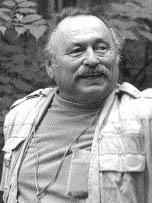
Jim Harrison (1937–2016) was no stranger to the wildness he wrote about. Born and raised in rural Michigan, he lost the sight in one eye as a child, an event that deepened his connection to the natural world. Harrison’s life was marked by physical hardship and emotional intensity, and he channeled these experiences into his writing.
Influences
- Ernest Hemingway: Harrison admired Hemingway’s spare prose and focus on masculinity.
- Native American Culture: Deeply respectful of Native American spirituality, Harrison often incorporated indigenous perspectives, as seen in the character of One Stab.
Other Notable Works
- Dalva
- The Road Home
- Brown Dog stories
Legacy
Harrison’s work is celebrated for its lyricism, authenticity, and refusal to romanticize either the natural world or the human heart. He is often cited as a “writer’s writer,” with fans among literary heavyweights and outdoorsmen alike.
Key Takeaways
- Family is both sanctuary and battleground.
- The American West is as much a state of mind as a physical place.
- Love is powerful, but often destructive.
- Grief lingers, changing shape but never truly fading.
- True legends are born of suffering as much as heroism.
Reader's Takeaway
Legends of the Fall is not just a tale of brothers—it’s a meditation on what it means to live fiercely, to love deeply, and to lose everything. The novella’s emotional range is staggering; one minute you’re marveling at the Montana sunrise, the next you’re mourning with the Ludlows by a lonely graveside. It’s a book that will make you question your own definitions of loyalty, courage, and destiny.
For students, there’s a treasure trove of literary devices and historical context to unpack. For general readers, Harrison offers an unforgettable emotional journey—one that underscores just how messy, beautiful, and tragic life can be.
Conclusion
Jim Harrison’s Legends of the Fall stands as a monument to the enduring power of family, the brutality of nature, and the complexities of the human heart. Through vivid prose and unforgettable characters, Harrison invites us to wrestle with fate, grief, and the pursuit of redemption. Whether you’re analyzing its literary craftsmanship or simply soaking in its emotional resonance, this novella rewards every reader willing to lose themselves in its mythic world.
If you haven’t yet ventured into the wilds of Harrison’s Montana, consider this your invitation. There’s pain, yes—but also beauty, wisdom, and the kind of storytelling that becomes legend in its own right. Don’t just read Legends of the Fall—live it, debate it, and let it haunt you long after the final page.
Legends of the Fall FAQ
What is 'Legends of the Fall' by Jim Harrison about?
'Legends of the Fall' is a novella that tells the story of the Ludlow family—Colonel William Ludlow and his three sons—as they navigate love, loss, and betrayal in the early 20th century American West. The narrative spans several decades and explores themes of family, war, nature, and the complexities of human emotion.
Is 'Legends of the Fall' based on a true story?
No, 'Legends of the Fall' is a work of fiction. While it is set against real historical backdrops such as World War I, the characters and events are products of Jim Harrison’s imagination.
What are the main themes explored in 'Legends of the Fall'?
The novella explores themes such as family dynamics, loyalty, the destructive power of love and revenge, the harshness of nature, and the impact of war on individuals and families.
Who are the main characters in 'Legends of the Fall'?
The main characters are Colonel William Ludlow and his three sons: Alfred, Tristan, and Samuel. Other notable characters include Susannah, who becomes romantically involved with all three brothers, and several Native American friends of the family.
Is 'Legends of the Fall' part of a series?
'Legends of the Fall' is one of three novellas in the collection titled 'Legends of the Fall' by Jim Harrison. The other two novellas are 'Revenge' and 'The Man Who Gave Up His Name,' but they are separate stories and not directly related to each other.
How does the novella differ from the film adaptation?
The 1994 film adaptation takes some creative liberties, expanding on certain plot points, altering character arcs, and emphasizing the romantic elements. While the film closely follows the core narrative, it differs in tone, detail, and some character motivations compared to the novella.
What is the writing style of Jim Harrison in 'Legends of the Fall'?
Jim Harrison's writing style is lyrical, evocative, and rich with vivid descriptions of nature and the American landscape. He is known for his deep exploration of character psychology and his ability to convey complex emotions with subtlety.
Is 'Legends of the Fall' suitable for young readers?
'Legends of the Fall' contains mature themes, including violence, war, and complex adult relationships. It is best suited for mature teens and adult readers.
Why is 'Legends of the Fall' considered a classic?
The novella is considered a classic because of its powerful storytelling, richly drawn characters, and exploration of universal themes. Jim Harrison’s prose and his depiction of the American experience have earned the book critical acclaim and lasting popularity.



