

Synopsis
Covers the whole plot, including the ending.
- Difficulty
- Easy
- Pacing
- Moderate
- Mood
- Hopeful, Dramatic, Melancholic, Inspiring
- Read it if
- You want a simplified introduction to a classic tale of redemption, justice, and love, accessible for younger readers or those learning English.
- Skip it if
- You are looking for the full, unabridged depth and complexity of Victor Hugo's original novel.
Les Miserables Plot Summary
Covers the whole plot, including the ending.
The Bishop's Mercy
Jean Valjean, released from prison after nineteen years for stealing bread for his starving nephew, arrives in Digne. Society rejects him because his yellow passport marks him as a convict. Desperate, he seeks shelter. Only Bishop Myriel, a kind man, offers him food and a bed. That night, Valjean steals the Bishop's silver and runs. Police catch him and bring him back to Myriel. Instead of accusing him, the Bishop says he gave Valjean the silver, even adding two silver candlesticks. He tells Valjean to use them to become an honest man. This act of forgiveness deeply affects Valjean, starting his spiritual crisis and wish for redemption.
Monsieur Madeleine and Fantine's Plight
Years pass, and Jean Valjean, changed by the Bishop's kindness, becomes Monsieur Madeleine. He is a rich factory owner and the respected mayor of Montreuil-sur-Mer. He is known for his generosity and fair treatment of workers. One employee is Fantine, a young woman with an illegitimate daughter, Cosette, whom she pays the Thénardiers to care for. Fantine is fired from the factory when co-workers discover her secret, and a foreman, Bamatabois, dislikes her. With no support and needing money for Cosette, Fantine becomes a prostitute, selling her hair and front teeth. She falls into poverty and sickness. Valjean, unaware of her situation, is still troubled by his past.
Justice Javert's Pursuit
Inspector Javert, a strict police officer, comes to Montreuil-sur-Mer. He was a guard at Valjean's prison and suspects Monsieur Madeleine is Valjean because of his unusual strength and a faint familiarity in his face. Javert's belief in the letter of the law means he cannot accept that a man could truly change. His suspicion grows when Valjean, with great strength, lifts a cart to save a man named Fauchelevent. Javert is sure he has found Valjean, but a mix-up leads to another man, Champmathieu, being mistaken for Valjean and arrested for a minor crime. Javert, believing he made a mistake, tells Valjean of his error.
Valjean's Confession and Fantine's Death
Troubled by his conscience, Jean Valjean faces a hard choice: let an innocent man, Champmathieu, be condemned in his place, or reveal his true identity and lose his new life. He chooses to confess in court, declaring himself Jean Valjean. This act of self-sacrifice is a key moment in his redemption. Meanwhile, Fantine, very ill, is being cared for by Valjean. He had taken her from the streets and promised to get Cosette for her. When she hears Valjean has been arrested and cannot keep his promise, Fantine dies of shock and sadness, never seeing her daughter again. Javert tries to arrest Valjean at Fantine's deathbed.
The Rescue of Cosette
Jean Valjean, after a short recapture, escapes prison again. He travels to Montfermeil to find Cosette, keeping his promise to Fantine. He finds her living a miserable life with the Thénardiers, a cruel innkeeper and his equally cruel wife. They exploit Cosette, making her do hard labor, dressing her in rags, and treating her badly while doting on their own daughters, Éponine and Azelma. Valjean sees Cosette fetching water in the woods and is moved by her hardship. He pays the Thénardiers a large sum of money to take Cosette, buying her freedom from their cruel care. He and Cosette then start a new life, constantly moving to avoid Javert.
Life in the Convent
Valjean and Cosette settle in Paris, but Javert's pursuit forces them to move often. One day, they barely escape Javert by climbing over a wall into a convent garden. Inside, Valjean recognizes Fauchelevent, the man he saved from under the cart, who is now the convent's gardener. Fauchelevent, grateful to Valjean, helps him and Cosette hide. Valjean pretends to be Fauchelevent's brother, and Cosette attends the convent school. This time offers them peace and security. Cosette grows up educated and sheltered. Valjean finds comfort in the quiet routine, working as Fauchelevent's assistant, though he remains careful about their disguise.
Marius and the ABC Friends
After several years, Valjean decides they must leave the convent so Cosette can experience the outside world. They move to a new house in Paris. Cosette, now a beautiful young woman, walks in the Luxembourg Gardens, where Marius Pontmercy, a passionate law student, sees her. Marius is estranged from his wealthy royalist grandfather, Monsieur Gillenormand, due to his republican beliefs and admiration for his father, a Napoleonic colonel. Marius is also part of a revolutionary student group, the Friends of the ABC, led by Enjolras, who advocate for social justice. Marius and Cosette fall in love, exchanging glances and then letters.
The Thénardiers' Plot and Éponine's Sacrifice
The Thénardiers, now poor and criminal, reappear in Paris using the name Jondrette. They try to extort money from Valjean, whom they recognize. Marius, living next door to the Thénardiers, overhears their plan to rob Valjean and tells Javert. Javert, undercover, watches the Thénardiers' hideout. Éponine, the Thénardiers' daughter, is now a ragged street girl who loves Marius, though he does not notice. She helps Marius find Cosette's new address, torn between wanting to be near him and knowing it will bring him closer to her rival. During the Thénardiers' robbery attempt, Valjean cleverly escapes Javert's trap. Éponine later intercepts a letter from Cosette to Marius, stopping it from reaching him, showing her desperate love.
The June Rebellion
Political tensions in Paris rise, leading to the June Rebellion of 1832 after General Lamarque's death. The Friends of the ABC, led by Enjolras, build barricades in the streets, believing this is their chance to start a revolution. Marius, heartbroken by Cosette's sudden disappearance (Valjean, fearing for her safety, plans to move them to England), joins the barricade, intending to die. Valjean, knowing Marius loves Cosette, also goes to the barricade to protect Marius. Éponine, disguised as a boy, joins the fight, determined to die with Marius. Javert infiltrates the barricade as a spy but is recognized and captured by the students.
Tragedy at the Barricade
The fighting at the barricade is fierce. The students are greatly outnumbered. Éponine, seeing a soldier aim at Marius, shields him, taking the bullet and saving his life. She dies in Marius's arms, confessing her love and giving him the letter from Cosette she had intercepted. Valjean, still at the barricade, has a chance to execute Javert but instead releases him, firing a shot into the air and telling Javert to escape, confusing the inspector. The barricade is overrun, and most students, including Enjolras and Gavroche (the Thénardiers' young son), are killed. Marius is badly wounded.
Valjean's Final Act of Love
After the barricade falls, Jean Valjean finds the severely wounded Marius. With great strength, Valjean lifts Marius onto his shoulders and escapes through a sewer grate, entering the sewers of Paris. He navigates the dark, dangerous passages, facing unimaginable filth, all while carrying the unconscious Marius. This hard journey shows Valjean's love for Cosette and his selfless commitment to saving the man she loves. He meets Thénardier in the sewers, who is scavenging bodies, but Thénardier does not recognize Valjean in the dark. Valjean finds an exit but is confronted by Javert, who has been waiting.
Javert's Dilemma and Valjean's Revelation
Valjean, emerging from the sewers with Marius, is immediately caught by Javert. Javert allows Valjean a moment to take Marius to his grandfather's house for medical care. This act of mercy conflicts with Javert's strict view of the world. Javert is torn between his duty to the law, which demands Valjean's arrest, and the good acts he has seen from Valjean, especially saving Marius's life. He cannot reconcile the escaped convict with the kind savior. This internal conflict breaks his absolute faith in the law. Unable to cope with this moral problem, Javert kills himself by jumping into the Seine River, a last, desperate act to end his inner turmoil.
Marius and Cosette's Marriage
Marius recovers from his wounds and, with his grandfather's approval, reunites with Cosette. They marry. Valjean, now free from Javert's pursuit, struggles with how to fit into their new life. He tells Marius his past as an ex-convict, believing it is his duty to be honest and that his presence might spoil Cosette's happiness. Marius, shocked by the news and misunderstanding Valjean's reasons, believes Valjean is a criminal and tries to keep him from Cosette, fearing for her safety and reputation. He slowly limits Valjean's access to Cosette, causing Valjean great pain and loneliness.
Thénardier's Final Deception
The Thénardiers, still criminals, try one last scheme. Thénardier visits Marius, believing he has valuable information. He tries to blackmail Marius by claiming Valjean is a murderer and a thief, giving twisted versions of events, including the sewer incident. However, in trying to slander Valjean, Thénardier accidentally reveals details that show Valjean's true heroism: that Valjean had saved Marius's life by carrying him through the sewers, and that Valjean had paid the Thénardiers a large sum for Cosette's care. Thénardier also reveals that Valjean, as Monsieur Madeleine, had earned his fortune honestly. Marius finally understands Valjean's goodness and the depth of his sacrifices.
Valjean's Peaceful End
Realizing the truth, Marius feels deep regret and rushes with Cosette to Valjean's side. They find Valjean on his deathbed, weak. Marius apologizes for his misunderstanding and coldness. Cosette, now fully aware of her adoptive father's great sacrifices and love, embraces him. Valjean, surrounded by the love of his adopted daughter and her husband, shows them the two silver candlesticks given to him by Bishop Myriel, symbols of his first redemption and lifelong struggle for good. He dies peacefully, his soul at rest, having kept his promise to Fantine and found ultimate redemption through love and sacrifice. His life, once marked by prison, ends in grace and forgiveness.
Principal Figures
Jean Valjean
Protagonist
An ex-convict striving for redemption and goodness.
Jean Valjean is introduced as a man hardened by nineteen years of unjust imprisonment for stealing bread. His journey is one of profound transformation, from a bitter convict to a compassionate, selfless individual. He is driven by a deep desire for redemption, fueled by Bishop Myriel's act of mercy, and dedicates his life to helping others, particularly Cosette. He possesses immense physical strength but also an equally strong moral compass, constantly battling his past and society's prejudice. He is a man of deep secrets and profound sacrifices.
Relationships: Bishop Myriel (spiritual mentor, catalyst for redemption); Fantine (employer, protector, promise-keeper); Cosette (adopted daughter, primary object of his love and sacrifice); Inspector Javert (nemesis, relentless pursuer); Marius Pontmercy (Cosette's husband, rival for Cosette's affection, ultimately saved by Valjean)
Inspector Javert
Antagonist
A rigid and unyielding police inspector obsessed with justice through law.
Inspector Javert is the embodiment of strict, uncompromising law and order. He believes absolutely in the letter of the law, seeing the world in black and white, with no room for nuance, forgiveness, or personal transformation. He is relentless in his pursuit of Jean Valjean, driven by a deep conviction that a criminal can never truly change. His character is defined by his unwavering adherence to duty and his inability to reconcile Valjean's acts of goodness with his criminal past, leading to his ultimate moral crisis. He is a man of integrity, but his integrity is bound by a rigid, unforgiving code.
Relationships: Jean Valjean (obsessive pursuer, moral opposite)
Fantine
Supporting
A tragic young woman forced into destitution to support her daughter.
Fantine is a beautiful and innocent young woman who falls victim to societal prejudice and economic hardship. She is a devoted mother, willing to make any sacrifice for her illegitimate daughter, Cosette. Her descent into poverty, prostitution, and illness highlights the harsh realities faced by women in 19th-century France. Despite her suffering, she retains a core of goodness and hope, clinging to the promise of her daughter's well-being. Her tragic life serves as a catalyst for Valjean's most profound acts of compassion and responsibility.
Relationships: Cosette (daughter, primary motivation); Jean Valjean (employer, savior, promise-keeper); Thénardiers (caretakers of Cosette, exploiters)
Cosette
Supporting
Fantine's daughter, rescued and raised by Jean Valjean.
Cosette is introduced as a neglected, abused child under the cruel care of the Thénardiers. She is rescued by Valjean and becomes the center of his world and the recipient of his unconditional love and sacrifice. She grows into a beautiful, sheltered, and somewhat naive young woman, initially unaware of Valjean's past or the extent of his sacrifices. Her innocence and beauty inspire love in Marius and provide Valjean with a purpose for his redeemed life. She represents hope and the possibility of a better future.
Relationships: Fantine (birth mother); Jean Valjean (adoptive father, protector); Marius Pontmercy (husband, love interest); Thénardiers (abusive foster parents)
Marius Pontmercy
Supporting
An idealistic student revolutionary who falls in love with Cosette.
Marius is a young, intelligent, and passionate law student with strong republican ideals, estranged from his royalist grandfather. He is devoted to the memory of his father, a Napoleonic colonel, and is involved with the revolutionary student group, the Friends of the ABC. He is a romantic idealist, capable of deep love and fierce loyalty, but also prone to youthful impetuousness and misunderstanding. His love for Cosette becomes a central driving force in his life, and his initial misjudgment of Valjean highlights themes of prejudice and the difficulty of seeing beyond appearances.
Relationships: Cosette (love interest, wife); Jean Valjean (Cosette's protector, rival, eventually revered savior); Monsieur Gillenormand (grandfather); Éponine (unrequited love, savior)
The Thénardiers
Antagonists
A greedy, cruel, and opportunistic couple who exploit others.
Monsieur and Madame Thénardier are a morally bankrupt couple, representing the absolute worst of humanity. They are driven by insatiable greed, cruelty, and opportunism. They exploit Cosette mercilessly, treat their own daughters with favoritism, and constantly engage in petty crime and schemes. They are cunning, manipulative, and entirely devoid of empathy. Their reappearance throughout the story provides a constant threat and source of misery, contrasting sharply with Valjean's goodness. They embody the depravity that Valjean strives to escape and combat.
Relationships: Cosette (abusive foster parents, exploiters); Jean Valjean (victims of their schemes, eventual targets of blackmail); Éponine (daughter, often neglected)
Éponine Thénardier
Supporting
The Thénardiers' daughter, who harbors an unrequited love for Marius.
Éponine is the eldest daughter of the Thénardiers, initially appearing as a spoiled child but later transforming into a ragged, street-wise girl. She is deeply and tragically in love with Marius, a love that is unrequited and goes largely unnoticed by him. Despite her difficult upbringing and her parents' criminality, she possesses a complex inner world, demonstrating moments of surprising loyalty and selflessness, particularly towards Marius. Her actions, born of desperation and love, significantly impact the lives of Marius and Cosette, culminating in her ultimate sacrifice.
Relationships: Marius Pontmercy (unrequited love interest); Thénardiers (parents, often neglected); Cosette (rival for Marius's affection)
Bishop Myriel
Supporting
A benevolent and compassionate bishop whose act of mercy transforms Valjean.
Bishop Myriel is a saintly figure, embodying Christian charity, forgiveness, and unconditional love. His encounter with Jean Valjean, where he covers for Valjean's theft and gifts him silver candlesticks, is the pivotal moment that sets Valjean on his path to redemption. He sees the inherent goodness in people, even those society has cast aside, and believes in the power of mercy over punishment. Though he appears early in the narrative, his influence resonates throughout Valjean's entire life, serving as a moral compass and a reminder of the transformative power of grace.
Relationships: Jean Valjean (spiritual guide, catalyst for change)
Enjolras
Supporting
The charismatic and fervent leader of the student revolutionaries.
Enjolras is the unwavering and idealistic leader of the Friends of the ABC. He is a passionate republican, dedicated to the cause of social justice and the establishment of a new, just society. He is portrayed as almost angelic in his purity and unwavering commitment to his ideals, often appearing cold and rational in his pursuit of revolution. He inspires loyalty and devotion among his fellow students, but his idealism ultimately leads him and his comrades to their tragic end at the barricades. He represents the fervent, uncompromising spirit of revolution.
Relationships: Marius Pontmercy (fellow revolutionary, friend); Friends of the ABC (leader)
Themes & Insights
Redemption and Forgiveness
A main theme of 'Les Misérables' is the chance for redemption, even for the most condemned. Jean Valjean's change, sparked by Bishop Myriel's forgiveness (the silver candlesticks scene), shows that mercy can inspire great change. Valjean constantly tries to make up for his past, not just through good deeds but through self-sacrifice, like confessing his identity to save Champmathieu or risking his life for Marius. The difference between Myriel's grace and Javert's strict justice highlights the novel's argument for compassion as the true path to human salvation.
“Remember this: there is nothing good or bad, but thinking makes it so. Only the good deeds that we do are important.”
Justice vs. Law
The novel questions the difference between legal justice and true moral justice. Inspector Javert represents the strict, unforgiving application of the law, believing that a criminal always remains one. His pursuit of Valjean, despite Valjean's clear goodness, shows the flaws of a system that values rules over humanity. Valjean, conversely, represents a higher form of justice, based on compassion, mercy, and personal responsibility. Javert's inability to reconcile Valjean's goodness with his criminal past leads to his moral breakdown, suggesting that a purely legal view of justice is not enough and can even be damaging.
“He believed in the law, and he believed in the police. He believed in the state, and in the rules. He believed that the law was never wrong, and that the state never made a mistake.”
Poverty and Social Injustice
The suffering caused by extreme poverty and social inequality is a common theme. Fantine's tragic fall into poverty, forced into prostitution and selling her teeth to support Cosette, clearly shows the harsh results of a society that offers little help or kindness to its most vulnerable. The Thénardiers' cruelty and exploitation of Cosette, and their own eventual decline, further highlight how poverty can corrupt. The June Rebellion, led by the Friends of the ABC, is a direct response to these deep social injustices, showing the desperation and anger of those ignored by the system.
“She was one of those women who are born for suffering.”
The Power of Love and Sacrifice
Love, in its many forms, is presented as a transforming and redeeming power. Valjean's fatherly love for Cosette drives his every action, leading him to great sacrifices, from escaping prison to carrying Marius through the sewers. This love gives his redeemed life purpose. Éponine's tragic, unrequited love for Marius leads to her sacrifice, saving his life. Marius and Cosette's romantic love offers hope and happiness amidst the suffering. The novel argues that true love involves selfless giving and a willingness to endure hardship for the beloved, ultimately leading to spiritual fulfillment.
“To love another person is to see the face of God.”
Plot Devices & Literary Techniques
The Candlesticks
A physical symbol of Valjean's redemption and Bishop Myriel's mercy.
The two silver candlesticks, stolen by Valjean and then gifted to him by Bishop Myriel, serve as a potent symbol throughout the novel. They represent Myriel's profound act of forgiveness that initiates Valjean's spiritual transformation. Valjean keeps them his entire life, a constant reminder of his promise to become an honest man. They symbolize the light of goodness that Myriel ignited in him, guiding his path of redemption and sacrifice, and are present at his deathbed, signifying his completed journey.
The Yellow Passport
A symbol of societal stigma and the inescapable past.
The yellow passport is a physical manifestation of Jean Valjean's past as a convict, marking him as an outcast wherever he goes. It symbolizes the societal prejudice and the inability of the law to allow for true rehabilitation or a fresh start. Even as Monsieur Madeleine, Valjean lives in constant fear of its discovery. It represents the inescapable shadow of his past and the constant threat of Javert's pursuit, highlighting the novel's critique of a justice system that brands individuals for life.
Coincidence and Fate
The frequent and improbable meetings of characters driving the plot.
The narrative of 'Les Misérables' relies heavily on a series of extraordinary coincidences that bring characters together at critical moments. From Valjean's repeated encounters with Javert, to his chance meeting with Fauchelevent in the convent, and the Thénardiers' constant reappearance in the lives of Valjean, Cosette, and Marius, these improbable events drive the plot forward. While some critics view this as a narrative weakness, it can also be interpreted as a device to emphasize the interconnectedness of human lives and perhaps the hand of fate or divine providence in Valjean's journey.
The Sewers of Paris
A metaphorical and literal underworld representing Valjean's final, arduous test.
The sewers of Paris serve as both a literal escape route for Valjean and Marius and a powerful metaphor. They represent an underworld, a place of filth, darkness, and danger, through which Valjean must pass to achieve his ultimate act of salvation. This journey mirrors Valjean's own descent into the metaphorical 'sewers' of society as a convict and his arduous struggle to emerge into the light of redemption. It is a place where he faces his past (Thénardier) and his nemesis (Javert) one last time, signifying his final trial.
Les Miserables Quotes
“It is a fearful thing to be an exception.”
“To love another person is to see the face of God.”
“The greatest battles are fought in the secret chambers of the heart.”
“There are no bad plants or bad men. There are only bad cultivators.”
“”
“”
“He who opens a school closes a prison.”
“To live is to suffer, to survive is to find some meaning in the suffering.”
“Even the darkest night will end and the sun will rise.”
“What is history? An echo of the past in the future; a reflex from the future on the past.”
“The beautiful is as useful as the useful.”
“Not to be loved is a misfortune, but it is a crime to not love.”
“There are such things as good encounters.”
“He was one of those rare beings who are so profoundly gentle that they can be terrible.”
“No one is useless in this world who lightens the burden of another.”
Quiz
10 questions on the plot and the characters. Each answer comes with a short explanation.
Question 1
What is Jean Valjean's initial crime that leads to his long imprisonment?
- Stealing a loaf of bread
- Assaulting a baker
- Robbing a church
- Escaping from prison
Show answer
A. Stealing a loaf of bread Jean Valjean was initially imprisoned for stealing a loaf of bread to feed his starving sister's child.
Question 2
What name does Jean Valjean use when he becomes a successful factory owner and mayor?
- Monsieur Thénardier
- Monsieur Fauchelevent
- Monsieur Madeleine
- Monsieur Gillenormand
Show answer
C. Monsieur Madeleine After his release and transformation, Jean Valjean assumes the identity of Monsieur Madeleine to live an honest life.
Question 3
Who is the relentless police inspector who pursues Jean Valjean throughout the story?
- Gavroche
- Javert
- Marius
- Enjolras
Show answer
B. Javert Inspector Javert dedicates his life to recapturing Jean Valjean, believing that once a criminal, always a criminal.
Question 4
What is Fantine forced to sell to support her daughter, Cosette?
- Her house and furniture
- Her hair and two front teeth
- Her factory job and savings
- Her family jewels
Show answer
B. Her hair and two front teeth To pay the Thénardiers for Cosette's upkeep, Fantine sells her hair and later her two front teeth, leading to her physical and emotional decline.
Question 5
Where do Jean Valjean and Cosette first live in Paris after escaping Javert, finding refuge in a convent?
- The Gorbeau House
- The Luxembourg Garden
- The Petit-Picpus Convent
- The Rue Plumet
Show answer
C. The Petit-Picpus Convent Jean Valjean and Cosette hide in the Petit-Picpus Convent for several years, where Valjean works as a gardener and Cosette attends school.
Question 6
Who are the Thénardiers?
- A wealthy aristocratic family in Paris
- A kind couple who adopt Cosette
- A corrupt innkeeping couple who exploit Cosette
- Revolutionary students who fight at the barricades
Show answer
C. A corrupt innkeeping couple who exploit Cosette The Thénardiers are the cruel and greedy innkeepers who abuse Cosette and extort money from Fantine.
Question 7
What is the primary theme explored through Jean Valjean's character arc?
- The futility of revolution
- The power of forgiveness and redemption
- The importance of social class
- The dangers of unchecked ambition
Show answer
B. The power of forgiveness and redemption Jean Valjean's journey from a hardened criminal to a compassionate benefactor highlights the transformative power of forgiveness and his personal redemption.
Question 8
During which historical event do Marius and the other students fight at the barricades?
- The French Revolution (1789)
- The July Revolution (1830)
- The June Rebellion (1832)
- The Franco-Prussian War (1870)
Show answer
C. The June Rebellion (1832) The students, including Marius and Gavroche, participate in the June Rebellion of 1832, a failed republican uprising.
Question 9
How does Jean Valjean save Marius's life during the barricade fighting?
- He convinces Javert to let Marius go.
- He carries Marius through the sewers of Paris.
- He provides medical aid and hides him in the convent.
- He fights off the soldiers attacking Marius.
Show answer
B. He carries Marius through the sewers of Paris. After the barricade falls, Jean Valjean carries the wounded Marius through the treacherous Paris sewers to safety.
Question 10
What is the ultimate fate of Inspector Javert?
- He retires peacefully after Valjean's capture.
- He is killed during the barricade fighting.
- He commits suicide by jumping into the Seine River.
- He becomes a close friend and ally of Jean Valjean.
Show answer
C. He commits suicide by jumping into the Seine River. After Jean Valjean shows him mercy, Javert's rigid worldview is shattered, and unable to reconcile his beliefs, he takes his own life by jumping into the Seine.
Les Miserables FAQ
What is the central premise of Jennifer Bassett's adaptation of 'Les Misérables'?
Jennifer Bassett's adaptation of 'Les Misérables' condenses Victor Hugo's epic tale, focusing on Jean Valjean's lifelong struggle for redemption after being released from prison. It highlights his pursuit by Inspector Javert and his efforts to provide a good life for Cosette, while also touching upon the broader social injustices of 19th-century France.
Who is Jean Valjean and what is his initial crime?
Jean Valjean is the central protagonist, a former convict who spent nineteen years in Toulon prison for stealing a loaf of bread to feed his starving sister's child. His initial crime, though seemingly minor, sets him on a path of suffering and ultimately, profound moral transformation.
Describe Inspector Javert's role in the story.
Inspector Javert is Valjean's relentless pursuer, a man utterly devoted to the law and justice as he understands it. He believes Valjean can never truly change and dedicates his life to recapturing him, embodying a rigid, uncompromising view of morality and order.
Who is Fantine and what is her tragic fate?
Fantine is a young, beautiful factory worker who falls on hard times, forced to sell her hair, teeth, and ultimately herself to pay the wicked Thénardiers for the care of her daughter, Cosette. She dies of illness and despair, leaving Cosette in Valjean's care, a pivotal moment that deepens his commitment to altruism.
What is Cosette's background and her relationship with Valjean?
Cosette is Fantine's illegitimate daughter, initially left with the cruel Thénardiers. Valjean rescues her and raises her as his own, providing her with love, education, and a protected life. She represents his chance at a family and his ultimate act of paternal love and sacrifice.
How does Valjean's identity as Monsieur Madeleine connect to his past?
Valjean adopts the identity of Monsieur Madeleine to escape his past as a convict, becoming a successful factory owner and mayor of Montreuil-sur-Mer. This new identity allows him to do immense good for the community, but it's constantly threatened by Javert's suspicion and the ever-present fear of exposure, forcing him to make difficult moral choices.
What is the significance of the Bishop of Digne's act of kindness towards Valjean?
The Bishop of Digne's kindness, particularly giving Valjean his silver candlesticks after Valjean tried to steal them, is the pivotal moment that transforms Valjean's life. This act of grace and forgiveness inspires Valjean to abandon his life of crime and dedicate himself to good, marking the beginning of his moral redemption.
How do the Thénardiers contribute to the suffering in the story?
The Thénardiers are a greedy, cruel innkeeper couple who exploit Fantine and abuse Cosette. They later become criminals and continue to cause trouble for Valjean and Marius, embodying the darker, more opportunistic side of society's underbelly and serving as constant antagonists.
What is the role of Marius Pontmercy in the narrative?
Marius Pontmercy is a young, idealistic law student who falls deeply in love with Cosette. He becomes involved with the student revolutionaries at the barricades, representing the hope and passion of youth. His love for Cosette forces Valjean to confront his deepest fears about losing his adoptive daughter and reveals Valjean's capacity for self-sacrifice.
Analyze Valjean's internal conflict regarding his identity and past.
Valjean is constantly torn between his desire to live a good life as Monsieur Madeleine and the specter of his past as prisoner 24601. He struggles with the fear of exposure, the moral imperative to confess, and his commitment to protecting Cosette, highlighting the psychological burden of a hidden identity and the quest for true atonement.
How does Javert's unwavering adherence to the law impact his psychological state?
Javert's rigid adherence to the law leaves no room for mercy or understanding of human transformation, creating a profound psychological conflict when Valjean saves his life. This act of grace shatters Javert's worldview, leading to an existential crisis as he cannot reconcile Valjean's goodness with his criminal past, ultimately resulting in his tragic end.
Explore the psychological impact of poverty and injustice on characters like Fantine.
Poverty and societal injustice crush Fantine's spirit and dignity, forcing her into desperate acts of self-sacrifice. The constant struggle for survival and the loss of her child's presence lead to profound despair and physical decline, illustrating how external circumstances can deeply scar and ultimately destroy an individual's psychological well-being.
How does Valjean's love for Cosette evolve throughout the story?
Valjean's initial motivation to rescue Cosette is a promise to Fantine, but his love for her deepens into a profound paternal bond. His entire life becomes centered on her happiness and protection, culminating in his ultimate sacrifice of his own presence in her life to ensure her future with Marius, demonstrating a selfless, evolving love.
Is Valjean truly 'redeemed' by the end of the story, or does his past always define him?
Valjean achieves profound moral redemption through his actions of selflessness, compassion, and love, particularly in saving Marius and ensuring Cosette's happiness. While his past as a convict continues to haunt him and influences his decisions, his transformation from a bitter man to a saintly figure suggests a powerful and complete redemption.
Does Javert's suicide represent a failure of the law or a failure of his own moral philosophy?
Javert's suicide can be interpreted as a failure of his rigid, unforgiving moral philosophy, which cannot reconcile Valjean's goodness with his criminal past. It highlights the limitations of a justice system devoid of mercy and compassion, suggesting that true justice must incorporate understanding and the possibility of human change.
What is the significance of the barricade scene in the broader context of the novel's themes?
The barricade scene, though tragic, symbolizes the struggle for freedom, justice, and social change against oppressive forces. It embodies the idealism of the young revolutionaries and the brutal reality of their fight, reinforcing themes of sacrifice, love, and the enduring human spirit in the face of insurmountable odds.
How does the author, Jennifer Bassett, manage to convey the complex themes of Hugo's original in a simplified adaptation?
Jennifer Bassett's adaptation focuses on the core emotional journey of Jean Valjean and the key relationships, particularly with Javert, Fantine, and Cosette. By streamlining subplots and secondary characters, she effectively preserves the central themes of justice, redemption, and the power of love, making the essence of Hugo's message accessible.
Could Javert have been redeemed, or was his fate inevitable given his character?
Given Javert's unyielding belief in the letter of the law and his inability to comprehend Valjean's transformation, his fate seems largely inevitable. His character is built on an absolute moral code that offers no room for nuance or forgiveness, making his redemption unlikely without a fundamental shift in his core beliefs, which he proves incapable of.
About the author

Jennifer Bassett is an author known for her adaptations of classic literature. In the catalog, she is recognized for her version of "Les Miserables," a novel originally written by Victor Hugo that explores themes of justice, redemption, and the human condition. Bassett's work primarily focuses on fiction, making classic stories accessible to contemporary readers.
Similar books
- A Christmas Carol
Charles Dickens
4.1 (600k) average on GoodreadsFantasyFeatures a powerful redemption arc and social commentary.
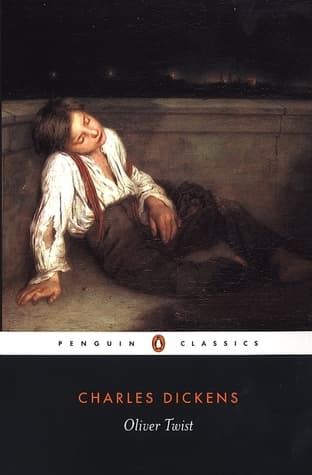
- Oliver Twist
Charles Dickens
3.9 (319k) average on GoodreadsHistorical FictionExplores themes of poverty, injustice, and orphaned children in 19th-century society.
- Nineteen Eighty-Four
George Orwell
4.2 (5.5M) average on GoodreadsFictionWinston Smith dreams of truth and rebellion in a world where Big Brother watches all, but he confronts the terrifying power of a regime that controls not just actions, but thoughts.
- The Frozen River
Ariel Lawhon
4.4 (600k) average on GoodreadsFictionIn 1789 Maine, a heroic midwife's diary helps her expose a murder and get justice in a town that wants to silence her.
- A Man Called Ove
Fredrik Backman
4.4 (569k) average on GoodreadsFictionA stubborn widower, who lives by strict rules, finds his quiet world changed by a lively new family next door, making him face his past and find happiness in human connection.
- The Art of Racing in the Rain
Garth Stein
4.2 (452k) average on GoodreadsFictionThrough the eyes of Enzo, a wise and observant dog, a race car driver's family navigates a journey of love, loss, and resilience, learning that life's most important lessons often come in the curves, not just on the straightaways.





Enjoyed the summary?
A summary gives you the shape of the book. The book itself has the detail, the examples and the voice.
Find Les Miserables on AmazonAs an Amazon Associate, BookBrief earns from qualifying purchases. How we're funded