Estimated read time: 5 min read
One Sentence Summary
A collection of philosophical letters offering guidance on living a virtuous and fulfilling life.
Table of Contents
Letters from a Stoic by Seneca
Introduction
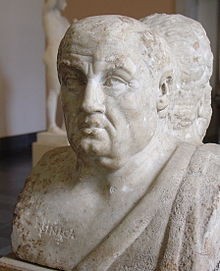
"Letters from a Stoic" is a collection of letters written by the ancient Roman philosopher Seneca. These letters provide valuable insights into Stoic philosophy and offer practical advice on how to live a meaningful and virtuous life. Seneca's letters were originally written for his friend Lucilius, but they have since become a timeless guide for anyone seeking wisdom and inner peace.
Brief Synopsis
The book is divided into four parts, each containing a series of letters that explore different aspects of Stoic philosophy. Seneca covers various topics such as the art of living, the nature of wisdom, and the importance of self-discipline. Through his letters, he offers guidance on how to navigate life's challenges and cultivate a tranquil mind amidst the chaos of the world.
The setting of the book is ancient Rome, where Seneca lived during the first century AD. Rome was a vibrant and cosmopolitan city, but it was also a place of political intrigue, moral corruption, and social inequality. Seneca, as a philosopher and statesman, witnessed firsthand the flaws and vices of Roman society, which influenced his Stoic teachings.
Main Characters
| Character | Description |
|---|---|
| Seneca | The author of the letters and a prominent Stoic philosopher. He offers wisdom and guidance to his friend Lucilius. |
| Lucilius | The recipient of Seneca's letters. He seeks guidance on how to live a virtuous life and navigate the challenges of the world. |
Summary of Different Story Points over Chapters
Part 1: On Saving Time
In this section, Seneca emphasizes the importance of time and encourages Lucilius to make the most of it. He urges him to focus on what truly matters, to set priorities, and to avoid wasting time on trivial matters. Seneca highlights the brevity of life and the need to live in the present moment.
Part 2: On Discursiveness in Reading
Here, Seneca discusses the art of reading and the importance of selecting quality books. He advises Lucilius to read widely but also to be discerning in his choices. Seneca encourages him to engage with books that challenge his thinking and expand his knowledge.
Part 3: On True and False Friendship
In this section, Seneca delves into the nature of friendship. He distinguishes between true and false friendships, emphasizing the importance of cultivating genuine connections based on virtue and mutual respect. Seneca encourages Lucilius to surround himself with virtuous individuals who will support and uplift him.
Part 4: On the Terrors of Death
Seneca explores the topic of death and aims to alleviate Lucilius's fears surrounding it. He argues that death is a natural part of life and that true wisdom lies in accepting its inevitability. Seneca encourages Lucilius to live in the present and make the most of his time, knowing that death is an unavoidable reality.
Main Events
- Seneca advises Lucilius on various aspects of life, including time management, reading, friendship, and the fear of death.
- Seneca shares his thoughts on the Stoic virtues and the importance of living in accordance with nature.
- Seneca provides practical advice on how to cultivate tranquility of mind and maintain inner peace in the face of adversity.
- Seneca explores the concept of self-discipline and the importance of controlling one's desires and emotions.
- Seneca reflects on the nature of wealth and power, arguing that true happiness comes from within and is not dependent on external circumstances.
Themes and Insights
- Stoicism: The book explores the principles of Stoic philosophy, emphasizing the importance of virtue, self-discipline, and acceptance of the natural order of things.
- Time and Mortality: Seneca reflects on the fleeting nature of time and the inevitability of death. He encourages readers to make the most of their limited time on earth and to live in the present moment.
- Inner Peace and Tranquility: Seneca provides guidance on how to cultivate tranquility of mind and find inner peace amidst the chaos of life. He emphasizes the importance of self-discipline and the control of desires and emotions.
- Virtue and Ethics: The book explores the virtues of Stoicism, such as wisdom, courage, and justice. Seneca emphasizes the importance of living a virtuous life and aligning one's actions with ethical principles.
- Friendship: Seneca delves into the nature of friendship, highlighting the importance of cultivating genuine connections based on virtue and mutual respect.
Reader's Takeaway
"Letters from a Stoic" offers timeless wisdom and practical advice for anyone seeking to live a virtuous and fulfilling life. Seneca's letters provide valuable insights into Stoic philosophy and offer guidance on how to navigate the challenges of the world. The book encourages readers to cultivate inner peace, practice self-discipline, and make the most of their limited time on earth.
Conclusion
"Letters from a Stoic" is a collection of letters written by Seneca, an ancient Roman philosopher. The book explores various aspects of Stoic philosophy and offers practical advice on how to live a meaningful and virtuous life. Seneca's reflections on time, mortality, friendship, and self-discipline provide valuable insights for readers seeking wisdom and inner peace. "Letters from a Stoic" is a timeless guide that continues to resonate with readers across generations.
Letters from a Stoic FAQ
What is 'Letters from a Stoic' about?
Letters from a Stoic is a collection of letters written by the Roman philosopher Seneca, offering practical advice on how to live a good and fulfilling life according to Stoic philosophy.
Who is Seneca?
Seneca was a prominent Stoic philosopher, statesman, and playwright in ancient Rome. He served as an advisor to Emperor Nero.
Is 'Letters from a Stoic' a fictional book?
No, 'Letters from a Stoic' is not a fictional book. It is a collection of real letters written by Seneca to his friend Lucilius.
What topics are covered in 'Letters from a Stoic'?
The letters cover a wide range of topics, including ethics, virtue, friendship, anger, death, and the pursuit of wisdom. Seneca provides practical guidance on how to apply Stoic principles to everyday life.
Is 'Letters from a Stoic' suitable for beginners in Stoicism?
Yes, 'Letters from a Stoic' is suitable for beginners. Seneca's letters are written in a clear and accessible style, making it easier for readers new to Stoicism to understand and apply the principles.
Are the letters in 'Letters from a Stoic' arranged in any particular order?
The letters in 'Letters from a Stoic' are not arranged chronologically. However, they are grouped thematically to provide a coherent structure and flow of ideas.
Is 'Letters from a Stoic' a long book?
The length of 'Letters from a Stoic' may vary depending on the edition, but it is generally considered to be a relatively short book. It contains a selection of Seneca's letters rather than the complete collection.
Can 'Letters from a Stoic' be read as a standalone book?
Yes, 'Letters from a Stoic' can be read as a standalone book. Each letter is self-contained and offers valuable insights and advice, even without reading the entire collection.
Is 'Letters from a Stoic' relevant in modern times?
Yes, 'Letters from a Stoic' remains relevant in modern times. The Stoic principles and wisdom shared by Seneca in his letters are timeless and can be applied to navigate the challenges of contemporary life.
Are there any other notable works by Seneca?
Yes, Seneca wrote several other notable works, including 'On the Shortness of Life' and 'Moral Letters to Lucilius.' These works also delve into Stoic philosophy and offer valuable insights.