BookBrief Logo
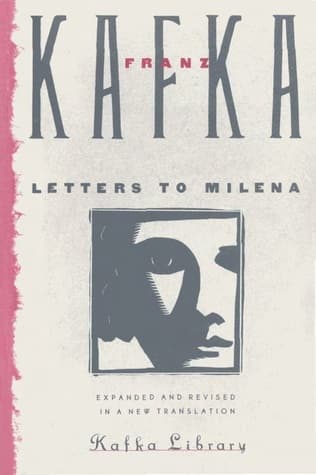
Letters to Milena
Goodreads ratings
3.81 / 5
Add to Your Library

Sign in to save this book to your reading lists

"Letters to Milena" Characters Analysis

Franz Kafka's collection of letters to Milena Jesenská explores the complexities of love, longing, and the human condition.

Estimated read time: 6 min read

Table of Contents

  1. List of Characters

List of Characters

Character NameRole
Franz KafkaAuthor and protagonist
Milena JesenskáRecipient of the letters
Max BrodFriend and confidant
Ottla KafkaKafka's sister
Julie WohryzekKafka's former lover

Role Identification

In "Letters to Milena" by Franz Kafka, the main characters play significant roles in the narrative. Franz Kafka, the author himself, is the protagonist and the primary letter writer. Milena Jesenská is the recipient of the letters and becomes a crucial figure in Kafka's life. Max Brod, a close friend of Kafka, serves as a confidant and advisor. Other notable characters include Ottla Kafka, the author's sister, and Julie Wohryzek, Kafka's former lover.

Character Descriptions

  1. Franz Kafka: As the author and protagonist, Kafka is a complex and introspective character. He is known for his existential and surrealist writing style, which mirrors his own internal struggles. Kafka is reserved, socially anxious, and highly self-critical. He seeks solace in his correspondence with Milena, expressing his deepest thoughts and emotions through his letters.
  2. Milena Jesenská: Milena is an independent and intelligent woman who captivates Kafka with her charm and intellectual depth. She is a married Czech journalist and translator. Milena's allure lies in her ability to understand Kafka's inner turmoil, making her a confidante and muse. Her free-spirited nature and strong personality draw Kafka towards her.
  3. Max Brod: Max Brod is Kafka's close friend and confidant. He is an influential figure in Kafka's life and writing career. Brod is supportive, encouraging Kafka to continue writing and confronting his fears. He acts as a sounding board for Kafka's ideas and provides valuable feedback on his work.
  4. Ottla Kafka: Ottla is Franz Kafka's sister, and she shares a close bond with him. She is a nurturing and caring presence in Kafka's life, providing him with emotional support. Ottla is a source of stability amidst Kafka's internal struggles and serves as a reminder of familial love and connection.
  5. Julie Wohryzek: Julie is Kafka's former lover, who plays a minor role in the novel. Although their relationship has ended, Kafka's unresolved feelings for Julie influence his interactions with Milena. Julie's presence adds a layer of complexity to Kafka's emotional journey.

Character Traits

  1. Franz Kafka: Introverted, introspective, anxious, self-critical, imaginative.
  2. Milena Jesenská: Independent, intelligent, charismatic, empathetic, free-spirited.
  3. Max Brod: Supportive, wise, encouraging, perceptive, loyal.
  4. Ottla Kafka: Nurturing, loving, caring, stable, familial.
  5. Julie Wohryzek: Enigmatic, unresolved, influential, distant, emotional.

Character Background

  1. Franz Kafka: Kafka was a German-speaking Jewish writer born in Prague in 1883. He worked as an insurance officer but devoted his free time to writing. Kafka had a strained relationship with his father and struggled with feelings of inadequacy and alienation throughout his life. His introspective and existential writing style reflects his own internal conflicts.
  2. Milena Jesenská: Milena was born in Prague in 1896 and grew up in a middle-class family. She married Ernst Polak, a Czech journalist, but their relationship was tumultuous. Milena was known for her intellect and her involvement in various literary and political circles. After her marriage ended, she became romantically involved with Kafka.
  3. Max Brod: Brod was born in Prague in 1884 and was a close friend of Kafka. He was also a writer and playwright. Brod played a pivotal role in preserving Kafka's manuscripts and ensuring their publication after Kafka's death. He acted as Kafka's confidant and was instrumental in shaping the author's literary legacy.
  4. Ottla Kafka: Ottla was Kafka's youngest sister, born in 1892. She had a close relationship with Kafka and often supported him emotionally. Ottla was a source of stability in Kafka's life, and her love for her brother was unwavering.
  5. Julie Wohryzek: Julie was a former lover of Kafka's. Their relationship ended, but Kafka's unresolved feelings for her influenced his emotional state and interactions with Milena. Julie remains somewhat of a mystery in Kafka's life, leaving a lasting impact on his psyche.

Character Arcs

  1. Franz Kafka: Throughout the book, Kafka's character arc is driven by his emotional and intellectual connection with Milena. Through their correspondence, Kafka experiences a sense of liberation and self-discovery. His letters serve as a medium for exploring his deepest fears, desires, and existential dilemmas. Kafka's character arc is marked by a gradual opening up to vulnerability and a heightened self-awareness.
  2. Milena Jesenská: While the book primarily focuses on Kafka's perspective, Milena's character arc is also significant. She starts as an admirer of Kafka's work but gradually becomes his confidante and muse. Milena's interactions with Kafka challenge her own beliefs and desires, leading to personal growth and self-realization.

Relationships

  1. Franz Kafka and Milena Jesenská: The relationship between Kafka and Milena is the central focus of the book. Their connection is intense and intellectual, transcending the boundaries of a conventional friendship. Kafka finds solace in Milena's understanding, and their correspondence becomes a lifeline for both of them. Their relationship is marked by a deep emotional bond, even though they rarely meet in person.
  2. Franz Kafka and Max Brod: Kafka and Brod share a profound friendship based on mutual respect and understanding. Brod acts as Kafka's confidant, providing valuable feedback on his work and supporting him through his emotional struggles. Their relationship is characterized by intellectual stimulation and unwavering loyalty.
  3. Franz Kafka and Ottla Kafka: Kafka's relationship with his sister Ottla is a source of emotional stability in his life. Ottla's unconditional love and care provide Kafka with a sense of belonging and familial connection. Their bond serves as a grounding force amidst Kafka's internal turmoil.
  4. Franz Kafka and Julie Wohryzek: Kafka's relationship with Julie remains unresolved but influences his emotional state and interactions with Milena. Julie's impact on Kafka's psyche adds a layer of complexity to his relationship with Milena and his overall character development.

In conclusion, "Letters to Milena" by Franz Kafka presents a captivating exploration of the author's own emotional and intellectual journey. Through the characters of Kafka, Milena, Brod, Ottla, and Julie, the book delves into themes of introspection, existentialism, and the complexities of human connection. Kafka's character arc, along with his relationships, highlights the transformative power of personal correspondence and the profound influence of significant individuals in one's life.