

Synopsis
Covers the whole plot, including the ending.
- Difficulty
- Medium
- Pacing
- Variable
- Mood
- Intense, Emotional, Resilient, Hopeful, Dramatic
- Read it if
- You love intense, emotionally charged forbidden romances with high stakes, strong characters, and a focus on overcoming past trauma, set against the backdrop of professional sports.
- Skip it if
- You prefer light-hearted romance, are sensitive to themes of domestic abuse and violence, or dislike stories with significant emotional angst and a slow burn.
Long Shot Plot Summary
Covers the whole plot, including the ending.
A Chance Encounter and a Spark
Iris and August first meet at a crowded sports bar, where Iris celebrates her 21st birthday with her best friend, Jade. August, an NBA player, is immediately drawn to Iris's personality and intelligence. Their first conversation has witty exchanges and clear chemistry, even though Iris is in a long-term relationship with Caleb, another basketball player. August finds Iris's passion for social justice and her strong morals interesting, while Iris likes August's kindness and interest in her. They talk all evening, feeling a connection more than a simple bar meeting, but Iris leaves with Caleb, keeping her commitment, though the meeting with August affects both of them.
The Unraveling of a Relationship
As Iris and Caleb's relationship continues, Caleb's controlling and verbally abusive behaviors grow. He separates Iris from her friends and family, constantly criticizes her goals, and shows intense jealousy. Iris, at first hoping their love can fix these problems, feels more trapped and unhappy. Caleb’s promises of marriage and a perfect future become ways to manipulate her, while his behavior erodes her self-worth. Despite her growing discomfort and warning signs, Iris struggles to leave, tied by years of history and Caleb's psychological manipulation, which makes her doubt her own thoughts. Her once lively spirit starts to fade under his oppression.
A Plea for Help and a Promise Broken
During a severe incident of abuse, Iris escapes Caleb's apartment and, in desperation, calls August, who gave her his number months ago. August, immediately sensing her distress, helps her, offering comfort and a safe place. He sees the physical and emotional toll Caleb has taken on her and wants to help her leave for good. However, Caleb, realizing Iris has left, finds her. He manipulates her with apologies and promises of change, convincing Iris to return, using her remaining hope and fear. August is heartbroken and frustrated, knowing Iris is going back to a dangerous situation, but he respects her choice, though unwillingly.
Years of Silence and the Price of Fame
For the next five years, Iris stays in Caleb’s abusive cycle. Her life becomes a series of compromises, her dreams put off, and her spirit slowly worn down. Caleb’s NBA career grows, bringing more public attention, which increases his need to control Iris's image and life. He uses his fame to isolate her further, making it almost impossible for her to get help or escape. Meanwhile, August West becomes an NBA superstar, his career soaring. Despite his success, he never forgets Iris, often wondering about her and regretting not being able to truly save her. Their lives go in very different directions, one into darkness, the other to professional success.
A Violent Confrontation and a New Beginning
The abuse reaches a breaking point when Caleb violently assaults Iris, leaving her badly hurt. This act shatters any remaining illusions Iris had about their relationship and sparks a strong will to live. She manages to escape and, with the help of a kind stranger, finds her way to a women's shelter. There, she begins the long and difficult process of healing, both physically and emotionally. This escape marks a turning point, as Iris starts to reclaim her independence and sense of self. She slowly rebuilds her life, focusing on her recovery and finding strength within the supportive shelter community, determined never to return to her abuser.
Reunion and Rekindled Hope
Years after their last meeting, Iris and August cross paths again when Iris, working as an administrative assistant, attends an NBA charity event. August immediately recognizes her, and the spark between them years ago comes back even stronger. Iris, still carrying emotional scars from her past, is hesitant to trust, but August approaches her with patience, respect, and kindness. He is now a famous NBA star, but his genuine nature has not changed. They start spending time together, carefully exploring their feelings, and August is a supportive and understanding presence, helping Iris through her healing without pushing her, slowly building trust.
Navigating the Past and Public Scrutiny
As Iris and August's relationship deepens, they face big problems. Caleb, still obsessed with Iris, starts to reappear, trying to manipulate and threaten her. His public image as a successful athlete makes it hard for Iris to expose his abuse without fear of disbelief or negative reactions. At the same time, the media learns of August's new relationship, and attention grows, with tabloids guessing about Iris's past and comparing her to Caleb. August strongly protects Iris, using his platform to support her and challenge the stories, but the pressure strains their new love, making them confront their past traumas while dealing with a very public romance.
Confrontation and Legal Battle
With August's strong support and her own healing, Iris decides to take legal action against Caleb. She files for a restraining order and pursues charges for his abuse, a brave step that brings her past trauma into public view. The legal battle is difficult, with Caleb using his money and influence to discredit her. Iris, with a dedicated legal team, carefully gathers evidence and prepares to testify, facing her abuser directly. This process is emotionally draining but also empowering, as Iris reclaims her voice and fights for the justice she deserves, determined to break free from Caleb's hold and inspire other survivors.
Trial and Vindication
The trial is intense and emotional. Iris gives a powerful and brave testimony, telling about the years of abuse with honesty and vulnerability. Her words deeply affect the court, showing Caleb's manipulative and violent nature to the public. Despite Caleb's attempts to discredit her, Iris's testimony, with other evidence, is convincing. The jury finds Caleb guilty on multiple counts, bringing Iris a sense of justification and closure. This legal win frees her from his grasp and sends a strong message, allowing her to truly start healing and moving forward with her life, no longer defined by her past.
A Future Forged in Love and Resilience
With Caleb's control over, Iris is finally free to embrace a future with August. Their relationship, built through difficulty and strengthened by mutual respect and love, grows. Iris continues her healing, finding strength in advocating for other survivors of domestic abuse, using her experience to help. August remains her steady partner, celebrating her resilience and supporting her every step. They build a life together, full of happiness, partnership, and a deep understanding that their love shows perseverance. Their story becomes a story of hope, proving that even after great darkness, love and resilience can lead to a good, fulfilling future.
Principal Figures
Iris
Protagonist
A resilient survivor who finds her voice and strength after enduring abuse.
Iris is introduced as a vibrant, intelligent, and compassionate young woman with a passion for social justice. She initially falls for Caleb, believing in his potential, but becomes trapped in a cycle of abuse that strips her of her self-worth and dreams. Despite the immense trauma she endures, Iris possesses an incredible inner strength and resilience. Her journey is one of profound healing, self-discovery, and empowerment as she reclaims her agency and advocates for others. She is initially hesitant to trust due to her past, but August's unwavering support helps her to open up and find love again.
Relationships: August West (Soulmate; supportive, loving partner); Caleb Caldwell (Abusive, manipulative ex-boyfriend); Jade (Best friend; loyal and supportive)
August West
Protagonist/Love Interest
An NBA superstar who is kind, patient, and deeply devoted to Iris.
August is a rising star in the NBA, known for his talent, integrity, and genuine kindness. From their first meeting, he is captivated by Iris and senses her unique spirit. He is a man of honor and patience, waiting for Iris to be ready for him and offering unwavering support throughout her healing journey. August is fiercely protective of Iris, using his public platform to stand by her side and challenge societal norms around domestic abuse. He represents a safe, loving haven, contrasting sharply with Caleb's toxicity, and his love empowers Iris to find her voice and strength.
Relationships: Iris (Soulmate; supportive, loving partner); Caleb Caldwell (Rival; antagonist due to his treatment of Iris)
Caleb Caldwell
Antagonist
An NBA player whose charming facade hides a manipulative and abusive nature.
Caleb is Iris's long-term boyfriend and later ex-boyfriend, also an NBA player. Initially charming and charismatic, he slowly reveals his true nature as a controlling, manipulative, and physically abusive partner. He uses his fame and promises of a future to keep Iris trapped, isolating her from her support system. Caleb is driven by a need for control and a fragile ego, viewing Iris as a possession rather than an equal partner. His actions are the primary source of Iris's trauma and the central conflict she must overcome to find freedom and healing.
Relationships: Iris (Abusive ex-girlfriend); August West (Rival; professional and personal antagonist)
Jade
Supporting
Iris's loyal best friend who stands by her through thick and thin.
Jade is Iris's closest confidante and best friend. She is fiercely loyal, outspoken, and protective of Iris. Throughout Iris's relationship with Caleb, Jade is one of the few people who sees through Caleb's facade and tries to warn Iris, though her efforts are often thwarted by Caleb's manipulation. Jade provides emotional support, a listening ear, and practical help to Iris, especially after she escapes Caleb. She is a constant source of strength and unconditional love, representing the importance of a strong support system for survivors of abuse.
Relationships: Iris (Best friend)
Melody
Supporting
A fellow survivor at the women's shelter who becomes a friend and mentor to Iris.
Melody is a resident at the women's shelter where Iris finds refuge after escaping Caleb. She is a compassionate and understanding woman who has also experienced domestic abuse. Melody becomes a crucial figure in Iris's healing process, offering empathy, shared experience, and practical advice. She helps Iris navigate the challenges of recovery, provides emotional support, and encourages her to reclaim her independence and self-worth. Melody represents the power of community and peer support in the journey of healing from trauma.
Relationships: Iris (Friend; fellow survivor)
Coach Hayes
Supporting
August's coach, a mentor figure who supports his career and personal growth.
Coach Hayes is August's basketball coach, a seasoned and respected figure in the NBA. He serves as a mentor to August, guiding his professional career and offering advice on navigating the pressures of fame. While primarily focused on August's performance on the court, Coach Hayes also demonstrates a subtle understanding of August's character and personal struggles, particularly when August is dealing with his concern for Iris. He represents the professional world August inhabits, and his support indirectly aids August in being a stronger partner for Iris.
Relationships: August West (Coach and mentor)
Mrs. West
Supporting
August's mother, a loving and supportive figure.
Mrs. West is August's mother, a kind and supportive presence in his life. She is introduced as a loving parent who instills strong values in August. She welcomes Iris into their family with warmth and understanding, providing a stark contrast to the dysfunctional family dynamics Iris experienced with Caleb. Mrs. West represents the healthy, nurturing family environment that August comes from, which helps him to be a stable and supportive partner for Iris. Her acceptance of Iris further solidifies Iris's sense of belonging and safety.
Relationships: August West (Mother); Iris (Future mother-in-law; supportive figure)
Attorney Miller
Supporting
Iris's lawyer, instrumental in her legal battle against Caleb.
Attorney Miller is the dedicated and compassionate lawyer who represents Iris in her legal case against Caleb. She is a skilled legal professional who believes in Iris's story and is committed to helping her achieve justice. Attorney Miller guides Iris through the complex and emotionally taxing legal process, providing expert advice, preparing her for testimony, and fighting fiercely on her behalf. She plays a crucial role in empowering Iris to confront her abuser in court and secure her freedom, ensuring that Caleb is held accountable for his actions.
Relationships: Iris (Lawyer and advocate)
Themes & Insights
Domestic Abuse and Survival
The main theme of 'Long Shot' explores the harmful nature of domestic abuse, its mental toll, and the great strength needed to survive and heal. Iris's journey with Caleb shows the cycle of abuse, manipulation, and isolation. The book goes into the difficulty of leaving an abuser, the fear of not being believed, and the long path to recovery. It shows the importance of support, legal action, and the courage to speak up, as seen when Iris escapes to a shelter and later decides to press charges against Caleb.
“He didn't hit me today, but his words left bruises only I could see.”
Healing and Empowerment
This theme focuses on Iris's difficult but successful journey of healing from trauma. It shows how she rebuilds her self-worth, learns to trust again, and finds control after years of being controlled. Her time at the women's shelter, her renewed interest in social justice, and her decision to take legal action against Caleb are important moments in her empowerment. The theme stresses that healing is not simple but shows resilience, ending with Iris using her experience to advocate for others, turning her pain into purpose.
“My voice had been stolen, but I was learning to sing again, louder than ever before.”
Forbidden Love and Second Chances
The novel explores the strong, forbidden attraction between Iris and August, which is at first stopped by Iris's involvement with Caleb. Their connection, clear from the first meeting, becomes a second chance at love. This theme shows that true love can last through time and hardship, and that finding a healthy, supportive partner helps healing. August's patient and steady love for Iris contrasts sharply with Caleb's abuse, giving her a safe place to find happiness and trust again.
“He was the storm I'd been warned about, but also the calm I craved.”
Identity and Self-Discovery
Iris's journey is about finding her true identity again, which Caleb's abuse had hidden and changed. She struggles with who she is without Caleb's control, losing touch with her goals and interests. Healing involves reconnecting with her core values, pursuing her interests in social justice, and understanding her own strength. Her relationship with August helps her see herself through loving eyes, allowing her to move past being a victim and embrace her resilient, strong self, forming an identity defined by her survival and advocacy.
“He didn't just see me; he saw the woman I was meant to be, the one I'd forgotten existed.”
Justice and Accountability
This theme shows the importance of seeking justice for abuse victims and holding abusers responsible. Iris's decision to take legal action against Caleb, despite public attention and emotional difficulty, is a strong statement of this theme. It shows the challenging but necessary path of legal action in exposing abuse and ensuring consequences for abusers. The story shows that justice is not just about punishment, but about confirming the victim's experience and offering a way to closure and systemic change.
“I wasn't just fighting for myself anymore; I was fighting for every woman who had ever been silenced.”
Plot Devices & Literary Techniques
Dual Timeline/Flashbacks (Implied)
Alternating between Iris's past abuse and her present healing and relationship with August.
While not a strictly alternating dual timeline, the narrative frequently shifts between showing Iris's traumatic past with Caleb and her present-day interactions with August. This device builds suspense and provides critical context for Iris's emotional scars and hesitancy. By revealing the depth of her past suffering, the author amplifies the significance of her healing journey and the profound impact of August's supportive love. It allows the reader to understand the 'why' behind Iris's actions and emotions, making her eventual triumphs more impactful.
The NBA Setting
A high-stakes, public backdrop that amplifies the challenges of abuse and recovery.
The world of the NBA serves as more than just a backdrop; it's an integral plot device. It provides a unique lens through which to explore themes of public image, celebrity, and the added pressure these bring to personal relationships. Caleb's fame allows him to manipulate public perception and makes it harder for Iris to expose his abuse. Conversely, August's celebrity enables him to fiercely protect Iris and use his platform to advocate for her, demonstrating the double-edged sword of public life and how it can both hinder and help the pursuit of justice and healing.
The Women's Shelter
A symbolic and literal safe haven for Iris's recovery and empowerment.
The women's shelter functions as a crucial plot device, representing a sanctuary and a turning point for Iris. It's not just a physical location but a symbol of hope, community, and the first step towards reclaiming autonomy. Within its walls, Iris finds safety, emotional support from fellow survivors like Melody, and resources for healing. This setting allows the author to depict the realistic challenges and triumphs of survivors, emphasizing the importance of dedicated support systems in the journey out of abuse and towards empowerment. It's where Iris begins to piece herself back together.
The Legal Battle
A climactic external conflict representing Iris's internal fight for justice and closure.
The legal battle against Caleb serves as a major plot device, driving the story's climax and resolution. It transforms Iris's personal struggle into a public fight for justice, providing a tangible goal for her healing journey. The trial allows Iris to confront her abuser, reclaim her voice through testimony, and seek official accountability. This device not only resolves the external conflict with Caleb but also signifies Iris's internal victory over her trauma, marking her full transition from victim to empowered survivor, and providing a powerful message about legal recourse for domestic abuse.
Long Shot Quotes
“Love isn't a long shot; it's the only shot worth taking.”
“Sometimes the biggest risk is not taking one at all.”
“You don't find love; it finds you when you're ready to be found.”
“In the silence between us, I heard everything we were too afraid to say.”
“Success means nothing if you have no one to share it with.”
“The heart doesn't care about odds; it beats for what it wants.”
“We were two broken pieces that fit together perfectly.”
“Fear is just love holding its breath.”
“Every ending is just a new beginning in disguise.”
“I'd rather have a moment of real with you than a lifetime of pretend.”
“The stars aligned for us, but we had to choose to reach for them.”
“Love isn't about finding perfection; it's about seeing the beauty in imperfection.”
“Sometimes the bravest thing you can do is let someone in.”
“Our story wasn't written in the stars; we wrote it with every choice we made.”
Quiz
10 questions on the plot and the characters. Each answer comes with a short explanation.
Question 1
What is the protagonist's initial relationship with the NBA world at the start of 'Long Shot'?
- She is a sports journalist covering the NBA
- She is dating a professional basketball player
- She works as a team manager for an NBA franchise
- She is a professional athlete herself
Show answer
B. She is dating a professional basketball player The book's description establishes that the protagonist is involved with a basketball player ('My fairy tale is upside down...I kissed the prince'), placing her in the position of 'a baller's girl' before her relationship turns toxic.
Question 2
Who is the 'fraudulent prince' the protagonist refers to in the book's description?
- August West, the new NBA star she meets
- Her ex-boyfriend who betrayed her trust
- A team owner who manipulates players
- A sports agent who made false promises
Show answer
B. Her ex-boyfriend who betrayed her trust The description contrasts the 'fraudulent prince' (her past lover who turned out to be untrustworthy) with August West, the 'new player in the game' who represents a different kind of relationship.
Question 3
What makes the relationship between the protagonist and August West 'forbidden' according to the book's premise?
- They work for rival NBA teams
- She is still legally married to her ex
- Her past relationship and emotional baggage create barriers
- August is her brother's best friend
Show answer
C. Her past relationship and emotional baggage create barriers The description states 'my past, my fraudulent prince, just won't let me go,' indicating that her previous traumatic relationship creates complications and makes her new connection with August feel forbidden or risky.
Question 4
How does the book's description characterize August West's professional status?
- A retired player turned coach
- One of the NBA's brightest stars
- A rookie trying to make the team
- A sports agent representing top athletes
Show answer
B. One of the NBA's brightest stars The description explicitly states August West is 'One of the NBA's brightest stars,' establishing his high-profile position in the basketball world.
Question 5
What literary device is primarily used in the line 'My fairy tale is upside down' from the book's description?
- Simile
- Metaphor
- Hyperbole
- Onomatopoeia
Show answer
B. Metaphor This is a metaphor comparing her life experience to an inverted fairy tale, suggesting her romantic expectations have been subverted or destroyed rather than fulfilled.
Question 6
Based on the description, what emotional journey does the protagonist undergo regarding love?
- From skepticism to wholehearted belief in love
- From idealistic hope to disillusionment to cautious new attraction
- From indifference to passionate obsession
- From contentment to restless dissatisfaction
Show answer
B. From idealistic hope to disillusionment to cautious new attraction The description traces her path from fairy tale expectations ('I kissed the prince') to betrayal ('he turned into a fraud') to a conflicted new connection ('I want him' despite her past holding her back).
Question 7
What does the phrase 'fool's gold' metaphorically represent in the context of the protagonist's past relationship?
- Financial wealth that proved temporary
- Love that appeared valuable but was actually worthless
- The glamorous lifestyle of NBA partners
- Championship trophies that didn't bring happiness
Show answer
B. Love that appeared valuable but was actually worthless 'Fool's gold' (iron pyrite that resembles real gold) symbolizes how her ex's love seemed genuine and precious but was actually false and deceptive, leaving her feeling foolish for believing in it.
Question 8
Which practical consideration is hinted at by the warning 'Some aspects of this story may be sensitive for some readers'?
- The book contains explicit basketball strategy discussions
- The story addresses potentially triggering themes like toxic relationships
- There are graphic descriptions of sports injuries
- It includes complex financial details about NBA contracts
Show answer
B. The story addresses potentially triggering themes like toxic relationships Given the themes of betrayal ('fraudulent prince'), emotional baggage, and forbidden love, the warning likely refers to content involving abusive or traumatic relationships that could distress some readers.
Question 9
How does the book's setting in the 'explosive world of the NBA' most likely function in the story?
- As a neutral backdrop with little impact on the plot
- Primarily to provide technical details about basketball games
- As a source of pressure, scrutiny, and public drama that intensifies relationship conflicts
- To contrast peaceful athletic achievement with chaotic personal lives
Show answer
C. As a source of pressure, scrutiny, and public drama that intensifies relationship conflicts The high-stakes, public nature of professional sports (described as 'explosive') would amplify relationship tensions through media attention, fame pressures, and the competitive environment, making private struggles more dramatic.
Question 10
What narrative perspective is suggested by phrases like 'Think you know what it's like being a baller's girl? You don't' in the description?
- Third-person omniscient narrator explaining all characters' thoughts
- First-person protagonist directly addressing the reader with insider experience
- Second-person narrator telling the reader what to feel
- Epistolary format through letters between characters
Show answer
B. First-person protagonist directly addressing the reader with insider experience The rhetorical question and challenging tone ('You don't') imply a first-person narrator who is sharing her personal, subjective experience of dating an NBA player, creating intimacy and authority.
Long Shot FAQ
What is 'Long Shot' by Kennedy Ryan about?
'Long Shot' follows Iris DuPree, a young woman who escapes an abusive relationship with her ex-boyfriend Caleb, a rising NBA star, and finds forbidden love with August West, one of the league's brightest stars. The novel explores themes of trauma, healing, and resilience as Iris navigates the explosive world of professional basketball while confronting her past.
Why should I read 'Long Shot'?
You should read 'Long Shot' for its raw, emotional portrayal of surviving domestic violence and finding love again, set against the glamorous yet cutthroat backdrop of the NBA. Kennedy Ryan's sensitive handling of difficult topics, combined with steamy romance and complex character development, makes it a powerful and memorable standalone novel.
What is the background/setting of 'Long Shot'?
The story is set primarily in the high-stakes world of the NBA, with scenes in Los Angeles, where August plays for the Lakers, and various locations tied to Iris's journey. The glamorous yet pressure-filled environment of professional basketball serves as a backdrop for Iris's personal struggles and forbidden romance.
What are the most memorable quotes from 'Long Shot'?
Memorable quotes include August telling Iris, 'You're not broken. You're bent, and I can work with bent,' highlighting his acceptance of her trauma. Another is Iris's reflection: 'I kissed the prince and he turned into a fraud,' capturing her disillusionment with Caleb and the novel's themes of deception and healing.
What writing style does Kennedy Ryan use in 'Long Shot'?
Kennedy Ryan employs a dual first-person perspective, alternating between Iris and August's viewpoints, which creates an intimate and emotional connection to their inner struggles. Her prose is lyrical yet raw, blending poetic descriptions with gritty realism to tackle sensitive themes like abuse and recovery.
What minor details add significant meaning in 'Long Shot'?
Minor details like Iris's habit of flinching at sudden movements subtly illustrate her trauma from Caleb's abuse, while August's careful, non-threatening gestures—such as giving her space—show his deep empathy. The recurring motif of 'fool's gold' symbolizes Iris's past relationship and her journey to recognize true love.
What are some subtle foreshadowing moments in 'Long Shot'?
Early scenes where Caleb's controlling behavior escalates from jealousy to violence foreshadow the full extent of his abuse. August's initial patience with Iris's hesitance hints at his role as a healer, and references to 'fraudulent princes' subtly predict the revelation of Caleb's true nature and Iris's eventual empowerment.
What unexpected character connections exist in 'Long Shot'?
An unexpected connection is revealed through supporting characters like Lotus, Iris's cousin, who provides crucial emotional support and ties to Iris's family background. Additionally, the NBA world interconnects characters through shared histories and rivalries, adding layers to the forbidden love dynamic between Iris and August.
What are unspoken character motivations in 'Long Shot'?
Iris's unspoken motivation is her fear of vulnerability and repeating past mistakes, driving her initial resistance to August. August is motivated by a desire to protect and heal Iris, rooted in his own past experiences with loss. Caleb's abuse stems from deep-seated insecurity and need for control, though this is rarely explicitly stated.
What psychological complexities do characters exhibit in 'Long Shot'?
Iris exhibits PTSD from domestic violence, manifesting in anxiety and trust issues, while August shows complexity through his balance of alpha masculinity and gentle patience. Caleb's character explores the psychology of an abuser, blending charm with manipulation, highlighting how trauma can perpetuate cycles of harm.
What are the major emotional turning points in 'Long Shot'?
Major turning points include Iris's decision to leave Caleb after a violent incident, her first intimate moment with August where she begins to trust again, and the climax where she confronts Caleb to reclaim her autonomy. Each marks a step in her healing journey and deepens her bond with August.
How do relationship dynamics evolve in 'Long Shot'?
Iris and August's relationship evolves from cautious attraction to deep, forbidden love as they navigate her trauma and his NBA fame. Iris's dynamic with Caleb shifts from submissive victim to empowered survivor, while her friendships, like with Lotus, strengthen, providing a support system that contrasts with her isolated past.
Which parts of 'Long Shot' remain ambiguous or open-ended?
The novel leaves some ambiguity around Caleb's ultimate fate and whether he faces legal consequences, focusing instead on Iris's personal closure. The long-term challenges of Iris and August's relationship in the public NBA spotlight are hinted at but not fully resolved, allowing readers to imagine their future.
What are controversial scenes or decisions in 'Long Shot'?
Controversial scenes include graphic depictions of domestic violence, which some readers find intense but necessary for the story's realism. Iris's decision to enter a forbidden relationship with August while still emotionally tied to her past sparks debate about healing timelines and the ethics of moving on quickly.
'Long Shot' ending explained: how it ends & what it means
The ending sees Iris fully breaking free from Caleb's influence, symbolized by a final confrontation, and committing to a future with August. It signifies her healing and empowerment, with the 'happily never after' of her past transforming into a hopeful new beginning, emphasizing themes of resilience and true love conquering trauma.
About the author

Kennedy Ryan is a contemporary author known for her fiction, particularly in the romance genre. Her notable work, "Long Shot," explores themes of love and resilience against challenging circumstances. Ryan's writing often addresses social issues, and she has garnered attention for her compelling storytelling.
Similar books
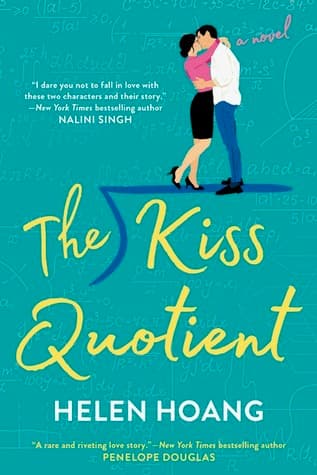
- The Kiss Quotient
Helen Hoang
3.9 (141k) average on GoodreadsRomanceExplores complex relationships and emotional depth with a focus on character development.
- Twisted Love
Ana Huang
3.7 (1.7M) average on GoodreadsInvolves a forbidden romance with a protective male lead and elements of danger.
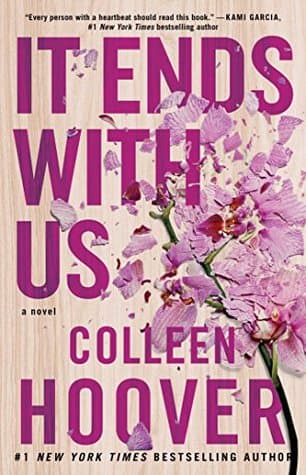
- It Ends with Us
Colleen Hoover
4.4 (212k) average on GoodreadsYoung AdultWhile both Long Shot and It Ends With Us tackle domestic abuse in romance, Ryan's approach in Long Shot is arguably more focused on the long-term recovery and the rebuilding of a life post-trauma. Hoover's novel delves deeply into the cycle of abuse and the difficult choices involved in leaving, whereas Ryan dedicates significant narrative space to August's healing process and the development of a healthy relationship with Jared, emphasizing the journey of overcoming rather than just escaping. Ryan's depiction of the psychological aftermath feels more aligned with clinical understanding of trauma recovery, as discussed by experts like Judith Herman (1992) in Trauma and Recovery.
- The Hunger Games
Suzanne Collins
4.3 (6.4M) average on GoodreadsFantasyIn a future where children fight to the death on live television, Katniss Everdeen volunteers for the arena, turning a death sentence into a fight for survival and a spark of rebellion.
- The Great Gatsby
F. Scott Fitzgerald
3.9 (3.8M) average on GoodreadsHistorical FictionIn the opulent Roaring Twenties, a mysterious millionaire's lavish parties hide his desperate, tragic pursuit of a lost love, exposing the emptiness within the American Dream.
- The Fault in Our Stars
John Green
4.2 (3.6M) average on GoodreadsYoung AdultA girl with a terminal illness finds her story rewritten when a charming boy with a similar past enters her life at a cancer support group, leading to a star-crossed romance.



Enjoyed the summary?
A summary gives you the shape of the book. The book itself has the detail, the examples and the voice.
Find Long Shot on AmazonAs an Amazon Associate, BookBrief earns from qualifying purchases. How we're funded