

Synopsis
Covers the whole plot, including the ending.
- Difficulty
- Medium
- Pacing
- Moderate
- Mood
- Melancholy, Reflective, Critical, Romantic, Tragic
- Read it if
- You enjoy classic American literature, stories about the Jazz Age, critiques of wealth and the American Dream, and tragic romances.
- Skip it if
- You prefer fast-paced thrillers, lighthearted stories, or clear-cut happy endings.
The Great Gatsby Plot Summary
Covers the whole plot, including the ending.
Arrival in West Egg and First Encounters
In the spring of 1922, Nick Carraway, a Yale graduate and World War I veteran, moves from the Midwest to West Egg, Long Island, to work in bonds. He rents a small house next to the large mansion of the mysterious millionaire, Jay Gatsby. Nick visits his wealthy cousin, Daisy Buchanan, and her strong, arrogant husband, Tom Buchanan, at their East Egg estate. There, he also meets Jordan Baker, a professional golfer. During dinner, Nick sees Tom's open affair with Myrtle Wilson, and he notices the superficiality and unhappiness under the Buchanans' rich life. He goes home to see Gatsby alone on his dock, reaching for a green light across the bay.
The Valley of Ashes and Tom's Affair
Soon after, Tom Buchanan takes Nick to New York City. On the way, they stop in the desolate industrial area called the Valley of Ashes, a sharp contrast to the wealthy Eggs. Here, Nick meets Tom's mistress, Myrtle Wilson, the lively wife of George Wilson, a struggling garage owner. The three go to an apartment in New York City that Tom uses for his affair. Myrtle's sister, Catherine, and the McKees join them. The evening involves heavy drinking and crude talk. When Myrtle repeatedly insults Tom about Daisy, Tom violently breaks her nose, showing his brutal side.
Gatsby's Lavish Parties and First Invitation
Nick gets a rare invitation to one of Jay Gatsby's Saturday night parties. He attends, feeling like an outsider among the hundreds of rich, uninvited guests who enjoy Gatsby's hospitality while spreading rumors about his host. Nick walks through the chaotic mansion and grounds, seeing the unrestrained fun. He finds Jordan Baker, and they look for Gatsby. They meet an eccentric man in the library, 'Owl Eyes,' who is surprised that Gatsby's books are real. Finally, Nick meets Gatsby, who is surprisingly young, handsome, and speaks formally, calling Nick 'old sport' and inviting him on his hydroplane.
Gatsby's Confessions and Wolfsheim
Gatsby takes Nick to lunch in New York City, trying to impress him with an elaborate, hard-to-believe life story about Oxford, war heroics, and European travels. He even shows Nick a medal and a photograph as proof. Nick remains doubtful. During lunch, Gatsby introduces Nick to Meyer Wolfsheim, a known gambler who claims to have 'fixed' the 1919 World Series. Wolfsheim's presence suggests the darker, illegal sources of Gatsby's money. Later, Jordan Baker tells Nick the real reason for Gatsby's friendship: Gatsby bought his mansion across the bay to be near Daisy and hopes Nick will arrange a reunion for them.
The Reunion and Renewed Romance
Nick, feeling awkward, agrees to arrange a tea party at his house for Gatsby and Daisy. The first part of the reunion is full of tension and embarrassment. Gatsby seems nervous and clumsy. As the afternoon goes on, and Gatsby shows Daisy his large mansion and all his possessions, their old affection returns. Daisy is overwhelmed by Gatsby's devotion and his beautiful shirts, crying into them. Gatsby's long-held dream of reuniting with Daisy seems to be coming true, and the green light across the bay, once a symbol of distant hope, now feels close.
The Illusion of Happiness and Tom's Suspicion
Gatsby and Daisy begin an affair, often meeting at Gatsby's mansion. Nick sees Gatsby's intense happiness, but also a growing worry as Gatsby tries to get back a past that might be lost. Gatsby even fires his old servants to stop gossip, replacing them with Wolfsheim's questionable associates. Tom Buchanan, at first unaware, starts to notice Daisy's increasing distraction and her frequent visits to West Egg. He becomes suspicious of Gatsby's background and his relationship with Daisy, feeling his own position and marriage are threatened, despite his ongoing affair with Myrtle.
The Confrontation at the Plaza Hotel
On a very hot summer afternoon, Daisy suggests they all go to the city. Gatsby, Nick, Jordan, Tom, and Daisy drive to the Plaza Hotel. During the tense meeting, Tom directly confronts Gatsby about his affair with Daisy and the illegal ways he made his money, revealing Gatsby's bootlegging and other criminal acts. Gatsby tries to make Daisy admit she never loved Tom, but Daisy, conflicted, cannot truthfully say it. She only confesses she loved both men at different times. Tom, seeing Daisy hesitate, confidently sends Daisy and Gatsby home together in Gatsby's car, sure he has won.
Tragedy in the Valley of Ashes
As Gatsby and Daisy drive back from the city in Gatsby's yellow Rolls-Royce, a distressed Myrtle Wilson, having just argued with her husband George, runs into the road in the Valley of Ashes. She thinks it is Tom's car, as he had driven it earlier. Daisy, who is driving, accidentally hits and kills Myrtle. In a panic, Daisy does not stop. Gatsby, always protective, tells Nick he will take the blame for the accident to shield Daisy. Meanwhile, George Wilson, devastated by grief and rage, believes the driver of the yellow car was Myrtle's lover.
Gatsby's Last Stand and Wilson's Revenge
The morning after the accident, Nick urges Gatsby to leave, sensing danger, but Gatsby refuses, still hoping Daisy will call. George Wilson, driven by grief and Tom Buchanan's harmful suggestion that Gatsby owned the yellow car and was Myrtle's lover, finds Gatsby at his mansion. Wilson finds Gatsby in his swimming pool, waiting for Daisy's call that never comes. Wilson shoots Gatsby, killing him instantly, and then shoots himself. Gatsby dies alone, his dream broken, a victim of his misplaced hope and the wealthy's indifference.
The Lonely Funeral and Nick's Disillusionment
Nick tries to arrange a proper funeral for Gatsby but finds himself almost completely alone. Daisy and Tom have left town without a trace, showing no regret or concern. None of Gatsby's former party guests attend, nor do any of his business associates, except for Owl Eyes. Gatsby's estranged father, Henry C. Gatz, arrives from the Midwest, showing Gatsby's humble beginnings and his ambitious nature. Nick realizes the deep emptiness and moral decay of the East Egg and West Egg elite. Disgusted by their carelessness, Nick decides to move back to the Midwest, thinking about the unreachable American dream and the destructive power of the past.
The Great Gatsby Characters
Nick Carraway
Protagonist/Narrator
Observant, moralistic bond salesman and Gatsby's neighbor, drawn into the lives of the wealthy.
Nick Carraway is the novel's narrator, a young man from the Midwest who moves to West Egg, Long Island, to work in bonds. He is initially drawn to the glamour of the wealthy, particularly Jay Gatsby, but ultimately becomes disillusioned by their moral emptiness and carelessness. Nick sees himself as an honest and objective observer, often serving as a confidant for both Gatsby and Jordan Baker. He is the moral compass of the story, judging the destructive behavior of those around him, yet he also facilitates Gatsby's reunion with Daisy, becoming complicit in the unfolding tragedy.
Relationships: Jay Gatsby (Neighbor, friend, confidant); Daisy Buchanan (Cousin, object of Gatsby's affection); Tom Buchanan (Daisy's husband, acquaintance); Jordan Baker (Brief romantic interest, friend)
Jay Gatsby (James Gatz)
Protagonist
Mysterious, wealthy millionaire obsessed with recapturing his past love for Daisy Buchanan.
Jay Gatsby is the enigmatic millionaire who lives next door to Nick Carraway. Born James Gatz, he rose from poverty through illicit means, driven by an idealized vision of wealth and success as a way to win back Daisy Buchanan. He throws lavish parties, hoping she will one day attend. Gatsby is a man of immense ambition, loyalty, and romantic idealism, but he is also a fraud, building his life on a carefully constructed persona and ill-gotten gains. His entire existence is predicated on a dream of the past, which ultimately proves unattainable and leads to his tragic demise.
Relationships: Daisy Buchanan (Long-lost love, obsession); Nick Carraway (Neighbor, confidant, only true friend); Meyer Wolfsheim (Business associate, mentor); George Wilson (His killer, driven by revenge)
Daisy Buchanan
Supporting
Beautiful, charming, and wealthy socialite, the object of Gatsby's unwavering affection.
Daisy Buchanan is Nick's cousin and the woman Gatsby loves. She embodies the allure and superficiality of the wealthy East Egg elite. Daisy is charming and captivating, with a voice described as being 'full of money,' but she is also indecisive, materialistic, and ultimately careless. She loves Gatsby's idealized image of her and the wealth he represents, yet she lacks the courage and conviction to leave Tom Buchanan. Her inability to commit to Gatsby and her complicity in Myrtle's death highlight her moral weakness and self-preservation, leading to heartbreak for Gatsby and tragedy for others.
Relationships: Jay Gatsby (Past love, current affair); Tom Buchanan (Husband); Nick Carraway (Cousin, confidant)
Tom Buchanan
Antagonist
Arrogant, wealthy, and physically imposing old-money aristocrat, Daisy's unfaithful husband.
Tom Buchanan is Daisy's immensely wealthy husband, a former Yale football star, and a man of immense physical presence and aggressive arrogance. He represents the entrenched power and racism of the old-money aristocracy. Tom is openly unfaithful to Daisy, having an affair with Myrtle Wilson, and is a hypocrite who preaches morality while engaging in immoral behavior. He is suspicious of Gatsby and actively works to expose him, driven by a possessive sense of entitlement and a desire to maintain his social standing. His carelessness and brutality contribute directly to the novel's tragic events.
Relationships: Daisy Buchanan (Wife); Myrtle Wilson (Mistress); Jay Gatsby (Rival, antagonist); George Wilson (Unwitting tool for revenge)
Jordan Baker
Supporting
Cynical, dishonest professional golfer and Daisy's friend, who has a brief romance with Nick.
Jordan Baker is a famous professional golfer and a friend of Daisy Buchanan. She is beautiful, sophisticated, and independent, but also fundamentally dishonest and cynical. Jordan is known for cheating in a golf tournament and is characterized by her casual indifference to others' feelings. She has a brief romantic relationship with Nick Carraway, but their differing moral compasses ultimately lead to their separation. Jordan serves as a bridge between Nick and the East Egg social circle, providing Nick with valuable information about Gatsby and Daisy's past.
Relationships: Nick Carraway (Brief romantic interest); Daisy Buchanan (Friend)
Myrtle Wilson
Supporting
Vivacious, ambitious, and common woman, Tom Buchanan's mistress, living in the Valley of Ashes.
Myrtle Wilson is Tom Buchanan's mistress, a woman from the working class who lives in the desolate Valley of Ashes with her husband, George. She is coarse, sensual, and desperately yearns for a life of luxury and social advancement that she believes Tom can provide. Myrtle's affair with Tom allows her to escape her drab existence, if only temporarily, and indulge in material possessions and a higher social circle. Her ambition and desire to rise above her station ultimately lead to her tragic death when she is hit by Gatsby's car, driven by Daisy.
Relationships: Tom Buchanan (Lover); George Wilson (Husband)
George Wilson
Supporting
Tired, unassuming garage owner in the Valley of Ashes, Myrtle Wilson's husband.
George Wilson is Myrtle Wilson's husband and the owner of a run-down garage in the Valley of Ashes. He is a hardworking, but weary and defeated man, deeply in love with Myrtle, though oblivious to her affair with Tom Buchanan. After Myrtle's violent death, George is consumed by grief and a desperate need for revenge. He tragically misinterprets the circumstances of her death, believing Gatsby was her lover and the driver of the car, leading him to murder Gatsby before committing suicide. George represents the forgotten working class, crushed by the recklessness of the wealthy.
Relationships: Myrtle Wilson (Wife); Tom Buchanan (Wife's lover, antagonist); Jay Gatsby (Victim of his revenge)
Meyer Wolfsheim
Supporting
Notorious Jewish gambler and Gatsby's shady business associate.
Meyer Wolfsheim is a mysterious, notorious Jewish gambler and Gatsby's business associate. He is known for fixing the 1919 World Series, highlighting the illicit and corrupt nature of some of Gatsby's wealth. Wolfsheim is a shadowy figure who represents the criminal underworld that Gatsby has become entangled with in his pursuit of wealth. He shows a surprising sentimental attachment to Gatsby, but ultimately proves to be a fair-weather friend, refusing to attend Gatsby's funeral, further emphasizing Gatsby's isolation.
Relationships: Jay Gatsby (Business partner, mentor)
The Great Gatsby Themes
The American Dream and Its Corruption
The novel looks at the American Dream, originally about finding happiness through hard work. Here, it is ruined by materialism and moral decline. Gatsby's constant chase for wealth and Daisy is a twisted version of this dream, focused on getting back a past ideal instead of building a future. The rich characters' lavish lives, built on inherited money or illegal gains, show how the dream became about superficial spending and social climbing, leading to emptiness and tragedy, not fulfillment.
“Gatsby believed in the green light, the orgastic future that year by year recedes before us. It eluded us then, but that’s no matter—tomorrow we will run faster, stretch out our arms farther.... And one fine morning—”
Social Class and the Divide Between Old and New Money
A main theme is the sharp difference and conflict between 'old money' (East Egg) and 'new money' (West Egg). Tom and Daisy Buchanan, with their inherited wealth, represent the established, arrogant, and often corrupt rich who feel entitled. Gatsby, with his new, often illegal, wealth, represents the ambitious 'new money' class that wants acceptance but is rejected by the old guard. This division highlights the strict social rules of the time and how impossible it is to truly escape one's origins, no matter how much money one makes.
“They were careless people, Tom and Daisy—they smashed up things and creatures and then retreated back into their money or their vast carelessness, or whatever it was that kept them together, and let other people clean up the mess they had made.”
The Unattainable Nature of the Past
Gatsby's whole life is about getting back his past with Daisy, believing that wealth and a grand life can turn back time. His famous line, 'Can't repeat the past?…Why of course you can!', captures this desperate hope. But the novel repeatedly shows that the past cannot be changed or remade. Daisy herself has changed, and the innocence of their first love is gone. Gatsby's inability to accept this leads to his tragic end, as his dream is built on an illusion that eventually falls apart. This proves that one cannot truly relive the past.
“He wanted nothing less of Daisy than that she should go to Tom and say: 'I never loved you.' After she had obliterated four years with that sentence they could go back to Louisville and be married from her house, just as if it were five years ago.”
Moral Decay and Recklessness of the Jazz Age
The novel clearly shows the moral decline and recklessness common during the Roaring Twenties. The characters, especially the wealthy elite, are self-indulgent, irresponsible, and lack real human connection. Tom's obvious infidelity, Daisy's eventual abandonment of Gatsby, and the general pleasure-seeking at Gatsby's parties all show a society that has lost its traditional values. The 'carelessness' of Tom and Daisy, who cause destruction without facing consequences, is a repeated idea, symbolizing the spiritual emptiness beneath the Jazz Age's glittering surface.
“What'll we do with ourselves this afternoon?' cried Daisy, 'and the day after that, and the next thirty years?'”
Illusion vs. Reality
The contrast between illusion and reality is central to Gatsby and the story. Gatsby builds an elaborate facade of wealth and a made-up past to impress Daisy, living in a world he created. The glamorous parties, the grand mansion, and even Gatsby's identity are all part of this illusion. Nick, as the observer, slowly uncovers these layers, revealing the tragic truth: Gatsby's humble background, his illegal dealings, and Daisy's inability to live up to his perfect image. The novel suggests that holding onto illusions, no matter how beautiful, can ultimately be destructive.
“There must have been moments even that afternoon when Daisy tumbled short of his dreams—not through her own fault, but because of the colossal vitality of his illusion. It had gone beyond her, beyond everything.”
Plot Devices & Literary Techniques
First-Person Narrator (Nick Carraway)
Provides a limited, subjective, yet morally grounded perspective on the events.
Nick Carraway's first-person narration is crucial, as he acts as both a participant and an observer. His Midwestern values and initial awe of the wealthy provide a lens through which the reader experiences the story. While he claims to be 'honest,' his perspective is inherently subjective, colored by his affections for Gatsby and his disdain for Tom and Daisy. This allows Fitzgerald to present a nuanced view of the 'Jazz Age' while maintaining a certain moral distance, drawing the reader into the world but also encouraging critical reflection on its excesses.
The Green Light
A powerful symbol of Gatsby's hopes, dreams, and the unattainable past.
The green light at the end of Daisy's dock is a potent symbol throughout the novel. For Gatsby, it represents his distant, idealized dream of Daisy and the past he yearns to recapture. It is a beacon of hope and desire, always visible but just out of reach. Once he is reunited with Daisy, the light loses its 'colossal significance,' indicating that the reality of his dream falls short of the illusion. Its enduring presence underscores the theme of the unattainable past and the elusive nature of the American Dream itself.
The Valley of Ashes
A symbolic wasteland representing the moral and social decay beneath the glamour.
The Valley of Ashes is a desolate, industrial wasteland located between the opulent East Egg and West Egg and New York City. It is literally and figuratively a place of moral decay, poverty, and despair, inhabited by the working class like George and Myrtle Wilson, whose lives are literally overshadowed by the waste of industrial society. It serves as a stark contrast to the glittering world of the wealthy, symbolizing the consequences of unchecked capitalism and the spiritual emptiness that underlies the superficial glamour of the Jazz Age, where dreams are literally turned to dust.
Gatsby's Parties
Illustrate the superficiality, excess, and loneliness of the Jazz Age.
Gatsby's lavish, open-house parties are a central plot device. They serve multiple functions: they introduce Nick to the chaotic world of West Egg, highlight Gatsby's mysterious persona, and are his primary, desperate attempt to attract Daisy's attention. While appearing vibrant and full of life, these parties are ultimately hollow, filled with uninvited guests who care little for Gatsby himself, only for his hospitality. They symbolize the superficiality, moral emptiness, and loneliness that pervade the wealthy society of the 1920s, where connection is fleeting and genuine intimacy is rare.
Weather as a Reflection of Mood/Plot
The changing weather mirrors the emotional tension and dramatic developments in the story.
Fitzgerald frequently uses weather to foreshadow or reflect the emotional atmosphere and plot developments. The initial reunion between Gatsby and Daisy is marked by a nervous rainstorm that clears as their love rekindles. The climactic confrontation between Gatsby and Tom in the Plaza Hotel occurs on the hottest day of the summer, symbolizing the escalating tension and explosive emotions. The damp, cold morning after Myrtle's death and Gatsby's vigil outside Daisy's house underscores the tragedy and impending doom. This device adds a layer of symbolic depth to the narrative, enhancing the reader's emotional experience.
The Great Gatsby Quotes
“So we beat on, boats against the current, borne back ceaselessly into the past.”
“I hope she'll be a fool—that's the best thing a girl can be in this world, a beautiful little fool.”
“They're a rotten crowd... You're worth the whole damn bunch put together.”
“Gatsby believed in the green light, the orgastic future that year by year recedes before us.”
“Can't repeat the past? Why of course you can!”
“Her voice is full of money.”
“I was within and without, simultaneously enchanted and repelled by the inexhaustible variety of life.”
“Reserving judgments is a matter of infinite hope.”
“The loneliest moment in someone's life is when they are watching their whole world fall apart, and all they can do is stare blankly.”
“There are only the pursued, the pursuing, the busy, and the tired.”
“He smiled understandingly—much more than understandingly. It was one of those rare smiles with a quality of eternal reassurance in it.”
“Angry, and half in love with her, and tremendously sorry, I turned away.”
“It eluded us then, but that's no matter—tomorrow we will run faster, stretch out our arms farther...”
Quiz
10 questions on the plot and the characters. Each answer comes with a short explanation.
Question 1
What is Nick Carraway's relationship to Daisy Buchanan?
- He is her husband
- He is her cousin
- He is her brother
- He is her former lover
Show answer
B. He is her cousin Nick Carraway is Daisy Buchanan's cousin, which is why he visits her and Tom after moving to Long Island. This familial connection provides his initial entry into the social world of East Egg.
Question 2
Why does Jay Gatsby throw lavish parties at his mansion?
- To impress his business associates
- To attract Daisy Buchanan and reunite with her
- To celebrate his newfound wealth
- To distract from his illegal activities
Show answer
B. To attract Daisy Buchanan and reunite with her Gatsby throws extravagant parties in hopes that Daisy, who lives across the bay in East Egg, will attend one. He aims to reconnect with her after years apart, driven by his enduring love and desire to recapture the past.
Question 3
What major theme does 'The Great Gatsby' explore through characters like Gatsby and the Buchanans?
- The importance of family loyalty
- The contrast between new wealth and old money
- The benefits of rural life over city life
- The decline of European aristocracy
Show answer
B. The contrast between new wealth and old money The novel contrasts new wealth (represented by Gatsby's self-made fortune) with old money (represented by the inherited wealth of the Buchanans). This highlights social divisions and the elusive nature of the American Dream in the 1920s.
Question 4
What does the green light at the end of Daisy's dock symbolize for Gatsby?
- His hope for a reunion with Daisy and his dreams
- A warning about the dangers of wealth
- His envy of Tom Buchanan's life
- The industrial growth of the 1920s
Show answer
A. His hope for a reunion with Daisy and his dreams The green light represents Gatsby's hopes and dreams, particularly his desire to reunite with Daisy and achieve the idealized future he envisions. It symbolizes the unreachable nature of his aspirations.
Question 5
How does Tom Buchanan react when he discovers Daisy and Gatsby's affair?
- He immediately divorces Daisy
- He confronts them in a hotel room, leading to a heated argument
- He blackmails Gatsby to leave town
- He ignores it to avoid scandal
Show answer
B. He confronts them in a hotel room, leading to a heated argument Tom confronts Gatsby and Daisy in a hotel room in New York City, where he exposes Gatsby's shady past and asserts his dominance. This confrontation escalates tensions and leads to the novel's tragic climax.
Question 6
What is the Valley of Ashes, and what does it represent in the novel?
- A wealthy suburb where Gatsby lives
- A desolate industrial area symbolizing moral decay and the poor
- A romantic getaway for Daisy and Gatsby
- The site of Gatsby's illegal bootlegging operations
Show answer
B. A desolate industrial area symbolizing moral decay and the poor The Valley of Ashes is a grim, ash-covered area between West Egg and New York City. It represents the moral and social decay hidden beneath the wealth of the 1920s, as well as the plight of the lower class.
Question 7
Who is responsible for Myrtle Wilson's death, and how does it occur?
- Tom Buchanan, who pushes her in a fit of rage
- Daisy Buchanan, who hits her with Gatsby's car while driving
- Jay Gatsby, who accidentally runs her over during a chase
- George Wilson, who kills her in a domestic dispute
Show answer
B. Daisy Buchanan, who hits her with Gatsby's car while driving Daisy, driving Gatsby's car, hits and kills Myrtle Wilson in the Valley of Ashes. This event sets off a chain of tragic consequences, including Gatsby taking the blame and ultimately being killed by George Wilson.
Question 8
What does Nick mean when he says Gatsby 'believed in the green light' at the end of the novel?
- Gatsby was overly superstitious about colors
- Gatsby clung to his dreams despite their impossibility
- Gatsby supported environmental causes
- Gatsby trusted Daisy to signal him with the light
Show answer
B. Gatsby clung to his dreams despite their impossibility Nick reflects that Gatsby's hope and belief in his dreams, symbolized by the green light, were both his greatness and his downfall. It shows his relentless pursuit of an idealized future that was ultimately unattainable.
Question 9
How does Jay Gatsby acquire his wealth, as revealed in the novel?
- Through inheritance from a distant relative
- Through bootlegging and other illegal activities with Meyer Wolfsheim
- Through successful investments in the stock market
- Through a legitimate business selling pharmaceuticals
Show answer
B. Through bootlegging and other illegal activities with Meyer Wolfsheim Gatsby's wealth comes from illegal activities, including bootlegging alcohol during Prohibition, in partnership with the shady character Meyer Wolfsheim. This contrasts with the old money of characters like Tom Buchanan.
Question 10
What is the significance of the novel's final line: 'So we beat on, boats against the current, borne back ceaselessly into the past'?
- It celebrates human progress and resilience
- It criticizes the fast pace of modern life
- It reflects on the futility of trying to escape or change the past
- It encourages moving forward without looking back
Show answer
C. It reflects on the futility of trying to escape or change the past This line encapsulates the novel's theme of the inescapability of the past. Despite efforts to move forward (like Gatsby's pursuit of Daisy), characters are constantly pulled back by their histories, highlighting the illusion of the American Dream.
The Great Gatsby FAQ
What is 'The Great Gatsby' about?
The novel follows narrator Nick Carraway as he moves to Long Island's West Egg in 1922 and becomes entangled with his wealthy neighbor Jay Gatsby, who obsessively pursues his lost love Daisy Buchanan—now married to the arrogant Tom Buchanan. Through Gatsby's lavish parties and doomed romance, Fitzgerald critiques the American Dream, revealing the moral decay beneath the Jazz Age's glittering surface.
Why should I read 'The Great Gatsby'?
It's a masterful exploration of the American Dream's corruption, with timeless themes of love, class, and identity. Fitzgerald's poetic prose and sharp social commentary on 1920s excess remain strikingly relevant to modern discussions of wealth and aspiration.
What is the background/setting of 'The Great Gatsby'?
Set in the summer of 1922 on Long Island, New York, the novel contrasts the 'old money' East Egg (home to Daisy and Tom Buchanan) with the 'new money' West Egg (where Gatsby and Nick live). This geographical divide mirrors the social clash between inherited wealth and self-made fortunes during the Jazz Age.
What are the most memorable quotes?
Key quotes include Gatsby's belief that 'Can't repeat the past? Why of course you can!' and Nick's closing reflection: 'So we beat on, boats against the current, borne back ceaselessly into the past.' These lines encapsulate the novel's themes of obsession and the futility of chasing idealized dreams.
What writing style does the author use?
Fitzgerald employs a lyrical, symbolic prose style with Nick as an unreliable narrator. His descriptions are rich with imagery (like the green light at Daisy's dock) and irony, blending romanticism with sharp social critique to expose the emptiness behind the characters' glamorous lives.
What minor details add significant meaning?
The green light at the end of Daisy's dock symbolizes Gatsby's unreachable dream, while the valley of ashes—a desolate industrial area—represents the moral decay hidden beneath the era's prosperity. Even Gatsby's meticulously organized shirts, which he shows Daisy, highlight his attempt to fabricate a past worthy of her.
What are some subtle foreshadowing moments?
Early on, Nick describes Gatsby with 'an extraordinary gift for hope,' hinting at his tragic optimism. At Gatsby's party, Owl Eyes's car crash prefigures the novel's larger crashes—both literal (Myrtle's death) and metaphorical (Gatsby's downfall). Daisy's voice being 'full of money' foreshadows how wealth corrupts her choices.
What unexpected character connections exist?
Tom Buchanan's mistress, Myrtle Wilson, is married to George Wilson, who later kills Gatsby after Tom implies Gatsby was driving the car that killed Myrtle. This chain of affairs and deceit links the wealthy and working-class characters in a web of tragedy, showing how their worlds fatally intersect.
What are unspoken character motivations?
Gatsby is driven by a deep-seated need to erase his humble origins and win Daisy as a symbol of achieving the American Dream. Daisy, despite her love for Gatsby, is ultimately motivated by security and status, choosing Tom's stable wealth over Gatsby's risky idealism.
What psychological complexities do characters exhibit?
Gatsby displays a delusional optimism, believing he can recreate the past, while Daisy suffers from a passivity that masks her inner conflict. Tom Buchanan's aggression stems from insecurity about fading aristocracy, and Nick's ambivalence—both drawn to and repelled by the wealthy—reflects his moral grappling.
What are the major emotional turning points?
The tense confrontation at the Plaza Hotel, where Tom exposes Gatsby's shady past, shatters Gatsby's dream. Myrtle's death under Daisy's driving marks a point of no return, leading to Gatsby's murder and Daisy's retreat into her privileged world, leaving Nick disillusioned.
How do relationship dynamics evolve?
Gatsby and Daisy's reunion initially rekindles romance but deteriorates under the pressure of reality and Tom's manipulation. Nick's friendship with Gatsby deepens from curiosity to loyalty, while his disgust with the Buchanans grows, culminating in his break from their world after Gatsby's funeral.
Which parts remain ambiguous or open-ended?
The exact nature of Gatsby's criminal dealings with Meyer Wolfsheim is vague, reflecting the era's shadowy corruption. Daisy's true feelings during the Plaza confrontation and her ultimate reasons for not contacting Gatsby after Myrtle's death are left unclear, emphasizing her elusive character.
What are controversial scenes or decisions?
Daisy's choice to let Gatsby take the blame for Myrtle's death, and her subsequent abandonment of him, sparks debate about her morality. Tom's manipulation of George Wilson to target Gatsby raises questions about accountability, as Tom escapes consequences while others are destroyed.
'The Great Gatsby' ending explained: how it ends & what it means
Gatsby is murdered by George Wilson, who believes Gatsby killed Myrtle, and Daisy flees with Tom without attending the funeral. Nick, disillusioned, returns west. The ending symbolizes the death of the American Dream—Gatsby's idealistic pursuit leads to ruin, while the careless rich evade responsibility, leaving only emptiness behind.
About the author
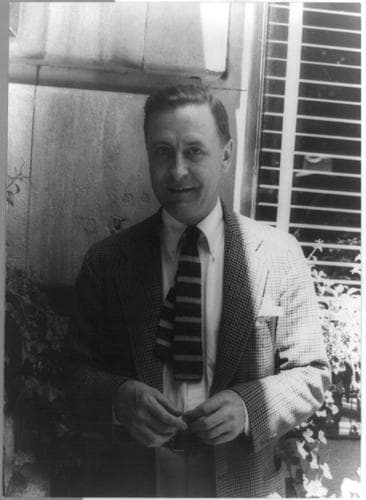
Francis Scott Key Fitzgerald was an American novelist, essayist, and short story writer. He is best known for his novels depicting the flamboyance and excess of the Jazz Age—a term he popularized in his short story collection Tales of the Jazz Age. During his lifetime, he published four novels, four story collections, and 164 short stories. Although he achieved temporary popular success and fortune in the 1920s, Fitzgerald received critical acclaim only after his death and is now widely regarded as one of the greatest American writers of the 20th century.
Similar books
- Tender is the Night
F. Scott Fitzgerald
3.8 (114k) average on GoodreadsLiterary FictionExplores themes of wealth, decadence, and doomed romance among Americans in Europe.
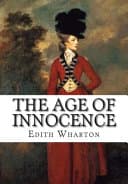
- The Age of Innocence
Edith Wharton
4.0 (139k) average on GoodreadsHistorical FictionDepicts the rigid social conventions and unfulfilled desires within New York's upper class.
- A Farewell to Arms
Ernest Hemingway
3.8 (263k) average on GoodreadsHistorical FictionFeatures a tragic romance set against a backdrop of societal upheaval and disillusionment.
- Babbitt
Sinclair Lewis
3.7 (21k) average on GoodreadsLiterary FictionWhile both Babbitt and The Great Gatsby critique American materialism, Lewis's approach is more overtly satirical and focuses on the middle-class professional's conformity and superficiality. Fitzgerald delves deeper into the psychological and tragic dimensions of aspiration and illusion within the upper echelons of society, offering a more nuanced and less caricatured portrayal of its consequences.
- The Sun Also Rises
Ernest Hemingway
3.8 (366k) average on GoodreadsHistorical FictionBoth novels capture the disillusionment of the post-WWI generation. However, Hemingway's The Sun Also Rises focuses on the 'Lost Generation' of expatriates in Europe, exploring themes of impotence, stoicism, and the search for meaning in a world devoid of traditional values. The Great Gatsby, in contrast, is firmly rooted in the American landscape and specifically dissects the corruption and ultimate failure of the American Dream within its own borders, making its critique more localized and specific to national aspirations.
- To Kill a Mockingbird
Harper Lee
4.3 (4.5M) average on GoodreadsHistorical FictionIn the 1930s Jim Crow South, Harper Lee writes about racial injustice, moral growth, and the quiet courage of a lawyer father, Atticus Finch, as seen through his young daughter's eyes.





Enjoyed the summary?
A summary gives you the shape of the book. The book itself has the detail, the examples and the voice.
Find The Great Gatsby on AmazonAs an Amazon Associate, BookBrief earns from qualifying purchases. How we're funded