
Estimated read time: 6 min read
One Sentence Summary
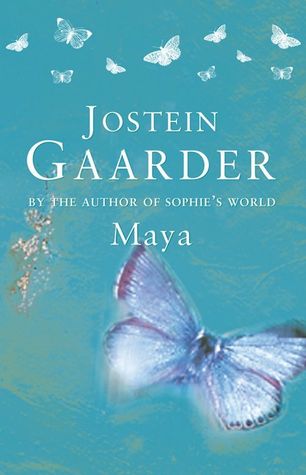
"Maya" by Jostein Gaarder is a philosophical novel exploring the nature of reality and illusion through the story of a young girl named Maya who embarks on a mysterious and introspective journey.
Table of Contents
Introduction
Imagine unwrapping a philosophical gift wrapped in a mystery novel’s cloak—that’s Maya by Jostein Gaarder. Known for his ability to weave complex philosophical ideas into accessible narratives, Gaarder offers readers a fascinating exploration of reality, illusion, and existence. Maya invites college students and lecturers alike to dive into questions that have puzzled thinkers for centuries, all within a compelling story that merges the boundaries between fiction and philosophy.
Historical Context
Written in 1999, Maya arrives during a period when postmodern thought and metaphysical questions about reality gained renewed interest in both academic and popular circles. This era saw rapid technological advances, increasing globalization, and the rise of the internet, prompting deeper inquiries into the nature of truth and perception. Gaarder's work reflects these intellectual currents, drawing on both classical philosophy and contemporary concerns about identity and reality.
Brief Synopsis
Plot Overview
Maya tells the story of a teenage boy named Nikolai, who receives mysterious letters from an unknown sender. These letters challenge his understanding of the world and introduce him to profound philosophical ideas, especially focusing on the concept of "maya"—a Sanskrit term meaning illusion or appearance. Through this epistolary journey, Nikolai confronts the nature of reality, dreams, and the self, blurring the lines between what is real and what is illusionary.
Setting
The story unfolds in modern-day Norway, with its serene landscapes and urban settings providing a contrasting backdrop to the deep, metaphysical questions posed. The atmosphere oscillates between the familiar and the uncanny, reflecting the novel’s central theme of perceiving the world beyond surface appearances.
Main Characters
| Name | Role | Key Traits | Importance to Plot |
|---|---|---|---|
| Nikolai | Protagonist | Curious, thoughtful, introspective | His journey anchors the philosophical exploration |
| Maya | Mysterious figure (symbolic) | Enigmatic, elusive | Represents the concept of illusion and questioning reality |
| The Letter Writer | Mysterious mentor | Wise, cryptic | Guides Nikolai through philosophical learning |
Plot Summary
The Arrival of Letters
Nikolai’s journey begins when he receives a cryptic letter that challenges his everyday assumptions. The letter writer introduces the idea that the world he perceives might be an illusion—maya. This epistolary format creates an intimate dialogue, inviting readers to follow Nikolai’s gradual awakening.
Exploring Philosophical Concepts
As Nikolai reads more letters, he encounters various philosophical doctrines, from Eastern philosophies to Western existentialism. The narrative seamlessly integrates these ideas, making complex theories digestible. Nikolai’s reflections mirror the reader’s own questioning, creating a shared intellectual adventure.
The Blurring of Reality and Illusion
Towards the novel’s climax, the boundaries between reality and illusion become increasingly ambiguous. Nikolai faces experiences that make him question his identity and the nature of existence itself. The novel does not provide definitive answers but rather encourages continuous inquiry.
Themes and Motifs
- Illusion vs. Reality: The core theme revolves around maya, prompting readers to reflect on what is truly real.
- Philosophical Inquiry: The novel serves as a primer on various philosophical ideas, emphasizing the importance of questioning.
- Identity and Self: Nikolai’s journey is also about understanding the self beyond superficial appearances.
- The Role of Dreams: Dreams are used metaphorically to question the reliability of perceptions.
| Theme | Description | Examples in Novel |
|---|---|---|
| Illusion vs. Reality | Challenges perception of what is real | Letters questioning the nature of reality |
| Philosophical Inquiry | Encourages active questioning of existence | Discussions on Eastern and Western philosophies |
| Identity and Self | Explores the concept of selfhood beyond appearances | Nikolai’s introspective reflections |
| Dreams | Symbolize uncertain, shifting realities | Dream sequences that blur with waking life |
Literary Techniques and Style
Gaarder employs a first-person epistolary style, which creates immediacy and intimacy, making philosophical ideas more accessible. His writing balances simplicity with depth, often using metaphors and allegories drawn from Eastern philosophy. The narrative structure, characterized by letters and reflections, fosters a dialogical form, engaging the reader as a participant rather than a passive observer.
His prose is marked by clarity and poetic insight, avoiding academic jargon while maintaining intellectual rigor. This style appeals to both novices in philosophy and seasoned scholars, making Maya a valuable educational tool.
Author’s Background
Jostein Gaarder, a Norwegian author born in 1952, is renowned for blending fiction with philosophy. His breakthrough work, Sophie's World, introduced millions to the history of philosophy through a novelistic format. Gaarder’s background in teaching philosophy and his passion for making complex ideas accessible shape his writing style. His works often explore existential themes through engaging narratives that challenge readers to think critically about life and reality.
Gaarder’s impact extends beyond literature into education, where his books serve as gateways to philosophical inquiry for young adults and academics alike.
Key Takeaways
- The world we perceive may not be the ultimate reality but an illusion shaped by our senses and mind.
- Philosophical inquiry is essential for understanding the self and the universe.
- Identity is fluid and often constructed through perception and reflection.
- Questioning established beliefs is a vital part of intellectual growth.
- Dreams and reality might share boundaries, urging us to reconsider our definitions of existence.
Reader’s Takeaway
Maya offers an intellectually stimulating and emotionally engaging experience. Readers are invited to embark on a personal journey of questioning and discovery, challenging their preconceived notions about reality. The novel encourages openness to ambiguity and complexity, fostering a deeper appreciation of philosophical thought.
For students and lecturers, Maya provides a rich resource for discussions on metaphysics, epistemology, and the philosophy of mind. Its accessible style and profound insights make it an excellent supplement to academic curricula.
Conclusion
Jostein Gaarder’s Maya is more than a novel; it is an invitation to explore the enigmatic nature of reality through the eyes of a curious adolescent. By combining storytelling with philosophical inquiry, Gaarder crafts a narrative that enlightens, challenges, and captivates. Whether you are a student, educator, or curious reader, Maya offers a compelling journey into the heart of existence and illusion—one that encourages continuous questioning and reflection. Dive into Maya and let your mind wander beyond the veil of appearances.
Maya FAQ
What is the main theme of the book 'Maya' by Jostein Gaarder?
'Maya' explores themes of life, death, and the nature of existence through a philosophical dialogue between a father and his daughter.
Who are the main characters in 'Maya'?
The main characters are a father, who is a philosophy teacher, and his teenage daughter, Maya.
What genre does 'Maya' belong to?
'Maya' is a philosophical novel that combines elements of fiction and philosophical inquiry.
What philosophical questions does 'Maya' address?
The book addresses questions about the meaning of life, the nature of reality, death, and the human experience.
Is 'Maya' suitable for young readers?
'Maya' is suitable for young adults and adults interested in philosophy and reflective literature.
How is the story of 'Maya' structured?
'Maya' is structured as a series of conversations and letters between the father and daughter, exploring philosophical ideas.
What is unique about Jostein Gaarder's writing style in 'Maya'?
Gaarder uses a simple yet profound narrative style that makes complex philosophical concepts accessible to readers of all ages.
Does 'Maya' relate to any of Jostein Gaarder's other works?
'Maya' shares thematic similarities with Gaarder's other philosophical novels, such as 'Sophie's World,' focusing on philosophy and existential questions.