Estimated read time: 6 min read
One Sentence Summary
A collection of personal reflections and philosophical musings on life, death, and virtue by Roman Emperor Marcus Aurelius.
Table of Contents
Introduction
"Meditations" is a collection of personal writings by Marcus Aurelius, the Roman Emperor from 161 to 180 AD. It is a philosophical work that delves into the Stoic philosophy and provides insights into Aurelius' thoughts on leading a meaningful and virtuous life. The book is a reflection of his innermost contemplations and serves as a guide to living a life of wisdom, integrity, and self-discipline. This summary aims to provide a comprehensive overview of the key themes, characters, and insights presented in "Meditations."
Brief Synopsis
Plot Overview
"Meditations" is not a traditional narrative with a plot, but rather a compilation of Marcus Aurelius' personal journal entries. The book is divided into 12 books, each addressing different aspects of life and philosophy. The writings cover a wide range of topics, including the nature of the universe, the importance of self-discipline, the acceptance of fate, and the pursuit of inner peace.
Setting
The setting of "Meditations" is the Roman Empire during Marcus Aurelius' reign. The book provides a glimpse into the philosophical and ethical considerations of a Roman Emperor during a time of political and social upheaval.
Main Characters
| Character | Description |
|---|---|
| Marcus Aurelius | Roman Emperor and Stoic philosopher |
| Self | The individual as the central focus |
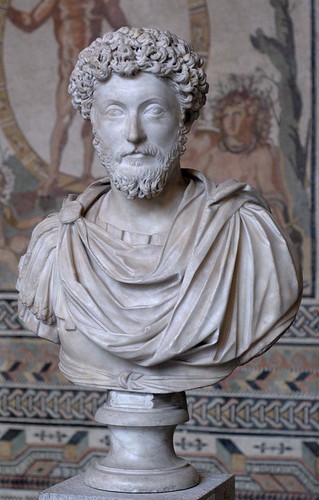
Marcus Aurelius is the primary figure in the book, sharing his personal reflections and philosophical musings. The concept of "self" is also a prominent character, as Aurelius often addresses the importance of self-awareness and self-improvement.
Summary of Different Story Points over Chapters
Book 1: Contemplations on the Self
Aurelius reflects on the importance of maintaining inner peace and integrity in the face of external challenges. He emphasizes the need to cultivate a strong and virtuous character.
Book 2: The Nature of the Universe
In this section, Aurelius contemplates the transient nature of life and the interconnectedness of all things. He encourages readers to embrace the cosmic order and accept the impermanence of existence.
Book 3: Ethics and Virtue
Aurelius discusses the significance of living in accordance with virtue and moral principles. He explores the concept of justice, integrity, and the pursuit of wisdom.
Book 4: Embracing Adversity
The fourth book focuses on coping with adversity and hardship. Aurelius offers insights into resilience, perseverance, and finding strength in the face of challenges.
Book 5: The Power of Reason
Aurelius reflects on the role of reason in guiding one's actions and shaping one's perspective. He advocates for rational thinking and the pursuit of wisdom through introspection.
Book 6: Living in the Present
This section delves into the importance of mindfulness and living in the present moment. Aurelius emphasizes the fleeting nature of time and the need to appreciate the present reality.
Book 7: Duty and Service
Aurelius discusses the concept of duty and the significance of serving others. He explores the interconnectedness of humanity and the moral obligation to contribute positively to society.
Book 8: Transience and Impermanence
In this book, Aurelius reflects on the transient nature of life and the inevitability of change. He encourages readers to embrace impermanence and find solace in the eternal cycles of existence.
Book 9: The Interconnectedness of Humanity
Aurelius contemplates the interconnectedness of all human beings and the shared experiences that unite humanity. He emphasizes empathy, compassion, and the pursuit of universal harmony.
Book 10: Embracing the Cosmic Order
This section explores the idea of fate and the cosmic order governing the universe. Aurelius encourages readers to accept the unfolding of events and find peace in aligning with the natural course of life.
Book 11: Self-Reflection and Introspection
Aurelius delves into the importance of self-reflection and introspection as a means of self-improvement. He encourages readers to examine their thoughts and actions with clarity and honesty.
Book 12: The Transcendence of the Soul
In the final book, Aurelius reflects on the nature of the soul and its transcendence beyond the physical realm. He contemplates the legacy of one's actions and the pursuit of spiritual fulfillment.
Main Events
- Aurelius' reflections on the transient nature of life and the importance of embracing impermanence.
- Contemplations on the interconnectedness of humanity and the ethical responsibilities towards others.
- Insights into the Stoic principles of self-discipline, resilience, and the pursuit of wisdom.
- Reflections on the cosmic order, fate, and the acceptance of the natural course of events.
Themes and Insights
Themes
- Stoicism: The book is deeply rooted in Stoic philosophy, emphasizing the virtues of self-discipline, rationality, and ethical living.
- Transience and Impermanence: Aurelius explores the transient nature of life and the acceptance of impermanence as fundamental aspects of the human experience.
- Ethical Living: The importance of virtue, integrity, and moral responsibility towards oneself and others is a recurring theme in the book.
- Self-Reflection: The practice of self-awareness, introspection, and self-improvement is a central theme throughout the writings.
Insights
- The pursuit of inner peace and self-mastery is achievable through self-discipline and moral integrity.
- Embracing the natural order of the universe and accepting the transient nature of existence leads to inner harmony.
- The interconnectedness of humanity emphasizes the importance of empathy, compassion, and ethical conduct towards others.
Reader's Takeaway
"Meditations" offers readers a timeless guide to navigating the complexities of life with wisdom, resilience, and ethical fortitude. The book provides profound insights into the human experience, encouraging introspection, self-awareness, and a deeper understanding of the interconnectedness of all things.
Conclusion
"Meditations" stands as a testament to Marcus Aurelius' profound wisdom and enduring legacy as a philosopher-emperor. The timeless relevance of his reflections on Stoicism, ethics, and the nature of existence continues to inspire readers to seek inner tranquility, moral virtue, and a deeper appreciation of the cosmic order. This summary provides a comprehensive overview of the key themes, characters, and insights presented in "Meditations," inviting readers to delve into the profound wisdom of one of history's most influential philosophical works.
Meditations FAQ
Who is the author of Meditations?
Meditations was written by the Roman Emperor Marcus Aurelius.
What is the genre of Meditations?
Meditations is a philosophical work and is often categorized as a form of Stoic literature.
When was Meditations written?
Meditations was written around 170-180 AD during the time Marcus Aurelius was serving as Roman Emperor.
What is the main theme of Meditations?
The main themes of Meditations revolve around Stoic philosophy, personal ethics, and the concept of living a virtuous life.
Is Meditations a religious book?
Meditations is not a religious book in the traditional sense. It is more focused on philosophical and ethical reflections rather than religious doctrine.
Is Meditations a difficult read?
The language and style of Meditations can be somewhat challenging for modern readers, but it offers valuable insights and reflections on life and morality.