Estimated read time: 9 min read
One Sentence Summary
"Memory Wall" by Anthony Doerr is a poignant short story exploring the preservation of memories and the impact of technology on human experience through the lens of a family using a device to record and relive their past.
Table of Contents
Introduction
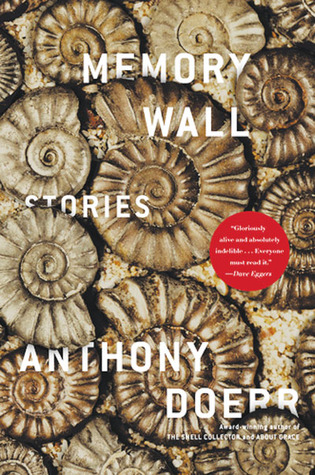
Anthony Doerr’s Memory Wall is a compelling collection of short stories that dive deep into the complex interplay between memory, loss, identity, and the human experience. Known for his lyrical prose and evocative storytelling, Doerr crafts narratives that are at once intimate and expansive, exploring how memories shape our lives and define who we are. This book is significant not only for its literary artistry but also for its philosophical inquiries into the nature of remembering and forgetting.
For college students and lecturers alike, Memory Wall offers rich material for discussions on narrative structure, thematic depth, and the emotional power of storytelling. This summary provides an analytical yet accessible exploration of the collection, highlighting its historical context, thematic concerns, stylistic features, and key takeaways.
Historical Context
Memory Wall was published in 2010, a time when global conversations about memory—both personal and collective—were gaining prominence. The early 21st century witnessed a surge in interest in how technology reshapes memory, the cultural implications of remembrance, and the psychological impacts of trauma and loss. Doerr’s stories reflect these concerns, often weaving in elements related to war, migration, and the fragility of human connections in a rapidly changing world.
While the stories are largely fictional, they resonate with real-world events such as the aftermath of World War II, the Cold War, and contemporary conflicts that have displaced millions. Doerr’s work also draws on scientific advances in neuroscience and memory research, lending a subtle but profound intellectual backdrop to his narratives.
Brief Synopsis
Plot Overview
Memory Wall is not a novel but a collection of ten short stories, each exploring different facets of memory. The stories vary widely in setting and characters, yet they are unified by their focus on how memories are preserved, altered, and sometimes weaponized. Themes of loss, love, trauma, and the persistence of history echo throughout the collection.
Rather than a continuous plot, the book offers a mosaic of perspectives—from an elderly woman grappling with Alzheimer’s to a man who collects memories to preserve history, to a woman dealing with the aftermath of war. Each story poses questions about what it means to remember and the consequences of forgetting.
Setting
The settings range across diverse geographical locations and time periods, including rural America, war-torn countries, and futuristic scenarios where memory technology plays a key role. This variety enriches the collection, showing memory’s universality and its cultural specificity.
Atmospherically, the stories often have a quiet, contemplative tone, punctuated by moments of intense emotional insight. Doerr’s vivid descriptions create immersive environments that pull readers into the characters’ inner worlds.
Main Characters
| Name | Role | Key Traits | Importance to the Plot |
|---|---|---|---|
| Lidia | Elderly woman with Alzheimer’s | Vulnerable, reflective | Explores the fragility of memory and identity |
| Stephen | Memory collector | Curious, obsessive | Central to themes of preservation and historical memory |
| Etta | Young woman in war-torn country | Resilient, hopeful | Illustrates trauma and resilience |
| David | Scientist researching memory | Analytical, empathetic | Connects science with human experience |
| Sister Mary | Caretaker of memories | Compassionate, patient | Symbolizes the nurturing aspect of memory |
| Father Tomas | Priest and memory guardian | Wise, conflicted | Highlights moral questions around memory |
| Hana | Refugee and survivor | Strong-willed, haunted | Represents displacement and memory loss |
| Marcus | Historian and archivist | Detail-oriented, passionate | Explores the archival nature of memory |
| Mei | Daughter struggling with heritage | Curious, conflicted | Addresses cultural memory and identity |
| Julian | Soldier experiencing PTSD | Troubled, introspective | Examines trauma and the burden of memory |
Plot Summary
Story 1: The Fragility of Memory
The opening story introduces Lidia, an elderly woman battling Alzheimer’s disease. Through her fragmented recollections and moments of lucidity, Doerr portrays how memory shapes identity and the profound fear of losing oneself. The narrative is intimate and heartrending, inviting readers to empathize deeply with the vulnerability of aging.
Story 2: Collecting Memories
Stephen, a man obsessed with collecting memories on high-tech devices, attempts to preserve history in the face of inevitable loss. This story examines the tension between technological preservation and the organic, emotional nature of human memories. It questions whether memories can truly be captured without losing their essence.
Story 3: War and Loss
In a war-torn country, Etta struggles to maintain hope amidst devastation. Her memories of better times clash with the harsh present, illustrating how trauma disrupts personal and collective memory. Doerr subtly critiques the erasure of history in conflict zones.
Story 4: Science Meets Humanity
David’s scientific research into memory offers a counterpoint to the emotional narratives. His analytical approach is humanized through interactions with patients, showing how memory is both a biological process and a deeply personal experience.
Story 5: The Caretaker
Sister Mary dedicates her life to caring for those who have lost their memories. Her story is a testament to the nurturing power of human connection and the role of empathy in preserving memory.
Story 6: Moral Dilemmas
Father Tomas grapples with ethical questions as he guards memories that hold painful truths. This narrative explores the moral weight of remembering and forgetting, especially in the context of historical atrocities.
Story 7: Displacement and Memory
Hana’s journey as a refugee highlights the loss of homeland memories and the struggle to create new ones. Her story is a poignant exploration of displacement and the enduring human need to remember where one comes from.
Story 8: Archiving the Past
Marcus’s work as a historian and archivist delves into the institutional side of memory. His passion for detail contrasts with the subjective nature of personal memories, raising questions about whose stories are preserved.
Story 9: Cultural Identity
Mei’s internal conflict about her heritage and memories challenges the reader to consider how culture shapes memory and identity. Her story is a nuanced look at the intergenerational transmission of memory.
Story 10: The Burden of Trauma
Julian, a soldier haunted by PTSD, embodies the destructive power of traumatic memories. His narrative closes the collection with a raw, emotional portrayal of how memory can both heal and harm.
Themes and Motifs
Memory as Identity
A central theme is that memory forms the core of personal and collective identity. Doerr illustrates how losing memory equates to losing oneself, and how remembering is an act of self-affirmation.
The Fragility and Persistence of Memory
The stories explore memory’s delicate nature—how it can fade, distort, or be deliberately erased—and yet persist through stories, artifacts, and technology.
Memory and Trauma
Several stories grapple with trauma’s impact on memory, showing how painful experiences can fracture recollections or become unbearable to remember.
Technology and Memory
Doerr critically examines the role of technology in preserving memory, questioning whether mechanical recordings can replace human recollection.
Cultural and Historical Memory
The collection addresses how societies remember history, including the selective nature of collective memory and the consequences of forgetting.
Ethical Dimensions of Memory
Moral questions arise about what should be remembered or forgotten, especially regarding historical injustices and personal secrets.
Literary Techniques and Style
Narrative Structure
Doerr employs varied narrative techniques across stories, including first-person, third-person limited, and shifting perspectives. This diversity enriches the exploration of memory’s subjectivity.
Symbolism
Objects such as photographs, tapes, and relics symbolize memory's tangible presence. The “memory wall” itself is a recurring motif representing the desire to preserve the past.
Imagery and Sensory Detail
Vivid imagery evokes the sensory nature of memories—smells, sounds, and sights—making the past feel immediate and alive.
Language and Tone
Doerr’s prose is lyrical yet precise, balancing poetic description with clear storytelling. The tone ranges from melancholic to hopeful, mirroring the complexity of memory.
Realism and Speculation
While grounded in realistic human experiences, some stories incorporate speculative elements about memory technology, blending genres to provoke thought.
Author’s Background
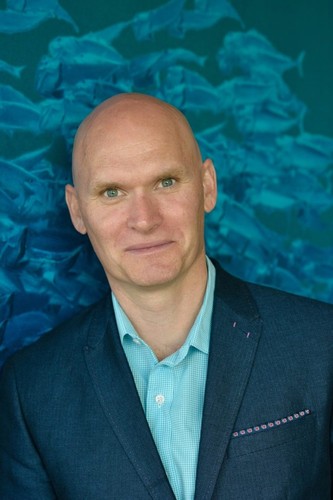
Anthony Doerr is an acclaimed American author known for his masterful storytelling and deep engagement with themes of memory, nature, and human connection. Born in 1973, Doerr’s influences include classical literature, science, and history, which inform his richly textured narratives.
Doerr’s writing style is characterized by lyrical prose, meticulous research, and a profound empathy for his characters. His earlier works, such as The Shell Collector and Four Seasons in Rome, explore similar themes with sensitivity and insight.
The success of Memory Wall helped cement Doerr’s reputation, culminating in his Pulitzer Prize-winning novel All the Light We Cannot See. His impact on contemporary literature lies in his ability to blend intellectual rigor with emotional resonance, making complex ideas accessible and engaging.
Key Takeaways
- Memory defines identity: The collection underscores how memory shapes who we are on personal and collective levels.
- Memory is fragile yet powerful: Memories can fade or be lost but also persist through diverse means.
- Trauma alters memory: Painful experiences affect how memories are stored and recalled.
- Technology complicates memory: Mechanical preservation raises questions about authenticity and emotional depth.
- Ethics of remembering: The book invites reflection on what ought to be remembered or forgotten.
- Cultural memory is selective: Societies often remember selectively, influencing historical narratives.
Reader’s Takeaway
Reading Memory Wall is a deeply moving experience. It challenges readers to consider their own relationships with memory—what they choose to hold onto or let go. The collection’s emotional depth fosters empathy, especially towards those grappling with loss or trauma. Intellectually, it provokes reflection on memory’s role in shaping history and identity. For students and lecturers, the book offers fertile ground for exploring narrative form, thematic complexity, and the intersection of science and art in literature.
Conclusion
Anthony Doerr’s Memory Wall is a masterful exploration of memory’s many facets—its beauty, fragility, and power. Through diverse stories and rich characters, it invites readers to reflect on the essence of remembrance and the stories that define us. This collection is a valuable resource for anyone interested in literature, psychology, history, or philosophy. Engaging with Memory Wall enriches understanding of human experience and encourages a deeper appreciation of the memories that shape our lives. Whether for academic study or personal enrichment, this book deserves a place on every thoughtful reader’s shelf.
Memory Wall FAQ
What is the main theme of 'Memory Wall' by Anthony Doerr?
'Memory Wall' explores themes of memory, history, and the ways in which personal and collective pasts shape our identities.
Is 'Memory Wall' a novel or a collection of stories?
'Memory Wall' is a collection of interconnected short stories by Anthony Doerr.
Who is Anthony Doerr, the author of 'Memory Wall'?
Anthony Doerr is an American author known for his beautifully crafted prose and insightful storytelling, including the Pulitzer Prize-winning novel 'All the Light We Cannot See.'
What is the significance of the title 'Memory Wall'?
The title 'Memory Wall' symbolizes the attempt to preserve memories and histories, often through physical or metaphorical walls that hold personal and cultural narratives.
Are the stories in 'Memory Wall' connected or independent?
The stories in 'Memory Wall' are independent but share common themes and motifs, creating a cohesive exploration of memory and human experience.
What genres does 'Memory Wall' encompass?
'Memory Wall' primarily falls under literary fiction, with elements of historical fiction and speculative fiction woven throughout the stories.
How does Anthony Doerr use memory in his storytelling?
Doerr uses memory as a central device to explore characters' pasts, cultural heritage, and the impact of history on individual lives.
What kind of readers would enjoy 'Memory Wall'?
Readers who appreciate literary fiction, thoughtful prose, and stories that delve into memory, history, and human connections will enjoy 'Memory Wall.'
Does 'Memory Wall' include any autobiographical elements?
While the stories are fictional, some reflect Doerr's interest in history, memory, and human resilience, themes that resonate with his broader body of work.